


 Belgium : Safety by City
Belgium - safety as a country
Waterloo, Belgium, is a small but famous town in Walloon Brabant, just south of Brussels.
Most travelers know the name because of the Battle of Waterloo, but the modern town feels far removed from the image of a battlefield.
Today it is more polished suburban hub than gritty city break, with leafy neighborhoods, historic attractions, easy rail access, and a generally comfortable atmosphere for visitors.
That said, Waterloo’s location near Brussels means travelers sometimes mix up the risks of the capital with the risks of the town itself.
They are not the same.
Waterloo is calmer, quieter, and usually far less stressful than central Brussels.
Still, tourists should not switch off their common sense completely.
Minor theft, transit-related inconvenience, and the usual late-night urban issues can still happen, especially if you are moving between Brussels and Waterloo or spending time around stations and crowded public areas.
Warnings & Dangers in Waterloo

OVERALL RISK: LOW
Waterloo is generally a low-risk destination for travelers. It is an affluent, well-kept area with a quieter atmosphere than nearby Brussels, and most visits are smooth and uneventful. Travelers are far more likely to deal with minor inconvenience, rain, or transport timing issues than serious danger. Basic awareness is usually enough.

TRANSPORT & TAXIS RISK: LOW
Transport risk in Waterloo is low. The town is connected by train and bus, and getting around the area is fairly straightforward. Taxis and rides are not usually the main problem here. The bigger issue is being alert when connecting through larger transport hubs in Brussels, where crowding and petty theft are more likely than in Waterloo itself.

PICKPOCKETS RISK: MEDIUM
Pickpocketing risk in Waterloo itself is low, especially compared with major tourist cities. You are not stepping into a place known for constant tourist-targeted theft. Still, visitors should stay careful in busy public transport areas, markets, and stations, particularly if their trip includes Brussels, where bag and phone theft are much more common.

NATURAL DISASTERS RISK: LOW
Waterloo has a low natural disaster risk. You are not dealing with earthquakes, hurricanes, or extreme seasonal hazards on a regular basis. The most realistic weather-related concerns are heavy rain, slippery winter conditions, and occasional stormy days that can make walking or driving less pleasant rather than genuinely dangerous.

MUGGING RISK: LOW
Mugging risk in Waterloo is low. Violent street crime aimed at tourists is not one of the town’s defining safety concerns. That said, late-night isolation is never a smart idea, especially near quieter roads, parks, or station surroundings. Visitors who stay in active areas and avoid wandering alone after midnight will usually feel perfectly comfortable.

TERRORISM RISK: MEDIUM
The direct day-to-day risk in Waterloo is low, but Belgium as a whole keeps terrorism on the radar more than some travelers expect. Because Waterloo sits close to Brussels, it is reasonable to treat this as a medium background concern rather than something specific to the town. For tourists, that mostly means staying aware in major transit and crowded public spaces.

SCAMS RISK: LOW
Scam risk in Waterloo is low, and tourists are less likely to encounter aggressive street scams here than in larger capitals. The more realistic issues are online booking fraud, fake rental offers, and the occasional overpriced service aimed at inattentive visitors. As long as you book through reputable platforms and stay alert, scam exposure is limited.

WOMEN TRAVELERS RISK: LOW
Waterloo is generally a comfortable destination for women travelers, including solo visitors. The town is calmer than many larger urban centers, and daytime movement around shops, sights, and main streets is usually easy and relaxed. Standard precautions still matter at night, especially in quieter stretches, but the overall environment is not especially intimidating.

TAP WATER RISK: LOW
Tap water in Waterloo is safe for most travelers to drink. Belgium has strong drinking water standards, and visitors staying in hotels, guesthouses, or normal residential accommodation should not need bottled water for safety reasons. Bottled water is more a matter of preference than necessity, though some travelers may prefer sparkling water, which is popular locally.
Safest Places to Visit in Waterloo
The Battlefield Memorial Area
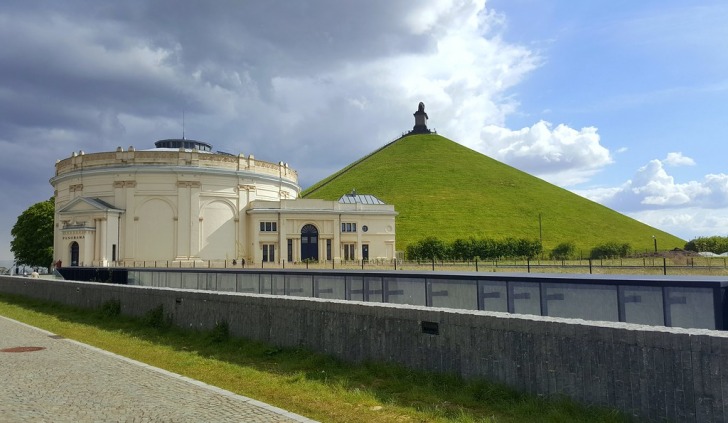
The area around the Lion’s Mound, Memorial 1815, and the main Waterloo battlefield attractions is one of the safest parts of town for tourists.
It is built around a major heritage site, so it is used to receiving visitors and generally feels orderly, open, and easy to understand.
During the day, this is the best place to start because it combines history with a clear tourist structure.
Wellington Museum and the Town Center
The central part of Waterloo near the Wellington Museum is another comfortable area for travelers.
This section of town has shops, cafes, and everyday local activity, which helps it feel lived-in rather than deserted.
It is a good place for relaxed daytime wandering, grabbing lunch, and mixing sightseeing with ordinary town life.
Sonian Forest Access Points Near Waterloo
For travelers who want a quieter and greener experience, the edges of the Sonian Forest near Waterloo offer a very appealing escape.
Daytime walks here can be one of the nicest and most peaceful things to do in the area.
As always with wooded spaces, it is smartest to visit in daylight and avoid isolated routes once evening sets in.
Mont-Saint-Jean Farm and Nearby Historical Sites
The wider battlefield zone, including Mont-Saint-Jean Farm and other historical stops, is well suited to travelers who prefer calm cultural sightseeing over nightlife.
These areas are not just interesting, they also tend to be lower stress than busier urban destinations.
If your idea of a good trip is museums, open space, and history, Waterloo works in your favor.
Places to Avoid in Waterloo
Quiet Station Surroundings Late at Night
Waterloo station is useful and generally manageable, but like many smaller stations, it can feel much less comfortable once foot traffic drops late in the evening.
It is not that the area is notoriously dangerous, but empty transport zones always reduce your margin for error.
Arrive with a plan, and do not linger unnecessarily after dark.
Isolated Roads Near the Battlefield After Hours
The battlefield area is fascinating during the day, but parts of it become very quiet once tourist activity fades.
Rural roads, large open spaces, and limited evening foot traffic can make the area feel isolated rather than unsafe in a dramatic sense.
Visitors should avoid treating these areas like casual late-night walking routes.
Poorly Lit Forest Edges and Empty Paths
The greener edges of Waterloo are part of its charm, but that same peaceful atmosphere can work against you after sunset.
Forested paths and quiet residential stretches are fine in daylight, yet they are not ideal if you are alone, unfamiliar with the area, or relying on your phone to navigate in low visibility.
Brussels Trouble Spots on a Waterloo-Based Trip
This is the key distinction many travelers miss.
If you stay in Waterloo but day-trip into Brussels, the higher-risk parts of your trip are often in Brussels transport hubs and crowded tourist zones, not in Waterloo itself.
That is where pickpocketing, distraction theft, and greater street disorder are more likely to affect you.
Safety Tips for Traveling to Waterloo
- Treat Waterloo and Brussels as two different safety environments. Waterloo is quieter and more residential, while Brussels is busier and demands more street awareness. If your itinerary includes both, do not assume the same level of caution applies everywhere. You can relax more in Waterloo, but keep a firmer grip on your belongings once you head into the capital.
- Keep your valuables secure on trains and in stations. Most tourist trouble in this region happens around transport, not while strolling historic sites. Use zipped bags, keep phones out of open coat pockets, and do not set luggage down casually while checking schedules or buying tickets.
- Visit the battlefield attractions during the day. This is both the most enjoyable and the safest way to experience Waterloo’s main sights. The open landscape is much more impressive in daylight, and you avoid the awkwardness of moving through quiet roads and semi-rural areas once everything starts shutting down.
- Book accommodation in a central, well-reviewed location. A good base near the town center or in a known hotel area makes everything easier. You reduce the chance of arriving in a poorly connected or overly isolated place, especially if your train or flight schedule pushes you into evening arrival times.
- Carry weather-appropriate clothing even on short outings. Belgian weather can shift fast. Rain, wind, and damp conditions can make a simple sightseeing day unexpectedly uncomfortable. A waterproof layer and decent shoes are more useful here than travelers sometimes realize.
- Do not confuse low crime with no crime. Waterloo is comparatively safe, but that does not mean you should leave a bag hanging on a chair or flash cash around casually. Tourists still make easy targets when they act too relaxed in cafes, stations, or parking areas.
- Be cautious with late-night solo walks. This is especially true if you are coming back from Brussels or returning from dinner after public activity has died down. Waterloo is not a nightlife hotspot with constant crowds, so some streets can feel emptier than visitors expect.
- Use official booking channels for museums, lodging, and transport. Because Waterloo is famous, it attracts tourists who may book quickly without checking details. Avoid suspicious rental offers, unusual payment requests, and listings that look oddly cheap for the area.
- Keep emergency basics on your phone and on paper. Save your accommodation address, train details, and a backup route before heading out. Mobile data issues, low battery, or a navigation mistake are not dramatic problems, but they become annoying fast if you have no fallback.
- Stay especially alert if visiting during big commemorative or holiday periods. Events tied to history, public holidays, or regional tourism can mean more crowds, fuller transport, and more distracted travelers. Those are exactly the moments when petty theft and confusion become more likely, even in otherwise calm destinations.
So... How Safe Is Waterloo Really?
Waterloo is genuinely one of the easier places in Belgium for a traveler to handle.
It is calmer than Brussels, less chaotic than a major capital, and more structured than many tourists expect from a town best known for one historic battle.
In practical terms, that means most visitors will experience it as safe, orderly, and pleasantly uneventful.
The risks here are mostly the ordinary European travel risks rather than anything extreme.
Petty theft is possible, especially in transit settings.
Late-night isolation is not ideal.
Rain, slippery winter conditions, and the logistics of moving between Waterloo and Brussels can create more problems than crime itself.
Even the terrorism concern is better understood as a Belgium-wide background issue rather than a sign that Waterloo specifically feels tense or unstable.
For most tourists, Waterloo is safe enough that the trip becomes about comfort and awareness rather than fear.
You do not need to move through the town like you are on edge, but you should still travel smart.
Secure your things, plan your transport, avoid isolated walks late at night, and remember that the most stressful parts of your trip may happen before you even arrive, especially if you pass through big stations in Brussels.
Overall, Waterloo is a low-risk destination with a strong chance of giving travelers exactly what they want: history, ease, and a much calmer pace.
How Does Waterloo Compare?
| City | Safety Index |
|---|---|
| Waterloo |
85 |
| Dinant |
88 |
| Ghent |
70 |
| Bruges |
84 |
| Leuven |
87 |
| Mons |
86 |
| Brussels |
60 |
 Wahpeton Wahpeton | 82 |
| Pasadena | 78 |
 Kathmandu Kathmandu | 60 |
| Cumberland | 84 |
| Two Harbors | 83 |
 Arequipa Arequipa | 32 |
Useful Information

Visas
Belgium is part of the Schengen Area. Many travelers can enter visa-free for short tourist stays, while others need a short-stay Schengen visa. That visa is generally for stays of up to 90 days within a 180-day period. Requirements vary by nationality, so travelers should check the current rules before booking.

Currency
Waterloo uses the euro. Cards are widely accepted, and many travelers will not need much cash at all. If you do need euros, bank ATMs are usually the easiest option. Avoid exchanging money at places with poor rates, especially in airports or high-tourist transit zones.

Weather
Waterloo has a temperate climate with cool winters, mild summers, and rain possible throughout the year. Summer is comfortable rather than scorching, while winter can feel damp, gray, and chilly. Pack layers, a light waterproof jacket, and comfortable shoes that can handle wet pavement and occasional slippery conditions.

Airports
The most practical airport for Waterloo is Brussels Airport, with Brussels South Charleroi also used by some travelers. From Brussels Airport, many visitors continue by train toward the Brussels area and then onward to Waterloo. Train travel is often easier than driving, especially if you want to avoid traffic and parking stress.

Travel Insurance
Travel insurance is a smart idea for Waterloo just as it is for any international trip. Even in a low-risk destination, delays, cancellations, lost baggage, and unexpected medical costs can ruin a trip fast. A solid policy adds a layer of protection that is worth having even when the destination itself feels quite safe.
Waterloo Weather Averages (Temperatures)
Average High/Low Temperature
| Temperature / Month | Jan | Feb | Mar | Apr | May | Jun | Jul | Aug | Sep | Oct | Nov | Dec |
|---|---|---|---|---|---|---|---|---|---|---|---|---|
| High °C |
6 | 7 | 11 | 15 | 18 | 22 | 23 | 23 | 19 | 15 | 10 | 7 |
| Low °C |
1 | 2 | 3 | 6 | 9 | 12 | 14 | 14 | 11 | 8 | 4 | 2 |
| High °F |
43 | 45 | 52 | 59 | 64 | 72 | 73 | 73 | 66 | 59 | 50 | 45 |
| Low °F |
34 | 36 | 37 | 43 | 48 | 54 | 57 | 57 | 52 | 46 | 39 | 36 |
Belgium - Safety by City
| City | Safety Index |
|---|---|
| Antwerp | 65 |
| Bruges | 84 |
| Brussels | 60 |
| Dinant | 88 |
| Ghent | 70 |
| Leuven | 87 |
| Mechelen | 84 |
| Mons | 86 |
| Namur | 85 |
| Waterloo | 85 |














Beautiful city!
I like to travel on my own to experience different parts of the world for myself. Having gone to Waterloo several times now, I can tell you it is the safest city in Belgium. I never once felt I was at risk of anything at all. I am an experienced traveler however so others may feel different. The city is beautiful and well worth visiting if you enjoy traveling.
Waterloo Battlefield
My husband really wanted to see the Waterloo Battlefield, I think if you have a relative who is a history buff then they will want to see this too. We also got to see the Lion’s Mound! If you have the time in Belgium, then yes Waterloo could be added on to your list.
French Film
For someone who just understood a bit of conversational French, we found ourselves in the Cinema showing a French film. Well, I guess I understood the context of the story through the visuals! Ha ha ha. The church that we visited had a lot of plaques commemorating the officers during the Battle of Waterloo.
Climbing up to the Lion’s Mound felt a bit like doing mandatory cardio, but standing at the top and trying to picture that whole battlefield spread out under a grey Belgian sky was strangely moving and kind of eerie.
Standing on Lion’s Mound with the town spread out below, I felt a weird lump in my throat imagining the cannon smoke and that musket ball hitting the Prince of Orange.
Climbing the Lion’s Mound with my calves burning and then spotting the exact spot where the Prince of Orange got knocked off had me grinning at how oddly specific history can be.
Spent a few afternoons walking around and really appreciated how peaceful it feels compared to the chaos of Brussels, especially in those quiet leafy streets near the station.
Just curious, did you notice if the calmer vibe in Waterloo affects how safe it actually feels walking around at night compared to Brussels?
So, if Waterloo is this peaceful little town, how come my bike got stolen just a block from that “leafy neighborhood” you mentioned?