


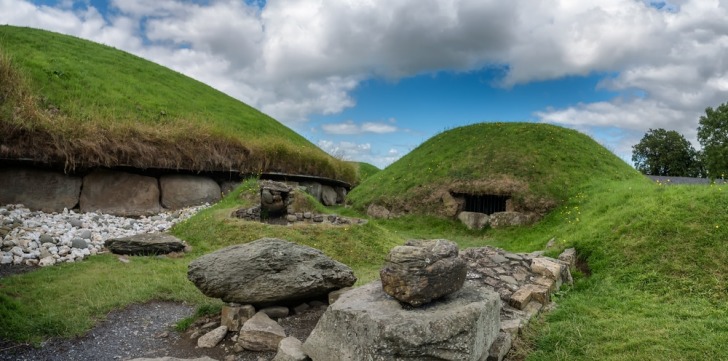
Drogheda sits on Ireland’s east coast in County Louth, roughly halfway between Dublin and Belfast, and it often surprises travelers who assume it is just a commuter town.
In reality, this historic place has a strong personality of its own.
The River Boyne runs through the heart of town, medieval remnants still stand proudly, and the surrounding Boyne Valley is packed with some of Ireland’s most important heritage sites.
I like Drogheda for travelers who want a base that feels more local and less polished than Dublin, but still connected and easy to explore.
It is not a city that screams tourist postcard at every corner, yet that is part of its charm.
You get history, everyday Irish life, and access to major attractions without the big city chaos.
Warnings & Dangers in Drogheda

OVERALL RISK: LOW
Drogheda is generally a low risk destination for travelers. Most visits are trouble free, especially for people who use normal city awareness. The biggest issues tend to be petty theft, late night alcohol related disorder in busy social areas, and occasional antisocial behavior rather than violence aimed at tourists.

TRANSPORT & TAXIS RISK: LOW
Transport risk in Drogheda is low. The town has rail and bus connections, and it is easy to reach from Dublin Airport and other nearby hubs. Standard taxi precautions still apply, especially at night. Prebook when possible, confirm the fare approach, and stay alert when waiting around quieter streets after dark.

PICKPOCKETS RISK: LOW
Pickpocketing is not the first danger most people associate with Drogheda, but it can happen in crowded pubs, transport points, shopping streets, and during festivals or busy weekends. The risk is lower than in major European capitals, though careless travelers can still make themselves easy targets.

NATURAL DISASTERS RISK: LOW
Natural disaster risk is low, but not nonexistent. Drogheda does not face earthquakes or extreme tropical weather, yet heavy rain, strong Atlantic systems, and localized flooding can create disruptions. Areas closer to the River Boyne deserve extra caution during poor weather, especially in winter or after prolonged rainfall.

MUGGING RISK: LOW
The mugging risk is low for most visitors. Tourists are not commonly singled out, and daytime exploration is usually comfortable. That said, isolated streets, poorly lit lanes, and late night situations involving alcohol can increase the chance of confrontation. Solo travelers should use extra care after midnight.

TERRORISM RISK: LOW
The terrorism risk in Drogheda is low. Ireland is not free from broader European security concerns, but Drogheda itself is not typically viewed as a major target. Travelers should still keep basic awareness in transport hubs and crowded public spaces, but this is not a leading safety concern for the town.

SCAMS RISK: LOW
Scam risk is low in Drogheda. You are much more likely to encounter everyday overcharging, misleading online listings, or card related fraud than elaborate tourist scams. Be cautious with unofficial accommodations, suspicious payment requests, and anyone pressuring you into quick transactions. Basic digital security matters more than street trickery here.

WOMEN TRAVELERS RISK: LOW
Drogheda is generally manageable for women travelers, especially during the day and in central areas. Most visits are uneventful, but solo visitors should stay aware at night around bars, quieter side streets, and transport stops. Common sense precautions, such as avoiding walking alone after heavy drinking, go a long way.

TAP WATER RISK: LOW
Tap water risk is low. Public drinking water in Ireland is generally considered safe, and visitors in Drogheda usually have no issue drinking from the tap. If your accommodation mentions a temporary advisory, follow local guidance, but under normal conditions bottled water is more a preference than a necessity.
Safest Places to Visit in Drogheda
St. Laurence’s Gate and the Historic Center
The historic core is one of the safest and most rewarding places to start.
Around St. Laurence’s Gate, West Street, and the central shopping area, there is plenty of daytime foot traffic, which usually adds a sense of security.
This part of Drogheda gives you the medieval atmosphere many travelers want, but without the overwhelming crowds of a major tourist capital.
During the day, it feels lively, practical, and easy to navigate.
Millmount and the Riverfront
Millmount is one of the town’s visual highlights, with panoramic views and a stronger sense of calm than the busier commercial streets below.
The surrounding area is usually comfortable for sightseeing, especially in daylight hours.
The riverfront can also be pleasant for a stroll when the weather behaves, and it offers a more open environment than some of the tighter lanes in the older parts of town.
Oldbridge and the Battle of the Boyne Area
Just outside town, Oldbridge and the Battle of the Boyne site feel especially safe for travelers who enjoy heritage tourism.
This is one of the best choices for visitors who prefer spacious grounds, structured attractions, and a quieter atmosphere.
It is the kind of place where you can slow down, take in the history, and avoid the minor urban issues that come with nightlife zones.
Day Trips in the Boyne Valley
Drogheda also works well as a base for nearby heritage spots in the Boyne Valley.
Places connected to the wider region, including famous archaeological and historical sites, tend to attract families, couples, and cultural travelers rather than heavy party crowds.
That creates a more relaxed environment overall and gives cautious travelers plenty of safer sightseeing options.
Places to Avoid in Drogheda
Isolated Streets Late at Night
The first places I would avoid are not famous tourist danger zones, but quiet stretches of town after the pubs empty out.
Parts of the center can feel very different after dark than they do in the afternoon.
Side streets, poorly lit lanes, and spots with little foot traffic are best skipped if you are alone, especially after midnight.
Nightlife Spillover Areas
Areas near busy bars and takeaways can become noisier and less predictable late at night.
The issue is usually not organized danger aimed at visitors, but alcohol fueled arguments, rowdy behavior, and the general unpredictability that comes when a lot of people spill out at once.
Travelers looking for a peaceful evening should avoid lingering in these spots once the nightlife crowd thickens.
Certain Outer Residential Estates
Like many larger Irish towns, Drogheda has some residential districts where visitors have no real reason to wander.
These are not tourist neighborhoods, and while many residents live ordinary lives there, outsiders walking through unfamiliar estates at night can attract unwanted attention.
If a map route looks odd, deserted, or out of the way, it is usually smarter to stay on main roads.
River Adjacent Areas During Severe Weather
In bad weather, some lower lying areas near the river deserve extra caution.
Flood related disruption is more realistic here than dramatic natural disaster scenarios.
If there has been heavy rain, strong warnings, or storm conditions, avoid unnecessarily exploring exposed or low ground sections close to the water.
Safety Tips for Traveling to Drogheda
- Stay in central, well reviewed accommodation. Choose a hotel, guesthouse, or rental close to the center or near established transport links. A good location reduces the need to walk through unfamiliar or quiet areas late at night. It also makes it easier to return safely after dinner or day trips.
- Be extra alert after pub hours. Drogheda is much calmer by day than it can be around closing time. Most trouble comes from alcohol fueled disorder rather than targeted tourist crime. If you are out late, order your ride before you need it and head back once the atmosphere starts to shift.
- Keep valuables zipped and close to your body. Even in lower risk towns, open bags and back pockets invite problems. Use a crossbody bag or an inside jacket pocket for your phone, wallet, and passport copy. Small theft is a bigger concern than serious assault for most travelers.
- Use licensed taxis or reputable ride arrangements. Do not jump into random vehicles after dark. If possible, have your accommodation book a taxi or use a trusted local service. This is especially smart if you are heading outside the center or returning late from a restaurant or pub.
- Watch the weather before planning riverfront walks. Irish weather can change quickly. Wind, cold rain, and slick surfaces can turn an easy outing into an unpleasant one fast. Check the forecast before long walks, especially in winter, and wear shoes that handle wet pavement well.
- Do not assume every neighborhood is worth exploring on foot. Drogheda is not a city where every outer area offers tourist appeal. Stick to the historic center, known sights, and clearly useful routes unless you know where you are going. Random wandering is better saved for more obviously tourist oriented districts.
- Moderate your drinking if you are out alone. This sounds obvious, but it matters. A lot of avoidable travel problems begin when people lose track of their surroundings after a few drinks. If you are solo, keep your phone charged, know your route home, and leave before the streets get messy.
- Use the train and bus network confidently, but plan ahead. Transport is generally straightforward, yet you should still know your departure times and stops in advance. Missing the last convenient connection can leave you stuck arranging a more expensive ride back. Save schedules or screenshots before heading out.
- Carry layers and rain protection. A safety tip does not always have to be about crime. Being cold, soaked, and unprepared makes people tired, distracted, and more likely to make poor decisions. A light waterproof jacket and comfortable shoes can improve both comfort and awareness.
- Buy travel insurance before the trip. Ireland is a relatively easy destination, but delays, medical issues, lost luggage, and booking problems can happen anywhere. Travel insurance gives you a backup plan and keeps minor setbacks from becoming expensive disasters. It is one of those boring decisions that feels brilliant when something goes wrong.
So... How Safe Is Drogheda Really?
Drogheda is, in practical terms, a fairly safe destination for most travelers.
I would not place it in the category of places where you need to be constantly tense, nor would I treat it as a town where you can ignore all common sense.
The reality sits comfortably in the middle of those two extremes.
For visitors, the main safety concerns are usually petty theft, occasional antisocial behavior, and late night disorder linked to drinking.
Those risks are real, but they are also manageable.
One thing that works in Drogheda’s favor is scale.
It is large enough to feel active and connected, but not so large that visitors disappear into an overwhelming urban environment.
Public water is generally safe, transport links are solid, and the biggest nearby gateway, Dublin Airport, makes access simple.
Weather related disruption, especially heavy rain and flood risk near the Boyne, is a more realistic concern than dramatic violent crime for many tourists.
My overall take is that Drogheda is a good choice for travelers who want history and local atmosphere without a high stress safety profile.
If you stay aware at night, use licensed transport, and avoid wandering into unfamiliar residential areas, you are likely to find it a comfortable and worthwhile stop.
How Does Drogheda Compare?
| City | Safety Index |
|---|---|
 Drogheda Drogheda |
72 |
| Cork |
68 |
| Galway |
71 |
| Dublin |
75 |
| Limerick |
85 |
 Kuwait City Kuwait City | 69 |
 Cairo Cairo | 40 |
 Pinedale Pinedale | 75 |
| Rye | 76 |
| South Fulton | 48 |
| Woonsocket | 65 |
Useful Information

Visas
Ireland’s visa rules depend on your nationality. Many travelers, including visitors from the United States, Canada, the United Kingdom, and much of Europe, can enter for short tourist stays without a visa. Others need a short stay tourist visa before arrival. Always check the latest rules before booking, especially if your stay could approach 90 days.

Currency
Drogheda uses the euro. Cards are widely accepted, so most travelers do not need much cash beyond small everyday spending. Use bank machines attached to reputable banks for withdrawals, and avoid unnecessary airport exchange counters if the rates look poor. Contactless payment is common and convenient throughout Ireland.

Weather
Drogheda has a cool, changeable maritime climate. Expect mild summers, chilly winters, and regular rain at any time of year. Pack layers, a waterproof jacket, and comfortable shoes that can handle wet streets. Even on a pleasant morning, conditions can turn gray and breezy surprisingly fast.

Airports
The main airport for Drogheda is Dublin Airport, which is the easiest arrival point for most international travelers. From there, you can continue by bus, coach, rail connection, or taxi. The journey is fairly straightforward, making Drogheda a practical base for visitors who want something beyond Dublin without traveling too far.

Travel Insurance
Travel insurance is a smart idea for Drogheda just as it is for any international trip. It can help cover medical costs, cancellations, theft, missed connections, and weather related disruptions. Even in a relatively low risk destination, a simple policy can save a lot of money and stress if plans suddenly go sideways.
Drogheda Weather Averages (Temperatures)
Average High/Low Temperature
| Temperature / Month | Jan | Feb | Mar | Apr | May | Jun | Jul | Aug | Sep | Oct | Nov | Dec |
|---|---|---|---|---|---|---|---|---|---|---|---|---|
| High °C |
7 | 7 | 9 | 10 | 14 | 16 | 18 | 17 | 16 | 13 | 10 | 8 |
| Low °C |
3 | 3 | 4 | 5 | 8 | 10 | 12 | 12 | 10 | 9 | 6 | 4 |
| High °F |
45 | 45 | 48 | 50 | 57 | 61 | 64 | 63 | 61 | 55 | 50 | 46 |
| Low °F |
37 | 37 | 39 | 41 | 46 | 50 | 54 | 54 | 50 | 48 | 43 | 39 |
Ireland - Safety by City
| City | Safety Index |
|---|---|
| Cork | 68 |
| Drogheda | 72 |
| Dublin | 75 |
| Galway | 71 |
| Limerick | 85 |
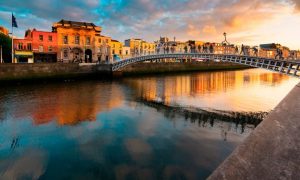
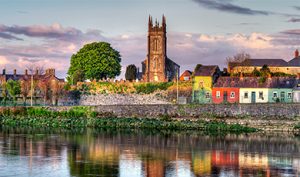













Terrible place to live in
Ok for a short stay but if you plan on moving here it is not a Good Idea. People in the Town don’t like outsiders and can Start trouble Just because you aren’t from here. IV lived in This Town for over 10 year’s and have had nothing but trouble, can’t get Work and Nights out are very hit or Miss, trouble is all over this place and I’d think carefully before relocation.
Ulster says no
This place is an absolute dump and should be avoided at all costs. Full of toothless junkies and other annoying leprechauns.
Drogheda is amazing
Drogheda is amazing for drugs you can get them all her
A city vibe with a town heart
I have lived here for the last 14 months and loving it after living for 6 months in North Louth. I lived in Dublin for 30 years, Longford for 2 years, and Dundalk 6 months before I moved to Drogheda as I wanted to be closer to Dublin which is only 45 mins away. I am very happy here and surprised about how much I settled. Drogheda is a beautiful town with a lot of history. I have noticed a lot of cafes and restaurants but unfortunately due to Covid, I have not been unable to visit most of them. Interestingly it is a diverse town and I believe one of the most diverse towns in Ireland. The only problem is litter, which isn’t pleasing. The locals are very chatty which I guess is similar to most towns in Ireland. Drogheda has a large population and you really notice this with how busy the town can get and the traffic can also be challenging at times. Drogheda doesn’t feel like a small town like Longford or Dundalk as it has so much going on but it does have the local feel I am used to.
Great Location
Drogheda is a great location. The town has some lovely bars and restaurants. There are also interesting historic sights. Ancient abbeys, old town walls, barbican gates,a hill fort and museum. The hinterland includes a range of historical attractions including Newgrange, Monasterboice and the Boyne battle site. There are several world class golf courses near by. The seaside is only 5 minutes away. The crime rate is actually quite low. The town is very carefully policed due to a feud in 2020. The people involved in this feud have now been apprehended and are no longer a problem. Thus the town is now very safe.
Stay away for your own safety
Not safe here. There are regular collections for the IRA and woe to you if you refuse. Arms can be bought at some of the pubs. Drugs are freely available and there is an undercurrent of violence. Best to avoid unless you are a psychopathic Republican junkie.
I’ve lived in Drogheda for 17 years, like any other place there’s a few bad eggs, but the good outweigh the bad here. Drogheda has a bad reputation which is blown massively out of proportion. Everyone’s either really friendly or somewhat friendly and we’ll always ask how your day was even if your a stranger walking past we’ll give you a nod and a ‘how are you’, though I’ve met a few snobs, but not many. The risk of getting robbed or attacked is extremely low, and even walking at night is safe, Personally I’ve never had any bad experiences, and neither has anyone I know. People act like knife violence and getting randomly attacked is common but it’s not at all, we don’t go around carrying knifes or guns, the worst you’ll get is probably seeing some older teen smoke. But like any place it’s best to stay vigilant and avoid areas like Moneymore, The Ramparts, Rathmullan and Ballsgrove, especially Ballsgrove Hill and the 101 steps, after dark, during the day they are fine. Trust your gut, don’t entertain anyone sketchy and like We say ‘trouble only comes to you if you go looking for it.’ So as long as you’re not involved with bad crowds you’ll be fine. And we do love outside visitors!
Drogheda & especially nearby Dundalk should be avoided. Both to be honest have seen better days. Drug usage & young people with no outlook in life is commonplace sadly.
Louth in general is best avoided, there’s not much to see and it’s also the smallest county in the country.
Carlingford near the Northern Irish border is it’s only saving grace. It’s beautiful there, but that’s about all.
Shocking poverty that I've never seen on all my trips to Ireland. Be careful here
We visited Drogheda in the summer on our European holiday. We were a bit wary after hearing about the gang violence and bad reputation. In Dublin and Galway people told us to avoid Drogheda (we should have listened to them).
The majority of buildings in the centre seem to be derelict and boarded up but I actually noticed the shadow of a person lit up by candle light in a window that wasn’t boarded up. There seems to be a lot of poverty which is quite shocking and something I never saw in my trips to Ireland. There are no open public spaces in the whole town centre and a lot of homeless people. I was asked for money more than a dozen times the weekend we stayed. Inside a pub we noticed open drug taking outside on the street. A fight broke out in the pub we were in and the staff walked away and ignored it. There are Asian massage shops and small casinos on every street I saw and quite clearly they aren’t just offering massages. There are lots of pubs, bars and nightclubs, lots of takeaway food options but very little else.
To look on the positives I’m sure it’s a lot of fun to go out there if you’re young and wanted to party. We had a family and didn’t feel safe in some situations.
Is Drogheda really as charming as it sounds, or is it just another stop on the way to somewhere else? I can’t help but wonder if the history there makes up for how bustling it must feel.
There’s something about wandering through those ancient streets that feels like stepping back in time; I could almost hear the whispers of history at Laurence’s Gate.
Did you really find Newgrange as impressive as everyone says, or is it one of those places that benefits from the hype?
Spent an afternoon walking the old medieval walls and ended up on the River Boyne at dusk with sore feet and a cheap pint, strangely glad it doesn’t feel like a tourist postcard every five steps.
There’s something about sitting by the River Boyne and watching the light hit those old walls that really makes you feel the town’s history without it feeling like a museum.