


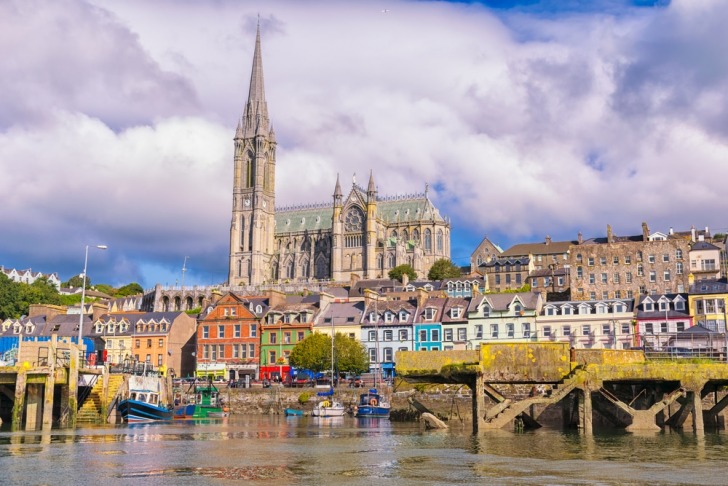
Cork sits in the southwest of Ireland, spread across branches of the River Lee before the water opens out toward Cork Harbour, one of the largest natural harbors in the world.
It is often described as Ireland’s second city, but it feels more relaxed, friendlier, and easier to manage than a major capital.
That is part of its charm.
You get historic streets, a strong food scene, traditional pubs, colorful neighborhoods, and quick access to coastal towns and green countryside without the intensity of a huge urban destination.
From my findings, Cork is generally a safe place to visit.
It does not have the reputation of a high risk city, and most travelers spend their time here enjoying markets, museums, churches, river walks, and day trips with little trouble.
The main safety issues are the usual urban ones: petty theft, late night drunken behavior, and occasional disorder in some central areas after dark.
Warnings & Dangers in Cork

OVERALL RISK: LOW
Cork is a low risk destination for most travelers. Violent crime affecting tourists is uncommon, and the city is considered one of the easier and safer urban stops in Ireland. Most visits are trouble free. The bigger issues tend to be minor theft, alcohol related disturbances at night, and weather related disruption during periods of heavy rain or storms.

TRANSPORT & TAXIS RISK: LOW
Public transport in Cork is generally safe, and licensed taxis are a reliable option, especially at night or when arriving from the airport. Buses and trains are widely used by locals and visitors. The main risk is not crime but delays, limited late night service on some routes, and the need to confirm that you are using an official taxi rather than accepting random rides.

PICKPOCKETS RISK: LOW
Pickpocketing is not one of Cork’s biggest dangers, but it can still happen in busy areas such as shopping streets, transport hubs, pubs, and crowded events. Travelers who leave phones on café tables or keep wallets in open pockets are taking the biggest risk. Stay alert in the city center and near nightlife areas, especially when crowds build late in the evening.

NATURAL DISASTERS RISK: LOW
Cork has low natural disaster risk in the classic sense, but weather can become a real travel issue. Heavy rain, Atlantic storms, and localized flooding can disrupt roads and daily plans, especially in low lying parts of the city and along the quays. This is more inconvenient than catastrophic for most visitors, but it is worth taking seriously in wetter months.

MUGGING RISK: LOW
Mugging risk in Cork is low. Most travelers will not face violent street crime, especially during the day in tourist friendly areas. That said, isolated intoxicated individuals or late night disorder can create uncomfortable situations in parts of the city center. Avoid wandering alone in poorly lit areas after a long night out, and do not flash cash or expensive devices.

TERRORISM RISK: LOW
The terrorism risk in Cork is low. Ireland is not considered a high threat destination compared with many larger European travel hubs. That said, no city is entirely free of security concerns, and visitors should still pay attention to official alerts, especially during major public events or political gatherings. For ordinary tourism, this is not a major day to day concern.

SCAMS RISK: LOW
Scam risk in Cork is low, particularly compared with heavily touristed cities elsewhere in Europe. Visitors are more likely to run into small scale issues such as overpaying for drinks, fake charity approaches, or opportunistic street requests than organized fraud. Use card payments where possible, book transport through reputable providers, and be cautious if a stranger creates urgency around money.

WOMEN TRAVELERS RISK: LOW
Cork is generally a comfortable destination for women traveling alone. The city is walkable, the local culture is fairly relaxed, and most tourist areas feel safe during the day. Standard caution still matters at night, especially around bars, clubs, and quieter streets after venues close. Solo women should watch their drinks, plan transport in advance, and avoid walking alone when intoxicated.

TAP WATER RISK: LOW
Tap water in Cork is safe to drink for most travelers. Ireland has strong water quality standards, and visitors generally do not need bottled water for safety reasons. The only exceptions would be temporary local advisories or people with especially sensitive stomachs who prefer to ease in carefully. Bringing a refillable bottle is usually practical and saves money.
Safest Places to Visit in Cork
City Center in Daylight
Cork’s city center is one of the easiest places for travelers to explore safely, especially during the day.
Areas around St Patrick’s Street, the Grand Parade, and the river crossings are busy, open, and full of shops, cafés, and foot traffic.
That constant activity usually makes visitors feel comfortable.
I would still stay aware of bags and phones, but it is a pleasant part of the city overall.
The English Market and Surrounding Streets
The English Market is one of the best places to get a feel for Cork while staying in a lively and relatively secure environment.
It attracts both locals and tourists, and the surrounding streets tend to stay active throughout the day.
It is ideal for food lovers, casual browsing, and anyone who wants a central stop without wandering into isolated areas.
University College Cork and Fitzgerald Park
The area around University College Cork feels calmer and more spacious than the commercial core.
Between the campus atmosphere, the nearby river, and Fitzgerald Park, this part of the city is a good choice for travelers who want a quieter walk.
It suits solo visitors, couples, and families who want scenery and culture without the heavier nightlife energy found downtown.
Shandon and Historic Sights
Shandon, with its famous tower, old streets, and strong local identity, is another rewarding place to visit.
During the day it feels safe for sightseeing and photography, and it offers a more historic side of Cork.
As with many cities, it is smartest to explore these areas during normal hours rather than very late at night when streets become quieter.
Places to Avoid in Cork
Parts of the City Center Late at Night
The main area to be careful with is not a full neighborhood to avoid during the day, but certain city center streets after pubs and clubs empty out.
Late night disorder, loud arguments, and intoxicated groups are more common then, especially around busy nightlife corridors.
A street that feels perfectly fine at 2 p.m. can feel very different after midnight.
MacCurtain Street and Nearby Nightlife Pockets
MacCurtain Street is popular and worth visiting, but it has also had periods of complaints about antisocial behavior and late night trouble.
That does not make it off limits, but I would treat it as an area where timing matters.
Go for restaurants, music, or atmosphere, but stay alert if you are there very late and avoid wandering alone after venues close.
Isolated Quays and Poorly Lit Areas
Because Cork is shaped by the river, some stretches along the quays can feel emptier than the main retail streets, especially in bad weather or at night.
These are not necessarily dangerous in broad daylight, but they are not where I would choose to linger alone after dark.
If roads are wet, windy, or quiet, use a taxi or stick to busier routes.
Flood Prone Low Lying Streets During Severe Weather
Some areas are worth avoiding only when conditions are bad.
Cork has a known history of flooding, and low lying streets near the river can become inconvenient or even unsafe during heavy rain and high water events.
If there is a weather warning in place, avoid unnecessary walking along exposed quays and follow local updates rather than assuming normal routes are fine.
Safety Tips for Traveling to Cork
- Stay alert after dark in the city center. Cork is usually safe, but late night behavior changes the atmosphere in some central streets. When bars empty out, drunken arguments and rowdy behavior are more likely. If you are out late, keep to busy areas, avoid getting drawn into street drama, and take a licensed taxi back if your accommodation is more than a short walk away.
- Use only licensed taxis or trusted transport apps. Cork’s official taxis are a safe choice, especially for airport trips or late evening travel. If a ride offer seems informal or rushed, skip it. It is better to wait a few minutes for a proper cab than to accept transport from someone you do not know.
- Protect your phone and wallet in crowded places. While Cork is not famous for pickpocketing, petty theft can happen anywhere people gather. Markets, busy pubs, bus stops, and shopping streets are the places where small mistakes get punished. Keep valuables zipped away and avoid placing your phone on tables near the edge or in loose jacket pockets.
- Check the weather before day trips. Cork’s weather can shift fast. Rain, wind, and occasional flood disruption can affect both city plans and coastal excursions. Even if the morning looks calm, afternoon conditions can change. A quick weather check can save you from being stuck in soaked clothes or navigating transport problems.
- Pack waterproof layers, not just warm clothes. Many travelers focus on temperature and forget how damp and windy southwest Ireland can feel. A light waterproof jacket, shoes with decent grip, and an extra layer matter more than bulky fashion pieces. Staying dry makes a huge difference to comfort and reduces the chance of slips on wet streets.
- Do not overdo the pub scene if you are alone. Cork has a great nightlife culture, but getting heavily drunk in an unfamiliar city is never a smart safety plan. Watch your drink, know how you are getting home, and keep enough battery on your phone for navigation or taxi booking. The risks rise fast once judgment drops.
- Respect riverfront and quay conditions in bad weather. Cork’s riverside setting is beautiful, but exposed, wet walkways and low lying roads become less friendly in storms or heavy rain. If warnings are issued, do not treat them as background noise. Local weather problems are one of the more realistic travel disruptions you might actually face here.
- Keep emergency basics saved on your phone. Save your accommodation address, a local taxi number, and emergency contacts before you head out. If you lose signal, get turned around, or need help quickly, you will not want to be searching from memory. This is especially useful if you have just arrived and are still learning the layout.
- Choose accommodation in central, well reviewed areas. Where you stay shapes how safe Cork feels. A hotel or guesthouse in a busy, well lit part of the city will make evening movement easier and reduce reliance on long walks through empty streets. Paying slightly more for a better location often improves both convenience and peace of mind.
- Trust your instincts and simplify your route. If a street feels off, too quiet, or unnecessarily chaotic, turn around and take another way. Cork is not a city where you need to prove anything. Safer travel often comes down to simple choices: staying in active areas, avoiding shortcuts late at night, and not letting embarrassment override common sense.
So... How Safe Is Cork Really?
Cork is, in practical terms, a safe destination for most travelers.
If you are comparing it with large, high pressure tourist cities where scams, aggressive theft, and violent street crime are major concerns, Cork feels much calmer.
The city’s reputation is built more on friendliness, culture, and an easygoing pace than on danger.
That does not mean it is risk free.
Some parts of the city center have dealt with antisocial behavior, shoplifting, public disorder, and complaints about late night street safety.
Those issues are real, but they tend to affect the feel of certain areas after dark more than the overall travel experience of the average visitor.
In other words, Cork’s problems are usually manageable rather than overwhelming.
The factor I would not ignore is weather.
Cork has a long relationship with flooding and storm disruption, and that can affect quays, traffic, and walking routes.
For many visitors, this is more likely to cause inconvenience than crime is.
My view is that Cork deserves a Low Risk rating overall.
Come with normal city awareness, be sensible around nightlife, keep an eye on the forecast, and you are very likely to have a smooth and enjoyable trip.
How Does Cork Compare?
| City | Safety Index |
|---|---|
 Cork Cork |
68 |
| Limerick |
85 |
| Dublin |
75 |
| Drogheda |
72 |
| Galway |
71 |
 Shepherdstown Shepherdstown | 83 |
| Winona Lake | 87 |
| Pooler | 86 |
| Weslaco | 68 |
| New Smyrna Beach | 84 |
| Norwich | 91 |
Useful Information

Visas
Ireland is not part of the Schengen system, so entry rules are separate from much of mainland Europe. Many tourists, including U.S. visitors, can enter visa free for short stays, often up to 90 days, but requirements depend on nationality. Always travel with a valid passport and proof of onward or return travel.

Currency
Cork uses the euro. Credit and debit cards are widely accepted, so you usually do not need much cash. If you exchange money, avoid airport counters unless necessary, since city based exchange options are often better value. ATMs are easy to find and are usually the simplest option for most travelers.

Weather
Cork has a mild but changeable climate. Summers are generally cool to pleasantly mild, while winters are chilly, damp, and windy rather than brutally cold. Rain is possible at any time of year. Pack layers, a waterproof jacket, and comfortable shoes that can handle wet pavement without turning your trip into a soggy mess.

Airports
Cork Airport is the main gateway for the city and sits a short drive from the center. It is easy to reach by taxi, and bus services connect the airport with the city center and major transport points. Some travelers also arrive through Dublin and continue south by train or coach, but flying into Cork is much simpler.

Travel Insurance
Travel insurance is a smart idea for Cork, even though the city is low risk overall. Insurance can help with flight delays, lost baggage, medical issues, theft, and weather related disruption. Because storms and flooding can occasionally affect transport, it is worth having a policy that covers cancellation and unexpected travel changes.
Cork Weather Averages (Temperatures)
Average High/Low Temperature
| Temperature / Month | Jan | Feb | Mar | Apr | May | Jun | Jul | Aug | Sep | Oct | Nov | Dec |
|---|---|---|---|---|---|---|---|---|---|---|---|---|
| High °C |
8 | 8 | 10 | 12 | 14 | 17 | 19 | 19 | 17 | 14 | 11 | 9 |
| Low °C |
3 | 3 | 4 | 5 | 7 | 10 | 12 | 12 | 10 | 8 | 5 | 4 |
| High °F |
46 | 46 | 50 | 54 | 57 | 63 | 66 | 66 | 63 | 57 | 52 | 48 |
| Low °F |
37 | 37 | 39 | 41 | 45 | 50 | 54 | 54 | 50 | 46 | 41 | 39 |
Ireland - Safety by City
| City | Safety Index |
|---|---|
| Cork | 68 |
| Drogheda | 72 |
| Dublin | 75 |
| Galway | 71 |
| Limerick | 85 |














Small, quite, and far less risk that this website suggests
I have grown up, and lived in the small city of cork my entire life, and cork city is NOT a “medium” risk for pickpockets, not only have I never been a victim of this in the36 years I’ve lived here, but I have never heard of anybody else who’s been a victim of pickpocketing, cork is not big, or does it have huge crowds of people on the street, which would make pickpocketing easy, Cork City is a quiet place, that harbors no risk for tourists, and certainly no risk of pickpocketing, or mugging. Somebody would have to be extremely unlucky to become a victim of either crime. I’m not sure how up to date this page is, but those medium risks seem very much overstated.
Cork is a lovely place, come visit 🙂 I’m sure you’ll find the people friendly and helpful.
Safe for tourists
Criminals in Cork are generally unlikely to target tourists or adults, but for younger people and teenagers there is a medium risk of being robbed if you’re just hanging around town, especially after dark or at the north side of the city limits.
I’ve never heard of anyone being pick-pocketed, and muggings only ever occur with knife blades or unarmed – criminals will only target those who look like they won’t report to the authorities.
In general it’s a very safe city as there aren’t large crowds and nothing other than your accent will make you directly stand out as a tourist.
Having lived there all my life I would safely say that pickpockets hardly exist at all in Cork. You would need to be careful after dark in the city centre. Generally its fine but you’d want to avoid drunks or groups of young kids. In general its pretty safe, extremely safe during the day. People are also very friendly and helpful if you have an issue or get lost.
Did you really get to soak in the local culture while you were there? It sounds like there’s so much to explore in Cork!
The coastal environment and maritime history bits are real, the beautiful people had me laughing and I honestly never got bored.
The quiet river walk at sunset and the hum of the market made me unexpectedly teary and oddly comforted.
I wasn’t expecting the river walks to be so peaceful, especially when the city center can get a bit lively at night, which made me think about how some places manage to blend calm with a buzz in such a natural way.
Stopped by a pub in the evening and honestly, the chill vibe even when people were winding down made the whole place feel way less hectic than other cities I’ve been to.