


 Netherlands : Safety by City
Netherlands - safety as a country
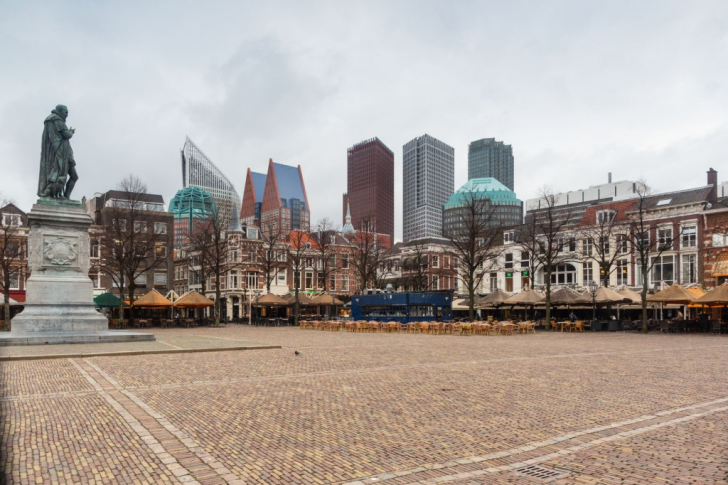
The Hague sits on the western coast of the Netherlands, just inland from the North Sea, and manages to feel elegant, political, and relaxed all at once.
It is the country’s seat of government, home to embassies, royal landmarks, international courts, and one of the most famous beach districts in the country, Scheveningen.
That mix gives the city an interesting personality.
One minute you are walking past stately buildings and museums, the next you are watching surfers and eating fries by the sea.
From a traveler’s point of view, The Hague is one of those places that feels organized and calm, which already helps on the safety front.
Still, like any major European city, it is not perfect.
Petty theft, tourist-targeted distraction scams, and late-night trouble in certain areas can happen, so it pays to stay alert.
Warnings & Dangers in The Hague

OVERALL RISK: LOW
The Hague is generally a low-risk destination for travelers. Violent crime affecting tourists is uncommon, public infrastructure is strong, and the city is well-policed and easy to navigate. Most issues visitors run into are minor, such as pickpocketing, bike theft, or confusion around transit. If you use normal city awareness, The Hague is usually a very comfortable place to visit.

TRANSPORT & TAXIS RISK: LOW
Public transportation in The Hague is reliable, widespread, and usually very safe. Trams and buses are easy to use, and official taxis are regulated. The main transport risks are practical rather than dangerous: unlicensed rides, inflated fares if you are careless, or theft when distracted in stations. Stick to official taxi ranks or app-based bookings and you should be fine.

PICKPOCKETS RISK: MEDIUM
Pickpocketing is one of the more realistic concerns for visitors, especially in busy transit hubs, on crowded trams, and around popular areas such as the city center and Scheveningen during peak tourist season. It is not nonstop chaos, but it does happen often enough that I would not treat it lightly. Keep your phone and wallet secure and avoid open bags.

NATURAL DISASTERS RISK: LOW
The Hague has a low natural disaster risk by international travel standards. You are not dealing with earthquakes, volcanoes, or major tropical storms. The more realistic concerns are strong winds, heavy rain, and occasional coastal storms, especially in colder months. Flood protection in the Netherlands is world-famous, but nasty weather can still disrupt beach plans and transport schedules.

MUGGING RISK: LOW
Muggings are not a major issue for most tourists in The Hague. Serious street crime is relatively limited, especially in the main areas most visitors stick to. That said, late at night in quieter streets, near some stations, or after too much nightlife, your risk rises a bit. It is the usual rule: stay aware, avoid flashing valuables, and do not wander aimlessly when drunk.

TERRORISM RISK: MEDIUM
Like many cities in Western Europe, The Hague carries a terrorism risk that authorities take seriously. Tourists are unlikely to be directly affected in day-to-day travel, but crowded places such as transit hubs, public events, shopping areas, and major institutions are the kinds of locations that receive the most attention. This is not a reason to cancel a trip, just a reason to stay alert.

SCAMS RISK: LOW
Scams exist, but The Hague is not one of those cities where tourists are under siege every five minutes. The most likely issues are distraction theft, fake charity approaches, overpriced unofficial rides, and occasional card-payment tricks. Most businesses are straightforward and honest. Use contactless or chip payments in reputable places, and be cautious if anyone tries to rush or distract you.

WOMEN TRAVELERS RISK: LOW
The Hague is usually a comfortable destination for women traveling alone. Streets are busy in central areas, public transport is well-used, and the overall atmosphere is more orderly than intimidating. Usual precautions still apply, especially late at night or after bars close. I would say solo women travelers can enjoy the city with confidence, particularly if they stay in central, well-reviewed areas.

TAP WATER RISK: LOW
Tap water in The Hague is considered safe to drink, and many travelers use it without a second thought. This is one of those destinations where buying bottled water constantly is more about habit than necessity. Bring a reusable bottle if you want to save money. If the taste seems different from what you are used to, that is normal, not usually a safety issue.
Safest Places to Visit in The Hague
Centrum and the Museum Quarter
The city center is one of the easiest places for tourists to explore.
Around Binnenhof, Hofvijver, Noordeinde, and the museum district, you get broad public spaces, steady foot traffic, and plenty of official presence.
It feels polished and active, especially during the day.
I like this part of town for first-time visitors because you are surrounded by landmarks without feeling isolated.
Scheveningen
Scheveningen is the famous beach district, and while crowded tourist areas always attract a bit of petty theft, it is still one of the safest and most enjoyable parts of The Hague for most visitors.
The promenade, pier, beach clubs, and seafront are lively and easygoing.
Families, couples, and solo travelers all mix here, and it rarely feels threatening, just busy.
Statenkwartier
If you want a calm, attractive neighborhood with a more residential feel, Statenkwartier is a great pick.
It has elegant streets, a polished atmosphere, good cafés, and easy access to cultural attractions.
It is the kind of area where travelers who prefer a quieter base tend to feel very comfortable.
It is also handy for those wanting a break from the busiest tourist zones.
Kijkduin and the Dune Areas
Kijkduin is more relaxed than Scheveningen and feels less hectic.
If your idea of safety includes fewer crowds and a quieter coastal environment, this area works well.
The dunes and beach paths are beautiful, especially in daylight.
It is better for slow walks, scenic views, and laid-back travel rather than nightlife, which for many visitors is exactly the point.
Places to Avoid in The Hague
Parts of Laak
Laak is not some no-go war zone, but it is one of the areas that comes up more often when people talk about a rougher edge in The Hague.
Travelers usually do not have much reason to spend time here, especially late at night.
If you pass through, it is usually fine, but I would not choose it as a hotel base for a relaxed tourist trip.
Areas Around Hollands Spoor Late at Night
Stations everywhere attract a mix of people, and Hollands Spoor can feel less comfortable after dark than it does during the day.
This does not mean disaster is waiting outside the doors, but the area can attract loitering, petty theft, and the kind of late-night atmosphere that makes distracted travelers easy targets.
Keep moving, stay aware, and avoid hanging around unnecessarily.
Some Parts of Schilderswijk and Escamp
These districts are large and varied, so it would be unfair to label them all dangerous.
Still, certain pockets have a rougher reputation than the neighborhoods most tourists stay in.
The main issue is not that visitors are certain to face serious crime, but that the atmosphere can feel less comfortable, especially at night, with fewer reasons for tourists to be there in the first place.
Isolated Beach or Park Areas After Dark
The Hague’s parks, dunes, and beachfront are lovely, but quiet outdoor areas become less ideal once the crowds disappear.
This is more about common sense than an official danger map.
If you are walking alone late at night near isolated stretches of beach, parkland, or dunes, you are better off choosing a busier route or taking transport instead.
Safety Tips for Traveling to The Hague
- Watch your belongings on trams and in stations. The Hague’s public transport is excellent, but crowded trams and transport hubs are also the easiest places for petty thieves to work. Keep your phone out of back pockets, zip your bag fully, and do not leave purses hanging open while checking route maps or tickets.
- Use official taxis or trusted ride apps. Most taxi trips in The Hague are straightforward, but it is always smarter to use licensed taxis from marked ranks or book through a reputable app. Do not jump into random cars offering rides near stations or nightlife areas.
- Choose your hotel location carefully. A good neighborhood makes a huge difference. Staying in Centrum, Scheveningen, or another well-reviewed central area means better lighting, easier transport, and fewer situations where you are walking through unfamiliar quiet streets late at night.
- Stay alert in crowded tourist zones. Busy areas feel safe because lots of people are around, but that also makes them prime spots for distraction theft. On the beach promenade, in shopping streets, or during events, keep bags close and avoid placing your phone on café tables.
- Do not assume bike lanes are harmless. This sounds funny until you nearly get flattened by a fast cyclist. Dutch cities take cycling seriously, and bike lanes are not decorative. Look carefully before stepping across them, especially near tram stops and busy intersections.
- Avoid wandering aimlessly after nightlife. The Hague is not particularly wild, but being drunk, tired, and lost is a bad combo anywhere. If you are out late, know how you are getting back before you start the evening. A short taxi ride is often worth it.
- Keep an eye on weather if heading to the coast. Scheveningen and Kijkduin are wonderful, but coastal weather changes quickly. Wind, rain, and rough conditions can turn a relaxed beach afternoon into a miserable one. Bring layers, and if conditions look bad, do not push your luck near the water.
- Be cautious with cash and card use. The Netherlands is very card-friendly, so there is no need to carry a huge amount of cash. Use bank ATMs rather than isolated exchange shops, and check payment terminals before tapping or inserting your card if something seems off.
- Respect local rules and transport etiquette. Safety is not just about avoiding crime. It is also about avoiding problems. Follow tram and bus rules, buy proper tickets, and pay attention in stations. Dutch cities tend to work smoothly when everyone follows the system, and travelers benefit from that.
- Follow official alerts during major events. The Hague hosts political events, demonstrations, and international gatherings more often than the average city. Most of these cause inconvenience rather than danger, but it is smart to monitor local updates if you see large police presence, road closures, or unusual security activity.
So... How Safe Is The Hague Really?
The Hague is, in my view, a genuinely safe destination for most travelers.
It has the infrastructure, orderliness, and public services that make a city feel manageable even if it is your first visit.
Public transport is good, healthcare standards are high, the tap water is drinkable, and the overall level of street violence affecting tourists is low.
That already places it well above many big-city destinations around the world.
Where The Hague becomes less ideal is in the same places many European cities do: petty theft in busy areas, some neighborhood differences in comfort level, and a broader terrorism alert environment that applies across the Netherlands.
That sounds dramatic on paper, but for most visitors it changes very little in day-to-day experience beyond being more aware in crowded public places.
The city also benefits from being less overwhelmed by mass tourism than places like Amsterdam, which helps.
You can still move around easily without feeling swallowed by crowds all the time.
If you choose a smart base, keep an eye on your belongings, and avoid careless late-night wandering, The Hague is the kind of place where most trips go very smoothly.
Overall, I would rate it as a low-risk destination with a few medium-risk urban annoyances rather than major safety threats.
How Does The Hague Compare?
| City | Safety Index |
|---|---|
| The Hague |
90 |
| Groningen |
85 |
| Maastricht |
87 |
| Rotterdam |
63 |
| Utrecht |
88 |
| Delft |
88 |
| Amsterdam |
78 |
 Curitiba Curitiba | 51 |
 Chino Hills Chino Hills | 82 |
| Peachtree City | 89 |
 Shenzhen Shenzhen | 64 |
| Durham | 84 |
| Carthage | 80 |
Useful Information

Visas
The Hague follows the Netherlands’ entry rules, so whether you need a visa depends on your nationality. Many visitors can enter the Schengen Area visa-free for short stays, while others need a short-stay Schengen visa. If you do need one, apply before travel and check passport validity carefully, since entry rules are strict.

Currency
The currency in The Hague is the euro. Card payments are widely accepted, so you usually do not need much cash. If you want euros, use bank ATMs rather than airport exchange counters with poor rates. Carry a small amount for convenience, but this is not a destination where a thick wad of cash makes much sense.

Weather
The Hague has a cool maritime climate, which is a polite way of saying the weather likes to change its mind. Summers are mild rather than blazing, winters are chilly, and wind off the North Sea is common. Pack layers, a light waterproof jacket, and comfortable shoes. Even in warmer months, evenings can feel cooler than expected.

Airports
Most international travelers reach The Hague through Amsterdam Schiphol Airport, which has frequent train connections toward the city. Rotterdam The Hague Airport is a closer option for some routes and can be convenient for regional travel. From either airport, public transport is usually the easiest and most efficient way into the city.

Travel Insurance
I would absolutely get travel insurance for a trip to The Hague. Even in a low-risk destination, delays, lost luggage, medical issues, and theft can happen. If you need a Schengen visa, insurance may also be part of the entry requirements. A solid policy is one of the least exciting purchases you make, but one of the smartest.
The Hague Weather Averages (Temperatures)
Average High/Low Temperature
| Temperature / Month | Jan | Feb | Mar | Apr | May | Jun | Jul | Aug | Sep | Oct | Nov | Dec |
|---|---|---|---|---|---|---|---|---|---|---|---|---|
| High °C |
5 | 6 | 9 | 12 | 16 | 18 | 21 | 21 | 18 | 14 | 9 | 6 |
| Low °C |
0 | 0 | 2 | 4 | 7 | 10 | 12 | 12 | 10 | 7 | 4 | 2 |
| High °F |
41 | 43 | 48 | 54 | 61 | 64 | 70 | 70 | 64 | 57 | 48 | 43 |
| Low °F |
32 | 32 | 36 | 39 | 45 | 50 | 54 | 54 | 50 | 45 | 39 | 36 |
Netherlands - Safety by City
| City | Safety Index |
|---|---|
| Amsterdam | 78 |
| Delft | 88 |
| Eindhoven | 85 |
| Groningen | 85 |
| Maastricht | 87 |
| Rotterdam | 63 |
| The Hague | 90 |
| Utrecht | 88 |













One of the safest cities on earth
While I agree that terrorist attacks can’t be ruled out completely anywhere in the world, I think The Hague is one of the safest places to visit. I wonder why the police here doesn’t do a better job of taking care of that big gang of pickpockets? I saw them in action and think that with some undercover police this could be solved or drastically reduced. Anyway, this place is safe and beautiful and there are many points of attraction.
Strolling through The Hague really made me appreciate how much history and culture is packed into a city that doesn’t feel overrun by tourists.
There’s something special about wandering around The Hague; it feels really vibrant yet chill at the same time.
Strolling past the International Court of Justice and the quiet embassies made me smile, that mellow mix of government and culture feels like a cozy secret in the western part of the country.
Has anyone else felt oddly proud and a bit overwhelmed seeing the International Court of Justice up close, like this quiet, not overly touristy city somehow carries big international weight?
Walking past the International Court of Justice and the neat lines of embassies made me feel unexpectedly calm and more tuned into the city’s cultural, international side.
That cold salty breeze off Scheveningen always makes me slow down and feel oddly peaceful, even when the politicians and diplomats rush by.
Shared fries with a cheeky seagull at Scheveningen and felt surprisingly relaxed wandering past those grand buildings afterward.
Is it really as relaxed as you say though, since I’ve heard Scheveningen can get pretty chaotic on weekends with crowds and noise?