


 India : Safety by City
- Agra
- Ahmedabad
- Bangalore
- Chandigarh
- Chennai
- Delhi
- Goa
- Gurgaon
- Hyderabad
- Jaipur
- Kerala
- Kochi
- Kolkata
- Kolkatta
- Mangalore
- Mumbai
- Navi Mumbai
- Noida
- Pune
- Surat
- Thiruvananthapuram
- Udaipur
- Vadodara
- Varanasi
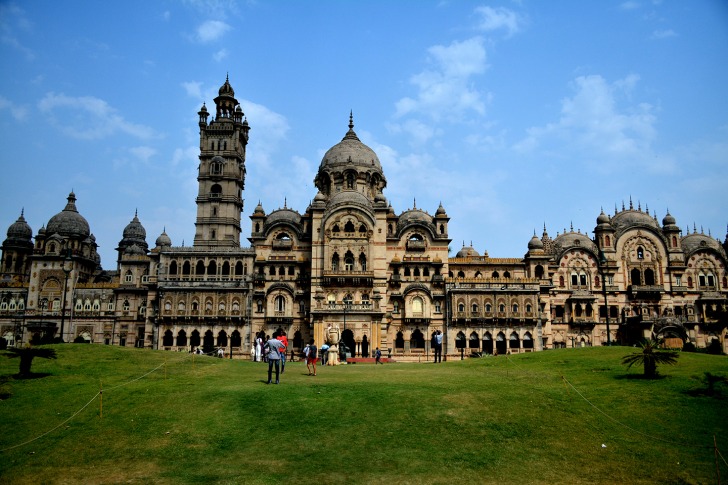
Vadodara, still affectionately called Baroda by many locals, sits in the western Indian state of Gujarat between Ahmedabad and Mumbai.
It is known for royal history, broad roads, lively markets, and one of India’s most impressive palaces.
Compared with some of India’s bigger, more chaotic urban centers, Vadodara often feels calmer and easier to navigate, which is part of its appeal for travelers who want culture without the nonstop intensity of a megacity.
That said, this is still an Indian city where travelers need a bit of street sense.
Heat can be intense, monsoon season can create flooding issues in some areas, traffic can be unruly, and food and water precautions matter.
In my view, Vadodara is not a place that should scare sensible tourists, but it is a place that rewards preparation.
If you stay alert, use good transport choices, and respect local customs, it can be a very manageable and rewarding destination.
Warnings & Dangers in Vadodara

OVERALL RISK: LOW
Vadodara is generally one of the more manageable city destinations in India for travelers. Violent crime against tourists is not the main concern here. The bigger issues are traffic, heat, occasional petty theft in crowded areas, and health risks from unsafe water or food. Most visitors who plan well and use basic precautions should feel reasonably comfortable.

TRANSPORT & TAXIS RISK: MEDIUM
Getting around Vadodara is usually straightforward, but transport requires attention. Auto-rickshaws, taxis, and app-based rides are common, though traffic can be aggressive and road rules can feel flexible. Night arrivals are safer with a pre-booked ride. Public transport is available, but first-time visitors may find private rides easier, especially with luggage or after dark.

PICKPOCKETS RISK: MEDIUM
Pickpocketing is not the defining danger in Vadodara, but it can happen in crowded places such as markets, train stations, bus stands, and festival gatherings. Travelers carrying phones, wallets, or passports in open bags may be easy targets. The risk is manageable if you use zipped bags, avoid flashing valuables, and stay alert in dense crowds.

NATURAL DISASTERS RISK: MEDIUM
The main natural risk in Vadodara is not earthquakes or cyclones on a daily basis, but seasonal flooding during heavy monsoon periods. Areas around the Vishwamitri River can become more vulnerable when the rains are intense. Extreme summer heat is another issue. Most travelers will be fine, but timing your trip and watching weather conditions matters.

MUGGING RISK: LOW
Mugging is not usually the top safety issue for tourists in Vadodara. Most visitors are more likely to deal with nuisance behavior, overcharging, or petty theft than direct street robbery. Still, poorly lit roads, deserted areas, and late-night walks near transit points are best avoided. Use a car or ride service instead of wandering unfamiliar areas at night.

TERRORISM RISK: MEDIUM
Like most Indian cities, Vadodara cannot be treated as risk-free when it comes to terrorism, especially during large public events, political gatherings, or religious festivals. This is more of a background risk than a daily traveler concern. Staying aware of local news, avoiding crowds during tense periods, and following police instructions is the sensible approach.

SCAMS RISK: MEDIUM
Scams in Vadodara are usually low-level rather than elaborate. Think inflated taxi fares, friendly strangers offering unwanted help, or sellers pushing overpriced goods. Tourists unfamiliar with local prices can pay more than necessary. The best defense is simple: use app rides when possible, confirm prices before accepting services, and politely walk away from pushy offers.

WOMEN TRAVELERS RISK: MEDIUM
Vadodara is often considered safer than many larger Indian cities, but female travelers should still stay cautious, especially after dark. Unwanted attention, staring, and boundary-pushing behavior can happen. Dressing modestly, using trusted transport, avoiding isolated streets at night, and choosing well-reviewed accommodation all help. Many women visit safely, but extra vigilance is wise.

TAP WATER RISK: HIGH
This is one category where I would not gamble. Travelers should avoid drinking tap water in Vadodara. Stick to sealed bottled water or properly filtered water and be cautious with ice, uncooked foods washed in tap water, and drinks from places with uncertain hygiene. Stomach problems are one of the most likely travel disruptions here.
Safest Places to Visit in Vadodara
Laxmi Vilas Palace Area
If you want the classic Vadodara experience, this is where I would start.
The palace grounds and surrounding visitor areas are among the city’s biggest draws, and they are generally comfortable for daytime sightseeing.
The area attracts tourists, families, and history lovers, which usually creates a more relaxed environment than an isolated neighborhood street.
Sayaji Baug and Baroda Museum
Sayaji Baug, also called Kamati Baug, is one of the better spots for travelers who want a public space with a lighter atmosphere.
The large garden, museum, and picture gallery give you a mix of culture and open space, which is perfect when you want a break from traffic and noise.
Daytime visits feel easiest and most comfortable.
Alkapuri
Alkapuri is one of the better-known commercial neighborhoods for visitors because it has hotels, restaurants, shops, and a more polished city feel.
It is a practical base if you want access to services without feeling too far from the main urban action.
It tends to feel busier and better lit than quieter backstreets in older parts of town.
Sayajigunj
Sayajigunj is another sensible area for travelers because it is active, central, and connected to key parts of the city.
Business activity, shops, and regular movement can make it feel more comfortable than deserted areas.
As always, it is best during the day or early evening, but it remains one of the easier places for visitors to navigate.
Places to Avoid in Vadodara
Around the Railway Station Late at Night
Transit areas are where travelers most often let their guard down.
Around the railway station, especially late at night, you are more likely to run into loitering, overcharging, confusion, and petty theft.
It is not necessarily a no-go zone, but it is not the place to stand around with bags, look lost, or negotiate with random touts.
Isolated Roads Near Older Market Zones After Dark
Older parts of the city can be fascinating during the day, but some narrower roads and less-trafficked stretches feel less comfortable at night.
Once shops shut and foot traffic drops, these areas can become quiet fast.
Travelers should avoid wandering there casually after dark, especially alone or without a clear sense of direction.
Riverbank and Flood-Prone Areas During Heavy Monsoon
During the monsoon, caution matters more than neighborhood reputation. Areas closer to the Vishwamitri River can become more problematic during heavy rainfall.
Even if the city feels calm overall, waterlogging, traffic disruptions, and local flooding can change conditions quickly.
If you visit during the monsoon season, avoid low-lying areas when rain alerts are active.
Poorly Lit Side Streets Outside Main Commercial Areas
Vadodara’s better-known commercial districts are usually easier for travelers, but once you leave those corridors, some streets can feel deserted or dim at night.
This is where common sense matters.
If a street looks empty, badly lit, or confusing, do not treat it like a sightseeing detour.
Turn back and use a ride instead.
Safety Tips for Traveling to Vadodara
- Use sealed drinking water only. This is the most important health rule for many visitors. Buy bottled water with the seal intact or use trusted filtered water. Avoid tap water, questionable ice, and salads or fruit that may have been washed in unsafe water.
- Pre-book airport and late-night transport. Vadodara Airport is close to the city, but arriving tired and trying to bargain on the spot is how travelers get overcharged or stressed. Book a hotel pickup or use a reliable ride app, especially at night.
- Dress modestly and practically. Vadodara is not the most conservative place in India, but modest clothing still helps you blend in and reduce unwanted attention. Light, breathable clothes that cover shoulders and knees are a smart choice for comfort and local fit.
- Keep valuables out of sight. Do not carry your phone in your back pocket or leave your bag open in markets and stations. A crossbody bag with zippers works well. Carry only what you need for the day and keep a copy of important documents.
- Be extra cautious at train stations and bus hubs. These are the places where confusion helps scammers and petty thieves. Ignore unsolicited helpers, confirm your platform or ride details yourself, and keep your bags physically attached to you.
- Avoid wandering alone late at night. Vadodara is not wildly dangerous, but there is little benefit in testing your luck on empty roads or unfamiliar lanes after dark. If you are out late, use a trusted car or auto-rickshaw rather than walking.
- Plan around the weather. Summer heat can be draining, and monsoon rains can disrupt movement. Carry water, use sunscreen, and schedule walking-heavy sightseeing for mornings. In rainy months, check conditions before heading toward low-lying or river-adjacent areas.
- Eat where turnover is high, and hygiene looks solid. Street food can be tempting, but choose stalls or restaurants that look busy and clean. Freshly cooked hot food is usually a safer bet than something sitting out. A small medicine kit for stomach issues is worth packing.
- Respect local rules and customs. Gujarat has stricter alcohol rules than many travelers expect, so do not assume the nightlife works like other Indian states. Also be respectful at religious sites, remove shoes when required, and avoid loud or careless behavior in traditional spaces.
- Trust your instincts and leave awkward situations early. If a person feels too pushy, a deal feels off, or a place feels wrong, leave. Travelers often get into trouble not because a city is especially dangerous, but because they stay in an uncomfortable situation longer than they should.
So... How Safe Is Vadodara Really?
Vadodara is one of those cities that I would describe as manageable rather than carefree.
It does not usually rank as an intimidating destination for tourists, and compared with India’s biggest urban giants, it can feel calmer, less overwhelming, and easier to navigate.
That is the good news.
The reality, though, is that safety in Vadodara depends less on dramatic crime and more on everyday travel judgment.
Petty theft is possible in crowded transit zones, women should use extra caution at night, road traffic can be stressful, and food and water issues are far more likely to affect your trip than a mugging.
Seasonal flooding is also a real factor during heavy monsoon periods, especially in areas linked to the Vishwamitri River.
So my honest take is this: Vadodara is reasonably safe for tourists who travel smart.
It is not the kind of destination where I would tell someone to stay home, but it is also not a place for careless travel habits.
Stay in a good area, use trusted transport, avoid tap water, and be cautious after dark.
Do that, and Vadodara can feel far more welcoming than many first-time visitors expect.
How Does Vadodara Compare?
| City | Safety Index |
|---|---|
| Vadodara |
71 |
| Agra |
50 |
| Pune |
74 |
| Varanasi |
58 |
| Goa |
66 |
| Surat |
80 |
| Thiruvananthapuram |
71 |
 Tucker’s Town Tucker’s Town | 90 |
 Milton Milton | 87 |
| Minnesota | 74 |
 Porto-Novo Porto-Novo | 68 |
| Camden | 86 |
| Clear Lake | 84 |
Useful Information

Visas
Most foreign tourists visiting India need a visa, and many nationalities can use India’s e-Visa system. Tourist options commonly include 30-day, 1-year, and longer-validity categories, with fees varying by nationality and visa type. Apply online through the official process, upload your documents, and wait for an electronic travel authorization before flying.

Currency
Vadodara uses the Indian Rupee. Cash is still useful for small purchases, auto-rickshaws, and local markets, though cards and digital payments are common in hotels and larger businesses. Exchange money at airports, banks, or authorized exchange counters, and avoid casual street changers. Carry smaller notes so you do not run into constant change problems.

Weather
Vadodara is hottest from roughly March to June, with temperatures that can become exhausting by midday. Monsoon season brings humidity and heavy rain, while the coolest and most comfortable stretch is usually from October to February. Pack light cotton clothing, sun protection, and a compact umbrella if you are visiting during the rainy season.

Airports
Vadodara Airport, also known as Harni Airport, is the main air gateway for the city. It is relatively close to central areas, with the railway station and major transport points only a short drive away. Taxis, auto-rickshaws, and city buses connect the airport to town, but most travelers find pre-booked taxis or app rides the simplest option.

Travel Insurance
Travel insurance is worth it for Vadodara, even if you expect a smooth trip. The biggest reasons are medical issues, trip delays, lost baggage, and disruptions caused by weather or transport problems. A good policy can also help if you need emergency treatment for food poisoning, heat-related illness, or unexpected cancellations.
Vadodara Weather Averages (Temperatures)
Average High/Low Temperature
| Temperature / Month | Jan | Feb | Mar | Apr | May | Jun | Jul | Aug | Sep | Oct | Nov | Dec |
|---|---|---|---|---|---|---|---|---|---|---|---|---|
| High °C |
28 | 33 | 35 | 40 | 40 | 37 | 32 | 29 | 30 | 33 | 32 | 29 |
| Low °C |
14 | 17 | 19 | 24 | 25 | 26 | 25 | 24 | 24 | 23 | 21 | 16 |
| High °F |
82 | 91 | 95 | 104 | 104 | 99 | 90 | 84 | 86 | 91 | 90 | 84 |
| Low °F |
57 | 63 | 66 | 75 | 77 | 79 | 77 | 75 | 75 | 73 | 70 | 61 |
India - Safety by City
| City | Safety Index |
|---|---|
| Agra | 50 |
| Ahmedabad | 67 |
| Bangalore | 60 |
| Chandigarh | 77 |
| Chennai | 50 |
| Delhi | 50 |
| Goa | 66 |
| Gurgaon | 71 |
| Hyderabad | 60 |
| Jaipur | 53 |
| Kerala | 74 |
| Kochi | 70 |
| Kolkata | 49 |
| Kolkatta | 48 |
| Mangalore | 75 |
| Mumbai | 55 |
| Navi Mumbai | 80 |
| Noida | 71 |
| Pune | 74 |
| Surat | 80 |
| Thiruvananthapuram | 71 |
| Udaipur | 72 |
| Vadodara | 71 |
| Varanasi | 58 |














Can't wait to go!
Hi! Haven’t been yet, but have used this site for previous trips and will be doing so again. I’m sure it is safe, just follow the tips given in the article!
Gujarat is a beautiful state located in western India, known for its vibrant culture, rich history, and breathtaking natural beauty. Several places in Gujarat are worth visiting, and each has its unique charm and appeal.
One of the most popular destinations in Gujarat is the city of Ahmedabad, which is known for its stunning architecture, delicious food, and colourful markets. The Sabarmati Ashram, which was once home to Mahatma Gandhi, is also located in Ahmedabad and is a must-visit for anyone interested in Indian history and culture.
Another must-visit destination in Gujarat is the Rann of Kutch, a vast desert region that is famous for its salt flats and stunning sunsets. Visitors can take a camel ride across the desert, explore the local villages, and even stay in a traditional mud hut.
The city of Bhuj is also worth visiting, as it is home to several historic landmarks such as the Aina Mahal and Prag Mahal. The city is also known for its handicrafts, including intricate embroidery and pottery.
For nature lovers, the Gir Forest National Park is a must-visit destination. The park is home to several wildlife species, including the majestic Asiatic lion, as well as several species of deer, antelope, and birds.
In addition to these destinations, Gujarat is also home to several beautiful beaches, including Mandvi Beach, Somnath Beach, and Dwarka Beach, which offer a perfect retreat for those looking to relax and unwind.
Overall, Gujarat offers a unique blend of history, culture, and natural beauty, making it a must-visit destination for anyone travelling to India
Simon Yamare from Papua New Guinea 🇵🇬
Stumbling around Vadodara feels like flipping through a history book with each street you wander down; you never know what little nugget of culture or industry you’ll find next.
There’s such a unique vibe in Vadodara; the mix of history and culture really makes every corner feel special.
Walking along the Vishwamitri River gave me this warm, slightly strange nostalgia as the big institutions and older parts of the city bumped together, and it made me want to get lost down every side street.
The palace still takes my breath away and the intense midday heat has me gulping water while dodging the usual unruly traffic, but the calmer streets and lively markets make it worth the hassle.