


 India : Safety by City
- Agra
- Ahmedabad
- Bangalore
- Chandigarh
- Chennai
- Delhi
- Goa
- Gurgaon
- Hyderabad
- Jaipur
- Kerala
- Kochi
- Kolkata
- Kolkatta
- Mangalore
- Mumbai
- Navi Mumbai
- Noida
- Pune
- Surat
- Thiruvananthapuram
- Udaipur
- Vadodara
- Varanasi
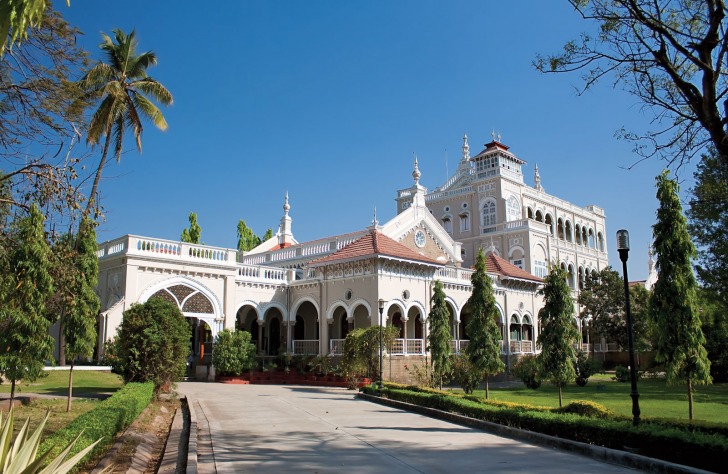
Pune sits in the western Indian state of Maharashtra, southeast of Mumbai, where old-world heritage, university energy, military history, and a booming tech scene all overlap in one fast-moving city.
It is often described as a softer, more manageable alternative to Mumbai, and I think that comparison helps first-time visitors a lot.
Pune has leafy neighborhoods, historic temples, food streets, modern malls, and weekend escapes into the hills, but it also has the usual big-city India challenges: traffic, monsoon flooding, petty scams, and the need for everyday street awareness.
In my view, Pune is not a place that should scare travelers away, but it is definitely a place where smart habits matter.
Most visits go smoothly, especially for travelers who plan transportation carefully, stay in well-known areas, and respect the rhythm of the city rather than fighting it.
Warnings & Dangers in Pune

OVERALL RISK: MEDIUM
Pune is generally safer than many larger Indian cities for tourists, but it is not risk-free. Most travelers are more likely to deal with traffic stress, aggressive driving, scams, and health issues than serious violent crime. Good planning goes a long way here. Stay alert, book transport through trusted apps, and avoid wandering unfamiliar areas late at night.

TRANSPORT & TAXIS RISK: MEDIUM
Transport in Pune is workable, but the real issue is not usually crime, it is chaos. Traffic can be intense, road discipline can feel loose, and crossing streets often takes patience and nerve. App-based taxis are usually the safest bet. Auto-rickshaws can be convenient, but fare disputes and unnecessary detours do happen.

PICKPOCKETS RISK: MEDIUM
Pickpocketing is not the first danger most people associate with Pune, but crowded markets, bus stands, festivals, and transport hubs are the right setting for it. Keep your phone zipped away, do not leave bags open, and avoid flashing cash. Visitors distracted by traffic, noise, and navigation can become easy targets.

NATURAL DISASTERS RISK: MEDIUM
Pune does not face the same level of natural disaster risk as some coastal or earthquake-prone destinations, but monsoon season can create real problems. Heavy rains can cause waterlogging, traffic paralysis, slippery roads, and localized flooding. Travelers visiting during the wet season should build flexibility into their schedule and watch weather alerts.

MUGGING RISK: LOW
Street robbery and mugging are not the top concern for most Pune visitors. Violent crime against tourists is less common than petty theft, scams, or harassment. Still, quiet streets late at night, especially after drinking or when using your phone openly, are never ideal. Use common sense and avoid unnecessary risks after dark.

TERRORISM RISK: MEDIUM
Like many major Indian cities, Pune cannot be considered completely free of terrorism risk. The practical risk to an average tourist on a short visit remains low, but national travel advisories for India do mention terrorism as a concern. For most travelers, this means staying aware of surroundings, avoiding protests, and reporting suspicious activity.

SCAMS RISK: MEDIUM
Scams in Pune tend to be small-scale but annoying. Think overcharging by drivers, fake advice from overly helpful strangers, inflated shopping prices, and occasional payment tricks. This is not a city where every interaction is suspect, but it is a city where confidence matters. Verify prices, use official booking apps, and do not hand over cash casually.

WOMEN TRAVELERS RISK: MEDIUM
Women can and do travel to Pune successfully, including solo, but extra caution is wise. Compared with some other Indian cities, Pune often feels more relaxed and student-driven, yet harassment, staring, and uncomfortable attention can still happen. Dress with local norms in mind, avoid isolated areas at night, and rely on trusted transport.

TAP WATER RISK: HIGH
I would not recommend drinking tap water in Pune. Even if local residents are used to it, travelers often are not, and stomach problems can ruin a trip fast. Stick to sealed bottled water or properly filtered water, and be careful with ice, raw salads, and street drinks unless you trust the vendor completely.
Safest Places to Visit in Pune
Koregaon Park
Koregaon Park is one of the easiest neighborhoods for travelers to settle into.
It has a greener, calmer feel than many parts of the city and is known for cafes, restaurants, boutique stays, and a more international atmosphere.
It is a solid choice for first-time visitors because it is active without being overwhelmingly hectic.
During the day and early evening, it is one of Pune’s most comfortable areas to explore.
Shivajinagar and the Heritage Core
Shivajinagar gives travelers access to central Pune and several important sights without feeling too isolated from the city’s main flow.
This part of Pune is busy, practical, and full of daily life.
Nearby historic attractions, gardens, and temples make it a good area for sightseeing during daylight hours.
It is best for travelers who want a more local and less polished city experience.
Camp Area
The old Camp district still has a distinct character, with colonial-era traces, shopping streets, bakeries, and plenty of foot traffic.
Because it is commercially active and well-known, it tends to feel more comfortable for visitors than remote outskirts.
It is especially good for daytime wandering, casual shopping, and food stops.
Just keep an eye on your belongings in crowded stretches.
Viman Nagar
Viman Nagar is popular partly because of its airport access and partly because it feels modern and convenient.
Hotels, restaurants, shopping centers, and business infrastructure make it one of the easier areas for short stays.
If you are landing late or leaving early, staying here can reduce transport stress.
It is not the most atmospheric part of Pune, but it is practical and generally tourist-friendly.
Sinhagad Fort and Day Trips with Planning
For visitors who want views and history, destinations like Sinhagad Fort can be rewarding, but these are safest when done with planning.
Go in daylight, avoid bad weather, and use reliable transport.
Pune’s appeal is not just in its neighborhoods but in the excursions around it, and these are best enjoyed when you respect distance, weather, and road conditions.
Places to Avoid in Pune
Isolated Roads and Outskirts After Dark
The biggest mistake travelers make in Pune is assuming a familiar daytime area stays equally comfortable at night.
Roads on the outskirts, undeveloped stretches, and poorly lit lanes can feel deserted quickly.
These are not the places to test your sense of adventure.
If you are out late, move directly between known venues and your accommodation using trusted transport.
Congested Market Zones Without Street Awareness
Crowded bazaars and transport-heavy commercial areas can be exciting, but they are also where confusion works against visitors.
Places packed with shoppers, motorbikes, parked vehicles, and street vendors can create perfect conditions for phone snatching, wallet loss, and overcharging.
I would not say avoid them entirely, but avoid them if you are tired, carrying valuables openly, or walking around distracted.
Unfamiliar Nightlife Pockets
Pune has nightlife, but some nightlife areas can quickly shift from fun to inconvenient if you are relying on random rides, drinking too much, or separating from your group.
Travelers should be cautious around bars and clubs late at night, especially when returning alone.
The problem is usually not a dramatic crime headline but poor decisions, transport hassles, and avoidable vulnerability.
Flood-Prone Routes During Heavy Rain
During monsoon or sudden pre-monsoon downpours, some parts of Pune become a different city altogether.
Waterlogged streets, stalled traffic, poor visibility, and difficult pedestrian movement can turn an ordinary outing into a miserable one.
Avoid low-lying roads and unnecessary travel during severe rain.
In this case, the neighborhood itself may not be dangerous, but the conditions absolutely can be.
Safety Tips for Traveling to Pune
- Use app-based rides whenever possible. For most visitors, this is the simplest way to reduce stress. You get fare transparency, route tracking, and less bargaining. It also helps if you arrive tired, late, or unfamiliar with the area.
- Do not drink tap water. This is one of the easiest safety wins. Use sealed bottled water or trusted filtered water, and avoid brushing your teeth with tap water if you have a sensitive stomach. Food poisoning is a much more common travel problem here than violent crime.
- Stay in a well-known neighborhood. Koregaon Park, Viman Nagar, and central areas with strong hotel infrastructure make life easier. A bargain stay in a remote area can cost you more in time, safety, and transport headaches than it saves in money.
- Be extra careful with phones in traffic-heavy areas. Many travelers focus on wallets and passports, but phones are the item most likely to be snatched or dropped. Keep yours in a secure pocket, especially near roads, intersections, markets, and while stepping in and out of vehicles.
- Avoid wandering alone late at night. Pune can feel easygoing in parts, but that does not mean late-night aimless walking is smart. Quiet streets, poor lighting, and transport uncertainty can turn minor problems into bigger ones. Plan your return before you go out.
- Dress practically and with local sensitivity. Pune is modern, but it is still wise to dress modestly enough to avoid unnecessary attention, especially at religious sites or in more traditional parts of the city. Comfortable shoes are equally important because sidewalks and roads can be uneven.
- Watch the weather closely in monsoon season. Rain can disrupt plans fast. Flooding, slippery surfaces, and traffic jams are real issues. Carry a light rain layer, waterproof your phone, and avoid scheduling tight connections during heavy rain periods.
- Keep cash limited and split your valuables. Carry only what you need for the day. Keep backup cash and cards in a separate place from your main wallet. If something gets lost or stolen, you do not want your whole trip budget disappearing at once.
- Be cautious with street food at first. Pune has excellent food, and part of the joy of visiting is eating your way through the city. But on day one, do not go full risk mode. Start with busy, reputable vendors or restaurants, then branch out once your stomach adjusts.
- Trust your instincts with people who are too helpful. Most locals are genuinely helpful, but tourists everywhere run into the occasional person who inserts themselves into plans for a reason. If someone is pushing a taxi, shop, guide service, or shortcut you did not ask for, politely decline and move on.
So... How Safe Is Pune Really?
Pune is one of those cities where the honest answer is not dramatic.
It is not a danger zone, and it is not a carefree bubble either.
In practical terms, most travelers who visit Pune and use good judgment will be fine.
The everyday risks are much more about the pace and friction of urban India than about targeting tourists for serious crime.
Traffic is intense, road crossing takes attention, scams are possible, and stomach issues are common if you are careless with water or food.
What makes Pune easier than some other large Indian cities is its mix of student life, business districts, residential neighborhoods, and traveler-friendly pockets.
It often feels more navigable and less overwhelming than Mumbai or Delhi.
That said, women, solo travelers, and first-time visitors to India should still approach it with a solid plan.
Late-night spontaneity is less wise here than in some destinations.
My overall take is that Pune is reasonably safe for travel if you choose the right base, manage transport carefully, and stay weather-aware during rainy periods.
It rewards travelers who are alert rather than anxious.
If you arrive expecting a perfectly orderly city, you may feel stressed.
If you arrive prepared, observant, and flexible, Pune can be a very enjoyable stop.
How Does Pune Compare?
| City | Safety Index |
|---|---|
| Pune |
74 |
| Goa |
66 |
| Varanasi |
58 |
| Kolkatta |
48 |
| Kochi |
70 |
| Mangalore |
75 |
| Delhi |
50 |
 San Sebastian San Sebastian | 56 |
 Podgorica Podgorica | 51 |
 Neuquen Neuquen | 58 |
 Smithville Smithville | 84 |
 Manama Manama | 54 |
 Samal Island Samal Island | 73 |
Useful Information

Visas
Most foreign travelers need a visa for India, and many tourists can apply online for an e-Tourist visa before arrival. Common options include 30-day, one-year, and five-year visas, with fees varying by nationality and duration. Apply well before travel, double-check entry rules, and make sure your passport has sufficient validity left.

Currency
Pune uses the Indian Rupee. In most cases, the easiest approach is to withdraw rupees from reputable ATMs or exchange money at official counters rather than informal street changers. Cards are widely accepted in hotels, malls, and many restaurants, but smaller shops, drivers, and markets may still prefer cash.

Weather
Pune is hottest in late spring, with summer temperatures that can feel draining in the afternoon. Monsoon season brings heavy rain, humidity, and occasional flooding, while the cooler months are the most comfortable for sightseeing. Pack light breathable clothes, a modest layer for indoor air conditioning, and rain gear if visiting in wet season.

Airports
Pune is served by Pune International Airport, which is close enough to the city to make arrivals and departures fairly manageable. Depending on traffic, reaching central neighborhoods can be quick or frustratingly slow. Prepaid taxis and app-based cabs are the easiest options for most travelers, especially if you are arriving with luggage.

Travel Insurance
Travel insurance is a smart idea for Pune, and really for India in general. Choose a policy that covers medical treatment, trip delays, theft, and emergency transport. Even a relatively minor illness, weather disruption, or lost bag can become expensive or complicated when you are far from home. If you want, I can also turn this into your exact Travel Safe Abroad house style with the usual score box and tighter section formatting.
Pune Weather Averages (Temperatures)
Average High/Low Temperature
| Temperature / Month | Jan | Feb | Mar | Apr | May | Jun | Jul | Aug | Sep | Oct | Nov | Dec |
|---|---|---|---|---|---|---|---|---|---|---|---|---|
| High °C |
31 | 32 | 36 | 38 | 37 | 32 | 28 | 28 | 29 | 32 | 30 | 29 |
| Low °C |
11 | 12 | 16 | 20 | 23 | 23 | 22 | 22 | 21 | 18 | 14 | 11 |
| High °F |
88 | 90 | 97 | 100 | 99 | 90 | 82 | 82 | 84 | 90 | 86 | 84 |
| Low °F |
52 | 54 | 61 | 68 | 73 | 73 | 72 | 72 | 70 | 64 | 57 | 52 |
India - Safety by City
| City | Safety Index |
|---|---|
| Agra | 50 |
| Ahmedabad | 67 |
| Bangalore | 60 |
| Chandigarh | 77 |
| Chennai | 50 |
| Delhi | 50 |
| Goa | 66 |
| Gurgaon | 71 |
| Hyderabad | 60 |
| Jaipur | 53 |
| Kerala | 74 |
| Kochi | 70 |
| Kolkata | 49 |
| Kolkatta | 48 |
| Mangalore | 75 |
| Mumbai | 55 |
| Navi Mumbai | 80 |
| Noida | 71 |
| Pune | 74 |
| Surat | 80 |
| Thiruvananthapuram | 71 |
| Udaipur | 72 |
| Vadodara | 71 |
| Varanasi | 58 |









Pune is the most positive city in Maharashtra. No other city can match the vibe it has. It;s just unforgettable.
Stick to the Tourist Traps
This is only a tourist’s view point. Traveling on Indian highways is unsafe. If you have an accident, bystanders assign guilt based on the size of the vehicle. A mob beats the driver bloody. I have experienced this in person. Police and ambulance ? There is no 911.
Unsafe to Travel On Indian Highways
While traveling in a UBER cab from Nashik to Pune, our driver caused an accident. Instantly, 5 bystanders beat the driver bloody by taking the law into their own hands. I was appalled at the sheer cruelty and feared for my own life. This is not a peaceful and safe country to visit. While Indians do not carry guns they are violent and Americans are not safe while traveling on its highways. Do not count on a rapid police response because your mobile is worthless.
Pune really knows how to make you feel like you’re living in a college dorm again, with all the chaos of nightlife and the occasional surprise from a stray dog at 2 AM.
Pune’s got this unique vibe where the hustle of student life meets the charm of those old hill forts; it’s like the city has found the perfect balance between chaos and calm, which somehow makes every evening feel like an adventure waiting to happen.
Walking past Khadakwasla Academy one evening, the students spilling into tiny restaurants and the hill forts catching the last light made me feel strangely content.
Did you ever go from the lively nightlife driven by the large student population to sitting on one of the hill forts watching that panoramic bird’s-eye view and feel this weird mix of buzz and calm?
The traffic here gave me a headache, but those street food spots made it totally worth it.