


 Italy : Safety by City
- Amalfi
- Bari
- Bologna
- Cagliari
- Catania
- Cinque Terre
- Florence
- Genoa
- Matera
- Milan
- Naples
- Palermo
- Perugia
- Pisa
- Positano
- Rimini
- Rome
- Sassari
- Siena
- Sorrento
- Taormina
- Turin
- Vatican City
- Venice
- Verona
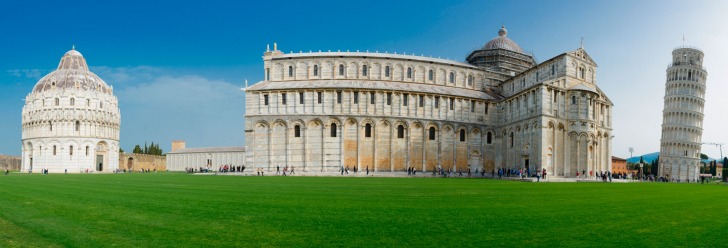
Pisa sits in western Tuscany, not far from the Ligurian Sea, and is far more than a quick photo stop with a famously tilted tower.
The city grew along the Arno River and once played a major role as a maritime power, which helps explain why its history feels bigger than its size.
Today, travelers come for the Piazza dei Miracoli, old churches, student energy from the university, and a compact historic center that is easy to explore on foot.
In my view, Pisa is one of those places that surprises people who expect a single landmark and nothing more.
Safety-wise, it is generally manageable for tourists, but it rewards common sense.
The main issues are the usual ones in popular Italian cities: crowded areas, petty theft, tourist scams, and the occasional late-night trouble spot near transport hubs.
Warnings & Dangers in Pisa

OVERALL RISK: LOW
Pisa is generally a low-risk destination for tourists. Violent crime is not the main concern for most visitors, and the city center is usually busy, walkable, and easy to navigate. The bigger issue is petty theft in crowded places, especially around the Leaning Tower, train station, and packed buses or trains.

TRANSPORT & TAXIS RISK: LOW
Public transport in Pisa is usually straightforward, and taxis are generally reliable when taken from official ranks or booked properly. The main transport risks are confusion, overcharging from unofficial rides, and petty theft in stations or on busy airport connections. If you stay organized, getting around is usually easy and low stress.

PICKPOCKETS RISK: MEDIUM
This is the risk travelers should take most seriously in Pisa. Crowded tourist zones, the area around Pisa Centrale, and busy transit links can attract pickpockets who target distracted visitors. Backpacks, loose phones, and wallets in back pockets are easy targets. The risk is manageable, but it is absolutely not something to ignore.

NATURAL DISASTERS RISK: MEDIUM
Pisa is not known for constant natural disasters, but it is not risk-free either. Heavy rain can create flooding concerns, especially because of the Arno River and wider weather events in Tuscany. Heat in summer can also be intense for sightseeing. Earthquake risk exists in Italy, though it is not the main hazard most tourists face in Pisa.

MUGGING RISK: LOW
Mugging is not the defining safety issue in Pisa, and most visitors will never deal with it. That said, quiet streets late at night, poorly lit areas, or isolated spots around the station can feel less comfortable than the main tourist center. Basic nighttime awareness goes a long way in keeping this risk low.

TERRORISM RISK: MEDIUM
Like much of Europe, Italy remains alert to the possibility of terrorism, particularly around crowded public places, transport systems, and major landmarks. That does not make Pisa a city travelers should avoid, but it does mean staying aware in busy public settings. For most tourists, this remains a background risk rather than a daily concern.

SCAMS RISK: MEDIUM
Pisa has the usual tourist scams found in many famous European cities. Expect overpriced souvenirs, misleading taxi offers, fake petitions, distraction tactics, and people trying to hand you “free” items before demanding payment. None of this is especially sophisticated, but it works on tired or distracted travelers, especially near the main attractions.

WOMEN TRAVELERS RISK: LOW
Pisa is generally comfortable for women travelers, including solo visitors, especially during the day and in active tourist areas. The usual precautions still apply at night, around bars, and near the station after dark. Most women will find Pisa manageable, but paying attention to surroundings and avoiding deserted areas late at night is wise.

TAP WATER RISK: LOW
Tap water in Pisa is generally considered safe to drink, which is good news for travelers carrying reusable bottles. Many visitors still buy bottled water out of habit, but that is more about preference than necessity. Unless you notice a temporary local issue, tap water should not be a major concern during your stay.
Safest Places to Visit in Pisa
Piazza dei Miracoli
This is the heart of tourist Pisa and usually one of the safest places to spend your time during the day.
The area around the Leaning Tower, Cathedral, and Baptistery is busy, well known, and constantly filled with visitors, staff, and guides.
That visibility helps.
You still need to watch your belongings because crowds attract pickpockets, but most travelers feel comfortable here.
Borgo Stretto and the Historic Center
Borgo Stretto is one of the most pleasant parts of Pisa to wander.
The arcaded streets, shops, cafes, and steady foot traffic make it feel lively without being too chaotic.
The surrounding historic center is also a good area for slow sightseeing, casual meals, and evening walks before it gets too late.
It is one of the best places to experience the city beyond the tower.
Lungarni During the Day and Early Evening
The streets along the Arno River, known as the Lungarni, are scenic and usually pleasant for walking.
You get river views, historic buildings, and a more local feel than the main monument zone.
In daylight and early evening, these areas are generally comfortable and attractive.
They are especially good for travelers who want atmosphere without pushing too far from central Pisa.
Piazza dei Cavalieri
This beautiful square feels more relaxed than the busiest tourist zones and has a strong historic character.
Since Pisa is a university city, the area often has a student presence that helps keep it lively.
It is a good stop for travelers interested in architecture, public squares, and quieter sightseeing without stepping into isolated territory.
Places to Avoid in Pisa
Around Pisa Centrale Late at Night
The area around the main train station is not necessarily dangerous in a dramatic sense, but it is the part of Pisa where travelers should be most alert.
Stations attract opportunistic theft, confusion, loitering, and the kind of low-level disorder that makes tourists easy targets.
During the day, it is manageable.
Late at night, it is better treated as a transit point, not a place to linger.
Empty Side Streets Off the Main Tourist Routes
Pisa is compact, and that helps, but some side streets can feel deserted surprisingly quickly once you leave the better-known areas.
This is especially true after dinner hours or outside peak tourist times.
These streets are not automatic danger zones, but they are the kind of places where tired travelers lose awareness, pull out phones, and become easier marks for petty crime.
Unofficial Parking and Driving Into Restricted Zones
This is a different kind of place to avoid, but it matters.
If you are driving, be careful near limited traffic zones and unofficial parking setups around central Pisa.
Getting stuck with fines, confusing signage, or pressure from opportunistic helpers can turn into an expensive travel headache.
Visitors who are unfamiliar with Italian city driving can make easy mistakes here.
Crowded Monument Approaches When Distracted
The roads and walkways leading toward the Leaning Tower are not places to avoid completely, but they are places to treat with caution.
Street sellers, crowds, and distracted photo-taking create a perfect setup for theft or minor scams.
The danger is not the location itself, but how easily visitors drop their guard there.
Safety Tips for Traveling to Pisa
- Keep your valuables in front of you in crowded areas. Pisa’s most realistic tourist risk is petty theft, not violent crime. That means zipped crossbody bags, backpacks worn carefully, and phones kept out of open pockets are your best defense. This matters most around the Leaning Tower, train station, airport link, and busy public transport.
- Do not let the beauty of the city distract you from your belongings. Pisa practically invites people to stop in the middle of the street and take photos. That is exactly when wallets disappear, bags get unzipped, and phones get left on cafe tables. Enjoy the landmarks, but do a quick belongings check every time you stop.
- Use official taxis or reliable transport options only. If you need a taxi, get one from a proper rank or a trusted booking method. Do not jump into random cars offered near tourist zones or transport hubs. Even in a city where transport risk is low, unofficial rides are where confusion and price games tend to happen.
- Stay extra alert around Pisa Centrale. Train stations everywhere create a perfect storm of luggage, distraction, crowds, and fatigue, and Pisa is no exception. Keep bags close, avoid leaving things on the ground while checking tickets, and do not flash cash or passports in the open. If arriving late, move on promptly to your accommodation.
- Be polite but firm with street sellers and unsolicited helpers. Some tourist scams begin with conversation, “free” gifts, bracelets, petitions, or overly enthusiastic offers of assistance. The simplest response is a calm no and continuing to walk. The longer you engage, the easier it becomes for someone to pressure you or distract you.
- Do not assume every area feels the same after dark. The main center can feel lively and easygoing in the evening, but quieter edges of town, isolated streets, and station-adjacent blocks can change in tone later at night. You do not need to be paranoid, just more selective. Stick to well-lit, active routes when returning late.
- Carry only what you need for the day. There is rarely a good reason to carry extra bank cards, a full stack of cash, or important documents while sightseeing. Leave backup items secured in your accommodation when possible. That way, even if something is stolen, the damage is limited and your trip is easier to recover.
- Watch for heat and weather as much as crime. Summer in Pisa can be hot, bright, and tiring, especially when walking long stretches over stone streets with little shade. Drink water, wear sun protection, and avoid turning a sightseeing day into a dehydration problem. In wetter months, watch riverfront conditions and any local weather alerts.
- Be careful if driving in the city. Pisa is not the best place to improvise behind the wheel. Restricted traffic zones, parking issues, and confusing central access rules can lead to fines or stressful mistakes. If you drive, research parking before arrival and do not blindly follow navigation into the old center.
- Trust your instincts, especially when tired or rushed. Many travel mishaps happen at the end of long days when judgment gets sloppy. If a street feels too empty, a deal sounds off, or a person seems pushy, remove yourself quickly. Pisa is usually easy to handle, but travelers are safest when they do not talk themselves out of obvious caution.
So... How Safe Is Pisa Really?
Pisa is one of those cities that is safer than some travelers fear, but a little trickier than the postcard version suggests.
If you judge safety by the risk of serious violence, it generally performs well for tourism.
Most visitors spend their time walking, eating, photographing landmarks, and leaving with no problem at all.
The real issue is concentration of tourist traffic.
Wherever you have famous monuments, transport hubs, day-trippers, and distracted people carrying bags, you also get pickpockets and small scams.
That is why Pisa feels safest when approached realistically.
It is not a city where you need to move in fear, but it is also not a place to act careless.
The station area deserves more caution than the monument zone, and nighttime judgment matters more than daytime sightseeing.
Weather can occasionally complicate things too, especially during periods of heavy rain or intense summer heat.
My honest view is that Pisa is a good destination for travelers who use ordinary city sense.
Secure your belongings, do not linger in sketchier transit areas late at night, and treat tourist crowds as the main safety challenge.
Do that, and Pisa is usually a very manageable and rewarding stop.
How Does Pisa Compare?
| City | Safety Index |
|---|---|
| Pisa |
61 |
| Venice |
72 |
| Siena |
84 |
| Milan |
65 |
| Cagliari |
64 |
| Genoa |
60 |
| Florence |
72 |
 Ixtapa Ixtapa | 70 |
 Bangui Bangui | 28 |
 Xian Xian | 73 |
 Folly Beach Folly Beach | 68 |
 Medan Medan | 62 |
| Jacksonville | 41 |
Useful Information

Visas
Italy is part of the Schengen Area, so many tourists can stay up to 90 days within a 180-day period without a traditional visa, depending on nationality. Others must apply for a short-stay Schengen visa before travel. Rules, fees, passport validity requirements, and entry procedures vary, so travelers should check the current requirements before departure.

Currency
Pisa uses the euro. Cards are widely accepted, but it is smart to carry a small amount of cash for cafes, taxis, or smaller purchases. Airport and tourist-area exchange counters are convenient but not always the best value. In most cases, withdrawing euros from a bank ATM offers a better exchange rate.

Weather
Pisa has a Mediterranean climate with hot summers and generally mild, wetter winters. Spring and early autumn are especially comfortable for walking around the city. In summer, pack light clothing, sunglasses, and sun protection. In cooler months, bring layers and a rain jacket, since showers and damp evenings are common.

Airports
The main airport is Pisa International Airport, also known as Galileo Galilei Airport, and it is very close to the city. That makes arrivals easy compared with many other European destinations. Travelers can usually reach the center quickly by shuttle connection, train link, taxi, or bus, depending on time and luggage.

Travel Insurance
Travel insurance is a very smart idea for Pisa, even though it is not a high-risk destination. Petty theft, delayed transport, lost luggage, and medical surprises are far more common than dramatic emergencies, but they can still be expensive and stressful. A good policy adds a useful safety net to an otherwise easy trip.
Pisa Weather Averages (Temperatures)
Average High/Low Temperature
| Temperature / Month | Jan | Feb | Mar | Apr | May | Jun | Jul | Aug | Sep | Oct | Nov | Dec |
|---|---|---|---|---|---|---|---|---|---|---|---|---|
| High °C |
10 | 12 | 15 | 18 | 22 | 26 | 29 | 29 | 25 | 21 | 15 | 11 |
| Low °C |
3 | 4 | 6 | 8 | 12 | 16 | 18 | 18 | 15 | 11 | 7 | 4 |
| High °F |
50 | 54 | 59 | 64 | 72 | 79 | 84 | 84 | 77 | 70 | 59 | 52 |
| Low °F |
37 | 39 | 43 | 46 | 54 | 61 | 64 | 64 | 59 | 52 | 45 | 39 |
Italy - Safety by City
| City | Safety Index |
|---|---|
| Amalfi | 82 |
| Bari | 74 |
| Bologna | 56 |
| Cagliari | 64 |
| Catania | 65 |
| Cinque Terre | 85 |
| Florence | 72 |
| Genoa | 60 |
| Matera | 83 |
| Milan | 65 |
| Naples | 62 |
| Palermo | 55 |
| Perugia | 60 |
| Pisa | 61 |
| Positano | 83 |
| Rimini | 62 |
| Rome | 65 |
| Sassari | 81 |
| Siena | 84 |
| Sorrento | 75 |
| Taormina | 80 |
| Turin | 42 |
| Vatican City | 72 |
| Venice | 72 |
| Verona | 65 |













Palazzo Blu
If you are fond of the arts, do check Palazzo Blu, a lot of works of art that spans the centuries. Also, there is a free walking tour available – just google it and you can coordinate with a local guide! You’d make friends along the way which is cool. Having a friend would help too, some locals would try to take advantage of you if you show yourself as too gullible.
Have fun!
I would like to comment on visiting Pisa. Pisa is a very busy city in the summer months because of the tourist but can get very crowded during the winter months. Remember when you visit any tourist city to be vigilant and be on your guard. Do some research on the places that you will be travel to. Check out the buses, taxis, and trains before you get there. Ask for information at places like tobacco shops, train stations, taxis, and other people that you are comfortable with talking to. My wife and I live in Pisa going on 3 years and we always try to help the tourist and anyone else come to Pisa and looking for a certain area or thing’s. We do a lot of travel not just in Italy but in Europe and we try to always plan in a advance with rental cars, airlines tickets, train tickets and hotels.
When you are willing to do a little homework, and not just expect the cities or countries that you will be visiting is going to roll out the red carpet and everything is going to be great! This is not going to happen! So I telling you all to be patience and respect and most of the time the locals will help you with anything if possible! We know because that’s what they did for us when we moved from the United States in 2021.
You really miss out if you just rush in for the tower; the vibe by the river and the square is something else!
Sure, if you enjoy being elbowed by selfie sticks in Piazza dei Miracoli, Pisa’s your kind of chaos, but I actually felt weirdly at home wandering the tiny streets away from the crowds.
Seriously, after wandering the compact historic center, feeling the student energy by the Piazza dei Miracoli and watching the Arno cut through town, are you still surprised people expect nothing but the tilted tower?
Have you noticed if the lively student scene makes the historic spots feel less touristy or does it add to the crowding?