


 Italy : Safety by City
- Amalfi
- Bari
- Bologna
- Cagliari
- Catania
- Cinque Terre
- Florence
- Genoa
- Matera
- Milan
- Naples
- Palermo
- Perugia
- Pisa
- Positano
- Rimini
- Rome
- Sassari
- Siena
- Sorrento
- Taormina
- Turin
- Vatican City
- Venice
- Verona
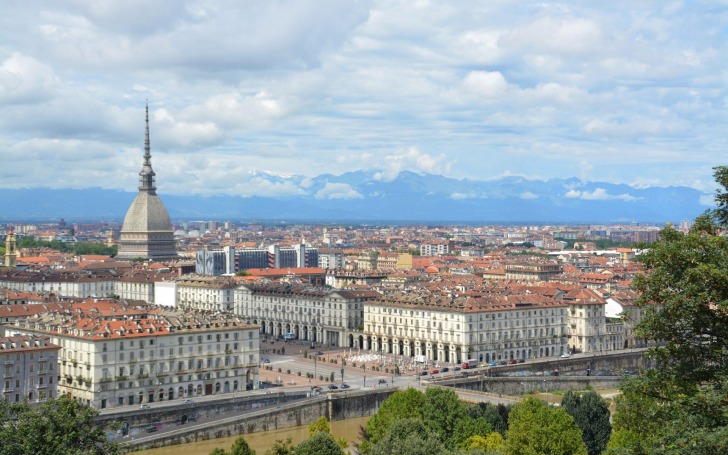
Turin sits in northwestern Italy, at the foot of the Alps, and it feels different from the postcard version of the country many travelers imagine.
This is not a city of canals or beach promenades.
It is a grand, elegant former royal capital with long arcaded streets, serious museums, beautiful piazzas, and a deep coffee-and-chocolate culture that can make a visitor instantly loyal.
I like Turin because it feels lived-in rather than staged.
You get stunning architecture, excellent food, and a big-city rhythm without the nonstop tourist crush of Rome, Florence, or Venice.
From a safety point of view, that balance matters.
Turin is generally a manageable destination for visitors, but it is still a real urban center where petty theft, station-area problems, and late-night street awareness matter.
Travel smart here, and the city is usually rewarding rather than stressful.
Warnings & Dangers in Turin

OVERALL RISK: LOW
Turin is generally a low-risk destination for tourists. Violent crime against visitors is not the main issue here, and most trips go smoothly. The bigger concern is opportunistic petty crime, especially around train stations, crowded trams, markets, and tourist-heavy streets. With normal city precautions, most travelers find Turin comfortable, organized, and much calmer than many larger European capitals.

TRANSPORT & TAXIS RISK: LOW
Public transport in Turin is useful and usually straightforward, and official taxis are generally reliable. The main risk is not dangerous transport but carelessness with bags on buses, trams, and at stations like Porta Nuova and Porta Susa. Use licensed taxis, avoid random drivers offering rides, and keep your phone and wallet secure when boarding or exiting crowded vehicles.

PICKPOCKETS RISK: MEDIUM
Pickpocketing is the most realistic everyday travel risk in Turin. It tends to happen in crowded transit areas, major stations, busy shopping streets, markets, and anywhere tourists are distracted. This is not a city where you need to panic, but it is one where an open handbag, back pocket wallet, or phone left on a cafe table can become an easy win for a thief.

NATURAL DISASTERS RISK: LOW
Turin does not face a high level of natural disaster danger for short-term visitors, but it is not completely risk-free. Heavy rain can occasionally create localized flooding problems, and summer heat can be uncomfortable for travelers doing long walking days. Serious disasters are not a routine tourist issue, yet checking weather conditions before day trips is still a smart habit.

MUGGING RISK: LOW
Mugging is not the headline risk for most visitors to Turin. That said, like in many cities, poorly lit areas, isolated streets late at night, and station-adjacent zones can feel less comfortable after dark. Solo travelers should use common sense, avoid wandering distracted at night, and choose busier routes rather than empty shortcuts through unfamiliar neighborhoods.

TERRORISM RISK: LOW
The terrorism risk in Turin is considered low for everyday travelers, though Italy, like other European countries, still maintains general vigilance around major public spaces and events. Visitors are unlikely to be directly affected, but it is always wise to stay aware in crowded places, follow local instructions during major gatherings, and keep an eye on transport alerts.

SCAMS RISK: MEDIUM
Scams in Turin are usually low-level rather than dramatic. Think fake petitions, distraction tactics, overpriced unofficial rides, card issues at sketchy ATMs, and street approaches designed to get cash from distracted tourists. Most scams work only when someone is rushed or overly polite. A firm no, a quick pace, and using official services solve most of this.

WOMEN TRAVELERS RISK: LOW
Turin is usually a workable and relatively comfortable city for women traveling alone. Daytime sightseeing is generally easy, and many central neighborhoods feel lively rather than threatening. The usual late-night rules still apply: watch drinks, avoid deserted areas, use licensed transport, and trust your instincts. The city is not unusually hostile, but confidence and awareness still matter.

TAP WATER RISK: LOW
Tap water in Turin is generally safe to drink, so this is a low-risk category. Visitors who are used to bottled water may notice a different mineral taste, but that is more a comfort issue than a safety problem. Carrying a reusable bottle is practical, especially in warmer months, and bottled water is easy to find if you prefer it.
Safest Places to Visit in Turin
Centro Storico
Turin’s historic center is one of the easiest places for visitors to enjoy with confidence.
The wide streets, elegant arcades, major squares, and constant foot traffic make it feel more orderly than chaotic.
Piazza Castello, Piazza San Carlo, and the surrounding streets are excellent for first-time visitors because there is a steady mix of locals, tourists, shops, and cafes.
You still need to watch your belongings, but the overall atmosphere is comfortable.
Crocetta
Crocetta has a polished, residential feel that many travelers appreciate.
It is known for quieter streets, handsome buildings, and a more refined pace than the busier transport zones.
This is a good area for travelers who want Turin without the grit.
It is not packed with headline attractions on every corner, but that is part of its appeal.
It feels stable, well-kept, and pleasant for walking.
Borgo Po And The Area Near The River
Borgo Po, on the eastern side of the city near the Po River and leading toward the hills, often feels calmer and more residential.
It gives you access to beautiful views, quieter streets, and a less hectic atmosphere.
Areas around the routes up toward Monte dei Cappuccini can be especially enjoyable during the day.
It is a good choice for travelers who want a more relaxed version of Turin.
Museums And Major Cultural Zones
The areas around the Egyptian Museum, Mole Antonelliana, and the better-known cultural landmarks are generally some of the safest zones for sightseeing because they are well-trafficked and central.
These are ideal places for travelers who want to spend the day on foot without constantly second-guessing their surroundings.
Just stay alert in lines, entrances, and busy transit connections nearby.
Places to Avoid in Turin
Porta Nuova Surroundings Late At Night
Porta Nuova is important, busy, and unavoidable for many visitors, but the surrounding area deserves extra caution after dark.
During the day, it is mostly a transit headache rather than a serious danger zone.
At night, though, certain nearby streets can feel rougher, with loitering, petty crime risk, and a less comfortable atmosphere.
It is a place to move through, not linger carelessly.
Some Peripheral Districts With Little Tourist Purpose
Turin is a large city, and some outer districts simply do not offer much to travelers while also feeling less polished and less comfortable, especially at night.
This does not mean every peripheral neighborhood is dangerous, but if you are sightseeing, there is rarely a reason to drift far from the areas that are clearly active, central, and well-connected.
Random wandering has less payoff here than in some cities.
Isolated Parks And Quiet Streets After Dark
A place that feels pleasant in the afternoon can feel very different late at night.
Some park areas and quieter streets become poor choices once foot traffic disappears.
This is especially true if you are alone, looking at your phone, or carrying bags after a late train arrival.
Turin is not uniquely unsafe, but empty urban spaces are where common sense matters most.
Areas Near Busy Stations Without Clear Purpose
The problem with station districts is not that every street is dangerous.
It is that travelers often arrive tired, distracted, loaded with luggage, and easy to read.
That combination attracts petty criminals.
If your hotel is near a station, choose your walking route carefully, keep your valuables close, and do not stop to engage with strangers offering help, gifts, or deals.
Safety Tips for Traveling to Turin
- Keep your valuables in front of you on public transport. Turin’s trams, buses, and station areas are the places where petty theft is most likely. A zipped crossbody bag worn in front is much better than a backpack or open tote. Do not leave your phone sticking out of a pocket while boarding.
- Be extra alert around Porta Nuova and Porta Susa. These are useful transport hubs, but they are also the places where distracted travelers are easiest to target. Know where you are going before you arrive, avoid fumbling with luggage and maps in the open, and move with purpose.
- Use only official taxis or app-based transport options you trust. Do not get into random cars because someone insists they are cheaper or faster. Licensed services remove one whole category of travel hassle. If you take a taxi, confirm it is official before getting in.
- Do not treat Turin like a theme park. This is one of the city’s strengths, but it also means you should act like you are in a functioning city, not a tourist bubble. Respect personal space, watch traffic carefully, and do not assume every area is designed around visitors.
- Avoid displaying cash, jewelry, or expensive gadgets. Turin is not a city where you need to hide in fear, but obvious wealth still attracts attention. If you are checking directions, step into a cafe or stand with your back to a wall instead of waving your phone around in the middle of a crowded square.
- Stay aware of distraction techniques. If someone suddenly spills something, pushes a clipboard at you, asks you to sign a petition, or tries to hand you a bracelet or flower, keep moving. These approaches are often designed to split your attention just long enough for a theft or pressure sale.
- Choose your nightlife routes carefully. Even in a generally safe city, late-night safety can drop fast once streets empty out. Stick to active, well-lit routes when returning to your hotel. If you are tired or it is very late, spending more on a ride can be the smarter call.
- Keep digital and physical backups of important documents. Carry your passport securely, but also keep copies of key documents on your phone and in your email. If a wallet or bag disappears, backups save time, stress, and a lot of ugly improvisation.
- Dress for the season and respect the weather. Turin can be hot in summer and cold, damp, or foggy in winter. Good shoes matter because the city is very walkable. A light rain layer is smart for much of the year, and winter visitors should not underestimate how chilly northern Italy can feel.
- Buy travel insurance before you go. This is the least glamorous tip and one of the most useful. Insurance helps with medical issues, delays, theft, and lost baggage. Turin is usually an easy trip, but the whole point of insurance is that it matters most when the day stops being easy.
So... How Safe Is Turin Really?
Turin is, overall, a fairly safe destination for travelers, especially if you compare it with cities where violent crime or transport chaos dominate the visitor experience.
The city’s main safety issue is petty theft, not widespread danger.
That distinction matters.
Most travelers who run into trouble here do not experience anything dramatic.
They lose a wallet, get targeted in a crowded station, or realize too late that a distraction scam was underway.
In practical terms, Turin is one of those cities where your habits determine a lot of your experience.
If you stay in central or well-regarded neighborhoods, use licensed transport, keep your belongings secure, and avoid drifting through empty areas late at night, the city is usually very manageable.
Women traveling solo can generally navigate it without unusual difficulty, and first-time Italy visitors often find it calmer than more tourist-saturated destinations.
What I like about Turin is that it rewards sensible travelers.
It is stylish, cultural, and less exhausting than many famous European cities.
I would not call it risk-free, because no real city is.
But I would absolutely call it a destination where normal awareness goes a long way, and where the average tourist is far more likely to come home with great museum memories and a chocolate habit than a safety horror story.
How Does Turin Compare?
| City | Safety Index |
|---|---|
| Turin |
42 |
| Vatican City |
72 |
| Rimini |
62 |
| Rome |
65 |
| Milan |
65 |
| Palermo |
55 |
| Genoa |
60 |
 Denver Denver | 57 |
 Southampton Southampton | 65 |
 Barranquilla Barranquilla | 47 |
 Tangier Tangier | 70 |
 Gomel Gomel | 45 |
| Hamilton Township | 72 |
Useful Information

Visas
Italy is part of the Schengen Area, so many visitors, including Americans, can enter for up to 90 days within a 180-day period without a traditional tourist visa. Always check your nationality’s specific rules before departure. A new European travel authorization system is expected, but travelers should verify the latest entry requirements before flying.

Currency
Turin uses the euro. Cards are widely accepted in hotels, restaurants, and many shops, but carrying a small amount of cash is useful for kiosks, markets, or minor purchases. Use bank ATMs when possible and avoid suspicious currency exchange counters or standalone machines with poor rates and surprise fees.

Weather
Turin has hot summers, cool winters, and a fair amount of seasonal rain. Summer visitors should pack light clothes, good walking shoes, and a water bottle. Winter travelers should bring layers, a warm coat, and something rain-resistant. Spring and fall are often the easiest seasons for comfortable sightseeing on foot.

Airports
The main airport is Turin Airport at Caselle, which is well connected to the city by train and airport bus. The train is usually a practical option for reaching Porta Susa, while direct bus services also connect the airport with central Turin. Both are easier and cheaper than relying automatically on taxis.

Travel Insurance
Travel insurance is a smart buy for Turin, even though the city is generally low risk. It can help with medical costs, theft, cancellations, delays, and lost baggage. Since the most common travel issues here are often minor but expensive, insurance is one of the simplest ways to protect your trip budget.
Turin Weather Averages (Temperatures)
Average High/Low Temperature
| Temperature / Month | Jan | Feb | Mar | Apr | May | Jun | Jul | Aug | Sep | Oct | Nov | Dec |
|---|---|---|---|---|---|---|---|---|---|---|---|---|
| High °C |
8 | 9 | 14 | 17 | 21 | 26 | 31 | 31 | 25 | 19 | 11 | 7 |
| Low °C |
0 | 1 | 3 | 6 | 10 | 14 | 17 | 17 | 13 | 7 | 3 | 0 |
| High °F |
46 | 48 | 57 | 63 | 70 | 79 | 88 | 88 | 77 | 66 | 52 | 45 |
| Low °F |
32 | 34 | 37 | 43 | 50 | 57 | 63 | 63 | 55 | 45 | 37 | 32 |
Italy - Safety by City
| City | Safety Index |
|---|---|
| Amalfi | 82 |
| Bari | 74 |
| Bologna | 56 |
| Cagliari | 64 |
| Catania | 65 |
| Cinque Terre | 85 |
| Florence | 72 |
| Genoa | 60 |
| Matera | 83 |
| Milan | 65 |
| Naples | 62 |
| Palermo | 55 |
| Perugia | 60 |
| Pisa | 61 |
| Positano | 83 |
| Rimini | 62 |
| Rome | 65 |
| Sassari | 81 |
| Siena | 84 |
| Sorrento | 75 |
| Taormina | 80 |
| Turin | 42 |
| Vatican City | 72 |
| Venice | 72 |
| Verona | 65 |












I live in torino, nice city .
Ahahahah afraid of barriera di Milano? Only if you are covered in gold
Crocetta and collina are shitty areas with nothing touristic. Just rich people living there and nothing else
Filled with tourists… False! Why they are writing this? Turin is a super safe city!!
Nonsense
Napoli got rated higher on almost every danger rating then got a lower overall danger rating than Torino which was only bad for pickpockets. Wtf…
Great looking station, but not comfortable
Lovely looking station with airy look.
We were there at the end of July and it was unbearably hot, even at night.
We arrived in the evening so that we could catch out previously booked early train the next morning.
Everything closed at 21:00 and we were moved on by police at 01:30. We were allowed back in at 04:30. Fortunately, the road outside was slightly cooler.
It’s very difficult to imagine a 42/100 safety rating from this website, compared to high rankings from other major Italian cities. I felt exceedingly safe here even though I was pretty much never alone. Only a few beggars and a few dodgy-looking streets in downtown gave me pause and made me raise my guard up a little throughout an entire 10 days.
I didn’t expect to find so many amazing places to eat in Turin; it felt like every corner had a hidden gem just waiting to be discovered.
I’ve lived around here for a bit, and while the food scene in Turin does have its charm, I sometimes wonder if people hype it up a little too much; I mean, there are just so many places to try that it’s almost overwhelming, not to mention some spots feel a bit touristy.
There’s something about the food scene here that just hits different; you could spend a lifetime exploring all the little places and still find hidden gems.
The food scene here is endless, and I’m pretty sure I’ve gained a few pounds just trying to keep up!
Turin is fun and all, and yeah the food scene is huge, but after a few nights trying to pick a place near the Po I honestly felt more overwhelmed than spoiled for choice.
Superb everyday life, sure, after wandering where the Dora Riparia meets the Po and squeezing into yet another crowded public place to eat I get why the food gets under your skin, even with about a million people around.
Watching the fog lift off the Po at dusk while holding a too-strong espresso made me oddly nostalgic for those small ordinary corners of Turin.
Evening walks under those long arcades with a cup of coffee felt cozy, though I stayed wary around the station at night.
Hit up a little cafe near Piazza Castello and the espresso there just hits different, definitely worth getting lost for a bit in those arcaded streets.
Had a great time sipping espresso in one of those cozy cafes, the kind that make you want to linger way longer than you planned.