


 Italy : Safety by City
- Amalfi
- Bari
- Bologna
- Cagliari
- Catania
- Cinque Terre
- Florence
- Genoa
- Matera
- Milan
- Naples
- Palermo
- Perugia
- Pisa
- Positano
- Rimini
- Rome
- Sassari
- Siena
- Sorrento
- Taormina
- Turin
- Vatican City
- Venice
- Verona
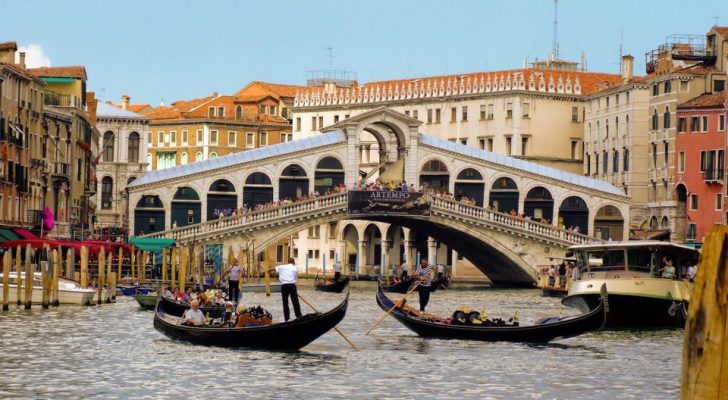
There is nowhere in the world quite like Venice.
Floating in a lagoon in northeastern Italy, this city of canals, palaces, and hidden alleyways has been enchanting travelers for more than 1,500 years.
Built on over 100 small islands connected by more than 400 bridges, Venice was once a powerful maritime republic that dominated trade between Europe and the East.
Today, millions visit each year to ride a gondola along the Grand Canal, admire the golden mosaics of St. Mark’s Basilica, and wander through maze-like streets where getting lost is half the fun.
But with overtourism, flooding, and petty crime in the headlines, how safe is Venice really?
After researching crime data, local reports, and my own experiences walking those cobblestones, here is the full breakdown.
Warnings & Dangers in Venice

OVERALL RISK: LOW
Venice is generally very safe for tourists. Violent crime rates are low compared to many major European cities. The biggest issues visitors face are petty theft and tourist scams rather than serious crime. Police presence is visible, especially around major landmarks. With basic awareness, most trips to Venice are smooth and trouble free.

TRANSPORT & TAXIS RISK: LOW
Public transportation in Venice consists mainly of water buses called vaporetti and water taxis. Accidents are rare, and services are regulated. The main risk is overpaying for private water taxis if prices are not agreed upon beforehand. The vaporetto system is safe and reliable, even at night.

PICKPOCKETS RISK: MEDIUM
Pickpocketing is the most common crime targeting tourists. Busy areas like St. Mark’s Square and crowded vaporetti are hotspots. Thieves often work in teams and target distracted travelers. While incidents are not violent, losing a wallet or phone can ruin your trip. Keep bags zipped and valuables secure.

NATURAL DISASTERS RISK: MEDIUM
Venice is vulnerable to flooding, especially during acqua alta, seasonal high tides typically occurring in autumn and winter. Elevated walkways are installed during major floods. Earthquakes are rare, and extreme weather events are uncommon. Flooding is inconvenient but rarely dangerous for tourists.

MUGGING RISK: LOW
Muggings and violent robberies are uncommon in Venice. Most crimes are non violent and opportunistic. Walking at night is generally safe, especially in central districts. As in any city, avoid deserted alleys very late at night and remain aware of your surroundings.

TERRORISM RISK: LOW
Italy has experienced isolated security incidents in the past, but Venice is not considered a high risk terrorism destination. Major tourist areas are monitored, and security presence increases during festivals and large events. The overall risk remains low compared to global averages.

SCAMS RISK: MEDIUM
Tourist scams exist, particularly involving fake petitions, bracelet tricks, or inflated restaurant bills near major attractions. Some restaurants may add unexpected service charges. Always check menus and prices before ordering. Licensed tour operators and official ticket counters are the safest options.

WOMEN TRAVELERS RISK: LOW
Venice is generally safe for women traveling alone. Street harassment is limited compared to many global destinations. Public areas remain lively into the evening, especially in tourist zones. Basic precautions such as avoiding isolated areas late at night are sufficient for most visitors.

TAP WATER RISK: LOW
Tap water in Venice is safe to drink and meets strict European Union standards. Public fountains throughout the city provide potable water. Bringing a reusable bottle is both safe and environmentally friendly.
Safest Places to Visit in Venice
The historic center of Venice is remarkably safe, particularly in areas with high tourist traffic.
The district of San Marco, home to St. Mark’s Basilica and the Doge’s Palace, is heavily patrolled and well lit.
While crowded, it remains secure during the day and early evening.
Dorsoduro is one of my favorite neighborhoods for a relaxed yet safe experience.
It has fewer crowds, charming canals, and cultural gems like the Peggy Guggenheim Collection.
It feels more residential and authentic.
Cannaregio, north of the Grand Canal, offers a calmer atmosphere and is home to the historic Jewish Ghetto.
It is lively but not chaotic, and I found it comfortable even after sunset.
The islands of Murano and Burano are also very safe.
Murano is famous for glassmaking, while Burano charms visitors with brightly colored houses.
Both are quieter than central Venice and ideal for relaxed exploration.
Overall, anywhere within the main historic districts is safe for tourists who take basic precautions.
Places to Avoid in Venice
Venice does not have traditional high crime neighborhoods like some large cities, but certain areas require more awareness.
The area around Santa Lucia train station can attract pickpockets due to heavy luggage carrying travelers.
Overly crowded spots around St. Mark’s Square during peak summer afternoons are prime territory for petty theft.
It is not dangerous in terms of violence, but the density of tourists makes it easier for thieves to operate unnoticed.
Some poorly lit alleys late at night in less trafficked parts of Castello or Santa Croce may feel isolated.
While serious incidents are rare, they can feel uncomfortable for solo travelers after midnight.
Budget accommodations on the mainland in Mestre are generally safe, but crime rates are slightly higher there than on the islands.
If staying in Mestre, choose well reviewed hotels near transport links and avoid deserted streets late at night.
In short, Venice does not have no go zones, but smart awareness matters.
Safety Tips for Traveling to Venice
- Protect Your Belongings with Smart Gear. Pickpockets in Venice are highly opportunistic, especially in crowded areas like St. Mark’s Square or on vaporetti. Use anti-theft backpacks with lockable zippers, RFID-blocking wallets, and money belts. Keep valuables in front-facing pockets and consider leaving extra cash in your hotel safe. Even a small camera hanging loosely can be an easy target, so secure it with straps or wear it crossbody.
- Stay Aware on Water Transport. Vaporetti, traghetti, and water taxis are generally safe, but crowded boats can be a hotspot for theft. Stand near the center of the boat if possible, hold your bag tightly, and avoid displaying your phone or wallet openly. Night trips are generally calm, but always check the last route schedule and plan your return to avoid being stranded near quieter piers.
- Verify Prices Before Dining. Venice has a reputation for tourist traps near major landmarks. Always check the menu and confirm whether service and taxes are included. Be cautious of restaurants offering “fixed menus” with hidden supplements or selling seafood by weight without clear signage. Small trattorias a block or two away from main squares often provide more authentic meals and honest pricing.
- Beware of Street Scams and Distractions. Common scams include “bracelet tying,” fake petitions, and overly friendly strangers offering “free tours” or “local guidance.” Politely refuse and continue walking. These tactics are designed to distract you while an accomplice might pickpocket you. Maintain situational awareness and treat unexpected interactions with caution.
- Plan for Flooding and Weather Hazards. Acqua alta, or high water, occurs mostly between October and January. While flooding is rarely dangerous, it can make walking difficult. Pack waterproof boots or shoes, and bring a light raincoat. Check local flood alerts online or at hotel lobbies before heading out. Avoid stepping on narrow alleyway planks placed during floods if crowded, as slips are possible.
- Choose Lodging Strategically. Hotels in central districts like San Marco, Dorsoduro, and Cannaregio offer both charm and safety. Consider proximity to vaporetti stops and avoid accommodations in isolated alleys without lighting. Read reviews carefully, focusing on security and accessibility. Some boutique hotels provide digital keys or surveillance, adding an extra layer of protection.
- Use Official Channels for Tickets and Tours. Always buy tickets directly from museums, official websites, or certified vendors. Venice has a thriving market of counterfeit tickets and unauthorized tour guides, especially for popular attractions like Doge’s Palace or the Rialto Bridge. Booking in advance through verified channels prevents disappointment and financial loss.
- Maintain Digital Backups of Important Documents. Scan or photograph your passport, ID, and travel insurance documents, storing them securely in cloud storage. This ensures quick access in case of theft or accidental loss. Keep a small photocopy in your luggage separate from your originals. Some hotels may request ID for check-in, so having backups is convenient and essential.
- Invest in Travel Insurance and Emergency Support. Medical treatment for non-EU visitors can be costly, even for minor incidents like sprained ankles or sudden illness. Travel insurance also covers theft, lost luggage, and trip cancellations. Choose a plan that includes 24/7 assistance hotlines, emergency evacuation, and reimbursement for missed tours or transport.
- Blend In and Use Common Sense. Venice is safe, but attracting attention as an obvious tourist can make you a target. Dress modestly and avoid flashy jewelry. Walk confidently, use maps discreetly, and avoid wandering alone in poorly lit alleyways late at night. Trust your instincts: if a place feels uncomfortable, turn around. Sometimes the safest route is simply sticking to the main canals and crowded squares.
So... How Safe Is Venice Really?
Statistically, Venice is one of the safer tourist destinations in Europe.
Italy’s overall homicide rate is under 1 per 100,000 people annually, significantly lower than many countries worldwide.
In Venice specifically, violent crime remains rare, and most police reports involve theft rather than assault.
Tourism drives the local economy, so authorities prioritize safety in key areas.
The Carabinieri and local police maintain a visible presence near landmarks and transport hubs.
CCTV cameras are widely used in major public areas.
The primary issue visitors face is pickpocketing, particularly during peak season when daily visitor numbers can exceed 100,000 people.
However, these incidents are opportunistic rather than aggressive.
Environmental factors such as flooding pose inconvenience rather than serious danger.
Infrastructure improvements, including mobile flood barriers, have reduced long term risks.
In my experience and based on the data, Venice earns a Low overall risk rating.
With awareness and preparation, it is a safe and unforgettable destination.
How Does Venice Compare?
| City | Safety Index |
|---|---|
| Venice |
72 |
| Cinque Terre |
85 |
| Verona |
65 |
| Naples |
62 |
| Pisa |
61 |
| Palermo |
55 |
| Bari |
74 |
 Mount Pleasant Mount Pleasant | 78 |
| Port Clinton | 76 |
| Ames | 73 |
| McKinney | 84 |
| Woonsocket | 65 |
 Taipei Taipei | 78 |
Useful Information

Visas
Italy is part of the Schengen Area. Visitors from the United States, Canada, Australia, and many other countries can enter visa free for up to 90 days within a 180 day period. Passport validity must extend at least three months beyond departure. Longer stays require a Schengen visa obtained before travel.

Currency
Italy uses the Euro. Credit and debit cards are widely accepted, though small cafes may prefer cash. ATMs offer competitive exchange rates. Avoid airport exchange counters if possible, as rates tend to be less favorable.

Weather
Venice has hot summers with temperatures often reaching 30°C in July and August. Winters are cool and damp, averaging 3 to 8°C in January. Pack light breathable clothing for summer and waterproof layers during autumn and winter flooding season.

Airports
The main airport is Venice Marco Polo Airport, located about 13 kilometers from the city center. Water buses and airport buses connect travelers directly to Venice. Treviso Airport also serves budget airlines about 40 kilometers away.

Travel Insurance
Travel insurance is strongly recommended. It covers medical emergencies, trip cancellations, theft, and lost luggage. Healthcare in Italy is high quality, but non EU visitors may face substantial costs without coverage.
Venice Weather Averages (Temperatures)
Average High/Low Temperature
| Temperature / Month | Jan | Feb | Mar | Apr | May | Jun | Jul | Aug | Sep | Oct | Nov | Dec |
|---|---|---|---|---|---|---|---|---|---|---|---|---|
| High °C |
7 | 9 | 13 | 17 | 21 | 25 | 28 | 28 | 24 | 19 | 13 | 8 |
| Low °C |
0 | 1 | 4 | 8 | 12 | 16 | 18 | 18 | 14 | 10 | 5 | 1 |
| High °F |
45 | 48 | 55 | 63 | 70 | 77 | 82 | 82 | 75 | 66 | 55 | 46 |
| Low °F |
32 | 34 | 39 | 46 | 54 | 61 | 64 | 64 | 57 | 50 | 41 | 34 |
Italy - Safety by City
| City | Safety Index |
|---|---|
| Amalfi | 82 |
| Bari | 74 |
| Bologna | 56 |
| Cagliari | 64 |
| Catania | 65 |
| Cinque Terre | 85 |
| Florence | 72 |
| Genoa | 60 |
| Matera | 83 |
| Milan | 65 |
| Naples | 62 |
| Palermo | 55 |
| Perugia | 60 |
| Pisa | 61 |
| Positano | 83 |
| Rimini | 62 |
| Rome | 65 |
| Sassari | 81 |
| Siena | 84 |
| Sorrento | 75 |
| Taormina | 80 |
| Turin | 42 |
| Vatican City | 72 |
| Venice | 72 |
| Verona | 65 |













Too many tourists
There are double prices for Italians and foreigners, always ask for the Italian menu
Also is a city full of tourists , looks like Disney land Paris . I suggest to visit other cities
Did you notice how the pigeons in St. Mark’s Square always seem to know when it’s time for a good photo op?
So, nothing says authentic Venice experience like dodging hordes of tourists while trying to communicate with pigeons in St. Mark’s Square. Who needs a romantic gondola ride when you can just watch the chaos unfold?
I get that Venice has its charm, but with 20 million tourists flooding in every year, it can feel less like a romantic getaway and more like a crowded amusement park, especially in places like St. Mark’s Square where the pigeons are practically the only locals you’ll see.
Did you get a chance to see the pigeons in St. Mark’s Square? It’s such a quirky sight!
Honestly the only time I felt even a bit uneasy in Venice was squeezing through the crowds near Rialto at night clutching my bag, but the rest of the city felt super calm just wandering around.
It’s wild how the flooding really messes with the vibe and makes those cobblestones slippery beyond belief.
Never thought those cobblestones could be so slippery, almost took a spill just stepping into a hidden alley!
Did you notice if the flooding affected certain neighborhoods more, or does it feel pretty hit-or-miss when you’re just out wandering?
I remember wandering those narrow streets and suddenly spotting a tiny café where the coffee smelled amazing and the barista joked around like we’d been friends forever.
The sounds of water lapping against those old stone walls somehow made the chaos feel a little more magical than stressful.