


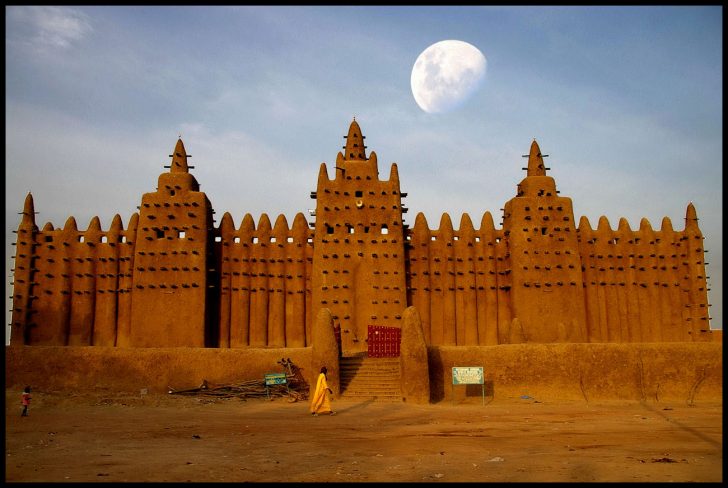
Mali once stood at the center of some of Africa’s greatest empires, yet today it ranks among the most dangerous countries in the world.
It sits in West Africa, stretching from the Sahara in the north to the Niger River basin in the south, bordered by Algeria, Niger, Burkina Faso, Côte d’Ivoire, Guinea, Senegal, and Mauritania. Geography made it powerful.
History made it vulnerable.
After independence from France in 1960, Mali struggled with political instability, weak governance, and recurring military coups.
Long-standing tensions between the central government and northern regions deepened over time.
The collapse of Libya in 2011 flooded the region with weapons, fueling insurgencies, separatist movements, and the rise of extremist groups.
Since then, armed conflict, terrorism, and shifting political control have reshaped daily life across much of the country.
Before the pandemic, tourism officials estimated around 200,000 visitors per year, drawn by Mali’s legendary history, desert landscapes, and river cities.
Today, strict travel warnings and ongoing violence have pushed those numbers down sharply, reflecting how seriously the risks are taken.
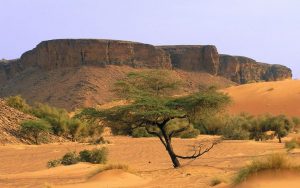
From the Sahara’s vast dunes to the Niger’s fertile banks, Mali remains visually and culturally striking.
But for now, it is a country better experienced through books, documentaries, and photographs than in person.
Warnings & Dangers in Mali

OVERALL RISK: HIGH
Mali remains one of the highest-risk destinations globally due to terrorism, armed conflict, political instability, and weak infrastructure. Violence can occur without warning, even in major cities. Emergency response is limited, consular assistance is restricted, and movement is often unsafe. There are no reliably “safe” regions for independent or leisure travel.

TRANSPORT & TAXIS RISK: MEDIUM
Road travel is dangerous because of checkpoints, banditry, poor road conditions, and the risk of militant attacks. Public transport is often overcrowded and poorly maintained. Taxis are unregulated and inconsistent. Outside Bamako, breakdowns, fuel shortages, terrorist roadside attacks, and a lack of communications can quickly become serious security problems.

PICKPOCKETS RISK: MEDIUM
Petty theft is a big problem, but it’s often overshadowed by more serious threats. Crowded markets, transport hubs, and bus stations are common targets. Foreigners stand out and are more likely to be watched. This is a high risk, but quite frankly, you'd be lucky if you "only" got pickpocketed while visiting Mali.

NATURAL DISASTERS RISK: MEDIUM
Seasonal flooding during the rainy months can wash out roads, isolate towns, and disrupt supply chains. Heat is extremely high much of the year, increasing health risks. While natural disasters are not the primary danger in Mali, they compound existing security and infrastructure problems, making travel disruptions harder to manage safely.

MUGGING RISK: MEDIUM
Violent crime, including armed robbery, occurs in both urban and rural areas, particularly after dark. Police response is inconsistent, and corruption is common. Victims often have little recourse. For foreigners, a routine mugging can escalate into detention, extortion, or broader security issues due to weak legal protections.

TERRORISM RISK: HIGH
Terrorism is a central safety concern in Mali. Armed groups linked to extremist networks operate nationwide and target government facilities, military sites, hotels, and public spaces. Attacks can occur in and around Bamako, not just in remote regions. Westerners face an elevated risk of kidnapping and targeted violence.

SCAMS RISK: MEDIUM
Scams often involve police stops, fake fines, or demands for “fees” at checkpoints. Travelers may be pressured to pay for fabricated violations or documentation issues. With limited legal protections and language barriers, disputing these situations is risky. What feels like a minor scam can quickly turn into a security problem.

WOMEN TRAVELERS RISK: HIGH
Women may face harassment, unwanted attention, and limited support from authorities. Treat this as another high risk. Cultural norms are conservative, and solo female travel can attract scrutiny. Reporting incidents is difficult, and police response is unreliable. Safety depends heavily on local contacts, controlled movement, and strict situational awareness at all times.

TAP WATER RISK: HIGH
Tap water in Mali is not safe to drink. Waterborne illnesses are common, and treatment standards vary widely. Bottled or properly filtered water is essential, even for brushing teeth. In areas with flooding or infrastructure damage, clean water can be scarce, increasing the risk of dehydration and gastrointestinal illness.
Safest Places to Visit in Mali
There is an official tourism website for Mali, which you can find at www.officetourismemali.com.
However, we encourage you to avoid letting the information there give you a false sense of safety.
While the site highlights remarkable places such as Timbuktu’s historic mosques, the cliffs of Bandiagara, Djenné’s Great Mosque, and the Niger River corridor, the reality on the ground is very different.
Ongoing armed conflict, terrorism, and political instability make travel dangerous across much of the country, including major cities.
Tourism infrastructure is thin at best and often nonexistent outside limited pockets, with unreliable transportation, minimal emergency services, and little support for foreign visitors.
Western travelers face the added risk of targeting, kidnapping, and restricted movement.
Mali has cultural and historical depth that would be compelling in a stable environment, but under current conditions, these sites are largely inaccessible and unsafe.
This is not a destination where curiosity outweighs risk.
Places to Avoid in Mali
All of Mali should be avoided based on the most recent travel advisories from early 2026.
Even in Mali’s larger cities like Bamako, safety is not something you can count on.
Both the U.S. and Canadian governments advise against all travel because armed groups, terrorist networks, and political instability affect the entire country, not just remote regions.
Attacks can happen near hotels, government buildings, markets, and major roads.
Civil unrest can flare with little warning, and border conflicts spill across neighboring countries.
Westerners have been targeted for kidnapping and violence, and foreigners often stand out.
Security forces have limited reach outside central areas, and emergency response is inconsistent even in Bamako.
In short, Mali does not have “safe zones” for casual travel.
Risk is widespread, unpredictable, and driven by forces that travelers cannot see coming or avoid once they are there.
Even if you can make it safely to Bamako, it’s strongly encouraged that you don’t leave that city.
Safety Tips for Traveling to Mali
- Mali’s national police and gendarmerie are responsible for public safety, but response capacity is limited and inconsistent. In an emergency, you can dial 17 for police or 15 for medical help, though service is unreliable outside central Bamako. Do not expect a rapid response or consistent protection. In serious situations, your embassy may be your only practical backup.
- There is no nationwide emergency alert system you can rely on. Information about attacks, unrest, or closures usually spreads through embassies, international news, and word of mouth. Mobile coverage is uneven outside Bamako, and internet access can be slow or cut. You must actively monitor security updates and assume that official warnings may reach you late.
- Foreign nationals can drive with proper documentation, but road conditions, checkpoints, and security risks make independent travel dangerous. U.S. government staff must seek permission to leave Bamako and cannot use public transport outside the city. While these rules don’t apply to private travelers, they signal how risky movement is across Mali. Consider that before getting behind the wheel.
- Yellow fever vaccination is required. Travelers should also be vaccinated for hepatitis A and B, typhoid, and meningococcal disease, with malaria prevention essential year-round. Medical care is limited even in Bamako and extremely basic elsewhere.
- French is the official language and is used in government, security, and business. English is rarely spoken. Local languages like Bambara dominate daily life. Communication barriers can complicate everything from police interactions to medical care. If you do not speak French, you will rely heavily on translators, which adds risk in already tense or unstable situations.
- Armed conflict is ongoing across much of Mali, involving government forces, separatist groups, and terrorist organizations. Attacks target military, government facilities, and sometimes civilian areas, including in and around Bamako. These groups operate with little warning, and violence can erupt quickly. Civilian casualties are common, making this a high-risk destination even for experienced travelers.
- Photography in Mali is tightly restricted. Taking pictures of government buildings, infrastructure, transportation facilities, security forces, or officials can lead to detention or confrontation. Even casual street photography can offend locals or trigger security responses. Photographing the U.S. Embassy is prohibited. When in doubt, do not take the photo. This is not a “snap first, ask later” country.
- Phone and internet infrastructure are limited, especially outside major cities. Cellular service is available in Bamako but unreliable elsewhere. International calls are expensive, and internet speeds are slow or inconsistent. During unrest, services may be disrupted. You cannot assume you will be able to call for help, access maps, or communicate quickly in an emergency.
- Same-sex relationships are not illegal in Mali, but social attitudes are deeply hostile. LGBTQ+ individuals have reported harassment, violence, and abuse, often with little or no police protection. Many people conceal their identity for safety. Travelers who are openly LGBTQ+ face real personal risk here, even though the law does not explicitly criminalize relationships.
- Corruption is common, and police may stop drivers or pedestrians and request payments for vague or fabricated reasons. These encounters can escalate if challenged. Always carry identification, remain calm, and avoid confrontation. Understand that legal protections are weak and unpredictable. In Mali, interactions with authorities can feel more like negotiations than routine law enforcement.
So... How Safe Is Mali Really?
Mali isn’t a safe place to visit, even for the most experienced travelers.
The United States, the United Kingdom, Canada, and Australia all rate Mali as a Level 4: Do Not Travel destination.
If you’re one who likes to look for a silver lining in these advisories, it’s worth noting that the United States lifted the evacuation requirement for employees and family members on January 9, 2026.
However, those same employees still can’t travel outside of Bamako.
What kinds of risks are we talking about?
Plenty!
- Violent crime, especially during holiday seasons
- Terrorism
- Kidnapping
- Civil Unrest & Armed Conflict
- Health risks
You can read through the travel advisories to get a deeper dive into these risks, and the advice gets pretty intimidating with things like “draft a will” before travel and designating an abduction negotiator in case you get taken by criminals.
If you do choose to make this trip and encounter trouble, expect your embassy to be unable to offer any assistance.
You’ll be left to self-rescue in a place with limited infrastructure and few safe areas.
Bottom line:
There’s no good reason to visit Mali in its current state as of early 2026.
How Does Mali Compare?
| Country | Safety Index |
|---|---|
 Mali Mali | 31 |
 Taiwan Taiwan | 73 |
 Israel Israel | 65 |
 Tajikistan Tajikistan | 38 |
 El Salvador El Salvador | 65 |
 Timor-Leste Timor-Leste | 48 |
 Zimbabwe Zimbabwe | 53 |
 Madagascar Madagascar | 49 |
 Vanuatu Vanuatu | 70 |
Useful Information

Visas
As of January 2026, getting a visa to Mali is just about impossible for most countries. You can check the Malian Ministry of Foreign Affairs website (diplomatiemdc.gouv.ml/vitrine) for the latest information. Requirements have tightened in recent years due to security concerns. Even if you feel safe going to Mali, you'll have a hard time getting legal access.

Currency
Mali uses the West African CFA franc (XOF), shared with several neighboring countries. Cash is essential, especially outside Bamako. ATMs exist but can be unreliable, and credit cards are rarely accepted. Bring backup funds in euros or U.S. dollars for exchange. Don’t assume you can “just use a card” once you leave major hotels.

Weather
Mali is hot and dry most of the year. The dry season runs roughly from October through May, with extreme heat from March to May. The rainy season is June through September, bringing flooding in some areas and rough road conditions. Temperatures regularly top 100°F, so heat planning is not optional.

Airports
Most international arrivals go through Modibo Keïta International Airport (BKO) in Bamako. Direct long-haul flights are limited, so travelers often connect through Europe or North Africa. Again, the visa requirements will make it challenging to get a flight to BKO.

Travel Insurance
Travel insurance is essential for Mali. Medical facilities are limited outside Bamako, and medical evacuation is often the real emergency plan. Choose a policy that covers emergency treatment, evacuation, trip disruption, and security-related changes. That said, the high risk level means you'll have limited options to get travel insurance that covers a trip here. Most high-risk destinations aren't covered under standard insurance packages.
Mali Weather Averages (Temperatures)
Average High/Low Temperature
| Temperature / Month | Jan | Feb | Mar | Apr | May | Jun | Jul | Aug | Sep | Oct | Nov | Dec |
|---|---|---|---|---|---|---|---|---|---|---|---|---|
| High °C |
33 | 36 | 39 | 40 | 40 | 36 | 33 | 32 | 33 | 36 | 36 | 33 |
| Low °C |
15 | 18 | 22 | 25 | 27 | 25 | 23 | 23 | 23 | 23 | 19 | 16 |
| High °F |
91 | 97 | 102 | 104 | 104 | 97 | 91 | 90 | 91 | 97 | 97 | 91 |
| Low °F |
59 | 64 | 72 | 77 | 81 | 77 | 73 | 73 | 73 | 73 | 66 | 61 |



Very risky!
I had the pleasure of visiting Mali several times in the early 2000s, Timbuktu was such a beautiful city with so much history. Unfortunately, since the fall of Libya, it has become a terrorist haven and Timbuktu has been destroyed, as has many other cities. Yes, you are indeed putting yourself at extreme risk by visiting Mali today, proceed with caution.
Danger
Mali has indeed changed over the years. I don’t follow politics or the world news but being an avid traveler, this is one place I have been told to not visit anytime soon. I hope things can turn around. I have not been to Mali since 2004. What a shame.
Bullshit
What are those facts based on? That can scare off anyone, the only information you have is that all is mid or high risk – exactly same as Europe!! That is not right, it all depends on an area you travel, you cannot generalize everything.
Stay far away from Mali (and the rest of Africa) as a white person
Exactly the same as Europe? Did you really just compare Mali with European countries?
There are many countries in Europe (Western and Eastern) where you can go ANYWHERE you want without having to be afraid of crime and harassment. Show me one African country that’s even close to that.
Btw, most troublemakers in Europe are originally from Africa or the Middle East. They are the ones responsible for most of the crime in Europe. The problem is Islam. Islam breeds violence as they have many extremists. 75% of Muslims are violent.
Don't visit Mali, it's not safe, but it's not Islam's fault
The first part of your argument is legitimate, Europe and Africa are not comparable in terms of crime but the things you said about Islam are not ok.
Islam does not breed violence, Islam promoted peace with many taking a holy Jihad to extreme levels. Read the Qur’an or at least read on Wikipedia before stating this.
The internet is full of false information like “75% of Muslims are violent” – That’s not true!
If this was true you’d have 1.5 billion terrorists running around and the world would be dead. That statement is blasphemous and absolutely false and only the most naive would believe it.
Get ready for a good roast, EvilWhiteMan
Nah. Your review is pretty racist and bad. Islam doesn’t breed violence and dumb people. You want me to name a country in Africa that is visitable? Why, I have many.
– Ivory Coast
– Senegal
– South Africa
– Kenya
– Egypt
– Ghana
– Botswana
– Tanzania
– Morocco
Now where was I? Oh right. You are probably a fat 40 year old who lives in his momma’s basement. I am going to visit Africa sometime whether you like it or not. Mali is unsafe, but it’s not Islam’s fault.
Racist cr*p
Every Muslim I’ve ever met had been kind, respected and peaceful. I’m not sure what Muslims EvilWhiteMan has been spending time with (I.e. none most likely) but he probably needs to get out and actually see the world
Mali...currently a **** Hole...
B*****…most of the world’s violence currently is based on Islamic teaching…just read the Koran…a violent ‘prophet’ begets a violent religion…
Perhaps a North Korean type Communist government is best for countries like Mali. Communists deal severely with criminals.
No beach
I had a terrible experience here. I got mixed up at the travel agents and thought I had booked tickets for a beach holiday in Bali. Imagine my surprise when the plane took me to this hellhole. Bloody ridiculous and a complete waste of my time packing an inflatable lilo, couldn’t even find the beach, awful place!
You went to Mali instead of Bali? That is so dope!
I would like to visit Mali in this year amy tips on why I shouldn’t go
It’s heartbreaking to think about how such a rich history and stunning landscapes are overshadowed by ongoing struggles; I can only imagine how vibrant it must have been for travelers before all of this happened.
It’s hard to believe how much Mali has transformed from a hub of rich history and culture to a place that’s now steeped in challenges; it makes you wonder what the future holds for such a vibrant land.
Spent an afternoon with old documentaries and photos of the Niger River and the Sahara dunes and came away stunned by the beauty but really uneasy about how fragile everything looks now.
Did you happen to catch if any local markets still operate safely around Bamako or is it all pretty shut down now?
How do people even feel safe traveling near those big desert dunes? I once visited a spot by the Niger River and the quietness was weirdly intense.
Did you notice any spots along the Niger River where life still feels normal despite everything going on around?