


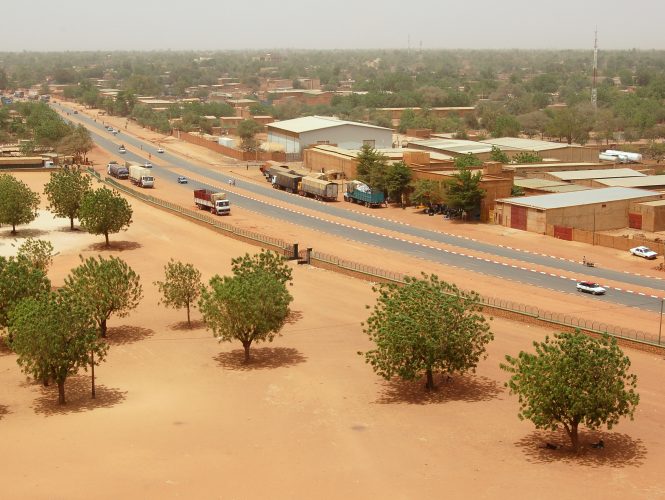
Niger is one of the most dangerous countries in the world, and that reality has to come first in any honest conversation about visiting it.
This landlocked nation sits in West Africa, stretching from the Sahara in the north to the Sahel in the south, bordered by Algeria, Libya, Chad, Nigeria, Benin, Burkina Faso, and Mali.
Geographically, it’s vast, stark, and striking.
Politically and socially, it has been pulled into overlapping conflicts for years.
A mix of poverty, regional instability, militant activity, and repeated military takeovers has left large parts of the country unsafe.
Armed groups operate across multiple borders.
Kidnappings, attacks on civilians, and clashes with security forces are not rare events.
Infrastructure is fragile, emergency response is limited, and foreign governments have sharply reduced their ability to assist travelers.
Even in areas that appear calm, conditions can change quickly and without warning.
That makes it difficult to talk about what Niger could be without sounding hypothetical.
But the country holds deep cultural history, ancient trade routes, desert landscapes, traditional architecture, music, and some of the most visually dramatic terrain in the Sahel.
In a more stable future, it could attract travelers interested in heritage, archaeology, desert trekking, and river-based life along the Niger River.
For now, though, visiting is not adventurous; it’s genuinely risky.
Between terrorism, kidnapping, violent crime, limited medical care, and unreliable infrastructure, there are too many variables that cannot be managed with normal travel precautions.
Niger is a place of potential, but today it is a destination best understood through reporting, photography, and history, not firsthand experience.
Not even a humanitarian mission is worth the risks you’ll face in Niger.
We can’t punctuate the risks enough, but we’ll sure try!
Warnings & Dangers in Niger

OVERALL RISK: HIGH
Niger is a high risk across the board in all categories. In fact, there's not one justifiable reason to visit this country for tourism based on the list of risks.

TRANSPORT & TAXIS RISK: HIGH
It's not even safe to walk outside your hotel during the daytime, much less travel on roads. Driving a vehicle puts you at risk of carjacking or worse. Armed convoys are required to get from one point to another. Visitors need a military escort outside Niamey. Public transportation is too dangerous.

PICKPOCKETS RISK: HIGH
Another high risk, with petty crime being a problem. Honestly, you'd have far bigger crime risks to worry about beyond losing your wallet.

NATURAL DISASTERS RISK: HIGH
The biggest threats are extreme heat, drought, seasonal flooding during the July–September rainy period, and dust storms from the Harmattan wind. Flooding can disrupt roads and services, while heat regularly reaches dangerous levels. It's a high risk, especially considering all the other safety variables in place.

MUGGING RISK: HIGH
Mugging risk in Niger is high, particularly in Niamey and near markets, transport hubs, and poorly lit areas. Armed robbery, bag snatching, and opportunistic assaults occur, and foreigners are visible targets. Police presence is limited, and response times are slow.

TERRORISM RISK: HIGH
Terrorism risk in Niger is high, and one of the primary reasons the country should be avoided. Armed groups operate in multiple regions, carrying out attacks, kidnappings, and ambushes on civilians, security forces, and foreigners. The threat is unpredictable and not confined to remote areas. This is not a manageable risk for travelers.

SCAMS RISK: HIGH
Yep, scams too. Romance scams are designed to lure foreigners to the country. They then face being robbed, kidnapped, held for ransom, or killed. You don't have a wealthy relative in Niger, and no, that person on the internet isn't in love with you. Steer clear.

WOMEN TRAVELERS RISK: HIGH
Another high risk for women, who could face additional crimes such as sexual assault or worse. Blend in as best as you can if you must go. Stay with private security teams if you can find them.

TAP WATER RISK: HIGH
Tap water in Niger is not safe to drink. Use sealed bottled water for drinking, brushing teeth, and ice. Even hotels and guesthouses cannot guarantee proper treatment. Waterborne illness is common, and medical care is limited.
Safest Places to Visit in Niger
There is a tourism website for Niger, which is run by the government at the website visit-niger.com.
The Niger Tourism Promotion Agency runs the website, which is more a highlight of what could be, not a reflection of the harsh risks currently present.
As a look at what could be, not what is, here is what would await visitors if and when the country becomes safer to explore.
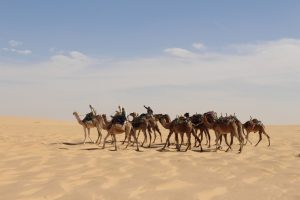
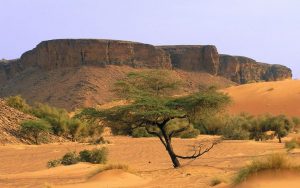
Niger’s north opens into the Sahara, with the Aïr Mountains offering dramatic rock formations, ancient caravan routes, and desert trekking that rivals any in North Africa.
Agadez, once a crossroads of trans-Saharan trade, blends historic architecture, craft traditions, and Tuareg culture.
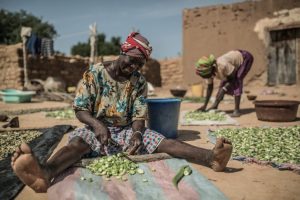
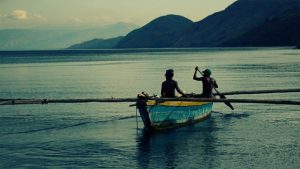
The Niger River valley brings a softer landscape of river towns, fishing communities, markets, and fertile farmland.
In the east, wildlife reserves like W National Park and surrounding ecosystems point to a future of conservation tourism, birding, and river safaris.
Zinder and Maradi reflect deep Sahelian history through old sultanates, traditional festivals, and regional food culture.
Across the country, archaeology, Islamic heritage sites, desert festivals, music, storytelling, and handcrafts hint at a destination rich in identity and experience.
None of this is recommended to be pursued now.
But Niger’s tourism vision is about preserving what makes the country extraordinary, so when stability returns, the world can finally see it safely.
Places to Avoid in Niger
Simply put — avoid all of it.
The entire country of Niger comes with the highest risk level and includes some of the most aggressive warning language I’ve read in government travel advisories.
Terrorists aren’t just here; they live here and plot here.
Tourists, especially Westerners, are targeted for heinous violent crimes, including kidnapping for ransom and murder.
Even visiting for charitable work or volunteering doesn’t protect you from the inherent risks across this troubled country.
Safety Tips for Traveling to Niger
- Law enforcement is handled by the Nigerien National Police and Gendarmerie. For emergencies, dial 17 for police and 18 for fire. Response capability is limited outside Niamey, and even in the capital, it may be slow. Do not expect rapid assistance. If something goes wrong, contact your embassy immediately, but understand that help on the ground may be minimal.
- Niger does not operate a public alert system for travelers. Information about unrest, security incidents, or curfews usually spreads through embassies, local radio, and word of mouth. You must actively monitor embassy notices and trusted international news.
- Foreign nationals face strict movement controls. If you travel outside Niamey, you must be escorted by Nigerien security or military forces. Checkpoints are common, roads are poorly maintained, and travel after dark is dangerous. An International Driving Permit is recommended, but driving yourself is strongly discouraged.
- Health risks are significant. Yellow fever and malaria are common. Yellow fever vaccination is required for entry. Use insect repellent, wear long sleeves at night, and ensure your accommodation is insect-proof. Many travelers are advised to take anti-malarial medication. Medical facilities are extremely limited. Prevention is your first and often only line of defense here.
- French is the official language. English is rarely understood outside diplomatic or aid circles. In most settings, you will need French to navigate basic tasks, checkpoints, and documentation. Miscommunication can quickly become a security issue. Do not assume you can rely on translation apps or English-speaking assistance.
- Expect interruptions to the internet, phone service, water, electricity, and fuel, especially during periods of civil unrest or political tension. Services can disappear without notice and remain offline for days. You must be prepared to operate without reliable communication or basic utilities.
- Regions under a state of emergency operate under expanded security powers. This can mean curfews, restricted movement, vehicle searches, identity checks, and sudden closures of roads or neighborhoods. For visitors, it means fewer legal protections and more authority in the hands of security forces.
- Kidnapping of foreigners is a real threat, particularly outside major urban areas. Armed groups target travelers for ransom or political leverage. Most governments do not negotiate with terrorists, which means assistance may be extremely limited if you are taken. This is not a theoretical risk. If you travel here, you are accepting a level of danger that cannot be mitigated.
- During the dry season, Niger is affected by the Harmattan, a powerful wind that fills the air with sand and dust. Visibility can drop dramatically, disrupting travel and aviation. It can worsen asthma, respiratory conditions, and eye problems. Bring protective eyewear and masks if you are sensitive.
- Niger is predominantly Muslim, and conservative dress is expected. Women should cover their shoulders and knees. During Ramadan, eating, drinking, or smoking in public during daylight hours is disrespectful and can attract unwanted attention. Cultural missteps here are not just social. They can escalate into serious issues quickly in a tense security environment.
So... How Safe Is Niger Really?
There’s really no getting around the fact that Niger isn’t safe to visit as of early 2026.
Government advisories from Canada to the United States to Australia list it at the higher risk level, which is Level 4: Do Not Travel.
If you do choose to visit Niger, you’ll be on your own.
Your government, embassy, or consulate won’t be able to help you if you get into trouble.
The risks are also beyond basic violent crime in Niger.
The advisories use some of the sternest language I’ve read about kidnapping risks, terrorism concerns, mandatory curfews, and regions under a state of emergency declaration.
Once there, you’ll be stuck with military travel escorts required for all foreigners trying to get around.
If you really want an eye-opening look at the safety risks, read the recent attacks list from the United Kingdom’s FCDO advisory.
Since 2022, at least nine deadly attacks have happened.
Niger is one country you’ll want to avoid for the near future.
How Does Niger Compare?
| Country | Safety Index |
|---|---|
 Niger Niger | 37 |
 Tuvalu Tuvalu | 89 |
 Guinea Guinea | 39 |
 Iceland Iceland | 95 |
 Pakistan Pakistan | 26 |
 Burkina Faso Burkina Faso | 41 |
 Mozambique Mozambique | 46 |
 Estonia Estonia | 82 |
 Slovakia Slovakia | 80 |
Useful Information

Visas
Most travelers need a visa to enter Niger, and it must be arranged in advance through an embassy or consulate. There is no visa on arrival for most nationalities. Expect to face the risk of being detained for several days if you're a foreigner trying to enter.

Currency
Niger uses the West African CFA franc (XOF). Cash is essential, especially outside Niamey. Credit cards are rarely accepted, even in better hotels. ATMs are limited and not always reliable.

Weather
Niger is hot, dry, and unforgiving. From March to June, temperatures regularly exceed 100°F. The rainy season runs roughly from July through September, bringing flash flooding and muddy roads. October to February is cooler and more manageable, especially in the desert north. Heat is the biggest travel challenge here, not cold.

Airports
Most international travelers arrive at Diori Hamani International Airport in Niamey. Flight options are limited, and schedules can change with little notice. Domestic air travel is minimal. Expect security checks, manual processing, and delays in addition to the safety risks we've discussed here.

Travel Insurance
You will absolutely want travel insurance for Niger, but getting coverage can be difficult due to its Level 4: Do Not Travel status. Many insurers exclude high-risk destinations or limit benefits. If you find a policy, make sure it includes medical evacuation, security incidents, and trip interruption.
Niger Weather Averages (Temperatures)
Average High/Low Temperature
| Temperature / Month | Jan | Feb | Mar | Apr | May | Jun | Jul | Aug | Sep | Oct | Nov | Dec |
|---|---|---|---|---|---|---|---|---|---|---|---|---|
| High °C |
32 | 35 | 38 | 40 | 40 | 37 | 33 | 33 | 34 | 37 | 36 | 33 |
| Low °C |
15 | 18 | 22 | 25 | 27 | 24 | 23 | 22 | 23 | 24 | 21 | 17 |
| High °F |
90 | 95 | 100 | 104 | 104 | 99 | 91 | 91 | 93 | 99 | 97 | 91 |
| Low °F |
59 | 64 | 72 | 77 | 81 | 75 | 73 | 72 | 73 | 75 | 70 | 63 |












DO NOT TRAVEL
As of 2019 do not travel to Niger, Niger is currently in a civil war. and its just not safe and i think this page did a good job at getting that point across so im going to talk about if do travel there what should you do and how do you stay safe. first if you are white it is a hundred times more dangerous, it means that you’ll almost certainly be a victim of mugging, pick pocketing, or robbery. you are seen as a walking ATM machine. do not handle money in public white or black or your just asking to be robbed. do not show and slightest sign of wealth and i mean no sign of wealth at all. you have to seem just as poor as everybody else to blend in and if you dont you could die. this is a very serious issue and its too be taken serious. women travelers are very likely to be raped or sexually assaulted when going there no matter how hard you try to avoid it. do not go out at night under any circumstances but if you have too try and bring a weapon with you cause your probably gonna need it. cops and law enforcement are very weak and do not respond to many crimes especially rape. also keep in mind you can be imprisoned for up to 10 years for being homosexual or transgender. do not participate in any political protests either. do not travel within 50 meters of the Nigerian boarder, Algerian boarder, Burkina Faso boarder, Togo boarder, Benin boarder, Chad boarder, or Libyan boarder due to armed conflict, civil unrest and terrorism. do not eat any street food what so ever no matter how delicious it might be. ultimately just stay low and excise a ginormous amount of caution and do everything ive mentioned.
I travel to Niameny recently and was welcomed. I went with a friend from the country and he showed me around and the locals did not looks at me twice. Was a pleasant experience
yes good place to visit
You can go if you're black.
You must be black.
Wrong
The answer is wrong.The country is only safe for Muslims if you are black and Muslim yes its safe for you.
Niger Is Not Safe For Travelers
Do Not Travel To Niger It Is Very Very Dangerous There Is Lot’s Of Crime There Niger Is Not Safe
OOF
even don’t travel to Portugal its in a war in corona they kill people
Great country
I hate how people make it seem horrible my family lives in the rich region and never had a problem. In Niamey there are some beggar kids 5 dollars (2,917.50 CFA) will make them very happy.
Hi! I have plan to go there after corona please tell me more about Niger🤗
YARE A NOB
I THING TRAVEL SAFE,HERE IS WRIGHT. YOU DUMB NOOBS COME SEARCH GOOGLE”is niger safe”AND YOU SHALL SEEEEEE!!!
Only what I read!
I have a cousin who is currently in Cairo, Egypt serving with USAID. His next assignment is for him to go back to Niger for two years. He will be sent there sometime in August. After reading the above, I fear for my cousin and his wife who will accompany him. Kevin spent some twenty-plus years in Africa and loves the area. But I think, at the age of 65 and his last assignment, I would have hoped he would have been given a safer place to serve.
GOOD TRAVEL
VWERY GOOD STAY AT NIGER AND ITA FUN AN YUO WONT GET ASSAULTED BEACAUZE I WAZ AND AISO ITS FUN FOR STUFF AND STUFF
I'm really insecure 😕
Got no clue about how safe it is
It paints Niger as extremely high risk with ongoing conflict, terrorism, kidnapping, and fragile infrastructure making even basic movements dangerous. I came away feeling this was more about hard realities than wanderlust inspiration.
It’s heartbreaking to think about all the beauty and culture that Niger holds, yet the reality of danger makes it hard to even imagine visiting. The potential for connection feels overshadowed by instability, and it’s tough to see such a rich history trapped in these circumstances.
It’s heartbreaking to think about the beauty and history that Niger holds, yet the reality of the danger feels so overwhelming. The contrast between its potential and current state really leaves you yearning for change while feeling helpless.
Never thought the silence of the Sahara night would make me so uneasy, I had a knot in my stomach.
Never thought the Sahel night by the Niger River would make me feel that uneasy, the dry dust and silence really got to me.
I once passed through a small town near the border and the sudden power outage reminded me how fragile everything really is there.
I once passed through a quiet village near the Niger River and the peaceful moment there felt worlds away from the danger mentioned, but I knew to keep my guard up.