


 India : Safety by City
- Agra
- Ahmedabad
- Bangalore
- Chandigarh
- Chennai
- Delhi
- Goa
- Gurgaon
- Hyderabad
- Jaipur
- Kerala
- Kochi
- Kolkata
- Kolkatta
- Mangalore
- Mumbai
- Navi Mumbai
- Noida
- Pune
- Surat
- Thiruvananthapuram
- Udaipur
- Vadodara
- Varanasi
Thiruvananthapuram, still widely called Trivandrum, is the capital of Kerala on India’s southwest coast.
It feels different from India’s louder, faster big cities.
The pace is calmer, the greenery is thicker, and the city shifts easily between temples, government buildings, beaches, museums, and leafy neighborhoods.
It is also a practical base for exploring Kovalam, Varkala, and the southern Kerala coast.
From my perspective, this is one of those places that rewards travelers who stay alert but do not arrive overly nervous.
It is not a city that usually overwhelms visitors with constant danger, yet it still comes with the usual big travel realities in India: traffic, occasional scams, monsoon weather, uneven hygiene standards, and the need for extra caution for women after dark.
Overall, it is more manageable than many first-time visitors expect.
Warnings & Dangers in Thiruvananthapuram

OVERALL RISK: LOW
For most tourists, Thiruvananthapuram is a relatively low-risk destination if you use normal urban precautions. Kerala generally has a reputation for being more orderly and easier to navigate than many larger Indian metros. The bigger risks tend to be traffic, weather disruptions during monsoon, and occasional petty crime rather than constant violent street danger.

TRANSPORT & TAXIS RISK: MEDIUM
Transport is usable, but not stress-free. Airport transfers, app-based cabs, prepaid taxis, and hotel-arranged cars are usually the easiest choices. The main risk is not dramatic crime but confusion over routes, pricing, and road behavior. Traffic discipline can feel chaotic to first-time visitors, and crossing streets requires patience and attention.

PICKPOCKETS RISK: LOW
Pickpocketing exists, especially in busy markets, transport hubs, festivals, and crowded city areas, but it is not the first danger most travelers associate with Thiruvananthapuram. This is still India, so phones, wallets, and bags should never be left loose in crowds. Petty theft is more likely than aggressive street robbery.

NATURAL DISASTERS RISK: MEDIUM
Natural disaster risk is real here because Kerala is heavily shaped by monsoon patterns. Heavy seasonal rain, localized flooding, and waterlogged roads can affect movement and day plans. This is less about daily fear and more about timing your trip well and staying flexible during the wettest months.

MUGGING RISK: LOW
Mugging is not the defining safety issue for most visitors in Thiruvananthapuram. Violent crime can happen anywhere, but tourists in this city are more likely to face nuisance situations, transport friction, or street-level opportunism than outright mugging.

TERRORISM RISK: MEDIUM
The city itself is not usually singled out as a major hotspot, but India as a whole requires a degree of caution because of crime and terrorism concerns. In practice, this means travelers should stay aware in transport hubs, public gatherings, markets, and major tourist sites rather than assuming the threat is zero.

SCAMS RISK: MEDIUM
Scams are possible, though they are usually low-level and annoying rather than elaborate. Think inflated taxi fares, unmetered rides, pushy guides, overpriced shopping detours, and occasional tourist overcharging. Booking transport through known apps, hotels, or official counters cuts down most of this risk immediately.

WOMEN TRAVELERS RISK: MEDIUM
Women can and do travel through Kerala successfully, and Thiruvananthapuram is often considered easier than many Indian cities. Still, women should take extra care with night transport, isolated stretches, alcohol-fueled settings, and unsolicited attention. Caution matters more after dark than during daytime sightseeing.

TAP WATER RISK: HIGH
I would not recommend drinking tap water here as a visitor. Even when locals use it routinely, travelers can react badly to differences in treatment, pipe conditions, or contamination levels. Bottled sealed water or properly filtered water is the safer bet, and ice or uncooked washed produce should be approached carefully.
Safest Places to Visit in Thiruvananthapuram
East Fort and the Temple Area
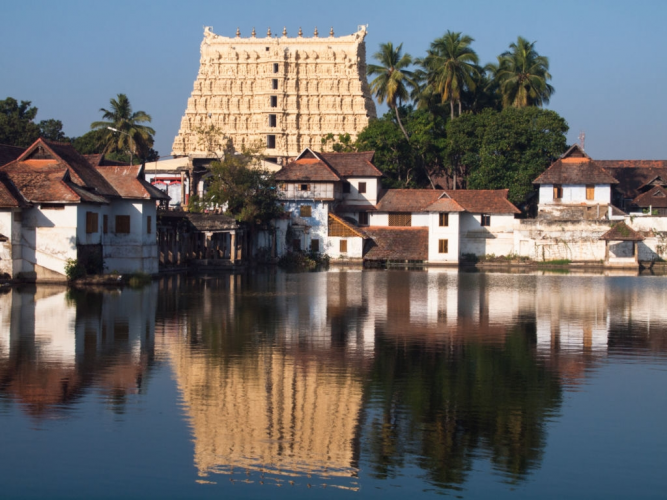
The area around Sree Padmanabhaswamy Temple is one of the city’s best-known visitor zones.
It is busy, culturally important, and usually full of regular movement during the day, which tends to make tourists feel more comfortable.
The key here is not danger so much as respecting dress codes, local customs, and crowd flow.
It is a strong place to start because there are always people around and the city’s historic identity is on full display.
Napier Museum and the Zoo District
The museum and zoo zone is one of the easiest parts of the city for mainstream sightseeing.
It is established, well known, and geared toward families, students, and travelers rather than rough nightlife or isolated backstreets.
Napier Museum itself is a major cultural stop with historical and archaeological exhibits, so you get both interest and a relatively comfortable visitor setting.
Kovalam and Nearby Coastal Excursions
Kovalam is not in the very center of Thiruvananthapuram, but it is one of the safest-feeling tourist add-ons because the area is so accustomed to visitors.
Beach areas always require common sense, especially around water conditions and after dark, but for many travelers this is where the trip starts to feel easy.
Resorts, restaurants, and established tourism infrastructure make it a comfortable choice.
Shankhumugham for Sunset, Not for Carelessness
Shankhumugham Beach is popular and scenic, especially at sunset, and it is a well-known local hangout.
During active hours it can feel relaxed and inviting.
I would still treat it as a place for awareness rather than total complacency.
Beaches change character quickly after dark, and conditions along the shoreline are not always ideal.
Go when it is lively, not when it is deserted.
Places to Avoid in Thiruvananthapuram
Isolated Beachfront Areas Late at Night
The main places I would avoid are not famous crime neighborhoods so much as poorly timed situations.
Quiet beachfront stretches after dark, including less active edges near the coast, are not smart places to wander alone.
The problem is reduced visibility, fewer bystanders, and the simple fact that isolated areas are never as safe as busy ones.
Flood-Prone and Waterlogged Roads During Monsoon
During the wet season, some areas become less about crime and more about practical risk.
Roads can flood, traffic gets messy, and plans can unravel fast.
Visitors should avoid low-lying or waterlogged stretches whenever heavy rain warnings are active.
A place that feels perfectly normal in dry weather can become frustrating or unsafe during monsoon bursts.
Dim Side Streets Around Busy Hubs After Hours
Transport hubs, markets, and central areas are usually fine when active, but the quieter lanes around them can feel very different once crowds thin out.
I would not call them no-go zones in the dramatic sense, but they are the sort of places where solo travelers can become easier targets for overcharging, harassment, or petty theft.
Stick to lit, active streets.
Any Area Where You Are Clearly Being Steered
A soft red flag in Indian cities is the moment someone insists you should not go where you planned and tries steering you somewhere “better,” “cheaper,” or “official.”
That can happen near stations, shopping zones, or tourist areas.
The place itself is not always dangerous, but the situation often is.
Once a stranger starts hijacking your plan, step away.
Safety Tips for Traveling to Thiruvananthapuram
- Use app-based or hotel-arranged transport whenever possible. This immediately cuts down the most common traveler headaches, especially fare confusion and unnecessary route detours. If you land at the airport tired and jet-lagged, prearranged transport is worth the extra structure. It makes your first hour in the city much smoother.
- Do not treat monsoon season lightly. Kerala’s rains are part of its beauty, but they can also disrupt roads, beach plans, and day trips. Pack sandals with grip, a rain layer, and waterproof protection for your phone and documents. During especially wet stretches, build flexibility into your itinerary instead of trying to force every outing.
- Drink sealed bottled water or trusted filtered water only. Even a city that feels clean can still wreck your stomach if you are not used to the local water system. Check bottle seals, be selective with ice, and avoid casual assumptions about “safe enough.” A digestive issue can ruin more of a trip than almost anything else.
- Dress for heat, humidity, and local norms. Light breathable clothing works best, but in temple zones and traditional areas more modest dress is the better call. It is both respectful and practical. Keeping a scarf or extra layer with you can solve a lot of unexpected entry issues at religious sites.
- Keep valuables boring and close to your body. Flashy jewelry, phones dangling from your hand, and open backpacks make you look like easy prey in any city. Use zipped bags, carry only the cash you need for the day, and keep your passport stored securely at your hotel unless you truly need it.
- Be more careful after dark than during the day. Daytime sightseeing in Thiruvananthapuram is generally much easier than late-night wandering. Solo travelers, especially women, should avoid isolated areas, empty beaches, and unverified transport late at night. A city can be pleasant overall and still require sharper nighttime judgment.
- Respect temple rules and local customs. Some of the city’s top attractions are religious spaces, not just tourist sights. Dress codes, photography restrictions, and entry rules may be strict. Ignoring them creates unnecessary conflict and can quickly turn an enjoyable visit into an awkward one. Always check expectations before entering.
- Watch the sea, not just the scenery. Coastal Kerala is gorgeous, but rough water, erosion, or changing beach conditions can catch visitors off guard. Do not assume every beach is ideal for swimming just because it looks calm from shore. Ask locals or your hotel whether conditions are safe that day.
- Avoid letting strangers rewrite your itinerary. If someone says your hotel is closed, a site is unavailable, or there is a better place to shop, pause before believing it. Tourist pressure usually starts with urgency and confidence. Stick to places you chose yourself or verify changes through your hotel or an official source.
- Save emergency contacts and stay connected. Before heading out, save your hotel address, offline maps, and key local numbers. A working phone, enough battery, and a clear way back to your lodging solve half of travel stress. Safety is often less about danger and more about not getting stuck confused in the wrong place.
So... How Safe Is Thiruvananthapuram Really?
Thiruvananthapuram is one of those cities that is safer in practice than many travelers fear, but not so safe that you can switch your brain off.
India requires increased caution overall because of crime and terrorism concerns, and that broader context matters.
Still, those warnings are about the country as a whole, not proof that a tourist in Thiruvananthapuram is likely to run into serious trouble.
What actually shapes your trip here is much more ordinary: road behavior, nighttime judgment, water safety, seasonal weather, and choosing sensible transport.
Kerala’s monsoon system is a genuine factor, and coastal conditions plus flooding risk can sometimes matter more than crime risk.
On the other hand, the city’s established tourist circuit, cultural institutions, and airport connectivity make it more approachable than many visitors expect.
My real-world take is this: if you stay in well-reviewed accommodation, use trusted transport, respect local customs, and avoid isolated places late at night, Thiruvananthapuram is a pretty manageable destination.
It is not risk-free, and it is definitely not a place for sloppy travel habits, but it is also not a city that deserves an exaggerated reputation for danger.
For alert travelers, especially those comfortable with Indian urban travel, it can feel calm, rewarding, and pleasantly grounded.
How Does Thiruvananthapuram Compare?
| City | Safety Index |
|---|---|
| Thiruvananthapuram |
71 |
| Vadodara |
71 |
| Udaipur |
72 |
| Surat |
80 |
| Mangalore |
75 |
| Delhi |
50 |
| Pune |
74 |
 Cozumel Cozumel | 82 |
 Laredo Laredo | 68 |
| Prairieville | 72 |
| Flint | 47 |
 Red Deer Red Deer | 32 |
 Trongsa Trongsa | 90 |
Useful Information

Visas
Many foreign travelers can apply online for an Indian e-Visa before arrival, though eligibility depends on nationality and passport type. Validity, entry rules, and fees vary by visa category and applicant country, so it is important to use the official government portal rather than guessing from third-party sites. Apply well before departure.

Currency
The local currency is the Indian Rupee. In most tourist situations, using ATMs attached to major banks is usually more practical than changing a large amount of cash at the airport. Keep some smaller notes for taxis, tips, and quick purchases, but do not carry your full budget in cash.

Weather
Expect a hot, humid tropical climate for much of the year. In the wider Thiruvananthapuram area, temperatures are often around the low 30s Celsius, with heavy southwest monsoon rains typically peaking from June to August and another rainy phase arriving around mid-October. Light clothes, sun protection, and rain gear all make sense.

Airports
The main gateway is Trivandrum International Airport, right in Thiruvananthapuram. It has separate domestic and international terminal operations and is close enough to make city transfers fairly straightforward. The safest arrival plan is a prepaid taxi, app-based cab, or hotel pickup instead of negotiating transport while tired.

Travel Insurance
Travel insurance is a smart buy for this trip. It helps with medical care, cancellations, baggage issues, and the kind of weather disruption that can hit Kerala during monsoon periods. Even when a destination feels broadly safe, insurance is what saves you when the problem is expensive rather than dramatic.
Thiruvananthapuram Weather Averages (Temperatures)
Average High/Low Temperature
| Temperature / Month | Jan | Feb | Mar | Apr | May | Jun | Jul | Aug | Sep | Oct | Nov | Dec |
|---|---|---|---|---|---|---|---|---|---|---|---|---|
| High °C |
31 | 31 | 32 | 33 | 32 | 30 | 29 | 29 | 30 | 30 | 30 | 31 |
| Low °C |
22 | 23 | 24 | 25 | 25 | 24 | 23 | 23 | 23 | 23 | 23 | 22 |
| High °F |
88 | 88 | 90 | 91 | 90 | 86 | 84 | 84 | 86 | 86 | 86 | 88 |
| Low °F |
72 | 73 | 75 | 77 | 77 | 75 | 73 | 73 | 73 | 73 | 73 | 72 |
India - Safety by City
| City | Safety Index |
|---|---|
| Agra | 50 |
| Ahmedabad | 67 |
| Bangalore | 60 |
| Chandigarh | 77 |
| Chennai | 50 |
| Delhi | 50 |
| Goa | 66 |
| Gurgaon | 71 |
| Hyderabad | 60 |
| Jaipur | 53 |
| Kerala | 74 |
| Kochi | 70 |
| Kolkata | 49 |
| Kolkatta | 48 |
| Mangalore | 75 |
| Mumbai | 55 |
| Navi Mumbai | 80 |
| Noida | 71 |
| Pune | 74 |
| Surat | 80 |
| Thiruvananthapuram | 71 |
| Udaipur | 72 |
| Vadodara | 71 |
| Varanasi | 58 |















Fun trip!
When I was there, I had a blast! The food was excellent and it was great to experience the local cuisine. I found your article pre trip and found the trips useful to help stay safe in a new place!
Did you feel that sense of peace while wandering through the backwaters, or is it just me?
Have you found any hidden gems in Thiruvananthapuram that you think tourists might overlook?
Kovalam at sunset with a chai in hand is honestly one of my favorite simple pleasures in Trivandrum, and it really does feel pretty safe walking back even late in the evening.
Are we sure about the “safest” claim, or is it just because everyone’s too busy chilling at the beaches and backwaters to cause trouble?
Have you ever stood on Kovalam with the salt breeze on your face and suddenly felt everything slow down?
Never thought Trivandrum would feel so laid back, I was caught in a sudden monsoon shower at the beach and it felt strangely peaceful.
Kinda makes me wonder if the calmer pace and thicker greenery are why my shoulders finally relaxed when I wandered into a leafy neighborhood, though I still catch myself checking the sky for monsoon clouds.