


 India : Safety by City
- Agra
- Ahmedabad
- Bangalore
- Chandigarh
- Chennai
- Delhi
- Goa
- Gurgaon
- Hyderabad
- Jaipur
- Kerala
- Kochi
- Kolkata
- Kolkatta
- Mangalore
- Mumbai
- Navi Mumbai
- Noida
- Pune
- Surat
- Thiruvananthapuram
- Udaipur
- Vadodara
- Varanasi
Agra is one of the most famous cities in India, located in the northern state of Uttar Pradesh along the Yamuna River.
It is best known as the home of the Taj Mahal, one of the most recognizable landmarks in the world and a UNESCO World Heritage Site visited by millions of travelers every year.
Historically, Agra served as the capital of the Mughal Empire during the 16th and 17th centuries, which left the city filled with remarkable architecture, historic gardens, and impressive forts.
While Agra’s cultural importance and breathtaking monuments make it a must see destination, travelers often wonder about safety before visiting.
Like many busy tourist cities, Agra presents a mix of incredible experiences alongside some common travel challenges.
From crowded markets and persistent street vendors to occasional scams and transportation issues, visitors should stay aware and prepared.
With the right precautions and an understanding of local conditions, Agra can be explored safely and comfortably.
Let’s take a detailed look at the risks, the safest places to visit, and how travelers can enjoy this historic city while staying secure.
Warnings & Dangers in Agra

OVERALL RISK: MEDIUM
Agra is generally safe for tourists, especially in major sightseeing areas such as the Taj Mahal complex and Agra Fort. However, the city faces issues common to many busy tourist hubs including aggressive vendors, scams targeting visitors, and petty theft in crowded areas. Most travelers visit without serious incidents, but awareness and basic precautions are important.

TRANSPORT & TAXIS RISK: MEDIUM
Transportation in Agra can be chaotic. Traffic congestion, unpredictable driving habits, and unregulated taxi or auto rickshaw drivers can create confusion for tourists. Some drivers attempt to overcharge visitors or steer them toward commission based shops. Using ride apps, negotiating prices beforehand, or booking transportation through hotels helps reduce these risks.

PICKPOCKETS RISK: MEDIUM
Pickpocketing does occur in crowded tourist areas, especially near the Taj Mahal entrance, busy markets like Sadar Bazaar, and train stations. Thieves often target distracted visitors carrying cameras, phones, or bags. While violent theft is uncommon, keeping valuables secure and avoiding displaying expensive items significantly lowers the chance of becoming a target.

NATURAL DISASTERS RISK: LOW
Agra does not experience frequent natural disasters. However, extreme heat during the summer months can pose health risks for travelers unaccustomed to the climate. Occasional seasonal flooding from heavy monsoon rains may disrupt transportation, but severe natural hazards are relatively uncommon compared to other regions.

MUGGING RISK: LOW
Violent crime against tourists is relatively rare in Agra. Most criminal activity targeting visitors involves scams or petty theft rather than physical attacks. Still, travelers should avoid poorly lit streets at night and remain cautious in less crowded areas, particularly if traveling alone after dark.

TERRORISM RISK: MEDIUM
India has faced terrorism concerns in the past, and major tourist landmarks such as the Taj Mahal maintain visible security measures including checkpoints and bag screenings. While attacks targeting Agra are rare, the presence of heightened security reflects ongoing caution due to the city’s global visibility.

SCAMS RISK: HIGH
Tourist scams are one of the most common issues in Agra. Visitors may encounter unofficial guides, fake ticket sellers, overpriced souvenirs, or drivers claiming attractions are closed to redirect tourists to partner shops. While usually non violent, these scams can be frustrating and expensive if travelers are not prepared.

WOMEN TRAVELERS RISK: MEDIUM
Female travelers can visit Agra safely, but cultural differences and occasional harassment may occur, particularly in crowded areas. Unwanted attention such as staring, comments, or requests for photos sometimes happens. Dressing modestly, traveling in groups when possible, and avoiding isolated areas at night can help minimize problems.

TAP WATER RISK: HIGH
Tap water in Agra is not considered safe for drinking. Travelers should avoid drinking tap water and should also be cautious with ice cubes, unwashed fruits, or street beverages prepared with untreated water. Bottled water from sealed containers is widely available and strongly recommended.
Safest Places to Visit in Agra
Agra’s main tourist areas are generally well monitored and safe for visitors, especially during daytime hours when police presence and crowds are common.
The Taj Mahal complex is the most secure and carefully regulated area in the city.
Visitors must pass through security screening before entering, and the surrounding tourist zone is heavily patrolled to ensure the safety of both domestic and international travelers.
Agra Fort is another safe and highly organized attraction.
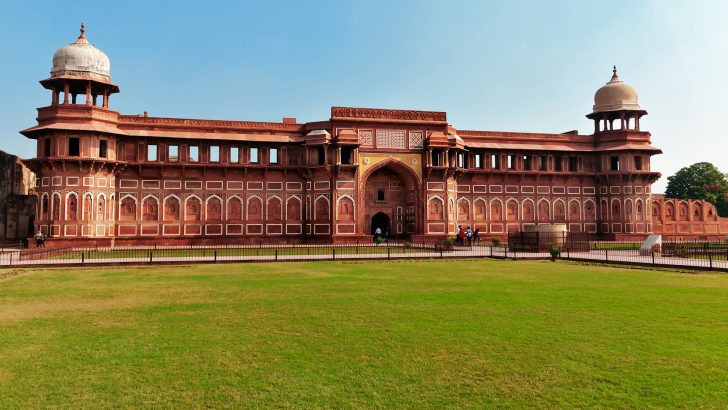
This massive red sandstone fortress served as a residence for Mughal emperors and remains one of the city’s most impressive historical sites.
Security measures and controlled entrances make the experience comfortable for tourists.
Mehtab Bagh, located across the Yamuna River from the Taj Mahal, offers a peaceful alternative to the busier attractions.
The garden provides one of the best sunset views of the Taj Mahal and is far less crowded than the main monument grounds.
Sadar Bazaar is one of the most popular shopping areas in Agra.
While it can be crowded, it is generally considered safe thanks to its central location and constant activity.
Visitors can find handicrafts, leather goods, and traditional Indian sweets while enjoying the lively atmosphere.
Fatehpur Sikri, located about 40 kilometers from Agra, is another excellent destination.
This UNESCO World Heritage Site features a stunning abandoned Mughal city filled with palaces, mosques, and courtyards.
Organized tours and established tourist infrastructure make it a safe and rewarding excursion.
Places to Avoid in Agra
Although Agra is not considered a highly dangerous city, certain areas require more caution, especially for tourists unfamiliar with the surroundings.
Agra Cantonment railway station and nearby transit areas can attract pickpockets and aggressive vendors targeting arriving travelers.
While the station itself is busy and monitored, the surrounding streets may feel chaotic and confusing for first time visitors.
It is best to arrange transportation in advance when arriving by train.
Some narrow streets in the older parts of the city near Kinari Bazaar can become overcrowded and difficult to navigate.
While these markets are culturally fascinating, tourists may experience persistent sales pressure and occasional scams from unofficial guides or shop owners.
Less developed neighborhoods on the outskirts of Agra may lack proper lighting and tourist infrastructure.
Visitors exploring independently should avoid wandering too far from main tourist districts, particularly after dark.
Travelers should also be cautious of individuals claiming to be government officials or authorized guides who approach tourists near major monuments.
Many of these people operate unofficially and attempt to charge high fees for services that are unnecessary or misleading.
By staying within well known tourist zones and using reputable transportation, visitors can avoid most of the city’s riskier areas.
Safety Tips for Traveling to Agra
- Book official guides only. Agra has many knowledgeable guides, but not all of them are licensed. If you want a guided tour of the Taj Mahal or Agra Fort, hire guides through official counters or trusted travel agencies. This helps avoid scams and ensures accurate historical information.
- Use ride apps or hotel transportation. Transportation confusion is one of the biggest complaints from travelers. Using trusted ride services or hotel arranged taxis reduces the chance of overcharging or unnecessary detours.
- Carry small amounts of cash. Large crowds and busy markets increase the risk of pickpocketing. Carry only the cash you need for the day and keep extra money stored securely in your hotel safe.
- Stay hydrated safely. The heat in Agra can be intense, especially from April through June. Always drink bottled water and check that the seal is intact before opening it.
- Avoid street food with questionable hygiene. While Indian street food can be delicious, choose busy vendors with high turnover and freshly cooked dishes. Avoid raw foods or anything washed with tap water.
- Keep valuables secure. Use anti theft bags or money belts in crowded areas like the Taj Mahal entrance, train stations, and markets. Keeping bags zipped and worn across the body reduces risk.
- Be cautious with friendly strangers. Some locals may approach tourists offering help, tours, or recommendations. While many are genuine, others may guide you toward shops where they receive commissions.
- Dress respectfully. Modest clothing is recommended in Agra, especially when visiting religious sites. Lightweight clothing that covers shoulders and knees helps travelers blend in and avoid unwanted attention.
- Plan visits early in the day. Popular attractions become extremely crowded by midday. Visiting early in the morning not only improves safety and comfort but also provides better views and cooler temperatures.
- Research ticket prices in advance. Knowing official entry fees for monuments like the Taj Mahal helps prevent fake ticket scams. Purchasing tickets from official counters or verified websites is the safest option.
So... How Safe Is Agra Really?
Agra is considered moderately safe for international travelers, particularly those visiting its famous historical landmarks.
The city welcomes millions of tourists each year, and the local economy heavily depends on tourism.
Because of this, authorities maintain visible security around major attractions such as the Taj Mahal, Agra Fort, and nearby heritage sites.
The main risks travelers encounter are usually non violent.
Petty theft, scams, aggressive vendors, and transportation issues are the most common concerns.
These situations can often be avoided through preparation, awareness, and using trusted services.
Crime levels involving serious violence against tourists remain relatively low compared to many global destinations.
However, cultural differences, overcrowded areas, and intense sales tactics can make the experience overwhelming for first time visitors.
For women travelers and solo visitors, caution is recommended, especially at night or in unfamiliar neighborhoods.
Dressing modestly, staying in reputable accommodations, and arranging transportation in advance all contribute to a safer trip.
Overall, Agra can be a rewarding and safe destination when travelers stay alert and follow basic travel safety practices.
With its remarkable history, iconic architecture, and vibrant culture, the city continues to attract visitors from around the world who come to witness the beauty of the Taj Mahal and the legacy of the Mughal Empire.
How Does Agra Compare?
| City | Safety Index |
|---|---|
| Agra |
50 |
| Kochi |
70 |
| Ahmedabad |
67 |
| Kolkata |
49 |
| Navi Mumbai |
80 |
| Delhi |
50 |
| Noida |
71 |
 Brunswick Brunswick | 51 |
 Manama Manama | 54 |
| Albuquerque | 35 |
| Ventura | 76 |
| Kalispell | 74 |
| Las Vegas | 62 |
Useful Information

Visas
Most international visitors to India need a visa before arrival. Many travelers can apply for an electronic tourist visa online through the Indian government’s official portal. The e visa typically allows stays of up to 30 days, one year, or five years depending on the option selected. Fees vary by nationality but usually range from about 25 to 80 USD.

Currency
The official currency in Agra is the Indian Rupee. Currency exchange services are widely available at airports, banks, and authorized exchange counters. ATMs are common throughout the city, but it is wise to notify your bank before traveling. Many hotels and larger restaurants accept credit cards, though cash is still widely used.

Weather
Agra experiences a hot climate for much of the year. Summers from April to June can be extremely hot, often exceeding 40 degrees Celsius. The monsoon season brings rain from July to September, while the winter months from November to February are cooler and more comfortable for sightseeing. Lightweight clothing, sunscreen, and hats are recommended.

Airports
The nearest major airport serving Agra is Indira Gandhi International Airport in Delhi, located about 230 kilometers away. Most international travelers arrive in Delhi and then take a train, bus, or private car to Agra. The journey typically takes three to four hours depending on traffic and transportation choice.

Travel Insurance
Travel insurance is highly recommended when visiting Agra. A good policy can cover unexpected medical expenses, trip cancellations, lost luggage, or travel delays. Healthcare costs for tourists can be significant without coverage, so purchasing insurance before departure helps ensure a safer and more secure travel experience.
Agra Weather Averages (Temperatures)
Average High/Low Temperature
| Temperature / Month | Jan | Feb | Mar | Apr | May | Jun | Jul | Aug | Sep | Oct | Nov | Dec |
|---|---|---|---|---|---|---|---|---|---|---|---|---|
| High °C |
23 | 26 | 33 | 39 | 42 | 41 | 36 | 34 | 34 | 34 | 29 | 24 |
| Low °C |
7 | 10 | 15 | 22 | 16 | 28 | 27 | 26 | 25 | 19 | 13 | 8 |
| High °F |
73 | 79 | 91 | 102 | 108 | 106 | 97 | 93 | 93 | 93 | 84 | 75 |
| Low °F |
45 | 50 | 59 | 72 | 61 | 82 | 81 | 79 | 77 | 66 | 55 | 46 |
India - Safety by City
| City | Safety Index |
|---|---|
| Agra | 50 |
| Ahmedabad | 67 |
| Bangalore | 60 |
| Chandigarh | 77 |
| Chennai | 50 |
| Delhi | 50 |
| Goa | 66 |
| Gurgaon | 71 |
| Hyderabad | 60 |
| Jaipur | 53 |
| Kerala | 74 |
| Kochi | 70 |
| Kolkata | 49 |
| Kolkatta | 48 |
| Mangalore | 75 |
| Mumbai | 55 |
| Navi Mumbai | 80 |
| Noida | 71 |
| Pune | 74 |
| Surat | 80 |
| Thiruvananthapuram | 71 |
| Udaipur | 72 |
| Vadodara | 71 |
| Varanasi | 58 |












Incredible India. The Taj Mahal is one of the most beautiful buildings ever created. The exquisite marble structure in Agra, India is a mausoleum, an enduring monument to the love of a husband for his favorite wife.
Beautiful city, messy infrastructure
As millions of other people we were in Agra to visit the Taj Mahal and we weren’t disappointed. Busy city, with a ton of people going about at any time. I didn’t experience anything unpleasant but I can’t say that I would qualify the city as safe; from reckless driving to people running around, I would give it a 3.
I still can’t get over how breathtaking the Taj Mahal is in person; it really feels like stepping back in time. The history in Agra is so rich, you can almost feel it in the air. Did you get a chance to see Itmad-Ud-Daulah’s Tomb?
What’s your favorite memory from visiting the Taj Mahal, or did any other spot in Agra surprise you?
Walking along the Yamuna with the Taj’s white marble in sight made me feel strangely calm, all that history around you.
The markets around the Taj can get really intense with all the vendors, but there’s something about the buzz that makes the chaos kind of exciting rather than overwhelming.
I wasn’t ready for how intense the crowds around the Taj Mahal get, it’s a whole different vibe than the quiet photos make it look.