


 New Zealand : Safety by City
New Zealand - safety as a country
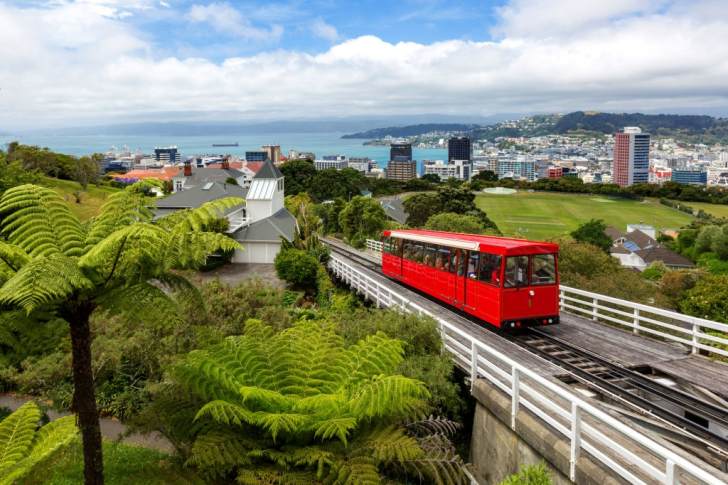
Wellington sits at the southern tip of New Zealand’s North Island, wrapped around a harbor and framed by steep green hills.
It is the country’s capital, but it does not feel stiff or overly formal.
Instead, it feels creative, compact, and a little windswept in the best possible way.
You get waterfront walks, indie coffee shops, cable car views, and a lively arts scene all packed into one manageable city.
I like Wellington because it feels easy to explore without being dull.
It is polished in some places, scruffy in others, and usually full of locals actually using the city rather than performing for tourists.
Safety-wise, it is one of the more comfortable urban destinations in the region, but it is not a place to switch your brain off completely, especially at night and in nightlife-heavy areas.
Warnings & Dangers in Wellington

OVERALL RISK: LOW
Wellington is generally a low-risk destination for travelers. Violent crime against tourists is uncommon, and most visits are trouble-free. The bigger day-to-day concerns are petty theft, intoxicated people in nightlife areas, and the city’s natural hazards, particularly earthquakes and tsunami risk. Stay alert, use normal city sense, and Wellington is usually an easy place to travel confidently.

TRANSPORT & TAXIS RISK: LOW
Public transport in Wellington is reliable overall, and getting around the city center is simple. Licensed taxis, rideshares, buses, and the airport connection are widely used and usually safe. The main issues are practical rather than criminal: windy weather, slippery hills, and occasional delays. Late at night, it is smarter to book known services instead of accepting random ride offers.

PICKPOCKETS RISK: MEDIUM
Pickpocketing is not the first thing most people associate with Wellington, but petty theft does happen, especially in busy central areas, nightlife zones, and places where visitors leave bags unattended. Phones, wallets, and backpacks are the usual targets. I would not call it a pickpocket hotspot, but careless travelers can make things easy for thieves.

NATURAL DISASTERS RISK: MEDIUM
This is where Wellington deserves real respect. The city sits in a seismically active part of New Zealand, and earthquakes are a genuine risk. Tsunami exposure also matters along the coast, and strong winds can be intense. Flooding and landslides can affect some areas during bad weather. These are not reasons to avoid Wellington, but they are reasons to pay attention.

MUGGING RISK: LOW
Mugging is not a major threat for most visitors in Wellington. Street robbery can happen, as in any city, but it is not a defining safety issue here. Risk rises late at night around bars, clubs, and quieter side streets after people have been drinking. Most travelers are far more likely to deal with nuisance behavior than a serious physical confrontation.

TERRORISM RISK: LOW
The terrorism risk for everyday travelers in Wellington is low. New Zealand is generally considered a stable and safe destination, and Wellington does not have the kind of threat environment seen in many larger global capitals. Still, major public events, transport hubs, and government areas always call for basic awareness, especially if local authorities issue any advisories.

SCAMS RISK: LOW
Scams are not one of Wellington’s biggest tourist headaches. You are more likely to run into minor overcharging, fake online listings, or unofficial services than elaborate street fraud. Most businesses are straightforward and well regulated. The best protection is simple: book accommodation carefully, use official apps and transport options, and be cautious with anyone rushing you into payment.

WOMEN TRAVELERS RISK: LOW
Wellington is generally comfortable for women traveling alone, especially by regional standards. The city center is active, public transport is commonly used, and solo female travelers often find it manageable and welcoming. That said, nightlife zones can get rowdy, and poorly lit areas are best avoided late at night. Standard urban precautions still matter, particularly after dark.

TAP WATER RISK: LOW
Tap water in Wellington is generally safe to drink, and most travelers do not need bottled water for health reasons. Carrying a reusable bottle is usually perfectly fine. The only time I would be more cautious is during a local water advisory or infrastructure disruption. If one is issued while you are visiting, follow local guidance immediately.
Safest Places to Visit in Wellington
Wellington Waterfront
The waterfront is one of the best places to start if you want a relaxed and generally safe introduction to the city.
It is open, scenic, and popular with walkers, runners, office workers, and tourists throughout the day.
The area around Te Papa, the wharves, and the harborside paths feels visible and easy to navigate, which is always a plus from a safety standpoint.
Thorndon And The Parliamentary Precinct
Thorndon has a more polished, institutional feel thanks to government buildings, historic streets, and well-kept surroundings.
The area near Parliament, the Botanic Garden access points, and nearby heritage sites tends to feel calmer than the late-night entertainment district.
It is a good pick for travelers who prefer a quieter base without being far from central attractions.
Kelburn And The Cable Car Area
Kelburn is great if you want views without the chaos.
Riding the Wellington Cable Car up to the Botanic Garden gives you one of the city’s classic experiences, and the neighborhood itself feels residential and settled.
It is not the kind of place most tourists associate with trouble.
During daylight hours, it is especially pleasant and low stress.
Oriental Bay
Oriental Bay has a polished, relaxed atmosphere that suits travelers who want scenic walks, cafés, and a more laid-back city feel.
It is popular with locals and visitors alike and usually feels comfortable during the day and early evening.
It is also a good place for people who want to stay near the water without being directly in the nightlife core.
Places to Avoid in Wellington
Courtenay Place Late At Night
Courtenay Place is not a no-go zone, but it is the part of Wellington where many visitors are most likely to feel uncomfortable after dark.
The area is packed with bars, clubs, fast-food spots, and heavily intoxicated crowds on weekends.
Trouble here is more often disorderly behavior, arguments, or harassment than serious violence, but that is still enough reason to stay sharp.
Parts Of Te Aro After Hours
Te Aro is one of Wellington’s most interesting districts, and during the day it is full of good food, shopping, and character.
The problem is that some sections become less pleasant late at night, particularly around side streets branching off the entertainment corridors.
You do not need to avoid the whole area, but wandering alone when the crowds thin out is not ideal.
Isolated Coastal Or Hill Areas In Bad Conditions
Some of Wellington’s riskier spots are not dangerous because of crime, but because of environment.
Coastal stretches, lookout points, and hill roads can feel exposed during high winds, heavy rain, or after seismic activity.
If the weather turns rough or authorities issue warnings, avoid treating scenic areas like they are automatically safe just because they are beautiful.
Unfamiliar Quiet Streets After Midnight
Wellington’s center is compact, which can trick travelers into thinking every nearby street is equally safe at every hour.
That is not really true.
Once you leave the busier strips, some blocks empty out quickly.
If you are out late, avoid shortcuts through poorly lit or deserted streets and stick to visible main routes or use a booked ride.
Safety Tips for Traveling to Wellington
- Treat earthquakes as a real travel consideration. Wellington is not just theoretically earthquake-prone. Learn the basic response before you arrive. If shaking starts indoors, drop, cover, and hold. If you are near the coast and feel a long or strong quake, move inland or to higher ground once the shaking stops.
- Be more cautious in nightlife areas than in tourist areas. A lot of Wellington feels relaxed, but the mood changes around busy drinking zones late at night. Courtenay Place and nearby streets can get loud and messy on weekends. You do not need to avoid them completely, but keep your phone secure, do not flash valuables, and avoid arguments with drunk strangers.
- Do not leave anything visible in a parked car. This is one of the most common mistakes visitors make in New Zealand cities. Even a bag, jacket, or charging cable can tempt opportunistic theft. If you rent a car, leave absolutely nothing on display, not even for a quick stop.
- Use official transport options at night. Wellington is easy to walk, but late at night it makes sense to switch from casual exploring to planned movement. Use licensed taxis, known rideshare services, or official public transport. Do not rely on random offers from strangers, especially outside nightlife venues.
- Prepare for the wind. This sounds almost funny until you are in it. Wellington’s wind can affect walking, driving, ferry crossings, and general comfort. Bring a proper layer, wear stable footwear, and do not underestimate how quickly the weather can shift from pleasant to annoying.
- Stay aware on the waterfront and coast in rough weather. The harbor and coastal areas are some of the city’s biggest draws, but bad weather changes the equation fast. Strong gusts, rain, and rough seas can make exposed areas less safe than they appear. Check conditions before long walks or scenic detours.
- Keep an eye on your belongings in busy cafés and public places. Wellington has a café culture that invites people to relax, set things down, and get comfortable. That is great until a phone or bag disappears. Keep valuables close, especially if you are working on a laptop or sitting near doors, windows, or crowded public areas.
- Choose accommodation location carefully. Where you stay affects how safe the city feels. If you want easy evenings and quieter nights, look at areas like Oriental Bay, Thorndon, or Kelburn rather than right in the middle of the club district. A central location is useful, but too central can mean more noise and more late-night chaos.
- Follow local emergency information during bad weather or hazard events. This matters more in Wellington than in many cities. Earthquakes, storms, slips, transport disruptions, and coastal warnings are not rare enough to ignore. If authorities issue local instructions, do not treat them as background noise. Read them and act on them.
- Use common solo travel habits, especially after dark. Wellington is friendly overall, but solo travelers should still keep someone informed, avoid deserted shortcuts, and trust their instincts. If a street, venue, or person feels off, change plans early rather than trying to be polite. Good judgment solves most problems before they start.
So... How Safe Is Wellington Really?
Wellington is, in practical terms, a fairly safe city for travelers.
Most people who visit will deal with little more than strong wind, steep streets, and the occasional overpriced coffee.
Crime exists, but for tourists it is usually low-level crime such as theft from cars, unattended bags, or nuisance behavior in nightlife districts rather than targeted violence.
That puts Wellington in a favorable category compared with many capitals.
What makes Wellington different is that its most serious safety issue is not ordinary street crime but natural hazard exposure.
Earthquakes are a genuine part of life here, and because the city is coastal, tsunami planning matters too.
Add severe wind and weather-related disruptions, and Wellington asks visitors to think beyond the usual big-city checklist.
In my view, Wellington is safe for travel if you approach it with normal urban caution and a little hazard awareness.
Stay alert in entertainment areas after dark, do not leave belongings visible, and learn the local earthquake and tsunami basics.
Do that, and Wellington feels much more welcoming than intimidating.
For most travelers, the city is a low-stress destination with a few very specific things worth respecting.
How Does Wellington Compare?
| City | Safety Index |
|---|---|
| Wellington |
72 |
| Auckland |
85 |
| Wanaka |
90 |
| Rotorua |
82 |
| Taupo |
87 |
| Christchurch |
80 |
| Queenstown |
91 |
 Sierra Vista Sierra Vista | 78 |
| Johnson City | 68 |
| Sacramento | 51 |
| Arvada | 87 |
 Kyoto Kyoto | 83 |
| San Bernardino | 63 |
Useful Information

Visas
Many travelers heading to New Zealand need either a visitor visa or an NZeTA before arrival, depending on nationality. Some visa-waiver visitors still need the electronic travel authorization rather than a full visa. Passport validity and onward travel requirements can matter, so check the rules for your passport well before departure instead of assuming entry is automatic.

Currency
Wellington uses the New Zealand dollar. Card payments are widely accepted, so you usually do not need to carry much cash. It is often better to withdraw local currency from a bank ATM than exchange a large amount at airports, where rates can be less favorable. Let your bank know you are traveling to avoid payment surprises.

Weather
Wellington has a temperate climate, so you usually will not face brutal heat or deep cold, but the wind is famous and absolutely real. Pack layers, a waterproof outer layer, and shoes that can handle hills and sudden rain. Even in warmer months, evenings can feel cooler than expected when the wind picks up.

Airports
Wellington Airport is the main gateway for most travelers and sits only a short distance from the central city. Getting into town is straightforward by taxi, rideshare, or the Airport Express bus. The trip is usually quick, though traffic and weather can affect travel times, so leave a bit of buffer if you are flying out.

Travel Insurance
Travel insurance is a smart idea for Wellington, not just for lost bags or cancellations, but because weather disruptions and natural hazards can affect plans. A solid policy should cover medical costs, trip interruption, theft, and transport delays. Even in a generally safe destination, insurance is one of those things you want before you need it.
Wellington Weather Averages (Temperatures)
Average High/Low Temperature
| Temperature / Month | Jan | Feb | Mar | Apr | May | Jun | Jul | Aug | Sep | Oct | Nov | Dec |
|---|---|---|---|---|---|---|---|---|---|---|---|---|
| High °C |
20 | 20 | 19 | 17 | 14 | 12 | 11 | 12 | 13 | 14 | 16 | 18 |
| Low °C |
13 | 13 | 12 | 10 | 8 | 7 | 6 | 7 | 8 | 9 | 10 | 12 |
| High °F |
68 | 68 | 66 | 63 | 57 | 54 | 52 | 54 | 55 | 57 | 61 | 64 |
| Low °F |
55 | 55 | 54 | 50 | 46 | 45 | 43 | 45 | 46 | 48 | 50 | 54 |
New Zealand - Safety by City
| City | Safety Index |
|---|---|
| Auckland | 85 |
| Christchurch | 80 |
| Queenstown | 91 |
| Rotorua | 82 |
| Taupo | 87 |
| Wanaka | 90 |
| Wellington | 72 |










This place has so many quirky, fun cafes and bars!
So many quirky cafes that we absolutely loved! One of a kind bars are present here as well. I felt very safe while I was here as did my whole family and friends (we were 12 people in total). We had a lot of fun, didn’t see or hear of anyone being mugged or pickpocketed. Not saying it doesn’t happen, we just didn’t see it. We didn’t travel to bad neighborhoods because why would you do that anyway? The places we saw in the city were nice, interesting and we plan a second trip in a few years.
Stumbling upon those quirky cafes in Wellington felt like finding hidden treasures, each one with its own vibe and personality that just puts a smile on your face.
I didn’t expect the wind to be that strong walking along the harbor but it somehow adds to the charm and makes the coffee shops feel like a perfect little refuge.