


 New Zealand : Safety by City
New Zealand - safety as a country
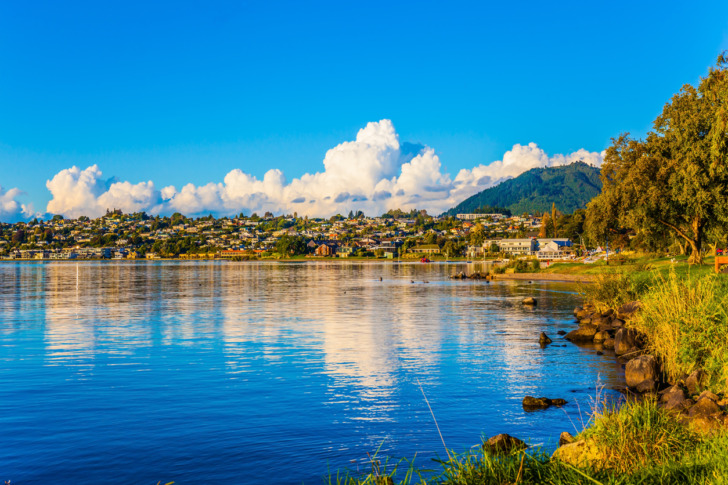
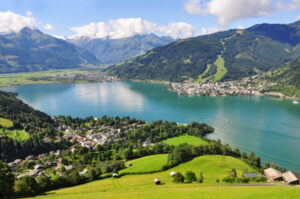
Taupo sits almost perfectly in the middle of New Zealand’s North Island, wrapped around the northern edge of Lake Taupo, the largest lake in the country.
The place feels calm at first glance: blue water, snowy volcanoes in the distance, forest trails, hot springs, and that crisp “I should probably buy hiking socks” kind of air.
But Taupo is not just a sleepy lakeside town.
It sits in one of New Zealand’s most dramatic geothermal and volcanic regions, with steaming ground, rushing rivers, and outdoor activities that range from gentle lake walks to skydiving and jet boating.
In my opinion, Taupo is one of the safer adventure towns you can visit, but it rewards travelers who respect nature, weather, water, and the classic New Zealand rule: don’t leave your bag sitting in the car.
Warnings & Dangers in Taupo

OVERALL RISK: LOW
Taupo is generally a safe destination for tourists. Violent crime against visitors is uncommon, the town is easy to navigate, and most popular attractions are well managed. The main risks are not street crime, but outdoor safety, road conditions, lake weather, and petty theft from parked cars.

TRANSPORT & TAXIS RISK: LOW
Transport in Taupo is safe, but limited compared with big cities. Taxis, shuttles, rental cars, and tour transfers are the most practical options. The bigger concern is driving: New Zealand roads can be narrow, winding, dark, and tiring, especially between Taupo, Rotorua, Tongariro, and Napier.

PICKPOCKETS RISK: LOW
Pickpocketing is not a major issue in Taupo. You are more likely to deal with opportunistic theft from cars, bags left at swimming spots, or unattended valuables at busy viewpoints. Keep your phone, wallet, passport, and camera with you, especially near lakefront areas and trail car parks.

NATURAL DISASTERS RISK: MEDIUM
This is Taupo’s biggest safety category. The region has volcanic, geothermal, earthquake, severe weather, flooding, lake, and river hazards. Serious events are rare, but the environment is powerful. Stay on marked tracks, obey geothermal warning signs, check the weather before hikes, and treat Lake Taupo like an inland sea.

MUGGING RISK: LOW
Muggings are rare in Taupo, especially in normal tourist areas during the day. As in any town with nightlife, risk rises late at night around bars, dark lakefront paths, and quiet streets. Walk with others after drinking, avoid confrontations, and use taxis if your accommodation is not nearby.

TERRORISM RISK: LOW
Taupo has a low terrorism risk. It is a small New Zealand tourist town, not a major political, financial, or symbolic target. Normal public-space awareness is enough. The realistic safety concerns for visitors are road accidents, mistakes during adventure activities, water hazards, and theft from unattended vehicles.

SCAMS RISK: LOW
Tourist scams are not common in Taupo. Most operators are legitimate, prices are usually clear, and New Zealand consumer standards are strong. Still, book adventure activities through established companies, avoid unofficial “too cheap” private transfers, and confirm cancellation rules for weather-dependent tours like boating, skydiving, and rafting.

WOMEN TRAVELERS RISK: LOW
Taupo is generally safe for women travelers, including solo travelers. The town is relaxed, friendly, and well used to tourists. The usual precautions still apply: avoid isolated lakefront areas late at night, watch your drink, use licensed transport after dark, and tell someone your plan before hiking or kayaking alone.

TAP WATER RISK: LOW
Tap water in Taupo is safe to drink. The local water supply is monitored and treated to meet New Zealand drinking water standards. Bring a refillable bottle, especially for walks, bike rides, hot pools, and summer lake days. In remote areas, do not drink untreated river or lake water.
Safest Places to Visit in Taupo
Lake Taupo Lakefront
The main lakefront near town is one of the easiest and safest places to enjoy Taupo.
During the day, it is popular with families, walkers, cyclists, swimmers, and people doing the classic “stand by the lake and pretend I live here now” routine.
Stick to visible, busy areas, swim only when conditions look calm, and be careful with sudden wind changes.
Huka Falls
Huka Falls is one of Taupo’s best attractions and also one of the safest when visited properly.
The viewing platforms and main paths are well established, busy, and easy to follow.
The danger is not crime, but the water itself.
The Waikato River here is incredibly powerful, so do not climb fences, scramble down banks, or try to get close for a better photo.
Great Lake Walkway
The Great Lake Walkway is a safe, scenic choice for walking, jogging, cycling, and casual sightseeing.
It follows the lake edge and gives you wide views without requiring serious hiking skills.
It is best in daylight and good weather.
Keep an eye on cyclists, bring a layer, and avoid isolated stretches after dark.
Managed Geothermal Attractions
Places like Craters of the Moon and established hot spring facilities are safer ways to experience Taupo’s geothermal side.
The boardwalks, signs, barriers, and staff are there for a reason.
Geothermal ground can be thin, unstable, and dangerously hot, so never wander off-track just because a steaming patch looks interesting.
Mine Bay Māori Rock Carvings Tours
The Mine Bay carvings are usually visited by boat or kayak tour, and that is the safest way to do it.
Lake Taupo can change quickly, so going with a professional operator is smarter than guessing conditions yourself.
Wear a life jacket, listen to the guide, and do not underestimate wind or cold water.
Places to Avoid in Taupo
Isolated Car Parks After Dark
Taupo does not really have “no-go neighborhoods” for tourists.
The more realistic issue is isolated car parks near trails, lakeside reserves, hot springs, river access points, and viewpoints.
These are not places to panic about, but leaving a visible backpack, laptop, camera, or passport in a rental car is asking for trouble.
Quiet Lakefront Areas Late at Night
The lakefront is lovely during the day, but quieter stretches can feel empty at night.
Avoid walking alone along dark sections after drinking or after the town has gone quiet.
Stay near lit streets, restaurants, and accommodation areas, or take a taxi if you are heading back late.
Town Centre Nightlife Spots After Midnight
Central Taupo is usually safe, but like most small tourist towns, the mood can change around bars late at night.
Around Tongariro Street, Tuwharetoa Street, and nearby nightlife areas, the risk is not organized crime; it is drunk arguments, loud groups, and poor decisions.
Keep it simple: avoid confrontations and leave before things get messy.
Unmarked Geothermal Areas
This is one of the most important warnings in Taupo.
Do not walk into steaming fields, unofficial hot pools, fenced-off thermal zones, or soft ground near geothermal activity.
Burns can be severe, and the danger is not always obvious.
If there is a sign, fence, boardwalk, or warning, believe it.
Remote Roads When Tired
Avoid long rural drives late at night if you are tired, jet-lagged, or unfamiliar with left-side driving.
Roads around Taupo can be dark, winding, and exposed to fog, rain, ice, or sudden weather shifts.
State Highway routes are generally safe, but they demand attention.
Safety Tips for Traveling to Taupo
- Do not leave valuables in your car. This is probably the most practical crime tip for Taupo. Tourists often drive between Huka Falls, hot springs, lake beaches, trailheads, and viewpoints. Thieves know that rental cars may contain bags, passports, cameras, and electronics. Take valuables with you, lock the vehicle, and never leave luggage visible.
- Treat Lake Taupo like a serious body of water. Lake Taupo may look peaceful, but it is huge, deep, cold, and exposed to fast-changing wind. Conditions can shift quickly, especially for kayakers, paddleboarders, swimmers, and boaters. Wear a life jacket, check the forecast, avoid going out alone, and do not swim far from shore unless conditions are calm.
- Stay on marked geothermal tracks. Taupo’s geothermal landscape is part of what makes it special, but it is not a playground. Hot ground, steam vents, boiling water, unstable crust, and toxic gases can be dangerous. Use boardwalks, follow signs, and do not step over barriers for photos. The best selfie is the one where you still have normal ankles afterward.
- Book adventure activities with reputable operators. Skydiving, jet boating, kayaking, rafting, bungy jumping, and mountain biking are popular in Taupo. New Zealand has a strong adventure tourism culture, but you should still choose established operators, read safety instructions, and disclose medical conditions. Do not treat waivers and briefings like boring paperwork. They matter.
- Check weather before outdoor plans. Taupo’s weather can change quickly, and nearby higher-altitude areas can be much colder than town. If you are heading toward Tongariro, Ruapehu, remote bike trails, or longer walks, check the forecast carefully. Pack layers, rain protection, water, snacks, and a charged phone. In winter, expect cold mornings and possible icy roads.
- Be careful around rivers and waterfalls. Huka Falls and the Waikato River are spectacular, but the water is extremely powerful. Stay behind barriers, keep children close, and avoid climbing down banks or rocks. Even confident swimmers should not take risks around strong current. Fast water does not care how good your vacation photos would have looked.
- Plan your driving realistically. Driving in New Zealand often takes longer than the map suggests. Roads can be narrow, winding, and slower than expected, especially in bad weather or behind trucks and campervans. If you are arriving from overseas, give yourself time to adjust to left-side driving and avoid long drives immediately after a flight.
- Use common nightlife sense. Taupo is relaxed, but alcohol can still create problems. If you go out at night, stay with your group, watch your drink, avoid arguments, and use a taxi or rideshare-style local transport if you are staying outside the center. Most problems are avoidable if you leave early and do not engage with drunk strangers.
- Respect local rules around freedom camping. If you are traveling by campervan, do not assume you can park anywhere overnight. Taupo has rules about where freedom camping is allowed, and fines can apply. Use official campsites or approved areas. From a safety angle, official areas are also better because they are more visible, more regulated, and less isolated.
- Carry travel insurance that covers your actual plans. Basic travel insurance is good, but Taupo is an adventure destination, so read the details. Make sure your policy covers hiking, kayaking, biking, skiing side trips, rental car excess, medical care, cancellations, and weather disruptions. If you plan to skydive, bungy jump, or do serious outdoor activities, check that they are not excluded.
So... How Safe Is Taupo Really?
Taupo is safe for most travelers, and I would put it firmly in the “low risk, high common sense” category.
It is not a place where tourists usually need to worry about violent crime, aggressive scams, or dangerous neighborhoods.
The average visitor’s biggest safety mistakes are much more ordinary: leaving bags in the car, underestimating the lake, driving too far while tired, ignoring weather, or treating geothermal areas like a theme park.
The crime picture is mostly about opportunistic property crime rather than personal danger.
New Zealand police regularly remind visitors that the country is safe but not crime-free, which is exactly the right way to think about Taupo.
You can walk around town comfortably, eat out, visit attractions, and travel solo without feeling on edge.
But you should still lock the car, avoid dark isolated places at night, and keep valuables close.
The natural environment deserves more respect than the town itself.
Taupo sits in an active volcanic and geothermal region, and Lake Taupo is powerful enough to surprise careless visitors.
Add fast rivers, adventure sports, rural roads, and changeable weather, and the safety equation becomes clear: Taupo is very safe if you behave like nature is in charge.
Because it is.
How Does Taupo Compare?
| City | Safety Index |
|---|---|
| Taupo |
87 |
| Rotorua |
82 |
| Auckland |
85 |
| Wanaka |
90 |
| Queenstown |
91 |
| Christchurch |
80 |
| Wellington |
72 |
 Stockholm Stockholm | 82 |
 Shepherdstown Shepherdstown | 83 |
 Kamakura Kamakura | 91 |
 Luxor Luxor | 65 |
 Helsinki Helsinki | 95 |
| Minot | 81 |
Useful Information

Visas
Many visitors from visa-waiver countries need an NZeTA before traveling to New Zealand. It costs NZD $17 through the mobile app or NZD $23 online, plus the NZD $100 International Visitor Conservation and Tourism Levy. Apply at least 72 hours before travel. Visa-waiver visitors can usually stay up to 3 months, while UK visitors may stay up to 6 months.

Currency
Taupo uses the New Zealand dollar. Cards are widely accepted, and ATMs are easy to find in town. I would avoid exchanging large amounts of cash at airports unless necessary, as rates are usually worse. Use a low-fee travel card, withdraw modest cash for small purchases, and pay by card where possible.

Weather
Taupo has warm, pleasant summers and cool winters. Summer days are often around 20-25°C, while winter days can be closer to 10-14°C, with cold nights. Pack layers, a rain jacket, comfortable walking shoes, sunscreen, and swimwear. Even in summer, bring something warm for evenings by the lake.

Airports
Taupo Airport is about a 10-minute drive from the town center and handles domestic connections. Many international travelers arrive through Auckland Airport, then drive roughly 3.5 to 4 hours to Taupo or connect by domestic flight. Rental cars, shuttles, and taxis are the easiest options, especially if you plan to explore beyond town.

Travel Insurance
Travel insurance is strongly recommended for Taupo because the trip often includes outdoor activities, rental cars, lake tours, hiking, biking, or adventure sports. Choose a policy that covers medical care, cancellations, weather delays, rental vehicle excess, lost luggage, and any high-adrenaline activities you plan to do. Read the exclusions before booking.
Taupo Weather Averages (Temperatures)
Average High/Low Temperature
| Temperature / Month | Jan | Feb | Mar | Apr | May | Jun | Jul | Aug | Sep | Oct | Nov | Dec |
|---|---|---|---|---|---|---|---|---|---|---|---|---|
| High °C |
23 | 24 | 21 | 17 | 14 | 11 | 10 | 12 | 14 | 16 | 18 | 21 |
| Low °C |
11 | 11 | 9 | 6 | 3 | 1 | 0 | 1 | 3 | 5 | 8 | 10 |
| High °F |
73 | 75 | 70 | 63 | 57 | 52 | 50 | 54 | 57 | 61 | 64 | 70 |
| Low °F |
52 | 52 | 48 | 43 | 37 | 34 | 32 | 34 | 37 | 41 | 46 | 50 |
New Zealand - Safety by City
| City | Safety Index |
|---|---|
| Auckland | 85 |
| Christchurch | 80 |
| Queenstown | 91 |
| Rotorua | 82 |
| Taupo | 87 |
| Wanaka | 90 |
| Wellington | 72 |














Jumping into that chilly lake after a hectic hike was terrifying but totally worth it to cool off.
Yeah, because nothing says “relaxing getaway” like triple-checking your backpack isn’t sweating in the car while you’re busy pretending to be one with the lake breeze.
I once tried hiking there without the right gear and quickly learned that crisp air really means business, especially when those volcano views keep you on your toes.