


 Austria : Safety by City
- Bregenz
- Eisenstadt
- Graz
- Hallstatt
- Innsbruck
- Klagenfurt
- Linz
- Saint Pölten
- Salzburg
- Vienna
- Zell am See
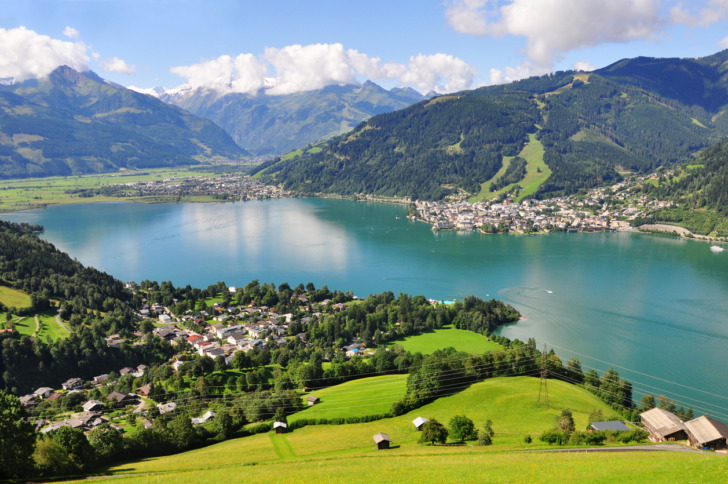
Zell am See is an alpine resort town in the Austrian state of Salzburg, wrapped around the clear waters of Lake Zell and backed by the slopes of the Schmittenhöhe mountain.
It is the kind of place where travelers can ski in the morning, walk beside the lake in the afternoon, and finish the day inside a cozy restaurant surrounded by snowy peaks.
During summer, the town becomes a base for swimming, hiking, cycling, boating, and trips to nearby Kaprun and the Kitzsteinhorn glacier.
Zell am See is clean, organized, and generally very safe, but its mountain setting creates risks that ordinary city travelers may underestimate.
Sudden weather changes, avalanches, cold water, winter roads, hiking falls, and ski injuries deserve far more attention than street crime.
Warnings & Dangers in Zell am See

OVERALL RISK: LOW
Zell am See is a low-risk destination for most travelers. Serious crime is uncommon, public areas are well maintained, and the town is accustomed to receiving international visitors throughout the year. The main safety concerns involve skiing, hiking, lake activities, icy streets, mountain roads, changing weather, and occasional opportunistic theft in busy tourist areas.

TRANSPORT & TAXIS RISK: LOW
Public buses, trains, taxis, ski shuttles, and cable cars are generally safe and reliable. Driving becomes more challenging during snow, ice, fog, or heavy holiday traffic. Use winter tires when required, carry snow chains when conditions demand them, and avoid driving unfamiliar mountain roads during severe weather or after drinking.

PICKPOCKETS RISK: LOW
Pickpocketing is uncommon, but crowded train platforms, ski lifts, Christmas markets, restaurants, and major events create opportunities for minor theft. Keep phones, wallets, ski passes, and bags secure. Do not leave expensive ski equipment unattended outside restaurants, and remove visible luggage or electronics from parked rental cars.

NATURAL DISASTERS RISK: MEDIUM
Mountain weather gives Zell am See a medium natural-risk rating. Avalanches can affect uncontrolled terrain, while heavy snow, storms, flooding, landslides, rockfall, and sudden temperature changes may disrupt travel. Summer thunderstorms can develop quickly at higher elevations. Follow trail closures, avalanche warnings, lift restrictions, and local emergency instructions.

MUGGING RISK: LOW
Mugging is very rare in Zell am See. The town center, lakefront, railway station, and main resort areas are generally comfortable during the day and evening. Travelers should still avoid isolated paths late at night, particularly after drinking, and keep valuables discreet in quiet parking areas or around closed ski facilities.

TERRORISM RISK: LOW
The terrorism risk in Zell am See is low. Austria maintains strong public security systems, and this small alpine resort is not considered a major target. Basic awareness remains appropriate around transportation hubs, festivals, Christmas markets, and crowded public events, but terrorism should not significantly influence an ordinary visit.

SCAMS RISK: LOW
Scams are uncommon. Possible issues include misleading vacation rentals, unclear ski-equipment charges, unofficial instructors, inflated taxi prices, or unexpected accommodation fees. Book through established providers, confirm cancellation rules, inspect rental gear, and check whether cleaning fees, tourist taxes, parking, breakfast, and equipment insurance are included.

WOMEN TRAVELERS RISK: LOW
Zell am See is generally safe for women, including solo travelers. Central streets, hotels, restaurants, trains, and ski facilities are comfortable during normal hours. Women should use standard nightlife precautions, avoid isolated lakeside or forest paths after dark, and arrange transportation when staying outside the town center.

TAP WATER RISK: LOW
Tap water in Zell am See is safe to drink and is generally of excellent quality. Travelers can refill reusable bottles at their accommodation rather than buying bottled water. Staying hydrated is especially important while skiing, hiking, cycling, drinking alcohol, or spending time at altitude, even when the weather feels cool.
Safest Places to Visit in Zell am See
Zell am See Old Town
The compact town center is one of the safest and easiest areas to explore.
It contains hotels, restaurants, shops, cafes, historic buildings, and the parish church of St. Hippolyt.
Streets remain active during the day and evening, although stone surfaces can become slippery during winter.
Lake Zell Promenade
The lakeside promenade is excellent for walking, cycling, photography, and relaxed sightseeing.
Popular sections close to the center are well used and generally very safe.
Cyclists and pedestrians share some routes, so stay aware of approaching bikes.
During winter, never walk onto the frozen lake unless authorities have officially declared it safe.
Schmittenhöhe
Schmittenhöhe is Zell am See’s main mountain and provides skiing in winter and hiking during warmer months.
Marked slopes, maintained trails, cable cars, and staffed facilities make it relatively safe for prepared visitors.
Conditions may be colder, windier, and foggier than in town, so bring suitable clothing and follow all closures.
Thumersbach
Thumersbach sits across the lake from central Zell am See and offers quieter waterfront areas, walking routes, and mountain views.
It is generally safe during daylight and can be reached by road, bus, or seasonal lake transportation.
Plan your return because evening services may be less frequent.
Kaprun and Kitzsteinhorn
Nearby Kaprun and the Kitzsteinhorn glacier are popular for skiing, sightseeing, and high-altitude mountain experiences.
Established lift areas are well organized, but visitors must respect weather, altitude, and resort instructions.
Conditions near the glacier can be dramatically colder than around Lake Zell.
Places to Avoid in Zell am See
Zell am See does not have dangerous neighborhoods or established tourist no-go zones.
The places worth avoiding are defined by weather, terrain, closures, and isolation.
Closed and Uncontrolled Mountain Terrain
Do not enter closed ski slopes, off-piste areas, or unmarked winter terrain without avalanche training, safety equipment, and local expertise.
Fresh snow can hide cliffs, rocks, streams, and unstable snow layers.
Being close to a ski resort does not make the backcountry controlled or safe.
The Frozen Lake Without Official Permission
Lake Zell may appear solid during cold periods, but ice thickness can vary because of currents, temperature changes, and inflowing water.
Never walk, skate, or play on the lake unless local authorities have officially opened a designated section.
Remote Trails Late in the Day
Mountain and forest routes can become difficult after sunset.
Temperatures fall, visibility disappears, and mobile reception may weaken.
Avoid beginning long hikes late in the afternoon.
This is especially important during autumn and winter, when daylight is shorter than many international visitors expect.
Steep Roads During Snowstorms
Avoid unnecessary driving on steep accommodation roads, mountain passes, or side streets during heavy snow or freezing rain.
A properly equipped local bus or taxi may be safer than a rental vehicle.
Do not follow another driver simply because they appear confident.
Empty Lakeside Areas After Dark
The central promenade is generally safe, but quieter lake sections become isolated at night.
Poor lighting, cold conditions, slippery surfaces, and limited foot traffic make late-night wandering less sensible, particularly for solo travelers or anyone who has been drinking.
Safety Tips for Traveling to Zell am See
- Check mountain conditions every morning. Weather near Lake Zell may be completely different from conditions on Schmittenhöhe or Kitzsteinhorn. Check lift status, visibility, wind, temperature, avalanche warnings, and trail closures before heading upward. Conditions can change during the day, so follow staff instructions even if the weather looked perfect when you left your hotel.
- Stay on marked ski slopes. Marked pistes are monitored, maintained, and connected to ski-patrol services. Off-piste terrain may contain avalanche danger, hidden rocks, cliffs, deep snow, and poor visibility. Only leave controlled slopes when you have proper training, avalanche equipment, local knowledge, and appropriate insurance.
- Wear a helmet while skiing or snowboarding. A helmet cannot prevent every injury, but it provides important protection during falls and collisions. Ski within your ability, slow down in crowded areas, and follow signs at trail intersections. Beginners should take lessons rather than relying on friends who describe every slope as “basically easy.”
- Prepare properly for winter driving. Rental vehicles should have suitable winter tires, and chains may be required on certain roads during severe conditions. Clear snow from all windows, lights, and the roof before driving. Leave additional braking distance and avoid sudden steering or acceleration on ice.
- Treat Lake Zell as cold water. The lake is popular for swimming during summer, but mountain water can remain colder than visitors expect. Enter gradually, supervise children, avoid swimming alone, and stay away from boat routes. Wear a life jacket when paddleboarding, kayaking, or boating, especially if you are not a strong swimmer.
- Start hikes early. Choose a route that matches your fitness, experience, and available daylight. Carry water, food, sunscreen, a charged phone, an offline map, and an extra layer. Turn back if fog, lightning, heavy rain, or strong wind develops. Reaching the summit is optional. Returning safely is the actual goal.
- Protect your equipment and valuables. Ski areas are safe, but crowded restaurants and lift stations create opportunities for missing equipment. Lock skis or snowboards when possible, store valuables inside zipped pockets, and photograph rental identification numbers. Do not leave passports, laptops, or luggage visible inside vehicles.
- Use public transport after drinking. Zell am See has bars, restaurants, après-ski venues, buses, taxis, and trains. There is no reason to drive after consuming alcohol. Winter roads, pedestrians, darkness, and unfamiliar intersections make even a short journey dangerous when judgment is impaired.
- Watch for cyclists and e-bikes. During summer, the lakeside routes become busy with walkers, cyclists, children, and e-bike riders. Keep to the correct side of shared paths, look before changing direction, and avoid blocking the route for photographs. Cyclists should control their speed around crowded promenade areas.
- Carry travel insurance that covers your activities. Standard insurance may exclude skiing, snowboarding, mountain rescue, glacier activities, or off-piste travel. Check the policy carefully before arrival. Medical treatment and helicopter rescue can be expensive, particularly when an accident occurs outside marked resort areas.
So... How Safe Is Zell am See Really?
Zell am See is one of Austria’s safer and more comfortable destinations for international travelers.
It has efficient infrastructure, established hotels, reliable transportation, maintained public spaces, and a tourism industry experienced in managing large seasonal crowds.
Violent crime is rare, and visitors are unlikely to feel unsafe while exploring the town center or lakefront.
The main risks are environmental.
Skiing, hiking, cycling, swimming, and driving in winter all involve hazards that travelers control through preparation.
Avalanches are a danger outside managed ski terrain, while summer storms can make exposed ridges unsafe within minutes.
Lake Zell is beautiful, but its water can be cold, and boating activity requires awareness.
Minor theft is possible, particularly when ski equipment, phones, or bags are left unattended.
Late-night alcohol-related incidents can happen, but they are not a defining feature of the resort.
My honest assessment is that Zell am See has a low overall risk.
Stay on marked routes, check weather and avalanche conditions, use proper equipment, and avoid driving after drinking.
The town itself is extremely manageable.
The mountains are the part that demands respect.
How Does Zell am See Compare?
| City | Safety Index |
|---|---|
| Zell am See |
93 |
| Saint Pölten |
90 |
| Linz |
86 |
| Klagenfurt |
85 |
| Vienna |
92 |
| Bregenz |
92 |
| Innsbruck |
90 |
 Xian Xian | 73 |
 Chincoteague Island Chincoteague Island | 77 |
| Suzhou | 79 |
| Clive | 76 |
 Boracay Boracay | 76 |
| North Conway | 76 |
Useful Information

Visas
Austria is part of the Schengen Area. Travelers from many countries can visit visa-free for up to 90 days within any 180-day period. Other nationalities need a Schengen visa before arrival. Passport validity, insurance, proof of accommodation, and sufficient funds may be checked at the external Schengen border.

Currency
Zell am See uses the euro. Cards and contactless payments are widely accepted at hotels, restaurants, supermarkets, ski-rental shops, and lift facilities. Cash is still useful for smaller huts, parking machines, tips, and rural businesses. Bank ATMs generally provide better value than independent exchange counters.

Weather
Zell am See has snowy winters, mild summers, and rapidly changing mountain conditions. Winter visitors need thermal layers, waterproof outerwear, gloves, sunglasses, sunscreen, and shoes with a strong grip. Summer travelers should pack hiking shoes, sun protection, rain gear, and a warm layer for high elevations and cool evenings.

Airports
Salzburg Airport is the closest major airport, around 80 kilometers from Zell am See. The journey commonly takes approximately one and a half hours by road, depending on traffic and weather. Innsbruck and Munich airports are additional options. Trains, private transfers, rental cars, and seasonal shuttles connect the resort with surrounding cities.

Travel Insurance
Travel insurance is strongly recommended, particularly for skiing, snowboarding, hiking, cycling, boating, or glacier visits. Coverage should include medical treatment, mountain rescue, cancellation, lost equipment, rental vehicle damage, and weather disruption. Confirm whether off-piste skiing and higher-risk mountain activities require an additional policy.
Zell am See Weather Averages (Temperatures)
Average High/Low Temperature
| Temperature / Month | Jan | Feb | Mar | Apr | May | Jun | Jul | Aug | Sep | Oct | Nov | Dec |
|---|---|---|---|---|---|---|---|---|---|---|---|---|
| High °C |
-1 | 2 | 5 | 9 | 14 | 19 | 21 | 21 | 17 | 11 | 4 | 0 |
| Low °C |
-9 | -7 | -4 | 0 | 4 | 7 | 9 | 9 | 6 | 1 | -3 | -8 |
| High °F |
30 | 36 | 41 | 48 | 57 | 66 | 70 | 70 | 63 | 52 | 39 | 32 |
| Low °F |
16 | 19 | 25 | 32 | 39 | 45 | 48 | 48 | 43 | 34 | 27 | 18 |
Austria - Safety by City
| City | Safety Index |
|---|---|
| Bregenz | 92 |
| Eisenstadt | 87 |
| Graz | 89 |
| Hallstatt | 92 |
| Innsbruck | 90 |
| Klagenfurt | 85 |
| Linz | 86 |
| Saint Pölten | 90 |
| Salzburg | 91 |
| Vienna | 92 |
| Zell am See | 93 |












Sure, nothing like enjoying a peaceful lakeside stroll until you realize the weather’s flipped and you’re basically starring in your own survival drama.