


 Austria : Safety by City
- Bregenz
- Eisenstadt
- Graz
- Hallstatt
- Innsbruck
- Klagenfurt
- Linz
- Saint Pölten
- Salzburg
- Vienna
- Zell am See
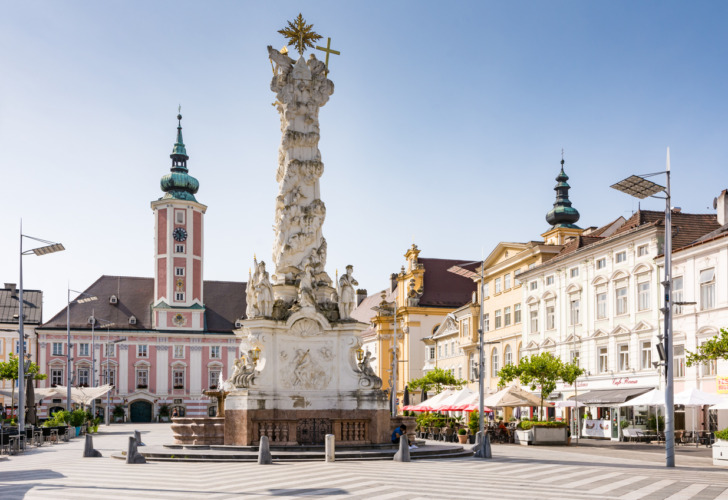
Saint Pölten is the compact, quietly confident capital of Lower Austria, positioned along the Traisen River about 60 kilometers west of Vienna.
It holds Austria’s oldest documented municipal charter, granted in 1159, yet much of the city feels surprisingly modern.
Baroque squares and churches sit alongside bold contemporary buildings in the government and cultural district.
Visitors come for the cathedral, Rathausplatz, museums, lakes, riverside cycling routes, performances at the Festspielhaus, and convenient train connections to Vienna, Melk, Krems, and the Wachau Valley.
Saint Pölten does not attract the huge tourist crowds found in Vienna or Salzburg, which helps it feel relaxed and local.
It is generally a very safe destination, with petty theft, traffic, winter weather, and occasional flooding representing the main practical concerns.
Warnings & Dangers in Saint Pölten

OVERALL RISK: LOW
Saint Pölten is a low-risk destination with little violent crime involving tourists. The historic center, cultural district, shopping streets, parks, and main accommodation areas are generally comfortable during the day and evening. Normal precautions are sufficient, including securing valuables, remaining alert near the railway station, and avoiding empty parks or riverside paths late at night.

TRANSPORT & TAXIS RISK: LOW
Public transportation is safe, organized, and dependable. Trains, buses, taxis, and bicycle routes make it easy to move around without a car. The main risks involve distracted cycling, failing to validate or purchase the correct ticket, and crossing tram or traffic lanes carelessly. Winter ice can also make roads and pavements slippery.

PICKPOCKETS RISK: LOW
Pickpocketing is uncommon compared with major European capitals, but it remains possible at Saint Pölten Central Station, on crowded trains, at festivals, and in busy shopping areas. Keep wallets and phones out of open pockets, especially when handling luggage. Never leave bags unattended on trains, café terraces, or public benches.

NATURAL DISASTERS RISK: MEDIUM
Flooding is the main natural hazard because Saint Pölten lies along the Traisen River and several smaller waterways. Severe rain can affect roads, paths, and low-lying areas despite extensive flood-protection work. Thunderstorms, heatwaves, snow, and ice also occur. Follow local warnings and never enter flooded underpasses or riverside routes.

MUGGING RISK: LOW
Mugging is rare in Saint Pölten. Central streets, Rathausplatz, the cultural district, and restaurant areas generally feel calm, including during the evening. Risk increases in quiet parks, station surroundings, and poorly lit residential streets after midnight. Avoid displaying expensive jewelry or carrying large amounts of cash unnecessarily.

TERRORISM RISK: LOW
Saint Pölten has a low terrorism risk and is not a prominent international target. Austria maintains security measures at transportation centers and major events, and travelers may occasionally notice a stronger police presence. Remain aware in crowded public spaces and follow official instructions, but terrorism should not dominate ordinary travel planning.

SCAMS RISK: LOW
Tourist scams are uncommon because Saint Pölten receives fewer international visitors than Vienna or Salzburg. Possible problems include fraudulent apartment listings, unofficial ticket sellers, poor currency-conversion offers, or unclear taxi charges. Book accommodation through dependable channels, purchase transportation tickets from official machines or apps, and confirm taxi prices when necessary.

WOMEN TRAVELERS RISK: LOW
Saint Pölten is generally safe for women, including those traveling alone. The city center, train services, restaurants, and cultural venues are comfortable during normal hours. Solo travelers should still watch drinks, avoid deserted parks after dark, and choose a taxi for late-night journeys if the walking route feels isolated.

TAP WATER RISK: LOW
Tap water in Saint Pölten is safe to drink and is regulated under Austria’s strict drinking-water standards. Visitors can refill reusable bottles rather than purchasing bottled water. In an older building, let the tap run briefly if the water has been sitting in the pipes overnight or ask the accommodation about its plumbing.
Safest Places to Visit in Saint Pölten
Rathausplatz and the Historic Center
Rathausplatz is the safest and most convenient place to begin exploring.
The central square is surrounded by cafés, shops, historic buildings, and pedestrian-friendly streets.
It remains active during the day and early evening, creating a comfortable atmosphere for families, couples, and solo visitors.
Domplatz and Saint Pölten Cathedral
The cathedral district is peaceful, central, and easy to reach on foot.
The surrounding streets contain Baroque architecture, markets, restaurants, and cultural landmarks.
Normal care is sufficient when events or markets create larger crowds.
The Government and Cultural District
The modern cultural district contains the Festspielhaus, Museum Niederösterreich, government buildings, and landscaped public spaces.
It is orderly, spacious, and regularly visited.
The area is especially suitable for travelers interested in architecture, exhibitions, music, and indoor attractions.
Ratzersdorfer See
Ratzersdorfer See is a popular recreation area for swimming, walking, cycling, and relaxing during warm weather.
Use recognized bathing areas, follow posted rules, and supervise children near the water.
The lake is most comfortable during daylight when facilities and other visitors are present.
Viehofner Lakes and Traisen Paths
The Viehofner lakes and routes beside the Traisen provide safe opportunities for cycling, running, birdwatching, and walking.
The mostly level paths are easy to use, but cyclists and pedestrians must share space carefully.
Avoid riverside routes during flooding, storms, ice, or after dark.
Places to Avoid in Saint Pölten
There Are No Major Tourist No-Go Neighborhoods
Saint Pölten does not have a district that ordinary tourists are routinely advised to avoid completely.
It is a small, orderly Austrian city with a low overall crime risk.
Visitors should focus on specific situations rather than worrying about crossing into a dangerous neighborhood.
Central Station Surroundings Late at Night
Saint Pölten Central Station is safe and busy during normal travel hours.
Like many railway areas, it can feel less comfortable late at night when shops close and fewer commuters remain.
Keep luggage close, avoid engaging with intoxicated strangers, and move directly toward your hotel or transportation.
Empty Parks After Dark
Hammerpark, Sparkassenpark, and other green areas are pleasant during the day but can become quiet at night.
There is little reason for visitors to take shortcuts through dark parks when lit streets are available.
The concern is isolation rather than a pattern of serious crime.
Lakes and Riverside Paths During Bad Weather
Avoid the Traisen riverbanks, underpasses, and lake paths during flooding, thunderstorms, or severe winter conditions.
Fast-rising water, fallen branches, ice, and damaged paths may create hazards.
Never cross a barrier or enter a flooded route because the water appears shallow.
Industrial and Peripheral Areas at Night
Commercial zones and industrial edges outside the center offer few attractions and may have poor pedestrian infrastructure.
They are not necessarily dangerous, but empty roads, heavy vehicles, limited lighting, and longer distances make them unsuitable for casual nighttime wandering.
Crowded Festivals Without Basic Awareness
Saint Pölten hosts concerts, markets, lake events, and public festivals.
These are generally safe, but crowded conditions create opportunities for phone theft, lost belongings, and separated groups.
Keep valuables secured and establish a meeting point when attending with children or friends.
Safety Tips for Traveling to Saint Pölten
- Keep your belongings close at the railway station. Saint Pölten Central Station is orderly, but transportation hubs always attract distracted travelers. Keep luggage beside you, close backpack compartments, and never leave electronics visible while sleeping on a train. Carry passports and payment cards in a secure inner pocket.
- Buy transportation tickets through official channels. Purchase train and bus tickets from official machines, ticket counters, or recognized transportation apps. Check whether your ticket must be validated before boarding. Inspections are common in Austria, and misunderstanding the system may still result in a fine.
- Watch for bicycles when crossing paths. Cycling is popular in Saint Pölten, particularly beside the Traisen and around the lakes. Look in both directions before stepping onto a cycle lane, and avoid walking across marked bicycle paths while staring at your phone. Cyclists can approach quietly and quickly.
- Use lights and reflective gear when cycling. Renting a bicycle is an excellent way to explore the city and surrounding countryside. Check the brakes, tires, bell, and lights before leaving. Wear a helmet, follow traffic rules, and use reflective clothing if returning near sunset.
- Follow flood and storm warnings. Heavy rain can affect riverside routes, underpasses, and low-lying roads. If barriers are installed or authorities issue warnings, change your plans immediately. Never walk, cycle, or drive through floodwater, since depth and current are difficult to judge.
- Prepare for summer heat. Summer temperatures can become hot, particularly on exposed squares, bicycle routes, and paved paths. Carry water, apply sunscreen, and plan indoor museum visits during the strongest afternoon heat. Older travelers and young children should take regular shade breaks.
- Wear proper shoes in winter. Snow, freezing rain, and overnight ice can make pavements, station platforms, bridges, and lakeside paths slippery. Wear shoes with good traction, use handrails on steps, and slow down around shaded areas where ice may remain after other surfaces have cleared.
- Avoid leaving valuables in parked cars. Do not leave passports, luggage, shopping bags, or electronics visible inside a vehicle. Place belongings in the trunk before arriving at the parking area. This is especially important at lakes, trailheads, train-station parking facilities, and day-trip attractions.
- Use well-lit routes after late events. The Festspielhaus and other venues may finish after regular public activity has decreased. Plan your return before the performance begins. Walk through central, illuminated streets or use a taxi rather than taking shortcuts through parks or empty riverside paths.
- Keep emergency and accommodation details offline. Save your hotel address, transportation details, travel-insurance number, and emergency contacts on your phone and on paper. Austria’s general emergency number is 112. Having the information offline is useful if your battery dies, your phone is lost, or mobile service becomes unavailable.
So... How Safe Is Saint Pölten Really?
Saint Pölten is a genuinely safe city for travelers.
Austria has a strong public-safety profile, reliable infrastructure, regulated drinking water, and dependable transportation.
Saint Pölten also receives far fewer tourists than Vienna, Salzburg, or Innsbruck, which reduces the dense crowds and concentrated tourist theft found in more famous destinations.
The city’s main safety concerns are practical rather than criminal.
Visitors are more likely to slip on winter ice, misread a cycling lane, leave a bag on a train, or encounter a flooded riverside path than experience violent crime.
Pickpocketing is possible at the station and during festivals, but it is not widespread enough to create constant concern.
Flooding deserves specific attention because the city sits beside the Traisen.
Saint Pölten has invested in substantial flood-control infrastructure, but extreme rain can still affect waterways, roads, and recreation areas.
Travelers should take closures seriously and avoid river routes when warnings are active.
The historic center, cultural district, lakes, and main hotel areas are generally comfortable during the day and evening.
Women traveling alone, families, older visitors, and first-time travelers to Austria should find the city manageable and welcoming.
Saint Pölten receives a low overall risk rating.
Use ordinary urban awareness, protect valuables during transportation, and adjust outdoor plans for weather conditions.
How Does Saint Pölten Compare?
| City | Safety Index |
|---|---|
| Saint Pölten |
90 |
| Graz |
89 |
| Hallstatt |
92 |
| Vienna |
92 |
| Klagenfurt |
85 |
| Zell am See |
93 |
| Linz |
86 |
 Nazareth Nazareth | 58 |
 Newnan Newnan | 75 |
| Wimberley | 81 |
| Brattleboro | 72 |
| Statesville | 78 |
 Scotland Scotland | 71 |
Useful Information

Visas
Austria is part of the Schengen Area. Many nationalities can enter visa-free for up to 90 days within any 180-day period. Travelers who require a Schengen Visa C generally pay €90 for adults and €45 for children aged 6 to 12. Applications can normally be submitted up to six months before travel.

Currency
Saint Pölten uses the euro. Cards and contactless payments are accepted at most hotels, restaurants, supermarkets, and attractions. Carry a small amount of cash for markets, lockers, small cafés, and public toilets. Use bank-operated ATMs and decline unnecessary dynamic currency conversion when withdrawing money or paying by card.

Weather
Saint Pölten has warm summers, cold winters, and rainfall throughout the year. Summer visitors should pack light clothing, sunscreen, and a rain jacket. Winter requires a warm coat, gloves, layers, and shoes with grip. Spring and autumn can change quickly, so a waterproof outer layer is useful.

Airports
Vienna International Airport is the main gateway and has direct Railjet and Intercity connections to Saint Pölten. The fastest journey takes approximately 54 to 55 minutes. Rental cars, taxis, and private transfers are also available, but the direct train is usually the simplest option for visitors.

Travel Insurance
Travel insurance is recommended even though Saint Pölten is low-risk. A suitable policy should cover emergency medical treatment, cancellations, baggage theft, transportation delays, and rental-car damage. Travelers planning cycling, hiking, swimming, or winter activities should verify that those activities are included and review any weather-related exclusions.
Saint Pölten Weather Averages (Temperatures)
Average High/Low Temperature
| Temperature / Month | Jan | Feb | Mar | Apr | May | Jun | Jul | Aug | Sep | Oct | Nov | Dec |
|---|---|---|---|---|---|---|---|---|---|---|---|---|
| High °C |
2 | 4 | 10 | 15 | 20 | 23 | 25 | 25 | 20 | 14 | 7 | 3 |
| Low °C |
-3 | -2 | 1 | 4 | 9 | 12 | 14 | 14 | 11 | 6 | 1 | -2 |
| High °F |
36 | 39 | 50 | 59 | 68 | 73 | 77 | 77 | 68 | 57 | 45 | 37 |
| Low °F |
27 | 28 | 34 | 39 | 48 | 54 | 57 | 57 | 52 | 43 | 34 | 28 |
Austria - Safety by City
| City | Safety Index |
|---|---|
| Bregenz | 92 |
| Eisenstadt | 87 |
| Graz | 89 |
| Hallstatt | 92 |
| Innsbruck | 90 |
| Klagenfurt | 85 |
| Linz | 86 |
| Saint Pölten | 90 |
| Salzburg | 91 |
| Vienna | 92 |
| Zell am See | 93 |
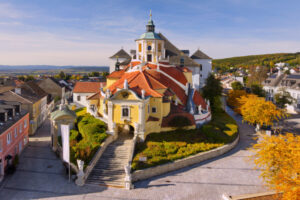
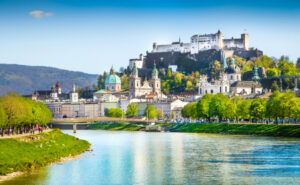
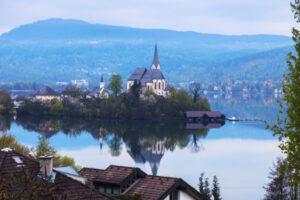












I never thought hanging out by the Traisen River could be so chill, especially when you spot those crazy modern buildings mixing in with old baroque vibes.
Didn’t expect the mix of old baroque vibes and sharp modern buildings to feel so chill, and biking by the Traisen River was a total highlight.