


 Austria : Safety by City
- Bregenz
- Eisenstadt
- Graz
- Hallstatt
- Innsbruck
- Klagenfurt
- Linz
- Saint Pölten
- Salzburg
- Vienna
- Zell am See
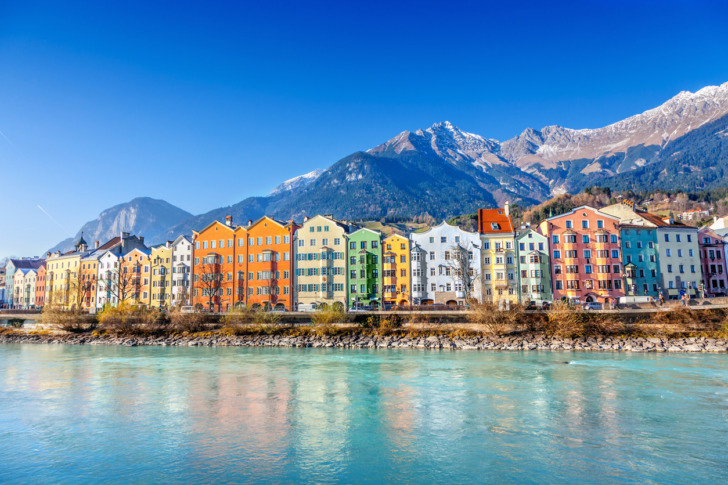
Innsbruck feels like someone placed a lively little city in the middle of an alpine postcard and then decided, “Yes, this should also have trams, university cafés, imperial palaces, ski jumps, Christmas markets, and mountain cable cars.”
Located in western Austria, in the state of Tyrol, Innsbruck sits in the Inn Valley surrounded by the Nordkette range to the north and the Patscherkofel area to the south.
It has hosted the Winter Olympics twice, which gives you a pretty good hint about its outdoor personality.
But what makes Innsbruck especially appealing is that it is not just a ski base.
It is a walkable, historic, student-filled, outdoorsy city where you can go from medieval streets to mountain viewpoints in less time than it takes to finish a lazy lunch.
Warnings & Dangers in Innsbruck

OVERALL RISK: LOW
Innsbruck is a very safe destination by international travel standards. Violent crime is uncommon, public areas are generally well-maintained, and tourists can comfortably explore most central neighborhoods during the day and evening. The main safety concerns are petty theft, winter weather, mountain risks, and the usual travel mistakes people make when they feel too relaxed.

TRANSPORT & TAXIS RISK: LOW
Public transport in Innsbruck is reliable, clean, and safe. Trams and buses connect the old town, the train station, the residential areas, and nearby villages. Taxis are regulated, but they are not cheap, so always use official taxis or reputable ride options. The bigger risk is winter driving, especially on icy roads outside the city.

PICKPOCKETS RISK: MEDIUM
Pickpocketing is not a major crisis in Innsbruck, but it can happen in tourist-heavy areas, especially around the Old Town, Maria-Theresien-Strasse, the main train station, and crowded Christmas markets. Keep your phone, wallet, and passport secure. The city feels calm, but “calm” is exactly when travelers get sloppy.

NATURAL DISASTERS RISK: MEDIUM
The city itself is well-managed, but Innsbruck is surrounded by mountains, so weather and terrain matter. Heavy snow, icy sidewalks, avalanches in surrounding alpine areas, rockfall, storms, and sudden temperature changes can affect travelers. The risk is much higher for hikers, skiers, and anyone heading into the mountains unprepared.

MUGGING RISK: LOW
Muggings are rare in Innsbruck, especially compared with larger European cities. Most tourists will never feel threatened while walking around the central city. Still, late at night, use common sense around quiet streets, nightlife areas, poorly lit spots, and the train station. Avoid confrontations with drunk strangers, especially after bars close.

TERRORISM RISK: LOW
Innsbruck has a low terrorism risk. Austria is a stable country with strong public safety systems, and Innsbruck is not typically seen as a high-profile target like some larger European capitals. That said, no destination is completely risk-free. Travelers should stay aware in crowded events, transport hubs, and major public gatherings.

SCAMS RISK: LOW
Tourist scams are not common in Innsbruck, but small annoyances can happen. Watch for overcharging in taxis, confusing restaurant bills, suspicious donation collectors, and rental equipment disputes if you are skiing or biking. The safest rule is simple: confirm prices before agreeing, keep receipts, and use established companies.

WOMEN TRAVELERS RISK: LOW
Innsbruck is generally safe for women travelers, including solo women. The city is walkable, public transport is dependable, and harassment is not a major issue in most tourist areas. Late-night caution is still smart, especially around nightlife streets, isolated paths, and the train station. Trust your instincts and avoid overly drunk crowds.

TAP WATER RISK: LOW
Tap water in Innsbruck is safe to drink and famously good. Much of the water comes from alpine sources, and travelers can confidently refill bottles at hotels, restaurants, and public fountains where drinking water is indicated. Buying bottled water is usually unnecessary unless you simply prefer it. This is one of the easiest travel wins in Innsbruck.
Safest Places to Visit in Innsbruck
Old Town
Innsbruck’s Old Town is one of the safest and most rewarding areas for visitors.
This is where you will find the Golden Roof, narrow medieval lanes, colorful facades, cafés, small shops, and plenty of foot traffic.
During the day, it feels relaxed and easy to navigate.
In the evening, it remains lively enough to feel comfortable, especially around the main squares and restaurant streets.
The main thing to watch here is not violent crime, but distraction.
This is the part of Innsbruck where travelers stop every few steps for photos, which makes bags and phones easier targets.
Keep your belongings close and enjoy the atmosphere.
Maria-Theresien-Strasse
Maria-Theresien-Strasse is one of Innsbruck’s main pedestrian shopping streets and a great place to stroll, eat, and people-watch.
It is open, central, well-lit, and usually busy, which makes it a safe area for tourists.
It also connects easily to the Old Town and other central sights.
This is a good place for first-time visitors to get oriented.
If you are nervous about arriving in a new city, start here.
It gives you that “I know where I am now” feeling quickly.
Nordkette Cable Car and Hungerburg
The Nordkette area is one of Innsbruck’s best experiences because you can go from the city to mountain views incredibly fast.
The cable car system is popular, organized, and tourist-friendly.
Hungerburg and the viewing areas above it are generally safe, but the safety equation changes once you start hiking beyond marked areas.
Stay on official paths, check weather conditions, and do not underestimate the mountains just because they are easy to reach from town.
Hofgarten and Imperial Palace Area
The Hofgarten, Imperial Palace, and surrounding museum district are calm, central, and safe during normal visiting hours.
This area is ideal for a slower day when you want culture without the full mountain adventure.
It is also good for families and older travelers because distances are manageable and the streets are easy to walk.
Places to Avoid in Innsbruck
Main Train Station Late at Night
Innsbruck’s main train station is not “dangerous” in the dramatic sense, but like many European transport hubs, it can feel less comfortable late at night.
You may encounter loitering, drunk people, panhandlers, or travelers hanging around after missed connections.
During the day, it is perfectly usable and convenient.
If you arrive late, know your route in advance, avoid lingering outside unnecessarily, and use a taxi or direct public transport if your accommodation is not nearby.
Isolated River Paths After Dark
The Inn River is beautiful, and walking along it during the day can be lovely.
At night, though, quieter stretches can feel isolated.
The issue is not that these paths are known danger zones, but that low foot traffic and limited visibility can make them less ideal for solo travelers.
Stick to central, well-lit routes after dark, especially if you are unfamiliar with the city.
Nightlife Spots When Bars Close
Innsbruck has a youthful side thanks to its student population, and nightlife is generally safe.
Still, the most uncomfortable moments in otherwise safe cities often happen around closing time, when alcohol, noise, and bad judgment spill into the street.
Areas with late bars can attract drunk arguments or petty disorder.
You do not need to avoid nightlife, but avoid getting pulled into other people’s drama.
Leave before things get sloppy, or travel back with a friend.
Mountain Areas Without Proper Gear
This is the big one. Innsbruck’s most serious travel risks are often outside the urban center.
Tourists sometimes underestimate alpine terrain because the city makes the mountains feel so accessible.
Trails can become icy, fog can roll in quickly, and ski areas require real caution.
Avoid unmarked trails, closed routes, avalanche-prone zones, and hikes that are beyond your fitness level.
The mountains are stunning, but they do not care about your itinerary.
Safety Tips for Traveling to Innsbruck
- Treat the mountains like mountains, not a city park. Innsbruck makes alpine access almost suspiciously easy. You can be eating breakfast in town and standing above the city before lunch. That convenience is wonderful, but it can trick travelers into underpreparing. Wear proper shoes, bring layers, carry water, check weather forecasts, and respect trail signs. If a route is closed, there is usually a good reason.
- Watch your belongings in the Old Town and at seasonal markets. Innsbruck is not a pickpocket hotspot like some bigger European cities, but crowded tourist places always deserve attention. Christmas markets, busy shopping streets, and photo-heavy attractions are the main spots to be alert. Use a crossbody bag, keep your phone out of back pockets, and avoid placing valuables on café tables.
- Use public transport confidently, but validate your ticket. The bus and tram network is safe and practical. However, tourists sometimes forget ticket rules or assume they can buy later. Ticket inspections can happen, and fines are not a fun vacation souvenir. Buy the correct ticket, validate it when required, and check whether your hotel provides a guest card or local transport benefit.
- Be careful with winter sidewalks. Innsbruck is built for winter, but icy patches can still sneak up on you. Good footwear matters, especially if you are walking early in the morning or after fresh snow. The city center is usually well-maintained, but side streets, steps, and viewpoints can be slippery. Walk like a local in winter: slower, flatter, and with no heroic pavement leaps.
- Do not rely only on phone maps in the mountains. Phone maps are great until your battery dies, the weather changes, or the trail on the screen is not the trail under your feet. For hikes, use official route information, pay attention to signs, and consider downloading offline maps. In winter, hiking routes and ski terrain can become dangerous quickly.
- Choose official taxis or clearly priced transfers. Taxis in Innsbruck are usually safe, but prices can feel high if you are not expecting them. Before getting in, confirm that it is an official taxi and that the meter or fare system is clear. For airport or late-night rides, a pre-arranged transfer can be worth it, especially if you are traveling with luggage or ski gear.
- Stay aware around the train station at odd hours. The main station is useful and central, but it is not where I would linger at 1 a.m. with bags and a confused expression. During the day, it is fine. Late at night, move with purpose, keep valuables close, and use direct transport to your hotel. This is basic city travel logic, not a reason to panic.
- Pack for weather changes, even in pleasant months. Innsbruck’s valley location and mountain surroundings mean the weather can shift fast. A sunny morning can become chilly, rainy, or windy by afternoon, especially if you gain elevation. Bring layers, a light waterproof jacket, and sunglasses. In winter, add gloves, a hat, and shoes with grip.
- Be cautious with alcohol at altitude or after skiing. Après-ski culture can be fun, but alcohol hits differently when you are tired, cold, dehydrated, or at elevation. Many travel injuries are not from crime but from falls, poor decisions, and “one more drink” confidence. Eat properly, hydrate, and do not ski, hike, or bike after drinking.
- Keep emergency numbers and accommodation details handy. Austria uses the European emergency number 112, and local emergency services are reliable. Still, when something goes wrong, you do not want to be searching through email confirmations in the cold. Save your hotel address, emergency contacts, insurance details, and any medical information offline. It is a boring preparation until suddenly it is very useful.
So... How Safe Is Innsbruck Really?
Innsbruck is genuinely one of the safer city-and-mountain destinations in Europe.
The city benefits from Austria’s strong infrastructure, clean public spaces, dependable transport, and generally low violent crime environment.
For ordinary tourists who stay in central areas, use common sense, and do not wander into risky alpine situations, the safety outlook is very positive.
The biggest mistake is judging Innsbruck only as a city.
In the urban center, most risks are mild: pickpocketing, late-night drunken behavior, taxi costs, and occasional tourist scams.
But Innsbruck’s identity is tied to the mountains, and that is where the risk level can rise.
Winter sports, hiking, icy roads, fast-changing weather, and avalanche conditions require more preparation than a typical city break.
For families, solo travelers, couples, students, and older visitors, Innsbruck is a comfortable destination.
It is easy to walk, easy to navigate, and small enough that you rarely feel swallowed by the city.
My honest take: Innsbruck is very safe, but it rewards travelers who respect both sides of it.
Enjoy the old town like a relaxed European city, and approach the mountains like nature is in charge.
Because it is.
How Does Innsbruck Compare?
| City | Safety Index |
|---|---|
| Innsbruck |
90 |
| Hallstatt |
92 |
| Klagenfurt |
85 |
| Eisenstadt |
87 |
| Salzburg |
91 |
| Saint Pölten |
90 |
| Graz |
89 |
 Schaumburg Schaumburg | 88 |
 Doha Doha | 90 |
| Auburn | 89 |
 Zurich Zurich | 92 |
| Bayfield | 78 |
| Lake Buena Vista | 72 |
Useful Information

Visas
Austria is part of the Schengen Area. Many tourists, including U.S., Canadian, U.K., Australian, and many other passport holders, can visit visa-free for up to 90 days within a 180-day period. Travelers who need a Schengen visa should apply before arrival through the appropriate Austrian consulate or visa center. Fees are commonly around €90 for adults.

Currency
Innsbruck uses the euro. Credit and debit cards are widely accepted, especially in hotels, restaurants, shops, and major attractions. Still, carry some cash for small cafés, markets, lockers, tips, or rural stops outside the city. ATMs are easy to find. Avoid airport exchange counters when possible because rates are usually worse.

Weather
Innsbruck has cold, snowy winters and mild to warm summers. Winter travelers should pack a proper coat, gloves, hat, and shoes with grip. Summer visitors should bring light clothing, comfortable walking shoes, sunglasses, and a jacket for cooler evenings or mountain trips. Layers are your best friend here. The Alps love mood swings.

Airports
Innsbruck Airport is the closest airport and sits only a short ride from the city center. Buses and taxis make the transfer easy. Some travelers also arrive through Munich, Salzburg, or Vienna, then continue by train. The train connections are scenic and practical, especially if you are combining Innsbruck with other Austrian or Bavarian destinations.

Travel Insurance
Travel insurance is strongly recommended for Innsbruck, especially if you plan to ski, snowboard, hike, bike, or take mountain excursions. Make sure your policy covers winter sports or adventure activities if those are part of your trip. Medical care in Austria is excellent, but emergency treatment, mountain rescue, cancellations, and lost gear can become expensive quickly.
Innsbruck Weather Averages (Temperatures)
Average High/Low Temperature
| Temperature / Month | Jan | Feb | Mar | Apr | May | Jun | Jul | Aug | Sep | Oct | Nov | Dec |
|---|---|---|---|---|---|---|---|---|---|---|---|---|
| High °C |
3 | 5 | 10 | 14 | 19 | 22 | 24 | 24 | 19 | 14 | 7 | 3 |
| Low °C |
-6 | -5 | -1 | 2 | 6 | 9 | 11 | 10 | 7 | 3 | -1 | -5 |
| High °F |
37 | 41 | 50 | 57 | 66 | 72 | 75 | 75 | 66 | 57 | 45 | 37 |
| Low °F |
21 | 23 | 30 | 36 | 43 | 48 | 52 | 50 | 45 | 37 | 30 | 23 |
Austria - Safety by City
| City | Safety Index |
|---|---|
| Bregenz | 92 |
| Eisenstadt | 87 |
| Graz | 89 |
| Hallstatt | 92 |
| Innsbruck | 90 |
| Klagenfurt | 85 |
| Linz | 86 |
| Saint Pölten | 90 |
| Salzburg | 91 |
| Vienna | 92 |
| Zell am See | 93 |










I never thought I’d find trams and ski jumps in the same spot, but Innsbruck totally pulls it off and it actually makes strolling around way more fun.