 Austria : Safety by City
- Bregenz
- Eisenstadt
- Graz
- Hallstatt
- Innsbruck
- Klagenfurt
- Linz
- Saint Pölten
- Salzburg
- Vienna
- Zell am See
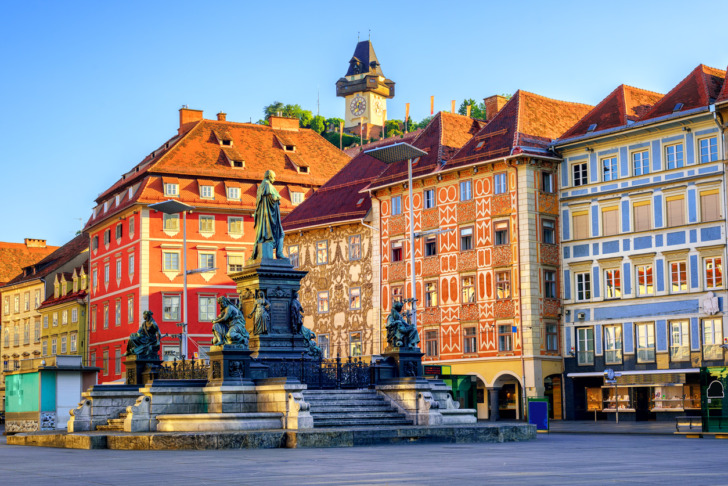
Graz feels like the Austrian city that quietly knows how cool it is.
Sitting in southeastern Austria, close to Slovenia and surrounded by the green hills of Styria, it is the country’s second-largest city but has a much softer rhythm than Vienna.
The historic center is a UNESCO-listed beauty, the Schlossberg rises right above the old town, and the city mixes medieval lanes, student energy, red rooftops, farmers’ markets, and futuristic architecture without making a big fuss about it.
For travelers, that mix is a gift.
Graz is walkable, cultured, clean, and generally very safe, but it is still a real city.
That means you should keep an eye on your bag, use normal nightlife caution, and remember that quiet cities can still surprise distracted tourists.
Warnings & Dangers in Graz

OVERALL RISK: LOW
Graz is a low-risk destination for most travelers. Violent crime is uncommon, the city center is well-maintained, and tourists can comfortably explore during the day and evening. The main issues are petty theft, late-night rowdiness, bicycle theft, and occasional scams in busier areas. Most visits are trouble-free with basic urban awareness.

TRANSPORT & TAXIS RISK: LOW
Public transportation in Graz is safe, reliable, and easy to use. Trams and buses cover the main tourist areas, train stations, university districts, and outer neighborhoods. Taxis are generally safe when booked through official companies or apps. The bigger risk is not crime, but validating your ticket, watching belongings on busy vehicles, and avoiding unlicensed rides.

PICKPOCKETS RISK: LOW
Pickpocketing is not a major problem in Graz compared to larger European capitals, but it can happen in crowded places. Be more alert around Hauptplatz, Jakominiplatz, Graz Hauptbahnhof, busy trams, Christmas markets, festivals, and outdoor restaurant areas. Keep your phone and wallet secured, especially when taking photos or navigating with luggage.

NATURAL DISASTERS RISK: LOW
Graz has a low natural disaster risk, but it is not completely free from weather-related problems. Heavy rain can cause localized flooding, especially near rivers, underpasses, and low-lying streets. Winter ice can make sidewalks slippery, and summer storms can roll in quickly. Serious disasters are rare, but checking weather alerts before hiking or day trips is smart.

MUGGING RISK: LOW
Muggings are rare in Graz, especially in the main tourist zones. The city has a calm feel, and visitors are unlikely to encounter aggressive street crime. That said, avoid poorly lit parks, empty train station surroundings late at night, and isolated streets after drinking. Most safety issues after dark involve alcohol, arguments, or opportunistic theft rather than planned violence.

TERRORISM RISK: LOW
The terrorism risk in Graz is low, though Austria as a whole remains alert, like other European countries. Large public events, transport hubs, religious sites, and crowded squares may have visible security at times. Tourists do not need to be fearful, but it is wise to stay aware in large crowds and follow official instructions if an alert or evacuation occurs.

SCAMS RISK: LOW
Scams in Graz are relatively uncommon, but tourists can still run into overcharging, fake charity collectors, distraction tactics, or pushy street approaches in busy areas. Be careful around crowded squares, train stations, and nightlife areas. Use official ticket machines, check restaurant bills, avoid handing your phone to strangers, and never donate under pressure.

WOMEN TRAVELERS RISK: LOW
Graz is generally safe for women travelers, including solo travelers. The city is walkable, public transport is dependable, and most central areas feel comfortable. The usual precautions still apply: avoid walking alone through empty parks late at night, watch drinks in bars, and use a taxi or rideshare if you feel uncomfortable after dark.

TAP WATER RISK: LOW
Tap water in Graz is safe to drink and generally excellent. Austria is known for high-quality drinking water, and Graz is no exception. Travelers can refill bottles from hotel taps and public drinking fountains where marked. Bottled water is not necessary unless you prefer it, which makes Graz an easy city for budget-conscious and eco-conscious travelers.
Safest Places to Visit in Graz
Altstadt and Hauptplatz
Graz’s Old Town is one of the safest and most enjoyable areas for tourists.
Hauptplatz, Herrengasse, Landhaus, and the surrounding lanes are busy, central, and easy to navigate.
During the day, the area is lively with cafes, shops, market stalls, and sightseeing crowds.
In the evening, it remains comfortable, though you should watch your bag at outdoor tables and in crowds.
Schlossberg and the Clock Tower
Schlossberg is one of Graz’s best experiences and also one of its safest.
The hill rises above the city center and offers panoramic views, shaded walking paths, the famous Uhrturm, and plenty of photo spots.
It is usually busy with families, tourists, and locals.
Stick to marked paths, wear decent shoes, and avoid wandering the darker trails alone very late at night.
Murinsel and the Riverside
The Murinsel, Graz’s floating island structure in the Mur River, is a fun and safe stop between the old town and Lend.
The riverside paths are pleasant during the day and early evening, especially near central bridges.
Like any riverfront, it can feel quieter at night, so stay in well-lit areas and avoid isolated stretches after dark.
Joanneumsviertel and Cultural Areas
Museums, galleries, and cultural venues in Graz are generally safe and well-organized.
Joanneumsviertel, Kunsthaus Graz, and nearby streets are good for travelers who want history, art, and architecture without much stress.
These areas are central, active, and easy to combine with cafes or shopping.
Stadtpark and University Areas
Stadtpark and the university districts are pleasant, green, and usually safe during the day.
They are especially nice for a relaxed walk or coffee break.
The student presence gives the area energy, but as with city parks anywhere, late-night visits are less appealing.
Daytime is the sweet spot.
Places to Avoid in Graz
Around Graz Hauptbahnhof Late at Night
Graz’s main train station is safe for normal travel, but the surrounding area can feel less polished late at night.
This is common for European station districts.
You may see loitering, intoxicated people, or people hanging around without much purpose.
It is not a “danger zone,” but it is not the place to wander at 1 AM with luggage and a phone in your hand.
Jakominiplatz During Busy or Late Hours
Jakominiplatz is a major transport hub and one of the busiest spots in Graz.
During the day, it is practical and central, but it can be hectic.
Pickpocketing risk rises whenever people are boarding trams, checking schedules, and rushing through crowds.
Late at night, the atmosphere can become rowdier because of nightlife traffic.
Stay alert, but do not be scared of it.
Empty Parks After Dark
Graz has lovely parks, but parks are best enjoyed during daylight or early evening.
Stadtpark, Volksgarten, and smaller green spaces are not especially dangerous, yet empty paths, poor lighting, and intoxicated strangers are not a great combination.
If you are alone at night, stick to main streets instead.
Isolated Riverside Paths at Night
The Mur River area is attractive, but some stretches are quiet after dark.
Central riverside spots near bridges and restaurants are fine, but isolated paths are better avoided late at night, especially if you are alone.
It is more about reducing vulnerability than avoiding a known high-crime zone.
Nightlife Streets After Heavy Drinking Hours
Graz has a student population, and that means bars, late nights, and occasional drunk behavior.
Areas around popular nightlife pockets can get noisy after midnight.
Most of this is harmless, but arguments, broken glass, and petty theft become more likely when people are drinking.
If the vibe feels messy, leave early and use a taxi.
Safety Tips for Traveling to Graz
- Treat Graz as safe, not sleepy. Graz can feel calm enough that travelers drop their guard, and that is usually when small problems happen. Keep your usual travel habits in place: close your bag, keep valuables out of back pockets, and stay aware at stations and tram stops. The city is low-risk, but it is still Austria’s second-largest city.
- Validate your public transport ticket. Graz’s public transport works on a trust-based system with ticket inspections. That means you may not pass through barriers, but you still need a valid ticket. Buy the right fare, validate it if required, and keep it handy. Fines are annoying, expensive, and very avoidable.
- Watch your belongings at Jakominiplatz. Jakominiplatz is one of the main places where travelers get distracted because trams and buses are constantly coming and going. Keep your phone secure when checking maps, and do not leave bags open while waiting. It is not dangerous, just busy enough for opportunists.
- Be careful around the main train station at night. Graz Hauptbahnhof is useful, modern enough, and generally safe, but station areas attract all kinds of people after dark. If you arrive late, know your route in advance, keep your luggage close, and go directly to your hotel or taxi. Avoid standing around outside while visibly confused.
- Use official taxis or trusted ride apps. Taxis in Graz are generally safe, but it is still better to use official taxi ranks, hotel-booked taxis, or trusted ride services. Avoid random drivers who approach you directly outside stations or nightlife areas. Before leaving, confirm the destination and make sure the meter or price arrangement is clear.
- Do not underestimate winter sidewalks. Graz winters are not always extreme, but cold mornings, icy patches, and slushy sidewalks can catch visitors off guard. Bring shoes with a decent grip if visiting between late autumn and early spring. A twisted ankle is a much more realistic travel problem here than violent crime.
- Stay weather-aware before outdoor trips. Graz is close to beautiful countryside, hills, wine regions, and hiking areas. Before heading out, check the weather, especially in spring and summer when storms can move in quickly. Heavy rain can make trails slippery and cause local flooding. City sightseeing is easy, but nature still deserves respect.
- Use common sense with nightlife. Graz has a young, student-heavy side, and nights out can be fun. The same rules apply here as anywhere: watch your drink, do not leave with people you do not trust, and avoid getting so drunk that you cannot navigate back. Solo travelers should save their hotel address and have a transport plan before going out.
- Keep valuables off cafe tables. Graz is a cafe city, and sitting outside with coffee is part of the pleasure. Just do not leave your phone, wallet, camera, or passport sitting on the edge of the table. Bag snatching is not rampant, but outdoor dining is one of those classic moments when travelers get too relaxed.
- Carry ID, but do not carry everything. It is wise to carry identification with you, especially when traveling internationally, but you do not need to carry every valuable document with you all day. Keep your passport secure when possible, carry a copy or secondary ID if appropriate, and split cards and cash between your wallet and luggage. Losing everything at once is the real travel nightmare.
So... How Safe Is Graz Really?
Graz is genuinely one of the easier European cities to recommend from a safety perspective.
It has the advantages of Austria’s strong infrastructure, low violent crime levels, reliable public services, clean streets, good public transport, and a compact center that makes it simple for visitors to orient themselves.
The old town, Schlossberg, museums, markets, and main shopping streets are all comfortable areas for travelers.
The realistic safety picture is this: you are much more likely to deal with a lost tram ticket, a slippery winter sidewalk, a stolen unattended phone, or a late-night drunk nuisance than anything seriously dangerous.
That is good news, because those risks are manageable.
Graz also benefits from being large enough to have proper city services but small enough not to feel overwhelming.
It does not have the frantic tourist crush of Vienna, Salzburg in peak season, or some bigger European capitals.
Petty theft exists, especially in transport hubs and crowded areas, but it is not something that should dominate your trip.
I would comfortably recommend Graz for solo travelers, couples, families, older travelers, students, and first-time visitors to Austria.
It is safe, charming, and practical. Just do not let the relaxed atmosphere trick you into acting carelessly.
How Does Graz Compare?
| City | Safety Index |
|---|---|
| Graz |
89 |
| Bregenz |
92 |
| Vienna |
92 |
| Linz |
86 |
| Innsbruck |
90 |
| Salzburg |
91 |
| Saint Pölten |
90 |
 Martinsburg Martinsburg | 67 |
 Cambridge Cambridge | 78 |
| Alexandria | 47 |
| Seward | 92 |
 Ixtapa Ixtapa | 70 |
 Pemba Pemba | 29 |
Useful Information

Visas
Austria is part of the Schengen Area. Travelers from many countries, including the United States, Canada, the United Kingdom, Australia, and New Zealand, can usually visit for up to 90 days within a 180-day period without a tourist visa. Other travelers may need a Schengen visa arranged before arrival. Always check entry rules before booking.

Currency
Graz uses the euro. Credit and debit cards are widely accepted, but it is useful to carry some cash for small cafes, markets, public toilets, or smaller shops. ATMs are easy to find. Avoid airport currency exchanges when possible, since bank ATMs and card payments usually offer better value.

Weather
Graz has warm summers, cold winters, and pleasant spring and autumn seasons. Summer can be sunny and warm, so pack light clothes, sunscreen, and a rain layer. Winter requires a proper coat, scarf, gloves, and shoes with grip. Spring and fall are ideal for walking, but layers are essential.

Airports
Graz Airport is the closest airport to the city and is located south of the center. Travelers can reach the city by train, bus, taxi, or rental car. Some visitors also arrive through Vienna Airport and continue by train to Graz, which is practical if flight options are better or cheaper.

Travel Insurance
Travel insurance is strongly recommended for Graz, even though the city is safe. A good policy can help with medical care, trip delays, lost luggage, theft, winter accidents, and cancellations. Austria has excellent healthcare, but tourists should not assume every situation will be free or simple without coverage.
Graz Weather Averages (Temperatures)
Average High/Low Temperature
| Temperature / Month | Jan | Feb | Mar | Apr | May | Jun | Jul | Aug | Sep | Oct | Nov | Dec |
|---|---|---|---|---|---|---|---|---|---|---|---|---|
| High °C |
3 | 6 | 11 | 16 | 20 | 23 | 24 | 25 | 20 | 14 | 8 | 4 |
| Low °C |
-3 | -2 | 1 | 5 | 9 | 12 | 14 | 13 | 9 | 5 | 1 | -2 |
| High °F |
37 | 43 | 52 | 61 | 68 | 73 | 75 | 77 | 68 | 57 | 46 | 39 |
| Low °F |
27 | 28 | 34 | 41 | 48 | 54 | 57 | 55 | 48 | 41 | 34 | 28 |
Austria - Safety by City
| City | Safety Index |
|---|---|
| Bregenz | 92 |
| Eisenstadt | 87 |
| Graz | 89 |
| Hallstatt | 92 |
| Innsbruck | 90 |
| Klagenfurt | 85 |
| Linz | 86 |
| Saint Pölten | 90 |
| Salzburg | 91 |
| Vienna | 92 |
| Zell am See | 93 |