


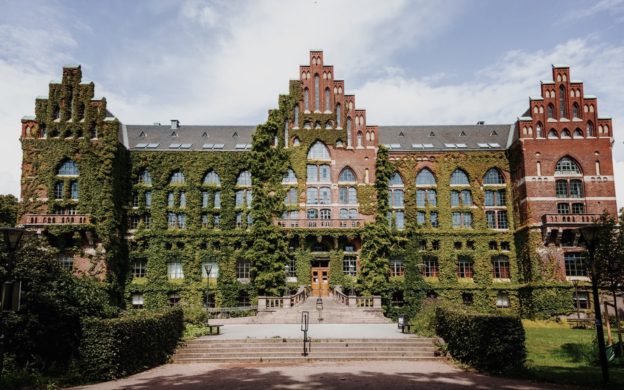
Lund is one of those cities that tends to win people over quietly.
Set in southern Sweden’s Skåne region, just northeast of Malmö and within easy reach of Copenhagen, it mixes medieval streets, student energy, and a very orderly Scandinavian rhythm.
It is one of Sweden’s oldest cities, yet it also feels youthful because of Lund University, which shapes much of daily life.
The city center is compact, walkable, and full of bike traffic, leafy spaces, and historic buildings, with Lund Cathedral and the Botanical Garden standing out as major highlights.
For travelers, Lund feels less like a hectic city break and more like a calm, intelligent place to slow down, look around, and enjoy a few very safe-feeling days, which is a big part of its charm.
Warnings & Dangers in Lund

OVERALL RISK: LOW
Lund is generally a low-risk destination for tourists. It is widely viewed as one of the calmer urban stops in southern Sweden, with a strong student presence, a compact center, and reliable public services. The main concerns for visitors are the same ones you see in many safe European cities: petty theft, late-night drunken behavior on weekends, and staying aware of national terrorism guidance for Sweden as a whole.

TRANSPORT & TAXIS RISK: LOW
Public transport around Lund and the wider Skåne region is efficient and usually very safe. Trains to and from Copenhagen Airport are especially useful for travelers. The one thing I would watch is taxi pricing, because Sweden allows free pricing, so it is smart to agree on the fare in advance if you are not using an app or fixed-price airport service.

PICKPOCKETS RISK: LOW
Pickpocketing risk in Lund is low compared with bigger European tourist cities. That said, train stations, crowded events, and busy central streets are still the places where distraction theft is most likely to happen. You do not need to be paranoid here, but you should still keep your phone, wallet, and passport secure, especially during festivals, market days, or busy university periods.

NATURAL DISASTERS RISK: LOW
Lund has a low natural-disaster risk profile. You are not dealing with earthquakes, tropical storms, or major wildfire patterns that usually affect tourist plans. The more realistic weather issues are winter ice, slippery sidewalks, strong winds, and rainy periods that can make getting around less comfortable. In other words, the risk is mostly about inconvenience and minor accidents, not dramatic natural threats.

MUGGING RISK: LOW
Mugging is not a major tourist threat in Lund. Violent crime in Sweden tends to be concentrated in larger urban areas and often linked to criminal networks rather than visitors. Lund’s center is usually calm, but like anywhere, quieter streets late at night can feel less comfortable, especially around transport points after bars close. Basic common sense goes a long way here.

TERRORISM RISK: MEDIUM
For Lund itself, the day-to-day risk feels low, but Sweden’s national terrorism alert remains elevated. That matters because attacks, while not common, can target public spaces, transport hubs, and crowded events anywhere in the country. I would not let that stop me from visiting Lund, but I would stay alert in stations, at large gatherings, and during major public celebrations.

SCAMS RISK: LOW
Scam risk in Lund is fairly low. You are much more likely to run into mild tourist inconveniences than organized fraud aimed at visitors. Overpriced taxis, fake sob stories, or card-payment confusion are more realistic than anything sophisticated. Sweden is heavily cashless, which helps in some ways, but you should still watch card terminals and only use licensed services for transport and bookings.

WOMEN TRAVELERS RISK: LOW
Lund is generally a comfortable city for women traveling alone. The city center is active, well used, and shaped by student life, which helps it feel less isolating than some quieter towns. Even so, solo travelers should keep the usual boundaries in place at night, especially after parties or around drunk crowds, and avoid walking distracted with headphones in poorly lit areas.

TAP WATER RISK: LOW
Tap water in Lund is safe to drink. Sweden has strong drinking-water standards, and visitors generally do not need to buy bottled water unless they simply prefer it. This is one of those nice practical wins for travelers because you can refill a bottle and move on with your day without worrying about water quality.
Safest Places to Visit in Lund
Lund Cathedral and the Historic Center
If you want the safest and most rewarding part of Lund, start in the historic center.
Lund Cathedral anchors the city and draws a steady flow of visitors, students, and locals, which naturally keeps the area lively without making it chaotic.
The surrounding cobbled streets are the kind of place where you can wander without much stress, stopping for coffee, small shops, and photos.
This is the part of Lund that feels the most polished and visitor-friendly.
Botanical Garden
The Botanical Garden is another easy yes.
It is central, calm, and ideal if you want a quieter break from museums and old streets.
With thousands of plant species and a peaceful layout, it feels safe partly because it is open, well known, and frequently visited.
For travelers who want a low-stress stop, this is one of Lund’s best picks.
Kulturen and the Museum Area
Kulturen gives you history without feeling dusty or intimidating.
It is an open-air museum in the center of town, which means you get culture and a sense of neighborhood life at the same time.
Areas around major cultural institutions are usually a safe bet in Lund because they are well integrated into the city’s everyday rhythm rather than isolated tourist zones.
Stadsparken
Stadsparken is a good choice during the day, especially in warmer months when people are out walking, relaxing, or attending events.
It is not just a park that tourists stumble into by accident.
It is part of the city’s social life.
I would recommend it most strongly in daylight or early evening, when the atmosphere is active and comfortable.
Places to Avoid in Lund
Isolated Areas Around the Station Late at Night
Lund does not really have a long list of genuinely dangerous tourist neighborhoods, which is good news.
But if I had to name a place to be more alert, it would be the areas around the station and quieter surrounding streets late at night.
During the day, this is a normal transit zone.
After dark, especially when foot traffic drops, it can feel less welcoming and is one of the more sensible places to stay alert.
Quiet Industrial or Outlying Sections
Places like Gastelyckan and certain more peripheral residential zones are not famous danger spots, but they are less ideal for tourists simply because they can feel empty, especially at night.
That matters because safety is not just about crime statistics.
It is also about how easy it is to find help, transport, and other people nearby.
In Lund, empty areas are often more of a comfort issue than a hard safety issue.
Park Areas Very Late at Night
Parks in Lund, including around Stadsparken, are pleasant during the day, but I would not rank them as the best place for aimless late-night wandering.
That is less because they are known for serious crime and more because darkness, fewer people, and occasional weekend drinking scenes can change the feel quickly.
In a city this safe, the biggest mistake travelers make is letting their guard drop completely.
Safety Tips for Traveling to Lund
- Use the train from Copenhagen Airport when it suits your itinerary. It is one of the easiest and most reliable ways into the region, and it reduces the stress of negotiating airport transfers on arrival.
- Confirm taxi prices before you get in. Sweden’s taxi market can involve free pricing, so ask for the fare or use a known app-based or fixed-price service.
- Keep valuables zipped away in busy transit points. Lund is low risk, but stations and event crowds are still the easiest places for opportunistic theft.
- Stay aware during major public events. Lund has big seasonal gatherings, and crowds always bring a little more confusion, distraction, and petty-risk potential.
- Respect winter conditions. Ice, wet pavement, and early darkness can make a safe city suddenly trickier to navigate than travelers expect. Good shoes matter here.
- Do not treat Sweden’s low-crime reputation as a free pass. Lund is safe, but that does not mean you should leave bags unattended in cafés or wander half-aware at 2 a.m. Basic habits still matter.
- Pay attention to national security guidance. Sweden’s terror threat level is elevated, so keep an eye on local alerts and be a little more aware in transport hubs and crowded public spaces.
- Choose central accommodation if possible. Staying near the historic center makes Lund easier and generally more comfortable on foot, especially if you are visiting without a car.
- Carry a refillable water bottle. Tap water is safe, which is convenient and saves money.
- Plan around the season. Summers are easy and lively, while colder months need better layering, earlier starts, and more attention to light and weather.
So... How Safe Is Lund Really?
Lund is one of the safer city destinations you can pick in northern Europe.
The biggest reason is not just low headline risk, but the overall setup of the place: a compact center, a strong university presence, high public-service standards, and a travel experience built more around walking, cycling, museums, cafés, and parks than around chaotic nightlife or heavy tourist congestion.
Sweden does face national security concerns, and that cannot be ignored, especially with the elevated terrorism alert and wider public debate about crime in the country.
But those issues do not turn Lund into a high-risk destination.
In practical terms, most visitors are far more likely to deal with a slippery winter sidewalk, a pricey taxi, or a forgotten phone on a café table than a serious crime incident.
That is the honest balance.
Lund is not risk-free, because nowhere is, but it is very manageable, very comfortable, and for most travelers, very safe indeed.
If you use normal city awareness and avoid the usual late-night mistakes, Lund should feel like an easy destination rather than a stressful one.
How Does Lund Compare?
| City | Safety Index |
|---|---|
 Lund Lund |
92 |
| Malmo |
78 |
| Gothenburg |
78 |
| Stockholm |
82 |
 Toulouse Toulouse | 57 |
 LaPlace LaPlace | 75 |
| Seekonk | 87 |
 Kaunas Kaunas | 82 |
 Ghardaia Ghardaia | 48 |
| New Jersey | 85 |
Useful Information

Visas
Sweden is part of the Schengen Area. Many travelers can enter visa-free for short tourist stays, while others need a short-stay Schengen visa. For visitors who need one, the short-stay limit is generally up to 90 days in any 180-day period. Current adult visa fees are typically 90 euros, with reduced fees for some children.

Currency
The currency in Lund is the Swedish krona, not the euro. Card payments are widely accepted, and Sweden is one of the most cash-light countries in Europe, so exchanging a huge amount of cash is usually unnecessary. In my view, using a travel card or bank card with low foreign transaction fees is the easiest option.

Weather
Lund has four distinct seasons, with pleasant summers and chilly, darker winters. Southern Sweden is milder than the far north, but wind, rain, and cold snaps are still common outside summer. Pack layers year-round, and in colder months bring a proper waterproof jacket and shoes with grip.

Airports
The two main airport options are Copenhagen Airport and Malmö Airport. Copenhagen Airport is often the most convenient international gateway, with direct train service across the Öresund route into the region. Malmö Airport is closer within Sweden, but onward transport can involve bus, taxi, or coach connections rather than the same easy rail setup.

Travel Insurance
Even for a low-risk destination like Lund, travel insurance is still worth it. Delayed flights, lost bags, medical costs, and trip interruptions are far more common than serious crime, and those are exactly the annoyances insurance can soften. For Sweden, I would especially want coverage for medical care, transit disruptions, and stolen electronics.
Lund Weather Averages (Temperatures)
Average High/Low Temperature
| Temperature / Month | Jan | Feb | Mar | Apr | May | Jun | Jul | Aug | Sep | Oct | Nov | Dec |
|---|---|---|---|---|---|---|---|---|---|---|---|---|
| High °C |
2 | 2 | 6 | 11 | 16 | 19 | 22 | 21 | 17 | 11 | 7 | 4 |
| Low °C |
-3 | -3 | -1 | 3 | 7 | 11 | 13 | 13 | 10 | 6 | 3 | -1 |
| High °F |
36 | 36 | 43 | 52 | 61 | 66 | 72 | 70 | 63 | 52 | 45 | 39 |
| Low °F |
27 | 27 | 30 | 37 | 45 | 52 | 55 | 55 | 50 | 43 | 37 | 30 |
Sweden - Safety by City
| City | Safety Index |
|---|---|
| Gothenburg | 78 |
| Lund | 92 |
| Malmo | 78 |
| Stockholm | 82 |













Lund is no longer safe
Lund is not what it used to be. sorry, but I am not a politically correct kind of guy, I know the real reason is immigration. say whatever you say, I understand the concept of judging every person independently, but, right after immigration crime has been on the rise, and yes, locals are doing more crime because of this as well. our criminals take advantage of this situation. so… think twice before coming to Lund, it’s really not a peaceful and nice as it used to be.
Safest city I've ever been to
Lund is by far the safest city I’ve ever visited. It’s a small, quiet, and green city. We didn’t have a single issue and we felt comfortable walking around town even at night. The locals kept to themselves but were helpful and kind. It’s an incredibly beautiful city with lots of young people.
Spent an afternoon just wandering from the cathedral through the little parks to the uni buildings and it honestly felt like walking around a quiet campus that somehow turned into a whole town.
Does anyone else find the cathedral square at dusk, with bike bells and the smell of the Botanical Garden, oddly comforting?
Morning bike traffic and the cathedral bells on a crisp day made me slow down and actually enjoy doing nothing for an hour.
Pretty city and all, but after spending a few afternoons dodging the bike traffic and getting lulled by the cathedral bells at 7am, I can’t help feeling it’s a bit too tame for a proper adventure.
Cycling through those leafy streets with the cathedral in sight really made me appreciate how calm a city can be without feeling sleepy.
I’ve spent a few afternoons wandering around and while the calm vibe is nice, sometimes it felt a bit too quiet for my taste, almost like the city was asleep despite all the students around.