


 Austria : Safety by City
- Bregenz
- Eisenstadt
- Graz
- Hallstatt
- Innsbruck
- Klagenfurt
- Linz
- Saint Pölten
- Salzburg
- Vienna
- Zell am See
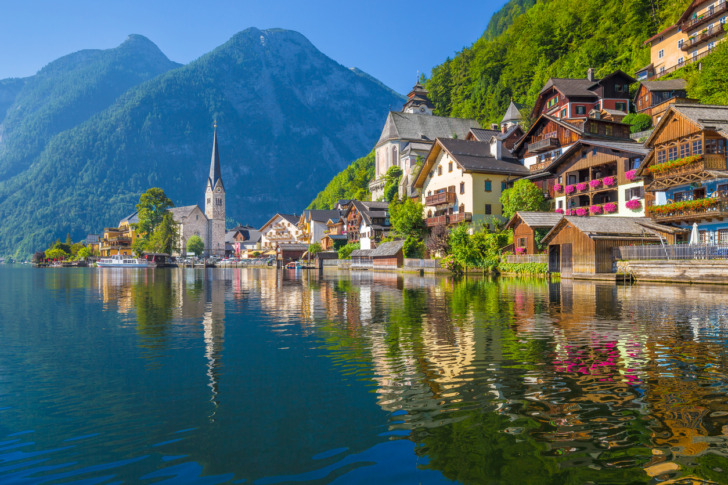
Hallstatt is one of Austria’s most photographed villages, sitting between the glassy Hallstätter See and steep Alpine mountains in the Salzkammergut region.
It looks almost unreal: pastel houses stacked along the lake, church towers, mountain reflections, boats, salt-mine history, and tiny lanes that feel like they were built for postcards rather than crowds.
The village is small, beautiful, and extremely popular, partly because it became one of Europe’s most recognizable fairytale-style destinations.
From a safety point of view, Hallstatt is very safe.
Violent crime is rare, the village is orderly, and Austria has strong infrastructure.
The real risks are overcrowding, slippery paths, steep terrain, lake safety, winter weather, traffic congestion, and visitors underestimating how small and fragile the place actually is.
Warnings & Dangers in Hallstatt

OVERALL RISK: LOW
Hallstatt is a low-risk destination for travelers. Violent crime is very rare, the village is calm, and Austria is generally one of Europe’s safer countries. The main concerns are practical: crowds, icy paths, lake safety, mountain trails, narrow roads, and occasional petty theft in packed tourist areas.

TRANSPORT & TAXIS RISK: LOW
Transport is safe but can be inconvenient because Hallstatt is small and busy. Visitors usually arrive by train and ferry, bus, car, or organized tour. Roads are narrow, parking is limited, and peak-season congestion can be frustrating. The risk is low, but planning transport ahead matters.

PICKPOCKETS RISK: LOW
Pickpocketing is not common in Hallstatt, but crowds create opportunity. Be more careful near viewpoints, ferry docks, bus stops, parking areas, souvenir shops, and crowded lanes. The village is safe, but tourists taking photos with open bags and phones in hand are always easy targets.

NATURAL DISASTERS RISK: MEDIUM
Natural disaster risk is medium because Hallstatt sits in an Alpine lake-and-mountain environment. Heavy snow, ice, rockfall, storms, avalanches in surrounding areas, and sudden weather changes can affect travel. Most visits are trouble-free, but hiking, driving, and winter travel require extra caution.

MUGGING RISK: LOW
Mugging is extremely rare in Hallstatt. This is not a place where tourists usually worry about violent street crime. The only common-sense warning is to avoid isolated lake paths or dark areas late at night if alone, especially in winter when the village becomes much quieter.

TERRORISM RISK: LOW
The terrorism risk in Hallstatt is low. It is a small village destination, not a major political or financial center. Crowded public places always deserve basic awareness, especially during peak tourist periods, but terrorism is not a major safety issue for visitors here.

SCAMS RISK: LOW
Scams are uncommon in Hallstatt. Prices can feel high because it is a famous tourist destination, but that is not the same as being scammed. The main thing to watch for is unclear parking, tour, accommodation, or restaurant pricing. Confirm costs before booking anything expensive.

WOMEN TRAVELERS RISK: LOW
Hallstatt is very safe for women travelers, including solo travelers. Streets are peaceful, public areas are orderly, and harassment is not common. Women should still use standard precautions when walking alone late at night, hiking solo, or staying outside the village center in isolated accommodation.

TAP WATER RISK: LOW
Tap water in Hallstatt is safe to drink. Austria has excellent drinking water quality, and travelers can refill bottles from hotels and safe public sources where available. Carry water if hiking, visiting the salt mine, or walking around in summer, because shops and cafes can be crowded.
Safest Places to Visit in Hallstatt
Hallstatt Village Center
The village center is the safest and most popular area for visitors.
It is compact, walkable, scenic, and full of cafes, shops, lakeside views, and historic buildings.
Because cars are limited in the central area, it feels peaceful compared with many tourist towns.
The main issue is crowding, especially around the famous photo viewpoint.
Hallstatt Skywalk
The Hallstatt Skywalk is a safe and organized attraction when visited in good weather.
Visitors usually reach it by funicular, and the viewing platform is managed as part of the salt mine area.
The view is incredible, but check conditions before going up, especially in winter, rain, fog, or high winds.
Hallstatt Salt Mine
The salt mine is one of the area’s most structured and safest attractions.
Tours are organized, routes are controlled, and visitors are guided through the experience.
It is a good choice for families and travelers who want history without wandering onto risky mountain paths.
Lakeside Promenade
The lakeside promenade is calm, scenic, and safe during the day and early evening.
It is one of the best places for photos and relaxed walking.
Be careful near the water, especially with children, icy ground, or wet stones.
In bad weather, the lakefront can become slippery.
Obertraun and Dachstein Area
Nearby Obertraun is quieter than Hallstatt and often feels more spacious.
It is a good base for travelers who want lake access, mountain views, and easier breathing room away from the crowds.
The Dachstein area is safe when using official routes and lifts, but weather and mountain conditions matter.
Places to Avoid in Hallstatt
Slippery Lake Edges in Bad Weather
The lakefront is beautiful, but wet stones, ice, snow, and narrow paths can make it risky.
Avoid walking too close to the edge during rain, after snowfall, or in freezing conditions.
This is especially important for children, older travelers, and anyone distracted by taking photos.
Mountain Trails Without Proper Gear
Hallstatt is surrounded by mountains, and some visitors underestimate the terrain because the village itself feels so polished.
Avoid hiking steep trails in sneakers, sandals, poor weather, or without enough daylight.
Mountain weather can change quickly, and trails can become muddy, icy, or hard to follow.
Overcrowded Viewpoints
The famous postcard viewpoint can get packed with tourists trying to take the same photo.
It is not dangerous in a dramatic way, but crowding can lead to pushing, dropped phones, blocked paths, and frustration.
Go early in the morning or late in the day for a calmer experience.
Narrow Roads During Peak Tourist Traffic
Driving into or around Hallstatt can be stressful during high season.
Roads are narrow, parking fills up, and buses, cars, pedestrians, and cyclists all compete for limited space.
Avoid arriving by car at the busiest midday hours if you can.
Trains and ferries can be much easier.
Frozen or Poorly Cleared Paths in Winter
Winter Hallstatt is gorgeous, but icy paths are a real concern.
Avoid steep lanes, shaded stairs, and lakefront sections that have not been cleared or salted.
Wear shoes with grip and do not rush.
A simple slip can ruin a trip faster than any crime risk here.
Safety Tips for Traveling to Hallstatt
- Visit early or stay overnight. Hallstatt is safest and most enjoyable when it is not overloaded with day-trippers. Early morning and evening are calmer, easier to walk through, and better for photos. Staying overnight also lets you experience the village after the tour buses leave. It reduces crowd stress and gives you more flexibility.
- Plan your transportation before arrival. Hallstatt is small, and transport logistics can surprise visitors. If arriving by train, you will usually take the ferry across the lake. If driving, parking can be limited and located outside the central village. Check your route, parking option, ferry timing, and luggage plan before you arrive.
- Wear proper shoes. This is not the place for slippery fashion shoes if you plan to walk a lot. Hallstatt has stone lanes, steps, hills, wet lakefront areas, and possible ice in winter. Comfortable shoes with grip make a big difference. The village is beautiful, but it is not perfectly flat or smooth.
- Be careful near the lake. The lake is calm and scenic, but water safety still matters. Watch children closely, avoid leaning over edges for photos, and be careful on wet or icy surfaces. If taking a boat, follow basic safety rules and check conditions before going out. Cold water can be dangerous even when the weather feels pleasant.
- Check the mountain weather before hiking. The mountains around Hallstatt are stunning, but they are real Alpine terrain. Check the forecast before hiking, bring water, dress in layers, and avoid trails if storms, fog, ice, or heavy rain are expected. Do not rely only on how the weather looks from the village center.
- Respect closed trails and warning signs. If a trail, path, or viewpoint is closed, take it seriously. Closures may be due to rockfall, ice, maintenance, avalanche danger, or unsafe footing. Ignoring signs in mountain destinations is one of the fastest ways to turn a safe trip into an emergency.
- Keep valuables secure in crowds. Hallstatt is not a pickpocket hotspot, but packed tourist areas always create opportunities. Keep your bag zipped, do not leave phones on cafe tables near busy walkways, and avoid putting wallets in back pockets. The risk is low, but the fix is simple.
- Bring layers even in pleasant seasons. The weather can shift quickly near lakes and mountains. A warm morning can become windy, rainy, or chilly by afternoon. Bring a light jacket or rain layer, especially if taking the funicular, visiting viewpoints, or traveling by boat. In winter, proper cold-weather clothing is essential.
- Avoid rushing through the village. Hallstatt’s lanes are narrow, crowded, and full of people stopping suddenly for photos. Walk slowly, stay patient, and do not try to push through crowds. This is partly about safety and partly about respect. The village is a real community, not just a photo set.
- Get travel insurance if doing outdoor activities. For a simple village visit, Hallstatt is very safe. But if your trip includes hiking, winter travel, boating, mountain lifts, or a wider Austria itinerary, travel insurance is smart. Look for medical coverage, trip disruption, lost luggage, and emergency assistance, especially if you plan to explore the Alps.
So... How Safe Is Hallstatt Really?
Hallstatt is one of the safest destinations a traveler can visit in Europe, especially when it comes to crime.
Violent crime is extremely rare, serious tourist scams are uncommon, and the village is orderly, clean, and well-managed.
For solo travelers, couples, families, older visitors, and women travelers, Hallstatt is generally very comfortable.
The real safety story is not crime.
It is crowd pressure and Alpine geography.
Hallstatt receives far more visitors than its small size comfortably handles, especially in peak season.
That creates practical issues: packed lanes, busy viewpoints, limited parking, crowded ferries, and occasional petty theft opportunities.
None of this makes Hallstatt dangerous, but it can feel stressful if you arrive at the busiest time with no plan.
Nature is the other factor.
Lake edges, steep trails, icy paths, wet stones, mountain weather, and winter conditions deserve respect.
Hallstatt looks gentle from a photo, but it sits in a real mountain environment.
The safest visitors are the ones who wear proper shoes, check the weather, avoid risky trails, and do not try to squeeze too much into one rushed day.
So, how safe is Hallstatt really?
Very safe, with low crime risk and medium nature-and-crowd risk.
How Does Hallstatt Compare?
| City | Safety Index |
|---|---|
| Hallstatt |
92 |
| Zell am See |
93 |
| Saint Pölten |
90 |
| Vienna |
92 |
| Bregenz |
92 |
| Linz |
86 |
| Innsbruck |
90 |
 Reynosa Reynosa | 30 |
 Harlan Tri-Cities Harlan Tri-Cities | 89 |
 Gabala Gabala | 87 |
 Valdivia Valdivia | 79 |
 Potosi Potosi | 69 |
| Irving | 79 |
Useful Information

Visas
Austria is part of the Schengen Area. Many travelers can visit visa-free for short stays of up to 90 days within a 180-day period, depending on nationality. Others need a Schengen visa before arrival. Check passport validity, entry rules, and travel dates before booking.

Currency
Hallstatt uses the euro. Cards are accepted in many hotels, restaurants, and shops, but carrying some cash is useful for small purchases, parking, toilets, lockers, and smaller cafes. Use bank ATMs when possible and avoid poor exchange rates at tourist-focused exchange counters.

Weather
Hallstatt has warm summers, cold winters, and changeable mountain weather. Summer is best for lake views and walking, while winter brings snow and icy paths. Pack comfortable shoes, layers, rain protection, and warm clothing if visiting outside of summer. Mountain viewpoints can be cooler than the village.

Airports
Hallstatt does not have an airport. The nearest major options are Salzburg, Linz, Vienna, and Munich, depending on your route. Many travelers arrive by train, often connecting through Attnang-Puchheim and then taking the ferry from Hallstatt station across the lake to the village.

Travel Insurance
Travel insurance is recommended for Hallstatt, especially if your trip includes hiking, winter travel, lake activities, or multiple stops in Austria. Choose coverage for medical care, cancellations, delays, lost luggage, and emergency support. Alpine conditions can change quickly, even on a calm-looking trip.
Hallstatt Weather Averages (Temperatures)
Average High/Low Temperature
| Temperature / Month | Jan | Feb | Mar | Apr | May | Jun | Jul | Aug | Sep | Oct | Nov | Dec |
|---|---|---|---|---|---|---|---|---|---|---|---|---|
| High °C |
2 | 4 | 9 | 13 | 18 | 21 | 23 | 21 | 18 | 13 | 7 | 3 |
| Low °C |
-6 | -5 | -1 | 2 | 6 | 10 | 12 | 10 | 8 | 4 | 0 | -3 |
| High °F |
36 | 39 | 48 | 55 | 64 | 70 | 73 | 70 | 64 | 55 | 45 | 37 |
| Low °F |
21 | 23 | 30 | 36 | 43 | 50 | 54 | 50 | 46 | 39 | 32 | 27 |
Austria - Safety by City
| City | Safety Index |
|---|---|
| Bregenz | 92 |
| Eisenstadt | 87 |
| Graz | 89 |
| Hallstatt | 92 |
| Innsbruck | 90 |
| Klagenfurt | 85 |
| Linz | 86 |
| Saint Pölten | 90 |
| Salzburg | 91 |
| Vienna | 92 |
| Zell am See | 93 |
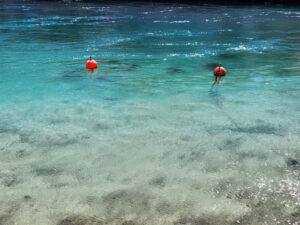
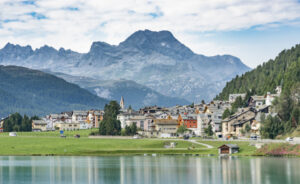
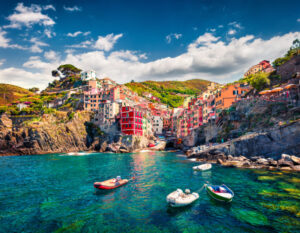












It’s easy to feel like you’re in a movie there, but the crowds can really change the vibe, especially near the narrow lanes by the lake.
So after squeezing through those tiny lanes packed with tourists, do you really think there’s enough room left to actually enjoy the “fairytale” view?
Tried to get a quiet moment by the lake but those narrow streets get packed super fast, so bring comfy shoes and patience.