


 Switzerland : Safety by City
Switzerland - safety as a country
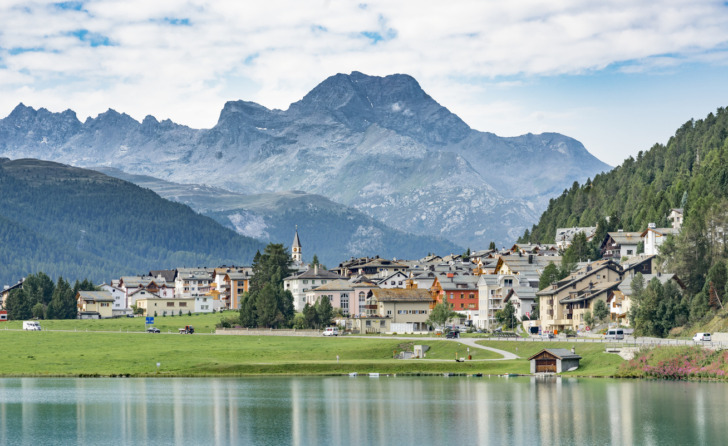
St. Moritz is one of Switzerland’s most famous Alpine resort towns, sitting in the Upper Engadin valley in the canton of Graubünden.
It is polished, expensive, scenic, and unapologetically glamorous, with frozen-lake events, luxury hotels, designer shops, ski slopes, mineral springs, mountain railways, and views that look almost too clean to be real.
This is the birthplace of Alpine winter tourism and still one of Europe’s classic luxury ski destinations.
But beneath the champagne-and-chalets image, St. Moritz is also a serious mountain destination.
From a safety point of view, it is very safe for ordinary travelers.
The biggest risks are not crime, but avalanches, icy paths, altitude, winter driving, lake safety, weather changes, and outdoor activities that visitors underestimate.
Warnings & Dangers in St. Moritz

OVERALL RISK: LOW
St. Moritz is a low-risk destination for most travelers. Violent crime is rare, public infrastructure is excellent, and the town is clean, organized, and tourist-friendly. The main safety issues are outdoor-related: icy streets, skiing accidents, altitude, winter storms, road conditions, and mountain hazards.

TRANSPORT & TAXIS RISK: LOW
Transport is generally safe and reliable. Trains, buses, hotel shuttles, taxis, and mountain lifts are well organized. The main caution is winter road travel, especially in snow, ice, fog, or on mountain passes. If driving, use proper winter equipment and check conditions before long trips.

PICKPOCKETS RISK: LOW
Pickpocketing is not a major problem in St. Moritz, but petty theft can happen in busy stations, ski areas, hotel lobbies, restaurants, and event crowds. Expensive watches, bags, ski gear, and phones can attract attention. Keep valuables secure and do not leave gear unattended.

NATURAL DISASTERS RISK: MEDIUM
Natural hazard risk is medium because St. Moritz sits in Alpine terrain. Avalanches, snowstorms, ice, extreme cold, rockfall, sudden weather changes, and lake conditions can affect travel. The town itself is safe, but skiing, hiking, off-piste routes, and winter driving require real caution.

MUGGING RISK: LOW
Mugging is very rare in St. Moritz. Visitors can generally walk around the town, lake area, hotels, and restaurants comfortably. Late-night risks are more likely to involve icy sidewalks, alcohol-related falls, cold weather, and walking alone on quiet roads rather than violent crime.

TERRORISM RISK: LOW
The terrorism risk in St. Moritz is low. It is a luxury resort town rather than a major political or financial target. Travelers should still use normal awareness at major events, train stations, and crowded public spaces, but terrorism is not a leading safety concern here.

SCAMS RISK: LOW
Scams are uncommon in St. Moritz. Most businesses are professional, regulated, and clear about pricing. The more realistic issue is cost shock rather than fraud. Confirm prices for taxis, ski rentals, lessons, hotels, restaurants, and private transfers before booking anything expensive.

WOMEN TRAVELERS RISK: LOW
St. Moritz is generally very safe for women travelers, including solo women. Hotels, restaurants, lifts, transport, and main streets are comfortable and well maintained. Women should still use normal caution at night, avoid isolated snowy paths alone, and be careful in bars or shared accommodation settings.

TAP WATER RISK: LOW
Tap water in St. Moritz is safe to drink and generally excellent. Bring a refillable bottle, especially for skiing, hiking, or long sightseeing days. Dehydration can still happen in cold weather and at altitude, particularly after alcohol, long walks, or active mountain days.
Safest Places to Visit in St. Moritz
St. Moritz Dorf
St. Moritz Dorf is the main upper village area and one of the safest places for visitors.
It has luxury hotels, shops, restaurants, cafes, galleries, and mountain views.
It is clean, walkable, and well maintained.
In winter, the biggest safety concern is icy streets and steps, so wear shoes with good grip.
Lake St. Moritz
Lake St. Moritz is beautiful year-round and especially famous in winter when events take place on the frozen lake.
It is safe when official conditions are open and monitored.
Never walk onto frozen lake areas unless they are clearly permitted.
In summer, stay aware near the water and follow local rules.
Corviglia Ski Area
Corviglia is one of the safest ski areas for ordinary visitors when they stay on marked runs.
It has lifts, restaurants, groomed pistes, signage, and ski patrol.
The risk rises if you ski too fast, ignore closures, or leave marked terrain without avalanche knowledge and equipment.
Muottas Muragl
Muottas Muragl is a scenic mountain viewpoint reached by funicular and is a safe, structured outing in good weather.
It is excellent for views over the Engadin lakes and mountains.
Wear warm clothing, check conditions, and be careful on snowy or icy walking paths.
St. Moritz Bad
St. Moritz Bad, the lower part of town near the lake, is safe, calmer, and convenient for spa hotels, lake walks, and access to transport.
It is a good option for visitors who want a slightly quieter base.
In winter, watch for ice on sidewalks and paths near the water.
Places to Avoid in St. Moritz
Off-Piste Ski Terrain Without Training
St. Moritz has serious Alpine terrain nearby, and off-piste skiing is not something to improvise.
Avoid unmarked slopes unless you have avalanche training, proper equipment, current conditions information, and a qualified guide when needed.
Beautiful powder can hide deadly risk.
Frozen Lake Areas Without Official Permission
The frozen lake is one of St. Moritz’s signature winter features, but it should not be treated casually.
Only enter lake areas when they are officially open and prepared.
Ice thickness, cracks, temperature changes, and event restrictions matter.
If in doubt, stay off.
Mountain Roads During Storms
Avoid unnecessary driving on mountain roads or passes during snowstorms, heavy fog, or icy conditions.
The Engadin is well managed, but winter roads can still become difficult.
Use trains or shuttles if you are not confident driving in Alpine winter conditions.
Closed Trails and Marked Avalanche Zones
Do not ignore closure signs on winter hiking paths, snowshoe trails, ski routes, or summer mountain trails.
Closures may reflect avalanche danger, rockfall, unstable snow, ice, maintenance, or weather damage.
In Switzerland, signs are usually there because the risk is real.
Quiet Paths After Dark in Winter
St. Moritz is safe, but dark winter paths can be icy, cold, and lonely.
Avoid isolated lake paths, forest trails, and poorly lit shortcuts after drinking or during bad weather.
Stick to main streets, use taxis, or take hotel shuttles when available.
Safety Tips for Traveling to St. Moritz
- Respect avalanche warnings. Avalanche danger is the most important mountain safety issue in winter. If you stay on marked pistes and prepared paths, the risk is much lower. If you go off-piste, snowshoe in remote areas, or ski touring routes, you need avalanche training, proper gear, and current local information. A beautiful sunny day does not automatically mean stable snow.
- Stay on marked ski runs unless properly prepared. St. Moritz attracts confident skiers, but confidence is not the same as mountain knowledge. Marked runs are patrolled and managed. Off-piste terrain is different. If you want powder, hire a qualified guide and carry the correct safety equipment. The Alps are not forgiving when people guess.
- Wear shoes with grip in winter. The town may look polished, but snow, ice, slush, and frozen steps can still make walking tricky. Good winter boots matter, especially around the lake, train stations, hotel entrances, and steep streets. Many mountain-town injuries are boring slips, not dramatic ski crashes.
- Plan winter driving carefully. If you rent a car, make sure it is winter-ready. Check tires, road conditions, parking rules, and mountain pass status. Drive slowly in snow or fog, and do not rush. Trains in Switzerland are excellent, so there is no shame in skipping the car entirely.
- Do not underestimate altitude. St. Moritz sits at high elevation, and nearby mountain viewpoints go higher. Some visitors feel more tired, short of breath, or dehydrated than expected. Take it easy on the first day, drink water, limit alcohol if you feel off, and do not push hard exercise immediately after arrival.
- Secure expensive gear. St. Moritz is safe, but ski gear, designer bags, watches, phones, and cameras are valuable. Do not leave skis, snowboards, helmets, or bags unattended outside restaurants or hotels for long periods. Use lockers, ski rooms, or proper storage where available.
- Check lift and weather conditions before heading out. Wind, storms, whiteout conditions, or maintenance can affect lifts and mountain access. Check conditions before committing to a route or buying activity tickets. If visibility is poor, choose lower-altitude activities, spas, museums, shopping, or scenic train rides instead.
- Be careful around the lake. Lake St. Moritz is beautiful, but water and ice safety matter. In summer, watch children near the edge and be cautious with cold water. In winter, only walk on frozen sections when officially allowed. Never assume ice is safe just because other people are nearby.
- Budget clearly before booking. This is not a crime issue, but it is a safety-for-your-wallet issue. St. Moritz is expensive. Check prices for hotels, restaurants, taxis, ski passes, rentals, lessons, spa access, and private transfers before committing. A casual “sure, why not?” can become a very Swiss-looking bill.
- Get travel insurance with winter sports coverage. Standard travel insurance may not cover skiing, snowboarding, off-piste activities, rescue, or expensive equipment. Read the policy carefully. If you plan winter sports, hiking, mountain biking, or guided tours, make sure medical care, evacuation, cancellations, lost luggage, and activity accidents are included.
So... How Safe Is St. Moritz Really?
St. Moritz is very safe from a crime perspective.
Serious crime is rare, the town is orderly, infrastructure is excellent, and visitors are surrounded by high-quality hotels, transport, shops, restaurants, and outdoor services.
Solo travelers, couples, families, older visitors, and women travelers can all feel comfortable here.
But St. Moritz is not risk-free.
The safety conversation is mostly about the Alps.
Winter sports, frozen lakes, high altitude, icy streets, mountain roads, sudden weather, and avalanche terrain are the real issues.
A traveler who stays in town, enjoys spas, shops, restaurants, lake views, and marked ski runs faces low risk.
A traveler who goes off-piste, drives in storms, ignores closures, or walks onto unsafe ice faces a very different situation.
Petty theft exists but is not a major threat.
The more realistic mistake is being too casual with expensive gear or too confident in mountain conditions.
Overall, St. Moritz is low risk for ordinary travel and medium risk for winter sports, off-piste skiing, mountain travel, and severe weather.
It is safe, elegant, and beautifully organized, but the mountains deserve respect.
How Does St. Moritz Compare?
| City | Safety Index |
|---|---|
| St. Moritz |
93 |
| Interlaken |
90 |
| Lucerne |
91 |
| Lausanne |
78 |
| Zurich |
92 |
| Zermatt |
93 |
| Bern |
85 |
 Dubrovnik Dubrovnik | 90 |
 Le Havre Le Havre | 63 |
 Montreal Montreal | 82 |
 Sintra Sintra | 89 |
 Sidney Sidney | 81 |
| Montrose | 88 |
Useful Information

Visas
St. Moritz is in Switzerland, which is part of the Schengen Area. Many travelers can visit visa-free for up to 90 days within a 180-day period, depending on nationality. Others need a Schengen visa before arrival. Check passport validity and entry rules before booking.

Currency
St. Moritz uses the Swiss franc. Credit and debit cards are widely accepted in hotels, restaurants, shops, ski offices, and transport services. Cash is useful for small purchases, tips, lockers, and backup. Switzerland is expensive, and St. Moritz is expensive even by Swiss standards.

Weather
St. Moritz has cold, snowy winters and mild summers, with strong sun at altitude and fast-changing mountain conditions. Winter visitors need warm layers, waterproof clothing, gloves, sunglasses, and shoes with grip. Summer visitors should pack layers, sun protection, and walking shoes for mountain paths.

Airports
The closest local airport is Engadin Airport near Samedan, mainly used for private and charter flights. Most international travelers arrive through Zurich, Milan, or Geneva, then continue by train, rental car, or transfer. The train route into the Engadin is scenic and often easier than winter driving.

Travel Insurance
Travel insurance is strongly recommended for St. Moritz, especially if you plan to ski, snowboard, hike, bike, drive mountain roads, or take part in winter activities. Choose coverage for medical care, emergency rescue, cancellations, delays, lost luggage, equipment theft, and the exact sports you plan to do.
St. Moritz Weather Averages (Temperatures)
Average High/Low Temperature
| Temperature / Month | Jan | Feb | Mar | Apr | May | Jun | Jul | Aug | Sep | Oct | Nov | Dec |
|---|---|---|---|---|---|---|---|---|---|---|---|---|
| High °C |
-2 | 0 | 4 | 8 | 13 | 18 | 19 | 18 | 15 | 10 | 3 | -1 |
| Low °C |
-14 | -11 | -7 | -3 | 1 | 4 | 6 | 6 | 3 | -1 | -7 | -11 |
| High °F |
28 | 32 | 39 | 46 | 55 | 64 | 66 | 64 | 59 | 50 | 37 | 30 |
| Low °F |
7 | 12 | 19 | 27 | 34 | 39 | 43 | 43 | 37 | 30 | 19 | 12 |
Switzerland - Safety by City
| City | Safety Index |
|---|---|
| Basel | 87 |
| Bern | 85 |
| Geneva | 90 |
| Interlaken | 90 |
| Lausanne | 78 |
| Lucerne | 91 |
| St. Moritz | 93 |
| Zermatt | 93 |
| Zurich | 92 |









Tried hiking there last winter and nearly slipped on the ice, so definitely respect those warnings even if the views make you forget where you are.