


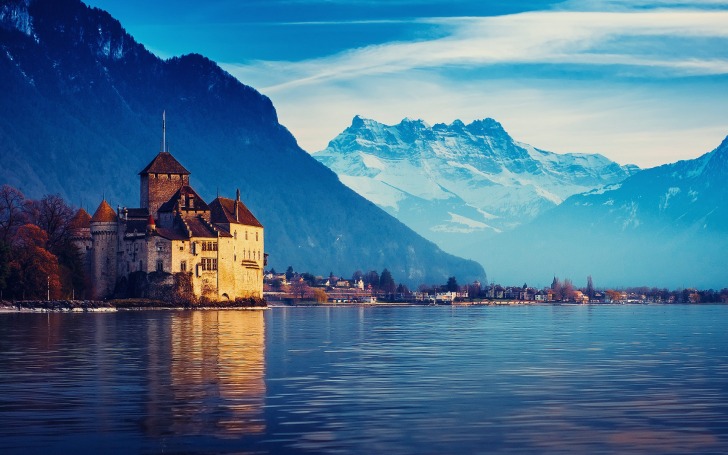
 Switzerland : Safety by City
Switzerland - safety as a country
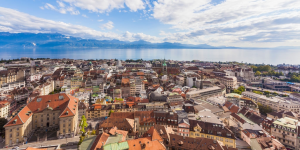
Geneva, Switzerland, is a major global hub for diplomacy, finance, and culture located on the shores of Lake Geneva (Lac Léman).
Known for the 140-meter Jet d’Eau fountain, the Old Town, and high-end shopping, it blends natural alpine beauty with international flair.
Situated in southwest Switzerland, it is framed by the Alps and Jura mountains, sitting on the edge of Lake Geneva, where the Rhône River exits.
Known as the “Capital of Peace,” it houses the UN (Palais des Nations), World Trade Organization (WTO), and the Red Cross.
A leading center for banking, watchmaking, and precision machinery.
It has a high cost of living, with strong influences from French culture.
Warnings & Dangers in Geneva

OVERALL RISK: LOW
Geneva is considered a safe city for travel, with low violent crime rates similar to those of other major European cities. While it is generally secure, it is classified as a medium-threat location for, mostly, petty crimes like pickpocketing. Visitors should exercise normal precautions, particularly around tourist areas, the Cornavin train station, and the Les Paquis district at night.

TRANSPORT & TAXIS RISK: LOW
Geneva offers an exceptionally safe and efficient public transport system (TPG buses/trams), largely free for tourists, with low crime risk beyond occasional petty theft. Public transport, including buses and trains, is considered safe, even late at night. The network is generally very reliable, though construction may cause temporary detours. Visitors staying in hotels or hostels receive a free "Geneva Transport Card" for the duration of their stay. A free 80-minute ticket is available at the airport for arriving passengers. Taxis are reliable but expensive. Risks are minimal, generally limited to pickpocketing near major hubs like Cornavin station, and high costs for private transport.

PICKPOCKETS RISK: MEDIUM
Geneva has a moderate risk for pickpocketing, particularly in tourist-heavy areas, with recent advisories highlighting increased petty crime. While generally safe, travelers should be cautious at Cornavin Train Station, public transport (trams/buses), the Lake Geneva promenade, and the Jardin Anglais. Petty theft and bag snatching are common in these locations.

NATURAL DISASTERS RISK: MEDIUM
Geneva, Switzerland, faces moderate natural disaster risks, with the primary threats being flooding from the Rhône River or Lake Geneva, earthquakes, and, increasingly, heatwaves and severe storms due to climate change. The highest risk of flooding involves the Rhône River, Lake Geneva, and flash floods during intense rainfall. Switzerland has moderate seismic activity; Geneva is situated in a zone where tremors can occur, though large earthquakes are infrequent. High winds, severe storms, and landslides are possible, particularly in surrounding hilly areas.

MUGGING RISK: LOW
While violent muggings are uncommon, they can occur, especially at night near the Cornavin train station, Les Pâquis, and some bridges. Exercise caution in crowded areas. High-risk areas include Cornavin Train Station (and surrounding area), Geneva Airport, public transport (trams/buses), and popular tourist spots like the Jardin Anglais and Lake Geneva promenade.

TERRORISM RISK: LOW
As of early 2025, the terrorism threat level in Geneva and throughout Switzerland is generally considered low, but cannot be entirely ruled out. The Swiss Federal Intelligence Service (FIS) has warned that the risk of an attack in Switzerland has increased slightly since early 2024, primarily driven by the threat of "lone wolf" actors inspired by jihadist ideology. Despite the rise in potential risk, the U.S. Department of State generally classifies Geneva as a low-threat location for civil unrest or terrorism, and Switzerland maintains high political stability.

SCAMS RISK: MEDIUM
A group of sales people target the public from a white van with an aggressive sales pitch of what turns out to be poorly made imported speakers and audio goods. Your best bet is to avoid anyone selling anything from their van. Another scam is the bonneteau game, otherwise known as shell and pea, which is found in Geneva despite being outlawed. ATM skimming is also an issue in some areas.

WOMEN TRAVELERS RISK: LOW
Geneva is considered very safe for women travelers, ranking as a top destination with a 4.6/5 safety rating. Primary risks are limited to low-level petty crime like pickpocketing and bag theft, particularly in tourist areas (Jardin Anglais, Lakefront), near Cornavin station, and in the Paquis red-light district.

TAP WATER RISK: LOW
Tap water in Geneva, Switzerland, is highly safe to drink, often exceeding bottled water quality standards, and requires no special precautionary or purification treatments. It is sourced from natural groundwater and treated lake water, meeting strict hygiene, microbiology, and chemical regulations. Risks are negligible, though occasional chlorine, taste, or odor issues might occur. While the supply is safe, older buildings with outdated plumbing can pose a minor risk; running the tap for 30–60 seconds if it hasn't been used in a while reduces this potential.
Safest Places to Visit in Geneva
This is a very safe city, and you will find many people walking.
The city is also very family-friendly.
The best places to visit include:
- Old Town (Vieille Ville):
Highly safe for strolling, featuring St. Pierre Cathedral and the University of Geneva.
- Eaux-Vives & Lakefront:
Very secure, popular for strolling along the lake, viewing the Jet d’Eau, and enjoying cafés.
- Champel:
Known as a peaceful, high-end residential area.
- Carouge:
A charming, artistic, and safe neighborhood with a distinct, slightly Italian feel.
- Plainpalais:
A lively area, particularly safe during the day and during the farmer’s market.
Places to Avoid in Geneva
Normally, a safe place, there are some areas that are best to be avoided, especially at night. These include:
- Les Pâquis (Red Light District):
Known for drug dealing and having a more chaotic, nightlife-driven atmosphere.
- Behind the Train Station (Gare Cornavin):
Often cited as a place with “questionable” individuals, especially late at night.
- Specific Parks/Bridges at Night:
Avoid walking alone late at night along the lake, specifically near the English Garden and bridges like the Mont Blanc bridge, which can have, on rare occasions, safety issues.
- Skate Park in Plainpalais:
Can be risky at night due to gangs.
- Certain Suburbs:
While not dangerous to walk through, some areas like Onex, La Praille, and Balexert are often cited as less desirable or more industrial/commercial compared to central areas.
Safety Tips for Traveling to Geneva
- Secure Belongings. Use zippers, hidden pockets, or crossbody bags worn in front. Keep valuables locked in the hotel safe.
- Follow weather reports. For real-time alerts and specific hazard maps, residents and visitors should consult the Swiss Federal Office for the Environment (FOEN)and local Geneva canton emergency services.
- Know Emergency Numbers. In an emergency, dial 117 for the police, 118 for the fire department, or 144 for an ambulance.
- Use indoor ATMs. As with most places, there is a greater chance of ATM skimming at outdoor machines. Whenever possible, use indoor ATMs.
- Don’t walk alone at night. Use taxis or public transport late at night rather than walking alone in isolated, unfamiliar, or known, rowdy areas.
- Use Caution in Les Pâquis: While the area is known for its international atmosphere and restaurants, the red-light district of Les Pâquis can be less safe, particularly from 1 p.m. to 4 a.m.
- Beware of Police Impersonators: If approached by someone claiming to be a plainclothes police officer asking to see your wallet or ID, demand to see official identification first to avoid scams.
- Understand Local Laws: Do not jaywalk (crossing on a red light is fined), and avoid littering, which is strictly frowned upon.
- Use Official Taxis: Stick to official taxi stands or ordered services, particularly late at night, to avoid scams or overcharging.
- Ignore Street Drug Dealers: You may be approached by dealers; simply walk by, as they generally do not bother tourists.
So... How Safe Is Geneva Really?
Switzerland is regarded as one of the safest countries globally, and this holds true for Geneva, which is often considered safer than cities like Paris or London.
The U.S. Department of State suggests exercising normal precautions, which is the lowest level of advisory.
This is a highly rated city for women to visit alone.
Violent crime is almost non-existent, and if you avoid a few areas, especially at night, you are not likely to be bothered.
There is a risk of pickpockets and scammers, but using plain common sense should prevent trouble there.
Risks of terrorism are low, and you can avoid any trouble from a natural disaster by following weather reports and listening to authority directions should one occur.
All in all, the “Capital of Peace” truly lives up to its name.
How Does Geneva Compare?
| City | Safety Index |
|---|---|
| Geneva |
90 |
| Zermatt |
93 |
| Interlaken |
90 |
| Zurich |
92 |
| Bern |
85 |
| Basel |
87 |
| Lausanne |
78 |
 West Virginia West Virginia | 61 |
 Monterrey Monterrey | 58 |
 Paro Paro | 90 |
| Hampton | 67 |
 Ottawa Ottawa | 83 |
 Chattogram Chattogram | 61 |
Useful Information

Visas
U.S. citizens do not need a visa to enter Geneva, Switzerland, for tourist or business stays of up to 90 days within a 180-day period. A passport valid for at least 3 months beyond your planned departure date is required. For stays longer than 90 days, or for work/study, a national visa is required. You may need to demonstrate sufficient funds for your stay. It is recommended to have a return or onward ticket. Your passport must be valid for at least 3 months beyond your planned departure date from the Schengen area.

Currency
The currency in Geneva is the Swiss franc (CHF), which is used throughout Switzerland and Liechtenstein. It is highly stable and, while not part of the Eurozone, some shops in tourist areas may accept Euros (EUR), but change is usually given in CHF. Major credit cards (Visa/Mastercard) are widely accepted. Exchange is readily available at banks, airports, and exchange booths. As of early 2026, the Swiss franc remains a strong, "safe-haven" currency. Switzerland is known for being expensive, so having easy access to funds is recommended.

Weather
Geneva is more along the lines of chilly weather. Daily high temperatures run between 41 degrees F in January and 80 degrees in July. Nighttime lows range from 30 degrees F in January to 58 degrees F in July. When packing, make sure you have warmer clothing. You may want a bathing suit or shorts for the beach in July or August, but swimming isn't normally done the rest of the year. If you plan on skiing, make sure you pack appropriate clothing. While the temperatures at night aren't normally below freezing, a coat is advised for night outings.

Airports
Geneva Airport (GVA), formerly known as Cointrin Airport, is the primary international airport serving Geneva, Switzerland, located 4 km (2.5 miles) from the city center. The airport straddles the Swiss-French border, featuring unique sectors for both countries. There are two main terminals. Terminal 1 (T1) is the primary terminal, while Terminal 2 (T2) is used for seasonal charter flights. There is a unique feature allowing passengers to arrive/depart directly from/to France, bypassing Swiss customs. Features include a public observation deck, varied shopping (duty-free), restaurants (including regional cuisine), and currency exchange. Located 10 minutes from downtown Geneva by train. It is accessible by public bus, train, and car.

Travel Insurance
Travelers needing a Schengen visa for Geneva must have insurance with at least $33,000 USD coverage for medical emergencies, hospitalization, and repatriation, valid across all Schengen countries for their entire stay. While not mandatory for visa-exempt visitors (e.g., U.S. citizens), it is highly recommended as Swiss healthcare costs are high and upfront payment is often required. If participating in winter sports or hiking in the Swiss Alps, ensure the policy covers, or allows a rider for, high-risk sports. Swiss hospitals may demand proof of insurance or direct payment upon arrival.
Geneva Weather Averages (Temperatures)
Average High/Low Temperature
| Temperature / Month | Jan | Feb | Mar | Apr | May | Jun | Jul | Aug | Sep | Oct | Nov | Dec |
|---|---|---|---|---|---|---|---|---|---|---|---|---|
| High °C |
2 | 3 | 10 | 14 | 19 | 22 | 20 | 22 | 20 | 15 | 9 | 4 |
| Low °C |
-1 | 0 | 2 | 5 | 9 | 12 | 14 | 13 | 10 | 7 | 3 | 0 |
| High °F |
36 | 37 | 50 | 57 | 66 | 72 | 68 | 72 | 68 | 59 | 48 | 39 |
| Low °F |
30 | 32 | 36 | 41 | 48 | 54 | 57 | 55 | 50 | 45 | 37 | 32 |
Switzerland - Safety by City
| City | Safety Index |
|---|---|
| Basel | 87 |
| Bern | 85 |
| Geneva | 90 |
| Interlaken | 90 |
| Lausanne | 78 |
| Lucerne | 91 |
| St. Moritz | 93 |
| Zermatt | 93 |
| Zurich | 92 |












Everything in this is expensive and it is so polluted. Also, it does not always feel safe.
So, it’s like a fancy little playground for diplomats where the prices make you wonder if the real art is just how to afford a coffee.
It’s funny how you can stumble upon such incredible art and culture in a city that feels so cozy; I still remember the thrill of finding this little concert tucked away in a side street that totally blew me away!
Honestly the best part is catching some random free concert near the lake, enjoying the music, then remembering a beer costs like 9 francs and laughing at how normal that’s become.
Still get a kick every time the Jet d’Eau shoots up over the lake, even if it reminds me how pricey a coffee in town can be.
So the 140-meter Jet d’Eau is an impressive backdrop, but honestly that high cost of living hits harder than the lake breeze.
That fountain’s spray was way bigger than I expected and honestly took my breath away; do you think the city still feels welcoming despite all the international hustle?
The Jet d’Eau is way taller than I expected, and somehow watching it splash always makes me forget about how pricey a sandwich nearby is.