


 Egypt : Safety by City
Egypt - safety as a country
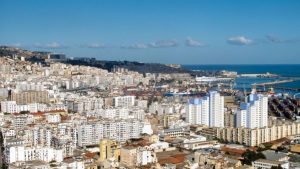
Alexandria, Egypt’s second-largest city and primary seaport, is a historic Mediterranean metropolis founded by Alexander the Great in 331 BC.
Known as the “Pearl of the Mediterranean,” it is famous for its Greco-Roman landmarks, the modern Bibliotheca Alexandrina, fresh seafood, and a cooler, coastal atmosphere compared to Cairo.
Founded in 331 BC, it served as the capital of Egypt for 1,000 years and was a premier hub of Hellenic science, culture, and scholarship—a cosmopolitan city offering a blend of ancient history and seaside relaxation with sandy beaches and cafés.
It was a premier city in the ancient world, home to the Pharos lighthouse (a Wonder of the Ancient World) and the renowned Great Library.
Today, this is still a bustling location.
Let’s examine the facts and see if this is a safe place for you to plan your next vacation.
Warnings & Dangers in Alexandria

OVERALL RISK: MEDIUM
While violent crime is rare, visitors should watch for petty theft, scams, and aggressive vendors, particularly in tourist-heavy areas. The city is considered stable, but it is important to follow local advice, dress modestly, and remain vigilant.

TRANSPORT & TAXIS RISK: HIGH
The danger here is from chaotic traffic conditions, aggressive driving, and a high likelihood of road accidents. Train and bus travel can pose risks due to potential accidents. While the city is generally considered safe for tourists in terms of crime, travelers should watch for overcharging, use app-based services for better safety and transparent pricing, and avoid night travel outside city centers.

PICKPOCKETS RISK: MEDIUM
This is something you need to be wary of in heavily populated tourist areas. The most likely way for this to occur is to have one person distract you. Use a cross-body bag, don't display a lot of money, and keep all bags closed.

NATURAL DISASTERS RISK: HIGH
The main issue in Alexandria is that it is a coastal city that is often bombarded by heavy rains and floods. Many buildings close to the sea are crumbling because of erosion. The overall risk has been set at a low of 21 percent because there have been twenty disasters declared in the past twenty years. Again, the major threat comes from flooding and tsunamis.

MUGGING RISK: LOW
While violent crime is rare, visitors should remain vigilant in crowded areas, avoid unlit, isolated, or informal areas at night, and be aware of potential scams or harassment. Main thoroughfares like the Corniche (waterfront), Tram, and areas with high pedestrian traffic are generally safe. Dark, narrow side streets and slum areas (ashwa'eyat) should be avoided, especially at night.

TERRORISM RISK: MEDIUM
Alexandria has a moderate terrorism risk, with safety generally higher than in North Sinai but requiring vigilance against potential low-level incidents. While major attacks are rare, targeted shootings have occurred, including incidents affecting foreign tourists in 2023 and 2024. Tourists should remain cautious in tourist areas, hotels, and religious sites. There is a significant, visible presence of police and security forces in Alexandria. Avoid large gatherings and demonstrations, follow the advice of local authorities, and be vigilant in crowded areas.

SCAMS RISK: MEDIUM
Vendors around popular sites (like the Citadel of Qaitbay or the Library of Alexandria) may be persistent. Items handed to you as a "gift" are not free; they will demand payment immediately. Individuals may offer to show you a special spot, help with directions, or offer unasked-for information, only to demand a tip later. If a local offers to take your photo, they will likely demand a tip. Some vendors may quote high prices or try to confuse you with old/damaged currency. Always verify the price first and use small denominations.

WOMEN TRAVELERS RISK: MEDIUM
While Alexandria is generally welcoming, female travelers may experience verbal harassment, including unwanted comments or attention. While violent crime is rare, women should dress conservatively, stay in well-lit areas, and consider hiring a guide to navigate persistent vendors and avoid unwanted attention. Verbal harassment, unwanted attention, and intrusive questions are common. It is advised to avoid engaging with overly persistent individuals and, if necessary, be firm in saying "no." Dressing modestly (covering shoulders and knees) is highly recommended to minimize unwanted attention and respect local, conservative customs.

TAP WATER RISK: HIGH
Tap water in Alexandria, Egypt, is generally considered unsafe for visitors to drink directly due to risks of stomach issues from different microbial content and old infrastructure. While chlorinated and safe for showering or brushing teeth, tourists should exclusively consume bottled water, which is cheap and readily available. While locals may be accustomed to it, the water can contain bacteria or contaminants from old pipes and tanks.
Safest Places to Visit in Alexandria
This is generally a very safe place to visit. Some of the safest places include:
- Bibliotheca Alexandrina:
A world-class, modern library and cultural complex, offering a very safe environment with high security.
- Citadel of Qaitbay:
A 15th-century fortress on the Mediterranean, ideal for walking and viewing the coast.
- Catacombs of Kom El-Shoqafa:
A fascinating, well-managed underground Roman cemetery, safe for tourists.
- Montazah Gardens:
Lush, spacious gardens and royal palaces, perfect for a relaxed, secure stroll.
- Alexandria National Museum:
A safe, air-conditioned venue showcasing artifacts from various eras.
- The Corniche:
The main seaside promenade is generally safe for walking, particularly near major hotels.
Places to Avoid in Alexandria
The following places and situations are best avoided during your visit:
- Residential/Industrial Areas:
Neighborhoods like El Hadara, Karmouz, and Kom el Dekka are considered less safe and should be avoided.
- Unlit/Deserted Areas:
Avoid poorly lit or deserted streets after sunset, especially for women travelers.
- Police/Military Installations:
Avoid taking photographs or loitering near security installations, police stations, or government buildings.
- Crowds and Demonstrations:
Steer clear of any large gatherings, protests, or demonstrations.
Safety Tips for Traveling to Alexandria
- Dress conservatively. Dress conservatively, covering shoulders and knees, especially in public spaces.
- Choose transportation wisely. Use official taxis or reputable ride-hailing apps rather than public transportation.
- Program the number for the tourist police. The number to call if you have issues is 126.
- Keep valuables safe. Keep valuables secure and avoid displaying large amounts of cash. Only take the necessary cash and one credit card with you. Carry only copies of important papers and use the hotel safe when possible.
- Keep your phone secure. Do not leave your phone on tables in public spaces, and be cautious when using it on the street to avoid grab-and-run incidents.
- Stay Informed: Monitor local news and official travel advice from your home country. Avoid any political activity or posting critical content about Egypt on social media.
- Say NO clearly and firmly. A firm “La, Shukran” (No, thank you) and avoiding eye contact is effective against persistent street vendors.
- Agree on Prices in Advance: If booking a carriage ride or buying souvenirs, negotiate and agree on the total price before starting the service. For sightseeing, ensure guides are licensed to avoid overpricing.
- Avoid tap water. Use bottled water, even in high-end hotels, to avoid travelers’ diarrhea or Hepatitis A. Be cautious of ice in drinks, which may be made from tap water. Avoid raw vegetables or fruits washed in tap water.
- Choose where you go. Avoid large gatherings, political demonstrations, and military/police installations.
So... How Safe Is Alexandria Really?
Alexandria, Egypt is safer than many other cities throughout the world.
While it has its share of petty crime, violence is rare, the police presence is strong, and there is only a slight chance of a terrorist attack.
Women need to know they are likely to be verbally harassed, but they aren’t likely to be physically assaulted as long as they stay away from dark places and drinking establishments at night.
The natural disaster risk is mainly involving heavy rains and erosion, but staying at a place that isn’t directly on the coastline should be safe.
It is necessary to avoid tap water, including buying fruits and vegetables that are washed in it.
Visitors must also be wary of the source of their ice in drinks.
All in all, this is a wonderful and safe vacation spot.
How Does Alexandria Compare?
| City | Safety Index |
|---|---|
| Alexandria |
45 |
| Port Said |
58 |
| Siwa Oasis |
70 |
| Cairo |
40 |
| Giza |
50 |
| Sharm el Sheikh |
70 |
| Hurghada |
72 |
 Hanoi Hanoi | 72 |
 Kruje Kruje | 79 |
 Bennington Bennington | 70 |
 Cusco Cusco | 60 |
| Gresham | 70 |
| Austin | 65 |
Useful Information

Visas
You need a visa to visit Alexandria. There is a choice of single and multiple- entry visas. The first requirement is that passports must be valid for at least six months beyond the date of arrival. Visa on Arrival (VOA): Available for citizens from over 70 countries (including the US, UK, EU, Australia, Canada) at major airports, payable in cash (USD preferred). E-Visa: Recommended to avoid queues; costs $25 USD for a single entry, official site is www.visa2egypt.gov.eg. Note: If arriving in South Sinai (e.g., Sharm El Sheikh), a 14-day free visa-on-arrival is available, but this does not cover travel to Alexandria.

Currency
The official currency in Alexandria and throughout Egypt is the Egyptian Pound (EGP), often abbreviated as LE (livre égyptienne) or denoted by £. It is divided into 100 piastres (PT) or 1,000 milliemes. As of late 2024/early 2025, 1 USD is roughly equivalent to 48–50 EGP. The best way to get cash is to use widely available ATMs or exchange foreign currency (USD, EUR, GBP) at banks, exchange offices, or hotels.

Weather
The weather is fairly stable regarding temperature throughout the year. Daily highs range from 65 degrees F in January to 88 degrees F in August. Nightly lows range from 49 degrees F in January and February to 75 degrees F in August. The rainy season is from November through February, with January experiencing the most at nine days per month. When visiting, take into account the time of the year and pack accordingly. Rain gear is suggested during the rainy months. Keep in mind that it is suggested that women cover their knees and shoulders while out and about, so pack dresses and trousers accordingly. A jacket is suggested for nighttime in the fall and winter months.

Airports
Alexandria International Airport was formerly known as Borg El Arab International Airport. There are two terminals at this airport, which is about 25 miles outside the city itself. The first terminal includes the normal travel areas. The terminal also includes a duty-free shop, a franchise food court, areas for travel agencies and related services, a fuel supply unit, a control tower, and a fire station for on-site emergencies. A parking area in front of the terminal provides space for 350 vehicles. The second terminal was opened in 2025 and includes many state-of-the-art amenities. It has 40 check-in counters, 40 passport counters across arrival and departure halls, and five baggage carousels in the arrivals' hall. Security and operational systems include modern surveillance cameras and advanced baggage handling systems with CTX devices. Passenger amenities include cafeterias, restaurants, and commercial areas, along with designated waiting areas for departing and arriving passengers. Getting to and from the airport can be accomplished in several ways and takes about an hour to get to the center of the city. You can book an Uber, use a blue or yellow taxi, or ride the bus.

Travel Insurance
Travel insurance is not legally required to enter Egypt, including Alexandria, but it is strongly recommended by official travel advisories and experts. Due to limited local medical facilities, potential high costs for private care, and risks of trip disruption, comprehensive coverage—including emergency medical evacuation—is essential for peace of mind.
Alexandria Weather Averages (Temperatures)
Average High/Low Temperature
| Temperature / Month | Jan | Feb | Mar | Apr | May | Jun | Jul | Aug | Sep | Oct | Nov | Dec |
|---|---|---|---|---|---|---|---|---|---|---|---|---|
| High °C |
18 | 19 | 21 | 24 | 26 | 28 | 30 | 30 | 29 | 27 | 24 | 20 |
| Low °C |
9 | 9 | 11 | 13 | 16 | 19 | 22 | 23 | 21 | 18 | 14 | 11 |
| High °F |
64 | 66 | 70 | 75 | 79 | 82 | 86 | 86 | 84 | 81 | 75 | 68 |
| Low °F |
48 | 48 | 52 | 55 | 61 | 66 | 72 | 73 | 70 | 64 | 57 | 52 |
Egypt - Safety by City
| City | Safety Index |
|---|---|
| Alexandria | 45 |
| Aswan | 68 |
| Cairo | 40 |
| Giza | 50 |
| Hurghada | 72 |
| Luxor | 65 |
| Port Said | 58 |
| Sharm el Sheikh | 70 |
| Siwa Oasis | 70 |












Alexandria has been on my bucket list for a while!
So much to visit
Everything is special and beautiful here starting with the Lighthouse of Alexandria which is a more known spot and to the Ancient Roman Amphitheater or the Montazah Gardens (they’re amazing). This place is something else for someone from the US. I also loved Bibliotheca Alexandrina and the Catacombs of Kom el Shoqafa.
Guess it’s just your average city with a “soul,” right? With all those shiny malls and chain stores, who needs charm when you’ve got that same old vibe everywhere else?
Honestly, nothing beats sitting in a scruffy little café on the corniche in Alexandria, eating stupidly fresh grilled fish while that cool sea breeze takes the edge off the city noise.
Did the cool Mediterranean breeze and the smell of fresh seafood ever hit you so hard by the shore that you suddenly felt the city’s long history up close?
So Alexandria is all ancient wonders and seaside vibes until you try walking the corniche at sunset and get elbowed by selfie-takers while a hit of fish-market smell slaps you in the face, and yet a cheap plate of grilled sardines and that salty breeze somehow make me forgive it.
Did you try any of the seafood by the coast, or is it mostly just a tourist trap kind of vibe?
I remember walking along the corniche and feeling that cool breeze, it really makes you forget the hustle of other cities; do you think the vibe today still keeps that peaceful contrast with Cairo?