


 Egypt : Safety by City
Egypt - safety as a country
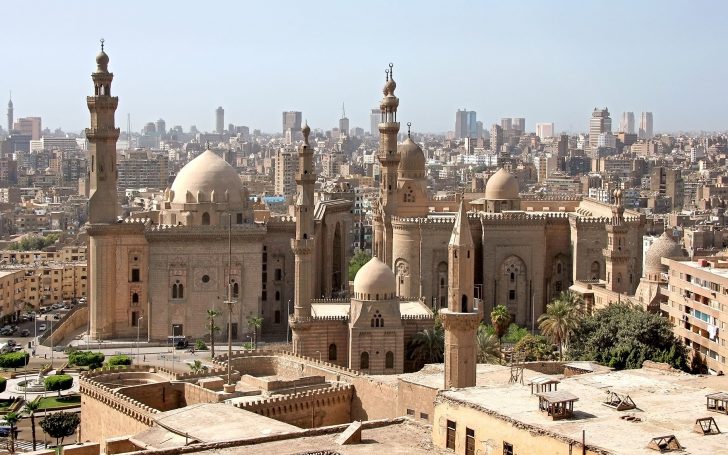
Cairo is one of the oldest and most historically significant cities in the world.
Located along the Nile River, Egypt’s capital is home to more than 20 million people and serves as the country’s political, cultural, and economic center.
Travelers visit Cairo to experience the Great Pyramids of Giza, ancient temples, museums, mosques, and bustling markets, and there are always options for adventure and exploration.
It’s a city filled with history, energy, and sensory overload, but also one that requires travelers to understand its safety landscape before arriving.
Cairo isn’t inherently unsafe, but it can feel overwhelming, and there are risks to be aware of. Avoiding those risks can take some effort if you’re not familiar with the area, but it’s also very important to understand the importance of being careful in this location.
Crowds, aggressive vendors, traffic chaos, scams, and occasional political unrest shape the experience, especially for tourists who aren’t used to the type of environment Cairo provides.
However, with preparation and realistic expectations, travelers can explore Cairo safely while avoiding common pitfalls.
Here’s what you’ll want to think about when you’re planning your trip to Cairo, including how to understand the real risks, what to watch for, and how to move through the area confidently.
Warnings & Dangers in Cairo

OVERALL RISK: MEDIUM
Cairo carries a medium overall risk for travelers. Violent crime against tourists is relatively rare, but petty crime, scams, harassment, and traffic-related dangers are common. When you travel to the area, you want to be prepared for these concerns, so you can avoid them and enjoy your time in the city. Political demonstrations and security incidents also occasionally occur, but most of them are localized and quickly contained. They usually don't affect tourists, but it's possible that they would if you happen to be right in the middle of where something occurs. Most safety issues arise from crowds, opportunistic crime, and lack of infrastructure rather than deliberate targeting of tourists. However, that doesn't mean you won't have any issues, since even without deliberate targeting, you could still end up a victim of an incident. Staying alert and aware reduces most of your overall risk.

TRANSPORT & TAXIS RISK: MEDIUM
Transportation is one of Cairo's biggest safety challenges because traffic is chaotic, road rules are loosely enforced, and accidents are common. For tourists, this can contribute to a lot of overwhelm and make it difficult to know how to navigate the area safely. Unmetered taxis often overcharge tourists, and some drivers take advantage of unfamiliar visitors. You can use taxis with care, but ride-share apps such as Uber and Careem are safer and more reliable, with a much lower risk of being scammed. Public buses and microbuses are also available, but they're overcrowded and prone to pickpocketing. It's best to avoid them if possible, and if you have to use one, make sure to secure your valuables and be prepared for a tightly-packed ride.

PICKPOCKETS RISK: HIGH
Pickpocketing is common in crowded areas such as markets, tourist sites, public transport, and busy streets, with thieves often using distractions or working in groups. While it's not always easy to avoid this risk, there are some things you can do to minimize your chances of it. Phones, wallets, and bags are frequent targets, so you'll want to keep your belongings secured and avoid displaying valuables openly. Don't scroll on your phone while walking, and wear your backpack in front when in crowded areas. Also, keep your wallet in a zippered location. This makes it more difficult for pickpockets to get their hands on your valuables.

NATURAL DISASTERS RISK: LOW
Cairo faces minimal natural disaster risk, as earthquakes are rare, and severe weather events are uncommon. The extreme heat during summer months can pose health risks, though, especially for travelers unaccustomed to high temperatures. Hydration and heat awareness are essential parts of enjoying your vacation, so you don't risk becoming dehydrated or experiencing heat stroke.

MUGGING RISK: MEDIUM
Muggings and robberies occur, though they're not widespread in tourist-heavy areas. Travelers to the area are warned about the risk and are generally mindful, making these events less frequent. Incidents are more likely at night, in quiet streets, or in less-policed neighborhoods, so avoid walking alone after dark and use transportation instead of traveling on foot at night. With some care and awareness, you can greatly reduce the chances of being mugged or robbed during your time in Cairo.

TERRORISM RISK: MEDIUM
Egypt has experienced terrorism in the past, though Cairo has seen fewer incidents than other regions. Security is visible at major hotels, museums, government buildings, and tourist attractions, where most tourists feel safe due to the vigilance of locals. While attacks are rare, they can occur without warning. You should remain alert in crowded public spaces, and tell security personnel if you see something suspicious. You can also remove yourself from any location where you don't feel safe, to reduce the risk of being involved in a terrorist attack.

SCAMS RISK: HIGH
Scams are one of the most common issues tourists face in Cairo. Examples include inflated prices, fake tour guides, aggressive vendors, and staged "help" that leads to demands for money. Clear boundaries, firm refusals, and booking through reputable providers help avoid most scams. Don't be afraid to say "no" and be direct. It's not rude to refuse "help" from someone who's trying to scam you, and they'll move on to an easier target.

WOMEN TRAVELERS RISK: MEDIUM
Women travelers often report street harassment, staring, and unwanted comments when traveling in Cairo, especially if they're traveling alone or with other women, as opposed to traveling with men. While violent crime against women tourists is rare, the frequency of harassment can be uncomfortable to many women. Dressing in modest clothing, having confident body language, and avoiding walking alone at night help reduce unwanted attention, although they may not eliminate it from your experience.

TAP WATER RISK: HIGH
Tap water in Cairo is not considered safe to drink for visitors, and travelers should use bottled or properly filtered water for drinking and brushing their teeth. Additionally, you should avoid drinks with ice in them, as well as unsealed beverages, unless you're getting them from trusted establishments (such as a hotel that displays information on the safety of its water and/or ice).
Safest Places to Visit in Cairo
Tourist-friendly areas generally have stronger security and infrastructure, so it’s best to stick to them during your visit.
Zamalek is popular for its central location, embassies, hotels, and calmer atmosphere, while downtown Cairo is safe during the day, especially near major landmarks and museums where tourists frequently gather.
The Giza Plateau, while busy and chaotic, is heavily guarded due to its importance, and reputable hotels, large shopping malls, and major cultural attractions maintain a visible security presence tourists can rely on for enhanced safety and more peace of mind.
Places to Avoid in Cairo
Some areas are less suitable for tourists, particularly without a local guide to show them around.
Outlying neighborhoods far from tourist routes, poorly lit streets at night, and areas experiencing demonstrations should be avoided, as these are more likely to have crime.
Parts of Old Cairo late at night, informal settlements, and unfamiliar districts without clear tourist infrastructure pose higher risks, as well, and travelers should avoid wandering after dark.
It’s understandable to want to see the area, but some locations are not worth the increased risk you’ll experience by trying to venture into them.
Safety Tips for Traveling to Cairo
- Use Ride-Share Apps Instead of Street Taxis: Ride-share services like Uber and Careem are widely available in Cairo and are generally safer and more reliable than hailing a taxi on the street. Whenever possible, avoid unmetered taxis, especially if you’re unfamiliar with local rates.
- Secure Your Belongings in Crowded Areas: Cairo is bustling, and crowded places like markets, tourist attractions, metro stations, and public buses are prime areas for pickpocketing. Use anti-theft backpacks or crossbody bags with zippers, and keep valuables such as phones and wallets close to your body.
- Dress Modestly and Respect Local Norms: While Cairo is a large, modern city, modest clothing helps reduce unwanted attention and shows cultural respect. This is especially important for women when visiting mosques or religious landmarks. Loose-fitting clothes that cover shoulders and knees are a good choice and can also help with the heat.
- Avoid Walking Alone After Dark: Nighttime walking can increase your safety risks, particularly in unfamiliar neighborhoods. Even for short distances, it’s safer to use a ride-share app or hotel-arranged transport after sunset. Stick to well-lit, busy areas if you must walk.
- Be Firm With Vendors and Scammers: Persistent vendors and unofficial guides are common near tourist sites. A polite but firm “no, thank you” is usually effective. Avoid engaging in extended conversations, as this can encourage more pressure or lead to unwanted situations.
- Book Tours Through Reputable Providers: To avoid scams or inaccurate information, book tours through reputable companies, hotels, or well-reviewed operators, as licensed guides are more knowledgeable and less likely to exploit tourists.
- Limit Cash and Protect Your Documents: Carry only the cash you need for the day and store extra money securely at your hotel. Also, keep your passport in a safe place and carry a photocopy or digital copy separately in case of loss.
- Stay Alert in Traffic: Traffic in Cairo can be chaotic, and pedestrians don’t always have the right of way. Cross streets carefully, watch from all directions, and don’t assume vehicles will stop for you.
- Monitor Local News and Security Updates: Stay informed about local news, demonstrations, or transportation disruptions, and avoid areas where protests or large gatherings are taking place.
- Trust Your Instincts: Cairo is energetic and intense. If something feels uncomfortable or unsafe, trust your instincts and remove yourself from the situation quickly. Being alert and decisive goes a long way in staying safe.
So... How Safe Is Cairo Really?
Cairo is a challenging but rewarding destination, and most visitors complete their trips without serious incidents, especially when they stay in tourist-friendly areas and use trusted services.
Safety concerns in Cairo are largely related to scams, harassment, congestion, and petty crime rather than to violent attacks on tourists, though political instability persists, even though major tourist zones are heavily monitored and protected.
Cairo isn’t a city where travelers should be careless, but it’s also not a place to avoid outright.
With awareness, preparation, and respect for local customs, Cairo can be explored safely and confidently.
How Does Cairo Compare?
| City | Safety Index |
|---|---|
| Cairo |
40 |
| Sharm el Sheikh |
70 |
| Giza |
50 |
| Alexandria |
45 |
| Hurghada |
72 |
| Siwa Oasis |
70 |
| Luxor |
65 |
 Srimangal Srimangal | 68 |
 Palapye Palapye | 76 |
 Abomey Abomey | 71 |
 Santa Cruz Santa Cruz | 94 |
| Palm Beach Gardens | 82 |
| Brooklyn | 74 |
Useful Information

Visas
Many nationalities can obtain an Egyptian visa on arrival or apply for an e-visa before travel, but it's important to check your passport validity requirements in advance to avoid travel headaches.

Currency
The local currency is the Egyptian Pound (EGP). Cash is widely used, though cards are accepted at hotels and larger establishments. ATMs are also common in urban areas, so you can get additional cash as needed.

Weather
Cairo has a desert climate, and summers are extremely hot, while winters are mild. Light clothing, sun protection, and hydration are essential year-round, and can help you enjoy your experience more fully.

Airports
Cairo International Airport (CAI) is the main gateway. Use official taxis, ride-share apps, or hotel transfers when leaving the airport to reduce risk and help avoid scams.

Travel Insurance
Travel insurance is strongly recommended, and coverage should include medical care, theft, trip disruptions, and emergency evacuation, at a minimum.
Cairo Weather Averages (Temperatures)
Average High/Low Temperature
| Temperature / Month | Jan | Feb | Mar | Apr | May | Jun | Jul | Aug | Sep | Oct | Nov | Dec |
|---|---|---|---|---|---|---|---|---|---|---|---|---|
| High °C |
19 | 21 | 24 | 28 | 32 | 35 | 35 | 34 | 33 | 30 | 25 | 20 |
| Low °C |
9 | 10 | 12 | 15 | 18 | 20 | 21 | 21 | 20 | 18 | 14 | 10 |
| High °F |
66 | 70 | 75 | 82 | 90 | 95 | 95 | 93 | 91 | 86 | 77 | 68 |
| Low °F |
48 | 50 | 54 | 59 | 64 | 68 | 70 | 70 | 68 | 64 | 57 | 50 |
Egypt - Safety by City
| City | Safety Index |
|---|---|
| Alexandria | 45 |
| Aswan | 68 |
| Cairo | 40 |
| Giza | 50 |
| Hurghada | 72 |
| Luxor | 65 |
| Port Said | 58 |
| Sharm el Sheikh | 70 |
| Siwa Oasis | 70 |















Good general info before leaving for Cairo
It would be helpful if the article had a DATE!
Lots of activities to do
When in Cairo try to visit the Cave Church. It absolutely blew my mind when I first entered it! Then there’s the Cairo Citadel, Al-Azhar Mosque and Coptic Cairo. Also try a trip down the Nile River as it’s very relaxing.
Get a security guard! We got one pretty safe an not expensive
Looks like the only thing more crowded than the pyramids is the traffic.
That bazaar is such a unique mix of chaos and charm; I could spend hours just wandering and soaking it all in.
Did you actually feel safer once you got used to the traffic chaos and pushy vendors, or did that constant sensory overload along the Nile just stay stressful the whole time?
Historic or not, after getting shoved three times in Khan el-Khalili and sweating through my shirt under the noon sun, I left more rattled than impressed.
After a few nights wandering Khan el-Khalili I still get a little dizzy from the noise and nonstop haggling, but finding a quiet rooftop overlooking the Nile at sunset gave me a calm I didn’t expect.
Walked past Khan el-Khalili today and was honestly stunned when a vendor grabbed my arm to show me a trinket and my heart jumped from all the honking and crowds.
When the sensory overload hit and the traffic chaos felt like too much, did you ever slip down to the Nile banks to breathe and regroup?
After a few days in Cairo the honking becomes background music and I can’t help grinning when a vendor presses a tiny cup of sweet tea into my hand, even though the traffic still makes my stomach flip.
After a few days you figure out the little side streets off the market that actually give you a break from the shouting and constant honking, and that tiny bit of calm made me breathe easier.
The traffic made my heart race, yet the market’s spice smell pulled me in and I couldn’t stop wandering.
Amazing sights, sure, but after dodging vendors in Khan el-Khalili and sweating through the honking traffic by the Nile I felt amused and a bit frazzled.