


 Bangladesh : Safety by City
Bangladesh - safety as a country
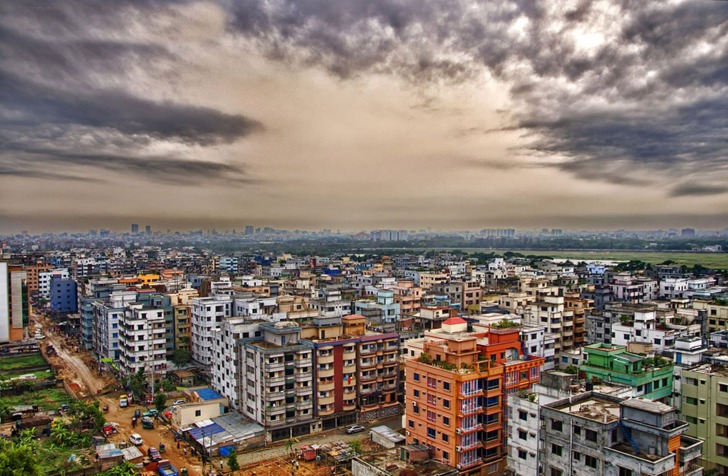
Dhaka is one of those cities that hits you all at once.
It is the crowded, noisy, fast-moving capital of Bangladesh, sitting near the great river systems that shape much of the country’s landscape and culture.
This is a city of rickshaws, tea stalls, rooftop views, historic mosques, modern malls, diplomatic zones, and a nonstop human energy that can feel both thrilling and exhausting.
I find Dhaka fascinating because it does not try to be polished for tourists.
It is intense, real, and packed with life.
At the same time, it is not a destination where travelers should arrive unprepared.
Traffic is heavy, infrastructure can be overwhelming, and political tensions or demonstrations can change the mood of an area quickly.
Dhaka can be rewarding, but safe travel here depends a lot on awareness, timing, and smart choices.
Warnings & Dangers in Dhaka

OVERALL RISK: MEDIUM
Dhaka is not a city where most tourists face constant danger, but it is also not a place for careless travel. The biggest issues are traffic chaos, petty theft, scams, occasional unrest, and a higher background terrorism concern than in many major tourist cities. Travelers who stay alert, avoid demonstrations, and choose safer neighborhoods usually manage well.

TRANSPORT & TAXIS RISK: HIGH
Transport is one of the trickiest parts of visiting Dhaka. Roads are congested, driving habits can feel aggressive, and buses are often crowded and stressful for newcomers. Taxis, rickshaws, and CNG auto-rickshaws can be useful, but fare disputes and route confusion happen. Prearranged rides or trusted app-based transport are usually the safest option.

PICKPOCKETS RISK: MEDIUM
Pickpocketing is a real concern in crowded markets, transport hubs, and busy commercial streets. It is not necessarily constant, but Dhaka’s density creates plenty of opportunities for bag snatching, phone theft, and distraction tactics. Travelers carrying visible valuables or using phones near the road are more exposed, especially in packed evening areas.

NATURAL DISASTERS RISK: MEDIUM
Dhaka is vulnerable to monsoon flooding, severe rain, heat, and wider national weather disruptions. While cyclones hit coastal areas harder than the capital, Dhaka can still experience serious transport disruption, waterlogging, and unsafe streets during heavy weather. Earthquake risk also exists in Bangladesh, so natural hazards are not something travelers should ignore.

MUGGING RISK: MEDIUM
Violent street crime is less common than petty theft, but muggings and opportunistic robberies do happen, especially after dark or in less secure areas. Quiet streets, poorly lit alleys, and isolated transport points raise the risk. Most travelers reduce their chances significantly by avoiding late-night wandering and using door-to-door transport.

TERRORISM RISK: MEDIUM
Bangladesh continues to carry an elevated terrorism concern, and Dhaka is the country’s political and diplomatic center. That does not mean an average traveler will encounter an incident, but it does mean extra caution is wise around government sites, major gatherings, foreign institutions, and crowded public events. Staying away from protests is especially important.

SCAMS RISK: MEDIUM
Scams in Dhaka are usually low-level rather than sophisticated. Visitors may encounter inflated fares, fake “broken meter” claims, overly friendly strangers offering help, or sellers charging tourists more than locals. These are manageable annoyances, but they can add stress fast if you are jet-lagged, unfamiliar with prices, or too trusting.

WOMEN TRAVELERS RISK: MEDIUM
Women can and do travel in Dhaka, but extra caution is sensible. Unwanted attention, staring, and occasional harassment can happen, especially for solo travelers in crowded or male-dominated areas. Modest clothing, avoiding isolated streets, and using trusted transport help a lot. Many women report smoother experiences when staying in better-known neighborhoods and planning movements carefully.

TAP WATER RISK: HIGH
I would not recommend drinking tap water in Dhaka. Even locals often rely on filtered, boiled, or bottled water. Travelers should use sealed bottled water for drinking and brushing teeth, and should be careful with ice, raw salads, and street drinks made with untreated water. Stomach issues are one of the most common travel problems here.
Safest Places to Visit in Dhaka
Gulshan
Gulshan is one of the easiest areas for travelers to handle.
It is home to embassies, international hotels, restaurants, cafes, and office towers, and it generally feels more organized than much of the city.
Security presence is stronger here, and visitors who want a softer landing in Dhaka usually do best in this part of town.
Banani And Baridhara
Banani and nearby Baridhara are also among the more comfortable zones for foreigners.
Banani has plenty of dining and shopping, while Baridhara is known for its diplomatic character and quieter streets.
These neighborhoods are not risk-free, but they are better choices for first-time visitors who want easier movement and a calmer environment.
Dhanmondi
Dhanmondi is busier and more local in feel, but still a reasonable option for travelers who want a mix of modern Dhaka and everyday city life.
It has lakeside areas, restaurants, shops, and cultural spots.
During the day, it can be enjoyable and lively, though traffic and crowding still require patience and awareness.
Sonargaon Hotel Area And Major Cultural Stops
Areas around major hotels and established attractions are usually more manageable than random parts of the city.
Travelers often visit places like the National Museum, Lalbagh Fort, Ahsan Manzil, and selected parts of Old Dhaka during daylight with a plan in place.
Going with a local guide or trusted driver can make these visits much smoother and safer.
Places to Avoid in Dhaka
Protest Zones And Political Gathering Points
This is the biggest one.
Avoid demonstrations, marches, rallies, and any crowd forming around political activity.
Areas near major government buildings, central intersections, or university-linked protest activity can shift quickly from noisy to dangerous.
Even peaceful gatherings can escalate with little warning, and traffic shutdowns can trap you in the wrong place.
Sadarghat And Busy Transport Hubs After Dark
Sadarghat is famous and fascinating, but it is also chaotic, crowded, and harder to navigate safely than many visitors expect.
Bus terminals and other transport hubs can be stressful too, especially at night.
These are the kinds of places where pickpocketing, confusion, aggressive touts, and general disorder become much more likely.
Isolated Parts Of Old Dhaka At Night
Old Dhaka is rich in character, but not every lane is visitor-friendly after dark.
The tight streets, dense crowds, and limited lighting in some areas can make it harder to read situations or exit quickly.
Exploring Old Dhaka is better done during daylight hours, preferably with someone who knows the area well.
Poorly Lit Side Streets And Unfamiliar Residential Areas
Dhaka is a city where one busy main road can sit right next to a quiet and confusing back lane.
Travelers should avoid wandering into unfamiliar areas just because they look close on a map.
If a street feels deserted, poorly lit, or disconnected from main activity, it is smarter to turn back and call a ride.
Safety Tips for Traveling to Dhaka
- Stay In A Well-Known Neighborhood. Choose accommodation in Gulshan, Banani, Baridhara, or a reputable part of Dhanmondi. This one decision improves your trip immediately because you will likely have better security, more reliable transport options, and easier access to restaurants, banks, and hospitals.
- Avoid Protests Completely. Do not stop to watch demonstrations, take photos, or try to pass through a crowd out of curiosity. Political gatherings can change fast, and roads can close without warning. If locals start leaving an area quickly, follow their lead and move away.
- Use Trusted Transport. Prearranged hotel cars, known ride apps, or trusted drivers are much safer than random street transport when you first arrive. If you use a taxi, settle the fare clearly before the ride if there is no working meter. Avoid hopping onto crowded buses unless you really know what you are doing.
- Keep Your Phone Out Of Sight Near The Road. Snatch theft can happen quickly, especially in traffic or while riding in open-sided transport. Do not stand near the curb texting with your phone hanging out in one hand. Keep devices close and use them indoors or in controlled spaces when possible.
- Do Not Drink Tap Water. Use sealed bottled water for drinking and brushing your teeth. Skip ice unless you trust the venue, and be careful with juices, cut fruit, and uncooked foods. Many travel problems in Dhaka come from stomach issues, not street crime.
- Dress Modestly And Blend In. Dhaka is a conservative city by tourist standards. You do not need to disappear into the background, but modest clothing helps reduce unwanted attention and makes daily movement easier. This is especially useful for women travelers and for visits outside upscale districts.
- Carry Less Cash Than You Think You Need. Bring enough for the day, but not your full budget. Keep the rest locked away in your hotel. Using a crossbody bag, money belt, or front pocket can lower the chance of theft, especially in markets or transport hubs.
- Do More Sightseeing In Daylight. Dhaka is tiring enough in the daytime. At night, navigation becomes harder, traffic remains intense, and some areas feel less predictable. Plan your major sightseeing, market visits, and Old Dhaka exploring for the morning or early afternoon.
- Watch The Weather And Air Quality. Monsoon rain can flood streets quickly, and heat plus humidity can wear you down faster than expected. Air pollution is also a factor, especially if you are sensitive or have asthma. Keep water with you, take indoor breaks, and consider a mask on heavy traffic days.
- Have A Simple Exit Plan Every Day. Before you head out, know how you are getting back. Save your hotel address, keep your phone charged, and have one backup transport option. Dhaka feels much easier when you stop improvising every move and start treating logistics as part of your safety plan.
So... How Safe Is Dhaka Really?
Dhaka is best described as manageable but demanding.
I would not put it in the “easy city break” category, and I definitely would not call it low-risk for inexperienced travelers.
The real safety story is less about dramatic danger and more about layered stress: traffic disorder, crowding, infrastructure pressure, political volatility, water and food concerns, and the possibility of petty crime or sudden unrest.
On top of that, Bangladesh still carries a serious security backdrop that keeps the terrorism risk above average.
That said, Dhaka is not a city where tourists are automatically in trouble.
Many visitors complete their trips without major problems, especially when they stay in better neighborhoods, avoid political activity, use reliable transport, and take health precautions seriously.
Petty theft is more likely than violent crime, and transport safety is often a bigger day-to-day issue than robbery.
Women and solo travelers can visit, but they should be more deliberate than they might be in easier destinations.
My honest take is this: Dhaka is not the safest city in Asia for tourists, but it is far from impossible.
If you travel smart, stay flexible, and respect the city’s intensity, you can have a rewarding visit.
How Does Dhaka Compare?
| City | Safety Index |
|---|---|
| Dhaka |
32 |
| Cox’s Bazar |
55 |
| Khulna |
66 |
| Chattogram |
61 |
| Sylhet |
64 |
| Srimangal |
68 |
| Rajshahi |
68 |
 Salta Salta | 54 |
 Miami Gardens Miami Gardens | 52 |
 Canberra Canberra | 88 |
| Brookings | 80 |
| Kokomo | 47 |
 Ljubljana Ljubljana | 77 |
Useful Information

Visas
Most foreign travelers need a visa for Bangladesh. Many tourists apply in advance online and then complete the process through a Bangladeshi mission, while some nationalities may be eligible for a visa on arrival at Dhaka airport. A common visa on arrival stay is up to 30 days, and travelers are often asked for a return ticket, passport validity, and cash payment in foreign currency.

Currency
The local currency is the Bangladeshi Taka. It is best to exchange money at reputable counters, banks, or use ATMs attached to major banks or shopping areas. Carry small notes for rickshaws, snacks, and tips, but avoid flashing large amounts of cash in public places.

Weather
Dhaka is hot and humid for much of the year, with a dry season that is usually more comfortable for travel and a monsoon season that brings heavy rain and flooding. Lightweight breathable clothes are best, but bring modest outfits, a light rain layer, and comfortable footwear that can handle wet streets.

Airports
Hazrat Shahjalal International Airport is the main gateway to Dhaka and sits roughly 17 kilometers from the city center. Travel time can vary wildly because of traffic, so a short distance does not always mean a quick ride. Arrange airport pickup in advance if possible, especially for a first visit or late arrival.

Travel Insurance
Travel insurance is a very good idea for Dhaka. It should cover medical care, trip delays, theft, and emergency changes to your itinerary. Between traffic issues, weather disruption, health concerns, and the possibility of unrest affecting movement, this is not a destination where I would travel uninsured.
Dhaka Weather Averages (Temperatures)
Average High/Low Temperature
| Temperature / Month | Jan | Feb | Mar | Apr | May | Jun | Jul | Aug | Sep | Oct | Nov | Dec |
|---|---|---|---|---|---|---|---|---|---|---|---|---|
| High °C |
25 | 28 | 33 | 34 | 33 | 32 | 31 | 31 | 31 | 31 | 29 | 26 |
| Low °C |
13 | 16 | 20 | 23 | 24 | 26 | 26 | 26 | 26 | 23 | 19 | 15 |
| High °F |
77 | 82 | 91 | 93 | 91 | 90 | 88 | 88 | 88 | 88 | 84 | 79 |
| Low °F |
55 | 61 | 68 | 73 | 75 | 79 | 79 | 79 | 79 | 73 | 66 | 59 |
Bangladesh - Safety by City
| City | Safety Index |
|---|---|
| Chattogram | 61 |
| Cox’s Bazar | 55 |
| Dhaka | 32 |
| Khulna | 66 |
| Rajshahi | 68 |
| Srimangal | 68 |
| Sylhet | 64 |










Shouldn’t the terrorism risk be high?!
It is very helpful for me and it has all the information I want.
SO HAPPY
I travel
I went to Dhaka before and it is not as severe as what they described it as.
Lol bro, It’s totally fake, How can they say that?? Don’t believe them, Dhaka is not a risky city, even Bangladesh’s crime rate is lower than USA’s. Even India is a risky and poorest country than Bangladesh . If you have any dought , please see the foreign Vlogers review about dhaka and Bangladesh .
Bangladesh is comparable to North Korea
One of the most dangerous and corrupted country in the world. Bangladesh is comparable to North Korea. If you google this keyword ‘Mother of Mafia’ you will find bangladesh prime minister name and picture (Sheikh Hasina).
Also Bangladesh is a Muslim country. So LGBT activities are totally banned here and recognized as a crime by the law.
So Visit at your own risk!!!
I travelled to Dhaka back In the day and I don’t think pickpockets is high its should be low
Dhaka is NOT safe to visit.
I live in Bangladesh. Bangladeshi government hides country’s crime rates.This whole country isn’t safe at all.Things get even worse for women. You will have a lot of bad experiences here.
If you live here you wil understand what I am talking about.
good
Did you really feel the buzz of all those diverse communities when you were there? It’s like every street has its own little world going on!
Every time I get stuck in traffic in Dhaka and end up chatting with strangers at a tea stall, I’m reminded how this chaotic, overcrowded city somehow still feels weirdly cozy and familiar.
Never expected the constant rickshaw bells and sticky heat to feel oddly comforting, but after getting stuck in a two-hour traffic jam and sipping sweet chai at a roadside stall I can see why the mess feels alive.
The honking and rickshaw bells alone can wear you out, but somehow it’s kinda addictive after a while.
You really can’t beat the feeling of sitting on a rooftop with a cup of chai watching the endless flow of rickshaws below, even if the noise sometimes makes you wonder how anyone manages to think straight.
So after getting stuck in that endless traffic jam, how exactly is that supposed to be thrilling instead of just downright exhausting?