


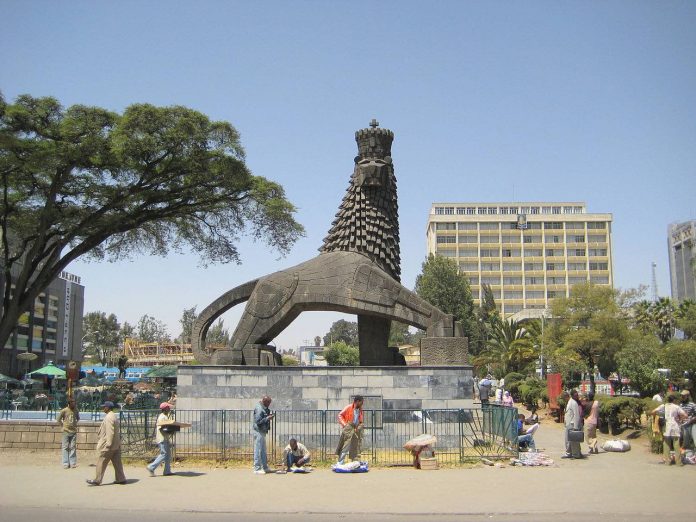
Addis Ababa, the high-altitude capital of Ethiopia, sits more than 7,700 feet above sea level in the Ethiopian Highlands.
It is the political heart of Africa, home to the African Union headquarters, and a city where traditional coffee ceremonies exist alongside fast-growing business districts.
Travelers come here for history, culture, and as a gateway to Ethiopia’s dramatic landscapes.
But as with many large African capitals, safety is a common concern.
After researching crime patterns, traveler reports, and local conditions, here is what you should realistically expect.
Warnings & Dangers in Addis Ababa

OVERALL RISK: MEDIUM
Addis Ababa is generally safer than many major African capitals, but petty crime is common, and certain neighborhoods experience higher crime rates. Political demonstrations occasionally occur. Violent crime against tourists is not widespread, yet situational awareness is essential.

TRANSPORT & TAXIS RISK: MEDIUM
Registered taxis and ride apps operate in the city, but unlicensed taxis can overcharge or drive recklessly. Traffic accidents are common due to chaotic driving habits. Use hotel-recommended drivers or well known ride services rather than hailing random street taxis at night.

PICKPOCKETS RISK: MEDIUM
Pickpocketing is the most common issue facing visitors, especially around Mercato market, Meskel Square, and busy bus terminals. Phone snatching and distraction techniques occur. Keeping valuables secured and avoiding visible displays of electronics reduces risk significantly.

NATURAL DISASTERS RISK: LOW
Addis Ababa has relatively low natural disaster risk. The city is not prone to hurricanes or major earthquakes. Seasonal heavy rains between June and September can cause localized flooding, but this rarely affects tourists significantly.

MUGGING RISK: MEDIUM
Armed robbery is not frequent in tourist areas, but muggings can occur in poorly lit streets after dark. Walking alone at night in unfamiliar neighborhoods increases risk. Staying in central districts and using taxis at night reduces exposure.

TERRORISM RISK: LOW
Ethiopia has experienced isolated regional conflicts, but Addis Ababa itself has not been a regular target for international terrorism. Security presence is strong near government and diplomatic areas.

SCAMS RISK: MEDIUM
Common scams include unofficial guides offering help at attractions, inflated taxi fares, and individuals claiming to be students asking for money. Politely declining unsolicited assistance is the safest approach.

WOMEN TRAVELERS RISK: MEDIUM
Solo female travelers generally report manageable experiences in Addis Ababa, especially in central districts like Bole. However, harassment can occur, particularly at night. Dressing modestly and avoiding isolated areas after dark helps minimize attention.

TAP WATER RISK: HIGH
Tap water is not considered safe for drinking. Visitors should rely on bottled or filtered water. Most hotels provide bottled water, and it is widely available at shops.
Safest Places to Visit in Addis Ababa
Bole is widely considered the safest and most comfortable area for visitors.
It has international hotels, restaurants, shopping centers, and a visible security presence.
The streets are lively but relatively controlled.
The area around the African Union headquarters is also well secured.
Holy Trinity Cathedral attracts visitors during daylight hours and is located in a generally safe district.
Entoto Hills, overlooking the city, is popular for daytime visits.
Guided trips are recommended.
The National Museum, home to the famous fossil Lucy, is located in a relatively safe and monitored area.
Stick to well-known attractions and avoid wandering into residential backstreets without purpose.
Places to Avoid in Addis Ababa
Mercato, one of Africa’s largest open-air markets, is fascinating but requires caution.
Pickpocketing is common, especially in crowded sections.
Visit with a guide or during the day.
Peripheral neighborhoods far from the city center can be less secure, particularly after dark.
Areas with limited street lighting or visible poverty should be avoided at night.
Public bus terminals can be chaotic and attract petty criminals.
Use organized transport instead.
Safety Tips for Traveling to Addis Ababa
- Stay in Bole or Kazanchis for Security and Infrastructure. Bole is the most visitor-friendly district, with better lighting, security guards outside hotels, and a strong police presence. Many embassies and international businesses are located here. Kazanchis is another relatively secure business district. Avoid booking accommodation in unfamiliar residential outskirts simply to save money.
- Use Ride Apps or Hotel Arranged Drivers Instead of Street Taxis at Night. Daytime blue and white taxis are common, but after dark, it is safer to request a driver through your hotel or a reputable ride app. Always agree on a fare before starting the ride if the taxi does not use a meter. Avoid getting into vehicles with multiple unknown passengers.
- Visit Mercato with a Guide and Only During the Day. Addis Mercato is fascinating but chaotic. Go between late morning and early afternoon when activity is high, and visibility is better. Keep your phone secured in a zipped pocket or anti-theft bag. Avoid pulling out large cameras or counting cash openly.
- Avoid Political Demonstrations and Government Buildings During Tensions. Ethiopia has periodic political protests. If you see crowds gathering, chanting, or police presence forming, leave the area immediately. Demonstrations can escalate quickly, even if they appear peaceful at first.
- Drink Bottled or Properly Filtered Water Only. Tap water is not safe for consumption. Use sealed bottled water even for brushing teeth. Avoid ice in smaller local establishments unless you are certain it is made from purified water.
- Carry Small Denomination Ethiopian Birr. Large bills can attract unwanted attention when paying in markets. Keep small notes easily accessible and store the rest separately. This reduces the chance of exposing your full wallet in public.
- Limit Walking After Dark Outside Central Areas. While Bole has nightlife and remains active into the evening, quieter districts become poorly lit and deserted after 9 pm. Use a taxi even for short distances at night instead of walking.
- Keep Electronics Discreet in Busy Areas. Phone snatching can occur in crowded zones like Meskel Square or near bus stations. Avoid standing near roads while using your phone. Step inside a shop or café if you need to check maps.
- Be Cautious with Friendly Strangers Offering Help. Some individuals approach tourists claiming to be students who want to practice English. While many are genuine, others may request money or guide fees later. Politely decline unsolicited help.
- Prepare for High Altitude and Mild Climate Changes. Addis Ababa sits over 7,700 feet above sea level. Some visitors experience mild altitude symptoms such as fatigue or headaches. Stay hydrated, move slowly on your first day, and pack a light jacket since evenings can feel cool year-round.
So... How Safe Is Addis Ababa Really?
Addis Ababa is not a high danger city, but it does require awareness.
Most issues travelers encounter involve petty theft rather than violent crime.
The city benefits from strong security around diplomatic zones and major hotels.
Political tensions in Ethiopia occasionally affect perceptions of safety, but central Addis remains relatively stable for tourists.
With standard big city precautions, most visitors complete their trips without incident.
How Does Addis Ababa Compare?
| City | Safety Index |
|---|---|
 Addis Ababa Addis Ababa |
55 |
 Helsinki Helsinki | 95 |
 Ouidah Ouidah | 72 |
 Sedona Sedona | 83 |
| Shelter Island | 85 |
 Tokyo Tokyo | 90 |
| Bettendorf | 87 |
Useful Information

Visas
Many nationalities require an eVisa for Ethiopia, typically for around 82 USD for 30 days. Applications are completed online before arrival.

Currency
The local currency is the Ethiopian Birr. Exchange money at official banks or hotels. US dollars are widely accepted for larger transactions.

Weather
Addis Ababa has mild temperatures year-round due to its elevation. Evenings can be cool. Pack layers and a light jacket.

Airports
Bole International Airport is the main gateway. It is located close to the central Bole district and is about 15 to 20 minutes by taxi.

Travel Insurance
Travel insurance is strongly recommended, especially to cover medical evacuation and trip disruptions.
Addis Ababa Weather Averages (Temperatures)
Average High/Low Temperature
| Temperature / Month | Jan | Feb | Mar | Apr | May | Jun | Jul | Aug | Sep | Oct | Nov | Dec |
|---|---|---|---|---|---|---|---|---|---|---|---|---|
| High °C |
23 | 24 | 25 | 24 | 25 | 23 | 23 | 20 | 21 | 22 | 22 | 22 |
| Low °C |
7 | 9 | 10 | 11 | 11 | 11 | 11 | 11 | 11 | 10 | 7 | 7 |
| High °F |
73 | 75 | 77 | 75 | 77 | 73 | 73 | 68 | 70 | 72 | 72 | 72 |
| Low °F |
45 | 48 | 50 | 52 | 52 | 52 | 52 | 52 | 52 | 50 | 45 | 45 |
Ethiopia - Safety by City
| City | Safety Index |
|---|---|
| Addis Ababa | 55 |













Very nice breakdown. I think you pointed out everything I had in mind. Something I would like to add is that buying tickets to travel to Ethiopia in January are very expensive since this is the time many people travel back home to celebrate Christmas or Epiphany.
Secure but you have to watch yourself
I’m not big on stray dogs, I generally feel unsafe around them so I just avoided the areas that were jam packed with doggos. I said no to all the people that had something to sell, from live animals to jewelry and phones. Even if by the off chance I stumbled across something I wanted I still would have said no, they do love scamming people there.
VERY POOR!
Very scary city I have never been. A lot of people trying to robbed me. Totaly I am not recommend for anyone this city. Taxi, Ride, Bus or any Transportaion are not safe at all. 0/5
It’s fascinating to think about how much history and culture is packed into Addis Ababa, especially with places like the Ethiopian National Museum just waiting to share their stories.
There’s such a vibrant mix of cultures in Addis Ababa, especially when you visit places like the Ethiopian National Museum; it really gives you a sense of the country’s rich history.
I’ve got to say, for a city with so much going on, it’s hard to believe it can manage to keep its charm without feeling too much like a bustling capital; maybe it’s all those cool museums doing the heavy lifting.
Climbing those hills in Addis was tougher than I thought, but the smell of fresh coffee in the morning made it totally worth it.