


 Switzerland : Safety by City
Switzerland - safety as a country
Bern does not hit you with its charm all at once.
It kind of sneaks up on you.
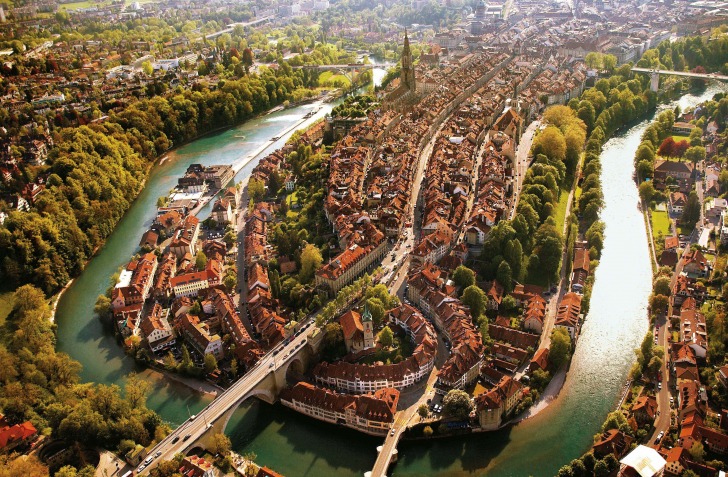
Switzerland’s capital sits in a loop of the Aare River, with a medieval old town, arcaded streets, sandstone buildings, and a pace that feels calmer than most European capitals.
It is a UNESCO listed city, but it does not feel like an open air museum.
People actually live, work, shop, and commute through the same streets visitors come to admire.
That matters for safety, because Bern feels orderly and lived in, not staged for tourists.
I found it to be one of those cities where the basics work well: public transport is efficient, streets are clean, and common sense goes a long way.
Still, no destination is risk free.
Bern is safer than many big European cities, but travelers should still watch for theft in busy transport hubs, seasonal crowds, and the occasional late night nuisance around nightlife zones.
Warnings & Dangers in Bern

OVERALL RISK: LOW
Bern is generally a low risk destination for tourists. Switzerland is under a Level 1 U.S. travel advisory, which means normal precautions are advised, and the main crimes affecting visitors are usually theft related rather than violent. Bern’s compact center, strong infrastructure, and reliable transit help keep everyday travel straightforward and safe.

TRANSPORT & TAXIS RISK: LOW
Public transport in Bern is excellent and usually safer than driving. Trams, buses, and trains are punctual, clearly marked, and widely used by locals. The biggest risk is not the transport system itself, but distraction at stations, ticket machines, and crowded platforms where thieves look for easy targets. Use official taxis or app booked rides if returning late.

PICKPOCKETS RISK: MEDIUM
Pickpocketing is not Bern’s defining problem, but it is the most realistic crime risk for travelers. Switzerland’s travel advisory specifically notes that most crimes targeting foreign visitors involve pickpocketing and other theft. In Bern, that means extra care at the main station, on public transport, and in crowded tourist areas during busy periods.

NATURAL DISASTERS RISK: LOW
Bern itself is not a high disaster city, but Switzerland does face natural hazards such as floods, storms, heat waves, rockslides, and alpine related risks in certain seasons. For visitors using Bern as a base for mountain day trips, weather and trail conditions matter more than city dangers. Inside the city, the risk is usually low and manageable.

MUGGING RISK: LOW
Violent street crime is uncommon in Bern, especially in the central tourist districts. Muggings can happen anywhere, but they are not a typical visitor experience here. The more realistic concern is opportunistic theft, especially if you are tired, carrying luggage, or walking distracted near the station or after a late night out.

TERRORISM RISK: LOW
Bern is not considered a high terrorism destination for tourists, but Switzerland’s broader security agencies do say the terrorist threat remains elevated nationally, which is now standard language in much of Europe. For travelers, this translates into awareness rather than alarm. Busy transit hubs, public events, and government areas deserve a little extra attention.

SCAMS RISK: LOW
Classic aggressive street scams are far less common in Bern than in many large tourist capitals. Most problems are simpler than that: fake petitions, distraction theft, overfriendly approaches near transit points, or someone trying to exploit a confused traveler using a ticket machine. You are much more likely to overpay for convenience than to face an elaborate con.

WOMEN TRAVELERS RISK: LOW
Bern is generally a comfortable destination for solo women travelers. The city is walkable, well lit in central areas, and heavily used by commuters and residents. The usual late night precautions still apply, especially around nightlife pockets and isolated riverside stretches, but overall Bern is one of the easier European capitals to navigate confidently on your own.

TAP WATER RISK: LOW
Tap water in Bern is considered very safe. Switzerland has abundant freshwater resources, and official Swiss information notes that public fountain water is safe to drink in most cases. That is one of those wonderful Swiss details that actually helps travelers: you can refill a bottle instead of constantly buying water.
Safest Places to Visit in Bern
The safest places for most travelers are also the places Bern does best.
Bern’s Old City is the obvious starting point.
It is central, heavily visited, and full of shops, cafés, fountains, and arcaded walkways that make moving around easy in almost any weather.
Because it stays active during the day, it feels comfortable for first time visitors who want to sightsee without too much guesswork.
The area around Bundesplatz and the streets leading toward Zytglogge are especially easy to navigate.
Rosengarten is another excellent choice.
It gives you that classic postcard view over the old town, but it also feels open, relaxed, and family friendly.
BearPark and the paths along the Aare near the main sightseeing zones are generally pleasant during the day, especially when the weather is good and locals are out walking or cycling.
Gurten is also a smart pick if you want views and a calmer atmosphere away from the busier core.
What I like about Bern is that many of its most appealing places are not hidden in sketchy districts.
The tourist highlights are woven into ordinary city life.
That makes a big difference.
You are not constantly deciding whether the next interesting place is in a safe pocket or a rough one.
During daylight hours, the Old City, Rosengarten, Münster surroundings, and the better known riverside paths all feel like sensible, low stress choices for most travelers.
Places to Avoid in Bern
Bern is not a city with famous no go neighborhoods in the way some larger capitals are, but that does not mean every area feels equally comfortable at all hours.
The place where travelers should be most alert is the area around Bern’s main railway station, especially late at night or when arriving tired with bags.
Stations attract distraction theft almost everywhere in Europe, and Bern is no exception.
Crowds, ticket machines, rushing commuters, and luggage create easy opportunities for thieves.
Some travelers also feel less comfortable around nightlife adjacent pockets near the Reitschule side of the station after dark.
That does not mean every visit there is unsafe, and plenty of locals pass through without issue, but it is one of the few areas in central Bern where the mood can feel rougher, louder, or less predictable at night than the postcard center.
If you are solo, unfamiliar with the city, or carrying valuables, there is no real reason to linger there late.
The Matte and riverside areas are beautiful, but parts can feel isolated once foot traffic drops.
During the day they are lovely.
Late at night, especially if you have been drinking or are navigating poorly lit stretches, they are less ideal than staying on busier central streets.
In Bern, “avoid” usually means avoid being alone in quiet areas after midnight, avoid hanging around the station unnecessarily, and avoid assuming a safe city removes the need for basic awareness.
Safety Tips for Traveling to Bern
- Treat the main station like your highest risk zone. Bern is very safe overall, but train stations are where your attention gets split. You are checking platforms, reading signs, pulling luggage, and maybe buying tickets while tired. That is the exact moment theft tends to happen. Keep your phone and wallet zipped away before you enter the station, not after.
- Do not get lazy just because Switzerland feels orderly. This is the classic Bern trap. The city looks clean, calm, and civilized, so travelers relax too much. Bags get hung on chair backs, phones get left on café tables, and wallets sit in loose coat pockets. Bern rewards calm travel, but it still punishes careless travel.
- Use Bern’s public transport confidently, but buy the right ticket first. The network is excellent, and for many visitors it is the safest and easiest way to move around. If you are staying overnight, check whether your accommodation includes the Bern Ticket. Having transport sorted in advance reduces the chance of confusion, rushed decisions, or accidentally boarding without a valid fare.
- Stay on lively streets when walking home late. Bern’s center is compact, which is great, but it can also empty out faster than huge cities. At night, stick to brighter, busier routes rather than taking the most scenic shortcut along quiet river stretches or back lanes. The boring route is often the smart route.
- Carry a refillable bottle and use water fountains wisely. This is both practical and protective. Safe drinking water means you do not need to duck into random shops every time you are thirsty. Most public fountains in Switzerland are safe to drink from, which helps you stay hydrated without overspending or relying on convenience purchases.
- Watch the weather before any day trip, not just before mountain hikes. Bern itself is manageable in most conditions, but many travelers use it as a base for higher elevation outings. Weather can shift quickly in Switzerland, and mountain conditions are a different world from the city center. A sunny Bern morning does not guarantee a safe alpine afternoon.
- Keep river safety in mind during summer. The Aare is beautiful, but fast moving water deserves respect. Watching locals swim or float can make it look effortless. If you are not experienced, do not improvise. Enjoy the riverbanks, but be honest about your swimming ability and avoid copying locals without understanding conditions.
- Use card payments, but carry a little Swiss cash. Switzerland is easy for cards, yet small purchases, kiosks, or quick transactions are smoother when you have some francs. The smart move is to avoid carrying a thick wad of cash. Withdraw a modest amount from an ATM attached to a bank and keep the rest digital.
- Be extra alert around demonstrations or government areas. As the Swiss capital, Bern sees political activity more often than some other Swiss cities. Most gatherings are peaceful, but as a traveler you gain nothing by walking into a crowd just to see what is happening. If you spot barriers, police presence, or a demonstration forming, simply reroute.
- Buy travel insurance before you need it, not after something annoying happens. Bern is the sort of place where the most likely problem is not dramatic danger but expensive inconvenience: missed connections, lost luggage, a stolen phone, a medical issue, or a cancelled booking. Insurance will not make your trip more exciting, but it can save it from becoming absurdly expensive.
So... How Safe Is Bern Really?
Bern is genuinely one of the safer European capitals for travelers.
The big picture is reassuring: Switzerland is currently under a Level 1 U.S. travel advisory, and the main crimes affecting visitors are mostly nonviolent thefts like pickpocketing, vehicle break ins, bicycle theft, and unattended bag theft.
That tells you something important.
The real risk in Bern is usually not personal harm.
It is inconvenience, cost, and stress caused by preventable lapses in attention.
What makes Bern feel safer than many cities is not just low crime.
It is the whole setup.
The center is compact, public transport is strong, streets are well used, and the city does not force tourists through chaotic or poorly managed zones to see its highlights.
That lowers friction, which lowers risk.
The tradeoff is that travelers can become too relaxed.
A city that feels safe can still be the place where you lose your phone because you stop acting like a traveler.
My honest take is this: Bern is a low risk destination with medium consequences for careless behavior.
If you use the same awareness you would use in any well run European city, especially in stations and crowded areas, you are very unlikely to run into major trouble.
For families, solo travelers, and first time Switzerland visitors, Bern is one of the easier places to feel comfortable quickly.
How Does Bern Compare?
| City | Safety Index |
|---|---|
| Bern |
85 |
| St. Moritz |
93 |
| Zurich |
92 |
| Zermatt |
93 |
| Geneva |
90 |
| Lucerne |
91 |
| Interlaken |
90 |
 Glendale Glendale | 70 |
 Crete Crete | 82 |
| New Orleans | 57 |
 Lanzarote Lanzarote | 84 |
| Biloxi | 53 |
| Littleton | 78 |
Useful Information

Visas
Switzerland is in the Schengen Area. For U.S. tourists, no visa is required for stays under 90 days, though your passport should have at least six months of validity from entry. Travelers from other countries may need to apply through the appropriate Swiss representation before departure.

Currency
Bern uses the Swiss franc, not the euro. Cards are widely accepted, so you do not need much cash, but having a small amount of francs is useful for minor purchases. The best exchange option is usually withdrawing from a reputable bank ATM rather than changing large sums at airports.

Weather
Bern has four real seasons, so packing depends heavily on timing. Winters are cold, while summer is pleasant but can still bring rain. Layers are your friend year round. Comfortable walking shoes, a light waterproof jacket, and one warmer outer layer cover most visitor needs surprisingly well.

Airports
Bern Airport is the closest airport, though many international travelers also arrive via Zurich. Official Bern tourism guidance notes that Bern is easy to reach by plane and that overnight guests can use the Bern Ticket for public transport from Bern Airport into the city. Trains from Zurich are also a practical option.

Travel Insurance
Travel insurance is a smart buy for Bern. Switzerland can be expensive, and even a minor medical issue, theft claim, or trip interruption can cost more than travelers expect. Insurance is especially useful for people planning train travel, mountain excursions, or multi city itineraries.
Bern Weather Averages (Temperatures)
Average High/Low Temperature
| Temperature / Month | Jan | Feb | Mar | Apr | May | Jun | Jul | Aug | Sep | Oct | Nov | Dec |
|---|---|---|---|---|---|---|---|---|---|---|---|---|
| High °C |
3 | 5 | 10 | 14 | 18 | 22 | 25 | 24 | 19 | 14 | 8 | 4 |
| Low °C |
-3 | -2 | 1 | 4 | 8 | 11 | 13 | 12 | 9 | 5 | 1 | -2 |
| High °F |
37 | 41 | 50 | 57 | 64 | 72 | 77 | 75 | 66 | 57 | 46 | 39 |
| Low °F |
27 | 28 | 34 | 39 | 46 | 52 | 55 | 54 | 48 | 41 | 34 | 28 |
Switzerland - Safety by City
| City | Safety Index |
|---|---|
| Basel | 87 |
| Bern | 85 |
| Geneva | 90 |
| Interlaken | 90 |
| Lausanne | 78 |
| Lucerne | 91 |
| St. Moritz | 93 |
| Zermatt | 93 |
| Zurich | 92 |












Strolling around the Gurten Hill was such a vibe; the view is totally breathtaking and that fresh air is hard to beat.
I don’t know, Bear Park sounds a bit gimmicky to me, but I guess seeing real bears could be a highlight for some. I just felt like there’s more to Bern than just the typical tourist spots.
I mean, who doesn’t love bears, but can they really be that entertaining just chilling in a park?
Did you really enjoy Bear Park, or was it kind of sad seeing bears in captivity?
Did you know there are actual bears at Bear Park? That’s not something you see every day!
I actually got a little misty watching sunlight hit the sandstone as trams slid by, feeling oddly at home but still keeping a close eye on my bag in the busy station.
Honestly, I was surprised at how calm everything felt as I walked the sandstone arcades at dusk, but my stomach dropped when someone narrowly had their phone swiped on the tram.