


 Switzerland : Safety by City
Switzerland - safety as a country
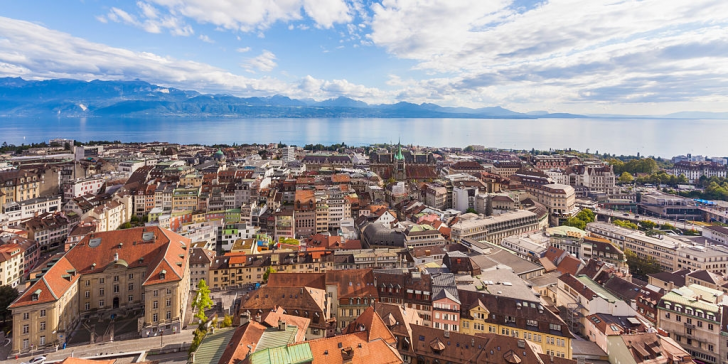
Lausanne is one of those cities that tends to surprise people.
Sitting on the northern shore of Lake Geneva in the French-speaking part of Switzerland, it combines postcard scenery with the rhythm of a real working city.
You get steep streets, elegant old architecture, lakefront promenades, university life, and a strong international flavor all in one place.
It is also known as the Olympic Capital, which gives it an energetic, global identity that goes beyond the usual Swiss stereotypes of watches, chocolate, and mountain trains.
What I like about Lausanne is that it feels polished without being stiff.
It is scenic, well-organized, and generally calm, but it is not a sleepy resort town.
Travelers still need basic awareness, especially around stations, nightlife areas, and crowded public spaces.
Overall, though, Lausanne is one of the safer urban destinations in Europe for most visitors.
Warnings & Dangers in Lausanne

OVERALL RISK: LOW
Lausanne is generally a low-risk destination for travelers. Switzerland has a strong reputation for public order, reliable infrastructure, and low levels of serious street crime. In Lausanne, the biggest problems for tourists are usually petty theft, occasional nightlife-related trouble, and overpriced taxis rather than violent crime. Most visits are smooth, comfortable, and uneventful.

TRANSPORT & TAXIS RISK: LOW
Public transportation in Lausanne is excellent and usually one of the safest ways to get around. The metro, buses, trains, and lake connections are efficient and well used. Taxis are generally legitimate, but they can be expensive, which sometimes makes visitors feel ripped off even when the fare is technically legal. Use official taxis or trusted apps and check routes before getting in.

PICKPOCKETS RISK: MEDIUM
Pickpocketing is not the defining feature of Lausanne, but it is still the crime tourists are most likely to encounter. Busy transit areas, train stations, crowded platforms, nightlife zones, and events create the best opportunities for thieves. The risk is not extreme, but it is high enough that careless travelers with open bags or exposed phones can become easy targets.

NATURAL DISASTERS RISK: LOW
The natural disaster risk in Lausanne is low for ordinary city travelers, but not nonexistent. Switzerland can experience severe weather, heavy rain, storms, flooding, and occasional earthquake activity. If you head into mountain areas nearby, weather changes become much more important. For city breaks focused on Lausanne itself, natural hazards are usually a minor concern rather than a major travel issue.

MUGGING RISK: LOW
Mugging and violent robbery are relatively uncommon for tourists in Lausanne. The city is not known as a place where visitors are routinely threatened on the street. That said, late-night intoxication, isolated routes, and poorly chosen shortcuts can increase the odds of trouble. Most travelers who use common sense will never experience anything close to a mugging incident here.

TERRORISM RISK: MEDIUM
Like most cities in Europe, Lausanne exists within a broader regional terrorism risk environment rather than facing a city-specific threat. Switzerland is generally stable and secure, but authorities still treat public transport hubs, crowded events, and busy public places as potential targets. For travelers, this means staying aware of surroundings, not panicking, and simply following normal urban security habits.

SCAMS RISK: LOW
Classic tourist scams are less aggressive in Lausanne than in many major European capitals, but that does not mean they are absent. The more likely annoyances are taxi overcharging, fake distractions used for theft, and occasional online booking fraud. Street hustling is not as intense as in some cities, so the scam risk is low, though visitors should still stay alert.

WOMEN TRAVELERS RISK: LOW
Lausanne is usually a comfortable destination for solo women travelers. Public spaces are active, transport is dependable, and the general culture tends to be orderly rather than intrusive. The main concerns are the same as in most cities: unwanted attention late at night, alcohol-fueled behavior in nightlife areas, and isolated streets after dark. Most women report feeling quite safe with normal precautions.

TAP WATER RISK: LOW
Tap water in Lausanne is generally very safe to drink. Switzerland maintains high drinking water standards, and visitors usually do not need to buy bottled water for health reasons. It is one of the easiest destinations in Europe for staying hydrated without extra cost. If a fountain or water source is not potable, it is typically marked clearly.
Safest Places to Visit in Lausanne
Ouchy and the Lakefront
If you want the Lausanne that feels the most relaxed and visitor-friendly, start in Ouchy.
This lakeside district is open, scenic, and easy to navigate, with broad promenades, gardens, hotels, boat access, and plenty of people around during the day and evening.
It feels safer than many urban waterfronts because it is well maintained and active without being chaotic.
For first-time visitors, it is one of the easiest areas to enjoy without stress.
La Cité and the Cathedral Area
La Cité, the historic upper town around Lausanne Cathedral, is another excellent area for travelers who want beauty without much edge.
It is full of character, with old stone streets, viewpoints, and historic atmosphere.
During the day, it is one of the nicest parts of the city to wander on foot.
It feels calm, cultured, and very Swiss in the best sense.
Just be ready for hills and stairways.
Place de la Palud and Central Old Town
This central area is great for sightseeing, cafés, and slow exploration.
You get a nice blend of local life and tourist appeal, and the constant foot traffic adds an extra sense of comfort.
It is best for travelers who like to stay in central locations without diving too deep into nightlife zones.
Keep an eye on your belongings in crowded moments, but overall it is a very manageable part of the city.
Olympic Museum Area
Around the Olympic Museum and nearby parks, the atmosphere is polished, open, and family-friendly.
It is ideal for travelers who want a clean, attractive area with panoramic lake views and a lower-stress environment.
It is especially good for daytime visits, photography, and gentle walks.
Safety concerns here are minimal compared with busier transport-heavy sections of the city.
Places to Avoid in Lausanne
Around the Train Station at Night
Lausanne station is not a no-go zone, but it is the place where travelers should be the most alert, especially after dark.
Large transit hubs attract opportunistic theft everywhere, and Lausanne is no exception.
The station area is busy, practical, and usually fine, but it is not where I would tell a tired tourist to stand around distracted with luggage, phone, and wallet all exposed.
Riponne and Certain Late-Night Pockets
Place de la Riponne is central and useful during the day, but parts of the area can feel rougher late at night than the postcard image of Lausanne might suggest.
Groups hanging around, nightlife spillover, and occasional drug-related activity can make it feel less comfortable, especially for solo travelers.
It is not necessarily dangerous in a dramatic sense, but it is one of the few parts of the city where your instincts may tell you to move on.
Flon After Heavy Nightlife Hours
Flon is trendy, modern, and popular, with bars, clubs, and a lively atmosphere.
In the daytime and early evening it is a fun part of the city, but after the nightlife peaks, the vibe changes.
Drunk crowds, loud behavior, and petty theft become more plausible.
I would not tell travelers to avoid Flon completely, but I would say not to treat it casually at 2 a.m.
Isolated Routes Toward Less Active Residential Edges
Lausanne is hilly and layered, and some quieter residential stretches can feel emptier than visitors expect.
The city is generally safe, but steep side streets, underpasses, and poorly lit shortcuts are not ideal late at night.
This is less about specific danger hotspots and more about not assuming every quiet street in an affluent Swiss city is automatically a good idea after midnight.
Safety Tips for Traveling to Lausanne
- Keep your valuables secure on public transport. Lausanne’s transport system is excellent, but stations, metro cars, and busy platforms are the places where distracted travelers are easiest to target. Use zipped bags, keep phones out of back pockets, and do not leave luggage unattended even for a moment.
- Do not confuse expensive with dangerous. One of the most common traveler complaints in Switzerland is not crime but cost. Taxis, restaurants, and convenience purchases can be shocking if you are unprepared. Check prices, confirm taxi methods, and plan transport ahead so you do not mistake sticker shock for a scam.
- Stay extra alert around the station after dark. You do not need to panic around Lausanne station, but you should move with purpose. Avoid lingering outside while distracted, especially with rolling luggage, shopping bags, or your phone out while trying to navigate.
- Use official taxis or reputable ride options only. Taxis in Lausanne are generally safe, but they can be very expensive, and visitors unfamiliar with local pricing may feel taken advantage of. Use marked taxis, ask your hotel for guidance, or rely on public transport when possible.
- Respect the city’s steep layout. Lausanne is beautiful, but it is also very hilly. Tired travelers often make poor decisions, like taking isolated shortcuts or trying to rush downhill on slippery streets. Good shoes and a little route planning make the city safer and much more enjoyable.
- Watch your alcohol intake in nightlife districts. Flon and other evening areas can be fun, but late-night drinking lowers awareness fast. If you are out late, keep your group together, watch your drink, and avoid wandering off alone just because the city feels calm and upscale.
- Pack for quick weather changes. The lake and nearby mountains can make weather shift faster than visitors expect. Even in warmer months, bring a light layer and check forecasts before day trips. Rain, wind, and colder evenings can catch underprepared travelers off guard.
- Do not assume every public fountain is decorative only. Lausanne is a great city for refillable water bottles because drinking water is widely safe, but still pay attention to signage. If a source is not drinkable, it is usually indicated. This helps you save money and avoid carrying too much bottled water.
- Be cautious with bookings, tickets, and digital payments. Lausanne itself is not a scam-heavy city, but travel fraud often happens before you even arrive. Use reputable booking platforms, verify transportation details, and avoid paying strangers or sketchy third-party sellers for rentals, tours, or event tickets.
- Use common-sense city habits, even in a very safe country. Switzerland’s reputation can make people too relaxed. Lausanne is safe, but not magical. Lock your hotel room, keep copies of important documents, avoid flashing cash, and trust your instincts if a street, crowd, or situation feels off.
So... How Safe Is Lausanne Really?
Lausanne is genuinely one of the safer city destinations in Europe, especially when you compare it with larger urban tourism centers where aggressive scams, street harassment, and visible disorder are much more common.
Switzerland continues to benefit from strong infrastructure, good public services, and relatively low levels of serious crime by international standards.
That matters, because it shapes the whole traveler experience.
In Lausanne, you are much more likely to deal with a steep hill, a pricey taxi, or a crowded station than with serious violence.
That said, safe does not mean risk-free.
Petty theft remains the most realistic issue for tourists, particularly around transport hubs and crowded public spaces.
Some nightlife zones can feel a bit rougher late at night, and there are sections of the city that feel less polished after dark than the postcard views of the lake might suggest.
Lausanne also sits within the same broader European security environment that requires awareness in public places.
My honest view is this: Lausanne is a low-risk destination for most travelers, including solo visitors, couples, and families.
If you use normal urban precautions and avoid acting careless because “it’s Switzerland,” you are very likely to have a smooth and safe trip.
How Does Lausanne Compare?
| City | Safety Index |
|---|---|
| Lausanne |
78 |
| Lucerne |
91 |
| Geneva |
90 |
| Basel |
87 |
| Zurich |
92 |
| St. Moritz |
93 |
| Interlaken |
90 |
 Searchlight Searchlight | 76 |
 Varanasi Varanasi | 58 |
 Rincon Rincon | 74 |
 Vatican City Vatican City | 72 |
 Khulna Khulna | 66 |
| Norwalk | 79 |
Useful Information

Visas
Switzerland is part of the Schengen Area. Many tourists, including travelers from the United States, Canada, the United Kingdom, Australia, and much of Europe, can stay up to 90 days within a 180-day period without a visa for tourism. Travelers from countries that do need one generally apply for a short-stay Schengen visa before arrival and should check current fees and processing times early.

Currency
Lausanne uses the Swiss franc, usually written as CHF. Cards are widely accepted, and for most travelers that is the easiest way to pay. It is still smart to carry a small amount of cash for minor purchases, kiosks, or backup. Avoid exchanging money at poor-rate airport counters unless you only need a small emergency amount.

Weather
Lausanne has a moderate climate, but the seasons are distinct. Summers are pleasant to warm, while winters can be cold, damp, and occasionally snowy. Spring and autumn can shift quickly between sunshine and chill. Pack layers year-round, and bring a light rain jacket and comfortable walking shoes since the city’s hills can be tiring in bad weather.

Airports
The main airport for Lausanne is Geneva Airport, about 60 kilometers away. It is the most practical arrival point for most international travelers, and the city is easily reached by train or car in under an hour in normal conditions. Zurich Airport is another option, but Geneva is usually the simpler choice for direct access to Lausanne.

Travel Insurance
Travel insurance is a very good idea for Lausanne, even though the city is relatively safe. Medical care in Switzerland is excellent, but it can be expensive if something goes wrong. Insurance also helps with trip delays, lost baggage, theft, and cancellations. For a destination where costs run high, being insured is just a smart travel move.
Lausanne Weather Averages (Temperatures)
Average High/Low Temperature
| Temperature / Month | Jan | Feb | Mar | Apr | May | Jun | Jul | Aug | Sep | Oct | Nov | Dec |
|---|---|---|---|---|---|---|---|---|---|---|---|---|
| High °C |
4 | 5 | 9 | 13 | 17 | 21 | 23 | 23 | 19 | 14 | 8 | 5 |
| Low °C |
-1 | -1 | 2 | 5 | 9 | 12 | 14 | 14 | 11 | 7 | 3 | 0 |
| High °F |
39 | 41 | 48 | 55 | 63 | 70 | 73 | 73 | 66 | 57 | 46 | 41 |
| Low °F |
30 | 30 | 36 | 41 | 48 | 54 | 57 | 57 | 52 | 45 | 37 | 32 |
Switzerland - Safety by City
| City | Safety Index |
|---|---|
| Basel | 87 |
| Bern | 85 |
| Geneva | 90 |
| Interlaken | 90 |
| Lausanne | 78 |
| Lucerne | 91 |
| St. Moritz | 93 |
| Zermatt | 93 |
| Zurich | 92 |










Strolling through those parks by the lake was such a chill way to spend my afternoon, and sipping wine while gazing at the vineyards felt like a scene straight out of a postcard.
So, taking a stroll through the Lavaux vineyards while sipping wine sounds like the ultimate way to pretend I’m doing something productive. I’m sure the scenery and wine will do all the hard work for me!
No way, after doing one of those guided excursions on Lake Geneva and sipping a glass of wine in the Unesco-listed Lavaux vineyards, did you get that weird giddy feeling too?