


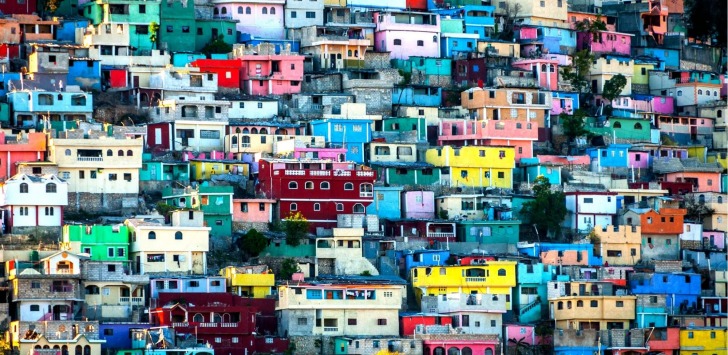
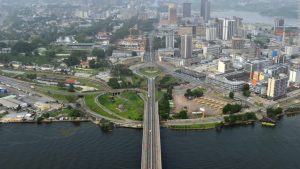
Port-au-Prince, the capital of Haiti, sits along the Gulf of Gonâve in the Caribbean, backed by steep green mountains and facing a sparkling bay that once made it one of the most vibrant ports in the region.
Founded in 1749 during French colonial rule, the city has long been the political, cultural, and economic heart of the country.
It is home to colorful tap-tap buses, bold street art, rhythmic kompa music, and a resilient population that has endured earthquakes, hurricanes, and political upheaval.
But let’s be honest.
When people ask me about Port-au-Prince, they are not just curious about culture.
They want to know one thing: Is it safe?
This is not a typical Caribbean vacation destination right now.
Safety conditions are complex, rapidly changing, and often serious.
In this guide, I break down the real risks, the safer pockets, and what travelers absolutely need to know before even considering a trip.
Warnings & Dangers in Port-au-Prince

OVERALL RISK: HIGH
Port-au-Prince currently carries a High overall risk rating. Armed gang activity, kidnappings, and political instability significantly impact daily life. Many governments issue strong travel advisories against visiting. Infrastructure challenges and limited emergency response capacity further increase the risk for tourists.

TRANSPORT & TAXIS RISK: HIGH
Transportation is unpredictable and often unsafe. Roadblocks, gang-controlled neighborhoods, and sporadic violence can shut down major routes without warning. Public tap-taps are not recommended for visitors. Even private drivers must carefully plan routes. Airport transfers should be prearranged through trusted contacts only.

PICKPOCKETS RISK: HIGH
Petty theft is common, especially in crowded markets and transport hubs. However, street crime in Port-au-Prince goes beyond simple pickpocketing. Snatch-and-grab thefts and armed robberies occur in both busy and quieter areas. Visible phones, jewelry, or cameras significantly increase your risk.

NATURAL DISASTERS RISK: HIGH
Haiti sits in a hurricane-prone region and on active fault lines. The devastating 2010 earthquake and subsequent aftershocks remain a stark reminder. Hurricane season runs from June through November. Infrastructure damage from past disasters still affects resilience and emergency response.

MUGGING RISK: HIGH
Armed robberies are a major concern. Incidents often involve firearms and occur both day and night. Some neighborhoods are effectively controlled by armed groups. Foreigners are perceived as wealthy and can be specifically targeted.

TERRORISM RISK: MEDIUM
There is no sustained international terrorism campaign targeting tourists. However, violent unrest, gang warfare, and politically motivated violence create an unstable environment. The risk stems more from internal armed conflict than from organized global terrorism.

SCAMS RISK: MEDIUM
Classic tourist scams are less common than in typical tourist cities, but informal “fees,” fake checkpoints, and opportunistic fraud can occur. Corruption and bribery attempts are possible in chaotic situations. Visitors unfamiliar with local systems are especially vulnerable.

WOMEN TRAVELERS RISK: HIGH
Female travelers face elevated risks, including harassment and the broader security environment of kidnappings and assaults. Solo travel is strongly discouraged under current conditions. Women should avoid traveling without trusted local support and secure accommodations.

TAP WATER RISK: HIGH
Tap water is unsafe to drink. Waterborne illnesses are common due to infrastructure limitations. Only sealed bottled water should be consumed, including for brushing teeth. Ice in drinks should be avoided unless it is confirmed to be purified.
Safest Places to Visit in Port-au-Prince
Safety in Port-au-Prince is relative, and “safest” does not mean fully safe.
It means comparatively more secure.
Pétion-Ville, an upscale suburb in the hills above the city, is generally considered one of the safer areas.
It hosts embassies, international organizations, and guarded hotels.
Many NGOs and business travelers stay here.
Security presence is stronger, and private compounds provide an added layer of protection.
Hotel compounds such as those near the Karibe Hotel or similar internationally managed properties offer controlled environments.
These hotels typically employ armed security and have restricted access.
If conditions permit and with proper security arrangements, visitors sometimes explore sites like the Iron Market in controlled settings or visit cultural landmarks under guided supervision.
Day trips arranged through reputable security services to locations outside the capital, such as coastal areas or historic forts, may be safer than walking in central neighborhoods.
The key point: movement should be strategic, minimal, and organized.
Independent exploration is not advisable.
Places to Avoid in Port-au-Prince
Certain neighborhoods are widely recognized as high-risk and should be strictly avoided.
Martissant has been a focal point of gang violence and armed clashes.
Major roadways passing through this area have been blocked during conflicts, cutting off access to southern regions.
Cité Soleil, long associated with gang control and extreme poverty, is one of the most dangerous neighborhoods in the metropolitan area.
Armed groups operate openly in some sections.
Bel Air and parts of downtown Port-au-Prince have experienced frequent shootings, kidnappings, and unrest.
Political demonstrations often escalate quickly and unpredictably.
Road travel after dark anywhere in the city is particularly risky.
Even areas considered relatively secure during daylight can become unsafe at night.
Visitors should not attempt to “see for themselves” out of curiosity.
Many dangerous areas are not clearly marked, and crossing into the wrong zone unintentionally can have serious consequences.
Safety Tips for Traveling to Port-au-Prince
- Build Your Trip Around Secure Zones Only. In Port-au-Prince, geography equals safety. Base yourself in Pétion-Ville or another well-guarded compound in the hills rather than downtown or near gang-contested corridors. Review a current map of known high-risk areas before arrival. Do not assume you can safely cross the city for sightseeing. Treat neighborhood boundaries seriously, even if they look ordinary on a map.
- Pre-Arrange Every Ride, Especially From the Airport. At Toussaint Louverture International Airport, do not negotiate transport outside the terminal. Arrange pickup through your hotel or a vetted private driver who tracks flight arrivals. Confirm the driver’s name, vehicle description, and contact number in advance. Avoid nighttime arrivals if possible, since road conditions and security risks increase after dark.
- Move During Daylight and Keep It Strategic. Plan meetings and outings between late morning and mid-afternoon. Avoid early dawn and any movement after sunset. Traffic congestion can unexpectedly trap vehicles in unsafe zones, so build extra buffer time into your schedule. If you encounter a roadblock or tense gathering, turn around calmly and do not argue or photograph the scene.
- Treat Roadblocks as Serious Warning Signs. Improvised barricades using tires, debris, or burning materials are not uncommon. These may signal protests or gang activity. Never attempt to push through. In Port-au-Prince, the safest reaction is retreat, not confrontation. A local driver with real-time knowledge of shifting hotspots is invaluable.
- Keep Your Digital Footprint Quiet. Avoid posting real-time updates about your location on social media. Do not tag hotels or meeting places while you are there. Foreigners are often perceived as high-value targets, and oversharing can increase exposure. Use secure messaging apps and avoid conducting sensitive conversations in public spaces.
- Dress Intentionally Low Profile. Leave designer logos, luxury watches, and visible jewelry at home. Even high end neighborhoods require discretion. Carry a modest phone rather than your newest device when out. A simple backpack instead of a branded travel bag helps you blend in. In Port-au-Prince, subtlety is a security strategy.
- Have a Contingency Plan for Supply Disruptions. Fuel shortages, power cuts, and water supply interruptions occur. Keep extra bottled water in your room and carry a small flashlight and portable charger. Ask your hotel about generator backup systems. Planning for basic utilities is not paranoia here; it is practical risk management.
- Register With Your Embassy and Track Advisories. Before travel, enroll in your embassy’s traveler registration system. This ensures you receive alerts if conditions deteriorate. Save the embassy’s local phone number in your contacts. In a crisis, having official channels available can make a critical difference.
- Avoid Cash-Heavy Transactions in Public. While U.S. dollars circulate widely, do not exchange large sums in visible areas. Handle money discreetly and carry only what you need for the day. If you must pay in cash, do so inside secure buildings rather than on the street. Petty theft and opportunistic crime often occur in moments of distraction.
- Be Ready to Cancel or Postpone. The smartest safety decision in Port-au-Prince is sometimes deciding not to go. Monitor airline notices and security updates in the weeks leading up to your trip. If unrest spikes or airport operations are disrupted, adjust plans without hesitation. Flexibility is one of the strongest forms of personal security in this city.
So... How Safe Is Port-au-Prince Really?
Port-au-Prince is currently one of the highest-risk capitals in the Western Hemisphere.
Kidnappings for ransom have increased in recent years, with both locals and foreigners targeted.
Armed groups control significant portions of the metropolitan area.
Police capacity is stretched thin, and response times can be limited.
Many foreign governments classify Haiti under their highest travel warning levels. International airlines have periodically reduced or suspended service due to security concerns.
Humanitarian organizations operate with strict security protocols, including armored vehicles and movement restrictions.
This does not mean every visitor will encounter danger.
Some business and aid workers travel in and out safely using extensive precautions.
However, independent tourism is extremely limited for a reason.
If your trip is optional, postponing is often the safest choice.
If travel is essential, preparation, local contacts, and strict discipline are nonnegotiable.
How Does Port-au-Prince Compare?
| City | Safety Index |
|---|---|
 Port-au-Prince Port-au-Prince |
20 |
 Wichita Wichita | 64 |
 Amsterdam Amsterdam | 78 |
 Timisoara Timisoara | 87 |
| Skokie | 88 |
| Rehoboth Beach | 68 |
| Morehead | 86 |
Useful Information

Visas
Many travelers, including U.S. citizens, can enter Haiti visa-free for stays up to 90 days. A small tourist fee may apply upon arrival. Passports must be valid for the duration of stay. Always verify entry rules before departure, as policies can change quickly.

Currency
The official currency is the Haitian gourde, though U.S. dollars are widely accepted. Small denominations are useful. Exchange money at reputable banks or hotels rather than informal street vendors.

Weather
Port-au-Prince has a tropical climate with hot temperatures year-round. Hurricane season runs from June through November. Lightweight clothing is essential, along with rain protection and strong sun protection.

Airports
Toussaint Louverture International Airport serves Port-au-Prince. It is located about 10 kilometers from the city center. Airport pickups should be prearranged with trusted drivers or hotels for security reasons.

Travel Insurance
Comprehensive travel insurance is essential. Choose a policy that includes medical evacuation and coverage for political instability. Healthcare facilities are limited, and evacuation to another country may be necessary in serious emergencies.
Port-au-Prince Weather Averages (Temperatures)
Average High/Low Temperature
| Temperature / Month | Jan | Feb | Mar | Apr | May | Jun | Jul | Aug | Sep | Oct | Nov | Dec |
|---|---|---|---|---|---|---|---|---|---|---|---|---|
| High °C |
31 | 32 | 32 | 32 | 33 | 34 | 34 | 34 | 34 | 33 | 32 | 32 |
| Low °C |
23 | 23 | 23 | 24 | 25 | 26 | 26 | 26 | 26 | 24 | 24 | 23 |
| High °F |
88 | 90 | 90 | 90 | 91 | 93 | 93 | 93 | 93 | 91 | 90 | 90 |
| Low °F |
73 | 73 | 73 | 75 | 77 | 79 | 79 | 79 | 79 | 75 | 75 | 73 |
Haiti - Safety by City
| City | Safety Index |
|---|---|
| Port-au-Prince | 20 |













For a country that has been through so much, I always hear about how welcoming and friendly the people are here. God bless Haiti.
So welcoming and beautiful!
This city is so beautiful and welcoming! Many great places to visit and so much to do while here. While here, try Les Jarding du Mupanah. A very special place with great food, especially the vegan options. Also enjoyed the Musee du Pantheon National Haitien and the El-Saieh Gallery.
Do NOT travel to Haiti
Do not travel to Haiti especially Port-au-Prince. The gangs control the city and the government is collapsing. Heavy shooting is daily. Murder rape and kidnappings are continuously happening. There are no safe places.
Safe to go to Port au Prince???
I lived there, It’ one of the most dangerous cities in the world
Haiti is totally dangerous
I don’t think Port au Prince has been safe at all for several years.. When we stayed there in 2018, we heard gun shots and saw a dead body in the streets.
Since then, the country has become totally destabilized and gangs control around 80% of Port au Prince. The US State Department strongly encourages no travel to Haiti; at present there are no commercial flights there because airplanes were shot upon a few months ago. My Haitian friends that live there have been kidnapped and tortured.
The above safety rating is totally inaccurate at present and needs to be updated.
+
Did you try any of the restaurants in Pétionville? I’ve heard the food scene there is amazing, and I’m curious if it lives up to the hype!
The energy in Port-au-Prince is something else, especially when you visit the Champs-de-Mar park; it’s the perfect spot to unwind with locals and just soak it all in.
Seems like every time I turn around in Port-au-Prince, there’s another reminder of the earthquake, but hey, at least the scenery is great for a little existential reflection, right?
Walking by the National Palace with its shattered columns left a heavy lump in my throat, yet the wide shade of Champs-de-Mar and the smell of fried plantains somehow kept me going.
Would you still recommend walking near the bay at dusk after hearing kompa and seeing those colorful tap-taps, because the last time I wandered down there I felt pretty on edge?
Had to chuckle when a tap-tap’s kompa had my shoulders bouncing while I kept one eye on the street, feeling equal parts thrilled and a little nervous.
Painted tap-taps and sunset kompa had me grinning, but those checkpoints really made me tense.