


 Jamaica : Safety by City
Jamaica - safety as a country
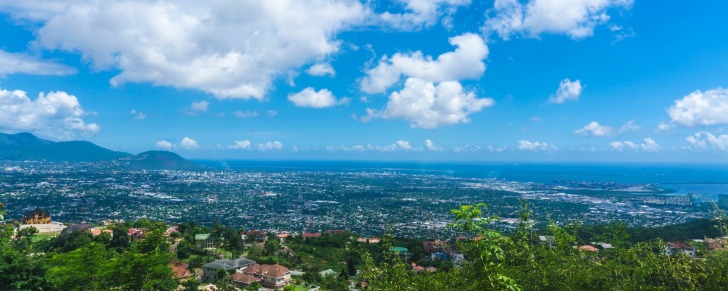
Kingston sits on Jamaica’s southeastern coast, backed by the Blue Mountains and facing one of the largest natural harbors in the Caribbean.
It is the island’s capital, its cultural engine, and the birthplace of modern reggae’s global pulse.
This is not the Jamaica of all-inclusive beach brochures.
Kingston feels faster, louder, grittier, and far more local.
You come here for music, food, art, history, and the kind of energy that makes a city feel alive the moment you step into it.
You can tour the Bob Marley Museum in the morning, eat a serious plate of jerk by lunch, and watch the city glow under the hills at sunset.
But Kingston also demands more street smarts than many resort areas in Jamaica.
It can be rewarding, memorable, and deeply interesting, but it is a place where travelers need to move wisely.
Warnings & Dangers in Kingston

OVERALL RISK: HIGH
Kingston is one of the most fascinating cities in the Caribbean, but it is not a low-effort destination from a safety standpoint. Violent crime remains a real concern in Jamaica, and Kingston requires more caution than beach resort zones. Travelers who stay in well-known areas, use trusted transport, and avoid wandering at night can still have a good trip, but this is not a place to approach casually.

TRANSPORT & TAXIS RISK: MEDIUM
Transport in Kingston is manageable if you use licensed taxis, hotel-arranged drivers, or established transport services. Problems usually start when visitors jump into unregistered taxis or try to navigate unfamiliar routes after dark. Public buses and route taxis are cheap, but they are not the best option for most tourists, especially first-time visitors carrying luggage or valuables.

PICKPOCKETS RISK: MEDIUM
Pickpocketing is not the top danger in Kingston, but petty theft does happen in crowded areas, transport hubs, markets, and busy commercial streets. A phone hanging out of your hand or a loose bag can make you an easy target. This is more about opportunistic theft than sophisticated crews, so basic awareness makes a big difference.

NATURAL DISASTERS RISK: MEDIUM
Kingston faces hurricane-season risk from June through November, along with flooding, tropical storms, and occasional earthquake concerns. Heavy rain can disrupt roads and create hazardous conditions quickly. The city is not constantly dealing with natural disasters, but timing matters, and travelers visiting in late summer or early fall should keep a close eye on forecasts.

MUGGING RISK: HIGH
Muggings and armed robberies are more serious concerns than simple pickpocketing. The risk rises at night, in isolated areas, and when travelers move around on foot in places they do not know well. Flashy jewelry, visible phones, and poor route planning increase exposure. This is one of the biggest reasons Kingston gets a high overall risk rating.

TERRORISM RISK: LOW
There is no major pattern of terrorism that puts Kingston in the same category as high-threat global capitals. For most travelers, terrorism is not the practical safety issue they should focus on here. Every day, crime is a far more relevant concern, and that is where your attention should go.

SCAMS RISK: MEDIUM
Most scams in Kingston are small-scale and familiar: inflated taxi fares, overcharging, fake friendliness that turns into pressure for money, and unofficial guides offering help you never asked for. ATM distraction scams and nightlife overbilling can also happen. Travelers who confirm prices upfront and keep interactions businesslike usually avoid the worst of it.

WOMEN TRAVELERS RISK: MEDIUM
Women can enjoy Kingston, but solo female travelers should be especially alert. Street harassment, persistent attention, and the risk of assault make caution important, particularly at night or in nightlife settings. Dressing casually, avoiding isolated streets, using door-to-door transport, and telling someone where you are going are smart habits here.

TAP WATER RISK: LOW
In general, treated tap water in Jamaica is considered safe in most urban and tourist settings, including Kingston. Still, some travelers prefer bottled or filtered water simply because a new water system can upset the stomach. If you are staying in a reputable hotel or guesthouse, the tap water is usually not a major concern.
Safest Places to Visit in Kingston
New Kingston
For most visitors, New Kingston is the easiest base.
It has major hotels, business centers, restaurants, embassies, and a more organized feel than older sections of the capital.
Streets around Emancipation Park and the better-known hotel corridor tend to be the most comfortable for travelers, especially during the day and early evening.
It is still a city, not a bubble, but it is one of the more practical places to stay and move around.
Liguanea and the Museum Belt
Liguanea is a good choice for travelers who want a busy but relatively approachable part of the city.
You have cafés, shopping, university energy, and easier access to attractions like the Bob Marley Museum and Devon House.
It feels more visitor-friendly than Kingston’s rougher commercial zones and makes sense for daytime exploring, meals, and low-stress errands.
Hope Gardens and the Upper St. Andrew Side
The greener side of Kingston and neighboring St. Andrew offers a calmer pace.
Hope Botanical Gardens and areas leading toward the foothills feel less intense than central urban blocks.
These spots are better for families, morning outings, and travelers who want to experience Kingston without being dropped straight into its busiest and most chaotic corners.
Port Royal for a Focused Day Trip
Port Royal, just outside the capital core, is one of the safest ways to enjoy Kingston’s historical side if you go in daylight and keep the trip structured.
It is famous for pirate history, forts, and harbor views.
This is the kind of outing that works especially well with a driver or organized plan rather than improvised wandering.
Places to Avoid in Kingston
West Kingston and Unfamiliar Inner-City Districts
Parts of West Kingston have long been associated with serious gang activity and higher rates of violent crime.
Casual tourists have no real reason to wander through unfamiliar inner-city neighborhoods here.
Even if you are curious about “real local life,” this is not the place to improvise.
If a local contact you trust is not guiding you, skip it.
Downtown Kingston After Dark
Downtown has energy, murals, markets, and history, but it changes character sharply after business hours.
Streets that feel busy in the afternoon can become sparse and less predictable at night.
Areas around transport hubs, market streets, and quieter blocks near the waterfront should not be explored casually after dark, especially on foot.
Isolated Streets Around Markets and Transport Nodes
Busy market districts can be fine in daylight if you stay alert, but the areas around them are not where you want to look lost.
Crowding, noise, confusion, and quick movement make theft or intimidation more likely.
If you visit commercial zones, go during the day, keep your phone away, and leave before the city starts to empty.
Poorly Lit Residential Streets
One of Kingston’s biggest travel mistakes is assuming a nearby neighborhood is walkable just because it is close on the map.
A short walk at night can take you from a decent area to a deserted or poorly lit street very quickly.
Unless your hotel says it is fine, do not walk around unknown residential stretches after dark.
Safety Tips for Traveling to Kingston
- Choose your base carefully. Stay in New Kingston, Liguanea, or another well-reviewed area known for hotels and business travel. Your hotel location shapes almost every other part of your safety experience in Kingston.
- Do not use random street taxis. Book transport through your hotel, a reputable driver, or a known service. Confirm the fare before getting in if there is no meter. A cheap ride is not worth the uncertainty.
- Avoid walking at night. Even in better areas, Kingston is not the kind of city where tourists should casually roam after dark. Use door-to-door transport once evening arrives.
- Keep valuables invisible. Leave flashy jewelry at home, carry only the cash you need, and do not wave your phone around while checking maps on the sidewalk. Looking distracted is almost as risky as looking rich.
- Plan your route before leaving. Know where you are going, how long it should take, and how you are getting back. Wandering works in some cities. In Kingston, it can put you in the wrong place fast.
- Be cautious with nightlife. Kingston has excellent music and nightlife, but alcohol lowers awareness in a city where awareness matters. Watch your drink, go out with a plan, and arrange your ride home before the night starts.
- Use ATMs strategically. Withdraw money during daylight, preferably inside banks, malls, or hotel settings. Avoid isolated machines or late-night cash runs.
- Respect weather seasonality. If you travel during hurricane season, watch the forecast and build flexibility into your plans. A trip can shift quickly because of heavy rain, flooding, or transport disruption.
- Listen to local advice, but filter it. Hotel staff and trusted hosts usually know which routes, neighborhoods, and times of day are sensible. Friendly strangers can be helpful too, but do not base major decisions on random street advice.
- Trust your instincts early. If a street feels too quiet, a driver seems off, or an interaction starts getting pushy, leave immediately. In Kingston, acting early is better than trying to be polite and hoping things settle down.
So... How Safe Is Kingston Really?
Kingston is not a fantasy postcard destination where safety takes care of itself.
It is a real capital city with real rewards and real risks.
The main issue is violent crime, not just petty theft.
That is what separates Kingston from many resort-focused Caribbean destinations.
Travelers generally face less danger in established tourist and business areas, but the margin for error is still smaller than in places built around vacation infrastructure.
That said, Kingston is not automatically off-limits.
Plenty of travelers visit without problems because they approach it correctly.
They stay in the right areas, arrange trusted transport, keep nights structured, and treat the city with respect instead of overconfidence.
Kingston rewards that approach.
It offers some of the best music history, food culture, and urban personality in the region.
So, how safe is Kingston really?
For experienced travelers with solid habits, it can be a worthwhile destination.
For travelers who like spontaneous late-night wandering, bargain-chasing on unknown streets, or treating every city like a walkable resort town, it is a poor fit.
Kingston is best understood as a high-interest, higher-risk destination.
Go smart, not casual.
How Does Kingston Compare?
| City | Safety Index |
|---|---|
| Kingston |
48 |
| Montego Bay |
60 |
| Spanish Town |
68 |
| Negril |
51 |
| Portmore |
67 |
| Ocho Rios |
58 |
 Phnom Penh Phnom Penh | 60 |
 Hamburg Hamburg | 80 |
 Hodgenville Hodgenville | 86 |
| Brockton | 76 |
 Reims Reims | 68 |
| Hazard | 78 |
Useful Information

Visas
Visa rules depend on nationality, but many tourists can enter Jamaica without a visa for short stays, often up to 90 days. You will generally need a valid passport, onward or return travel, and proof that you can support yourself during the trip. Travelers who do need a visa should apply before departure, as last-minute fixes can be expensive.

Currency
The local currency is the Jamaican dollar, though U.S. dollars are accepted in some tourist-facing businesses. For the best value, use ATMs in secure locations or exchange money through banks and established exchange services. Avoid changing cash with unofficial operators on the street, even if the rate sounds attractive.

Weather
Kingston is warm year-round, with the hottest months often feeling very humid. Lightweight clothing works best, but pack sun protection and something light for rain. If you are visiting during hurricane season, include quick-dry clothing and keep shoes practical, because sudden downpours can change conditions fast.

Airports
The main airport for the capital is Norman Manley International Airport, located on the Palisadoes strip near Kingston Harbour. It is the most convenient airport for city stays. The smartest arrival plan is to prearrange your transfer or use an official airport taxi rather than figuring things out on the curb after landing.

Travel Insurance
Travel insurance is strongly recommended for Kingston. This is not just about lost luggage. You want coverage for medical treatment, trip interruption, weather-related delays, and theft. A good policy adds a layer of protection that matters more in destinations where disruptions and safety concerns can cost you real money.
Kingston Weather Averages (Temperatures)
Average High/Low Temperature
| Temperature / Month | Jan | Feb | Mar | Apr | May | Jun | Jul | Aug | Sep | Oct | Nov | Dec |
|---|---|---|---|---|---|---|---|---|---|---|---|---|
| High °C |
27 | 27 | 28 | 28 | 29 | 30 | 30 | 30 | 30 | 29 | 29 | 28 |
| Low °C |
22 | 22 | 22 | 23 | 24 | 24 | 25 | 25 | 24 | 24 | 23 | 22 |
| High °F |
81 | 81 | 82 | 82 | 84 | 86 | 86 | 86 | 86 | 84 | 84 | 82 |
| Low °F |
72 | 72 | 72 | 73 | 75 | 75 | 77 | 77 | 75 | 75 | 73 | 72 |
Jamaica - Safety by City
| City | Safety Index |
|---|---|
| Kingston | 48 |
| Montego Bay | 60 |
| Negril | 51 |
| Ocho Rios | 58 |
| Portmore | 67 |
| Spanish Town | 68 |









Jamaica isn’t dangerous for tourists. It is very rare that a tourist will come to Jamaica and be physically harmed they just have a high risk of being scammed and that simply is because you aren’t paying attention. This is inaccurate.
Not ALL people are safe.
Unless, of course you are a member of the LGBTQ+ community. Then all bets are off.
I don’t know who gave you the permission to post of even write any of this rap but you should really consider deleting it. you have obviously never been to Kingston. Please write about things you know.
They overdid the ting mon, Kingston isn’t that bad with the crime lol. true there is many but not super like that, a very nice place.
Mostly accurate
This is pretty accurate. Most of Kingston is not a place for tourists to wander around. You need a plan when you go and a guide is even better. “New”‘Kingston is ok but it definitely is not a place you want to go getting lost or even looking lost in.
Eating a serious plate of jerk at lunch and wandering past the Bob Marley Museum in the morning then watching the city glow under the Blue Mountains at sunset left me oddly mellow but alert, Kingston’s loud, gritty energy really hits you if you pay attention and don’t let your guard down.
Reggae spilling from a corner shop and jerk smoke at lunchtime make me grin every time, and the harbor lights coming on under the hills still give me a little thrill.
Chasing a plate of proper jerk after the Marley tour and watching the harbor light up had me grinning like an idiot and a little jumpy from all the city noise.
Never thought I’d find a place where the air feels so electric but you can still smell the jerk chicken from a block away, Kingston really keeps you on your toes.
Caught myself getting lost in the streets of Kingston, but that jerk chicken and the sunset over the hills made every awkward moment totally worth it.
The smell of jerk chicken sizzling on the street mixed with the hustle around me made Kingston unforgettable, even as I stayed alert to every little detail.