


 Philippines : Safety by City
- Bohol
- Boracay
- Cebu City
- Coron
- Davao City
- El Nido
- Iloilo
- Makati
- Manila
- Panglao
- Puerto Princesa
- Quezon City
- Samal Island
- Siargao
- Siquijor
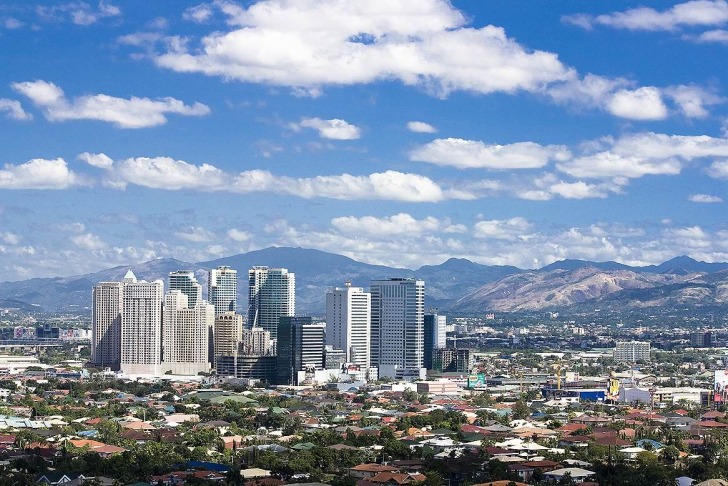
Quezon City is one of the biggest and busiest urban centers in the Philippines, spread across the northeastern side of Metro Manila and packed with universities, government offices, shopping districts, nightlife streets, and residential neighborhoods that feel like entirely different cities stitched together.
It is not the polished, resort-style version of the country that many travelers picture first, but that is exactly what makes it interesting.
You get a more local, everyday look at Manila life here, from food parks and lively avenues to huge parks and cultural institutions.
For travelers, Quezon City is usually less about postcard landmarks and more about smart city exploring.
The good news is that most visits go smoothly.
The catch is that this is still a giant, fast-moving urban area where traffic, flooding, petty theft, and neighborhood-to-neighborhood differences matter a lot.
Warnings & Dangers in Quezon City

OVERALL RISK: MEDIUM
Quezon City is generally manageable for tourists who use normal urban precautions, but it is not a place where you should switch off your instincts. The biggest concerns are petty theft, traffic headaches, occasional street crime, and sudden flooding during heavy rain. Most visitors stay safe by sticking to well-known districts, using trusted transport, and avoiding wandering late at night.

TRANSPORT & TAXIS RISK: MEDIUM
Getting around Quezon City can be tiring more than dangerous. Traffic is intense, routes can be confusing, and not every taxi ride is equally reliable. App-based rides are usually the safer choice because they give you driver details and a fixed route. Public transport is cheap and useful, but it can be crowded, especially during rush hour.

PICKPOCKETS RISK: MEDIUM
Pickpocketing is a real concern in crowded places such as markets, public transport hubs, busy malls, and festival areas. It is not usually dramatic crime, just quick opportunistic theft. Bags left open, phones held loosely, and wallets in back pockets make easy targets. Travelers who keep valuables zipped away and stay alert usually avoid problems.

NATURAL DISASTERS RISK: HIGH
This is one of the biggest practical risks in Quezon City. Heavy rain can cause flooding, especially during the wet season, and the wider Metro Manila region also faces typhoon impacts and earthquake risk. Travelers should watch the forecast closely, give themselves extra travel time during bad weather, and avoid low-lying streets when rainfall gets intense.

MUGGING RISK: MEDIUM
Muggings are not the most common experience for tourists, but they can happen, especially after dark in quieter streets, poorly lit side roads, or less familiar neighborhoods. The risk rises if you are visibly distracted, carrying expensive gear, or walking alone late at night. Using ride-hailing apps and staying in active, well-lit areas lowers the risk.

TERRORISM RISK: LOW
Quezon City itself is not usually seen as a top terrorism risk area for tourists, especially compared with higher-risk parts of the southern Philippines. Still, the country as a whole does face broader security concerns, so it is wise to stay aware in crowded public venues, transport hubs, and major events. For most tourists, this remains a background concern rather than a daily one.

SCAMS RISK: MEDIUM
Travelers can run into fare padding, fake help offers, overpriced rides, and occasional online booking tricks. Most scams are low-level annoyances rather than major fraud. Trouble usually starts when people accept unmetered rides, hand over cash too casually, or trust strangers too quickly. Using established apps, booking platforms, and common sense goes a long way.

WOMEN TRAVELERS RISK: MEDIUM
Many women travel through Quezon City without serious issues, especially in malls, restaurant districts, and business areas. Still, solo women should be cautious with nightlife, avoid isolated walks after dark, and be selective about transport. Unwanted attention can happen, though it is usually more uncomfortable than threatening. Conservative awareness and firm boundaries help a lot.

TAP WATER RISK: HIGH
Travelers are better off avoiding tap water for drinking. Bottled or properly filtered water is the safer choice, and it is smart to be careful with ice, uncooked foods washed in local water, and refill stations of uncertain quality. Even if locals are used to it, a visitor’s stomach may not be.
Safest Places to Visit in Quezon City
Diliman and the UP Area
Diliman is one of the easiest parts of Quezon City for travelers to enjoy.
The streets around the University of the Philippines Diliman campus feel greener, calmer, and more open than many other parts of Metro Manila.
This area is popular for walks, food stops, and low-key cultural exploring.
It is not risk-free, but it generally feels more comfortable than the city’s rougher pockets.
Eastwood City
Eastwood is one of the most tourist-friendly zones in the city.
It is modern, compact, and easy to navigate, with restaurants, cafes, offices, and residential towers all packed into a walkable commercial district.
Because it stays lively and has visible security, many visitors find it less stressful than broader stretches of the city.
It is a strong choice for first-time visitors.
Tomas Morato and Scout Area
This district is best known for dining and nightlife.
It is busy, social, and filled with restaurants that draw both locals and visitors.
The strongest safety advantage here is that there are usually lots of people around.
That said, extra caution is still smart at night, especially after drinking or when moving away from the main streets.
Quezon Memorial Circle
For daytime exploring, Quezon Memorial Circle is one of the city’s easiest public spaces to recommend.
It offers open areas, a landmark setting, and a more relaxed atmosphere than the city’s commercial zones.
It works best in daylight hours when the area is active and families are around.
Keep the usual city awareness and avoid flashing valuables.
Places to Avoid in Quezon City
Isolated Side Streets After Dark
In Quezon City, danger is often less about one dramatic no-go district and more about timing and street conditions.
Even areas that feel fine in the daytime can become uncomfortable at night if they are poorly lit, quiet, or far from main roads.
Avoid cutting through side streets just to save time, especially if you are alone.
Transport Hubs and Crowded Public Areas
Bus stops, jeepney loading zones, and busy transport interchanges deserve extra caution.
These are the places where pickpockets and opportunists thrive because crowds create distraction.
Tourists who are juggling bags, checking maps, or pulling out cash are easy to spot.
Stay alert in these zones and move with purpose.
Low-Lying Flood-Prone Sections During Storms
Some parts of the city become much more dangerous during intense rain, not because of crime but because floodwater can rise fast and disrupt transport.
Roads become hard to judge, traffic worsens, and getting stranded becomes a real possibility.
If a storm is rolling in, avoid unnecessary movement through unfamiliar neighborhoods.
Rougher Peripheral Neighborhoods You Do Not Know
Quezon City is huge, and not every barangay is suitable for casual tourist wandering.
Residential districts on the edges of major commercial areas can change in feel very quickly.
If a place is not on your itinerary and locals or hotel staff do not recommend it, there is rarely a good reason to explore it randomly, especially at night.
Safety Tips for Traveling to Quezon City
- Use ride-hailing apps whenever possible. This is one of the simplest ways to reduce transport stress. You get driver identification, route tracking, and fewer arguments over fares. It is especially useful at night, during bad weather, or when you are carrying luggage.
- Do not treat every neighborhood the same. Quezon City is massive, and safety can vary block by block. A polished shopping district may sit not far from a much rougher area. Research the exact neighborhood of your hotel and ask staff which nearby streets are best avoided after dark.
- Keep your phone and wallet out of easy reach. Petty theft is often about opportunity. Use a crossbody bag, zip your pockets, and avoid holding your phone loosely while walking near roads or in crowds. Most theft here is quick, simple, and preventable.
- Be weather-aware every single day. Rain can change your plans fast. What looks like a normal outing can become a transport mess if flooding hits. Check the forecast each morning, leave extra time for transit, and keep a light rain layer with you during wet months.
- Avoid walking late at night unless the area is clearly active and well lit. Even if a map says your destination is close, that does not always make it a good walking route. Busy commercial zones are one thing. Quiet side roads are another. At night, convenience should come second to visibility and activity.
- Carry small cash, but not too much. You will want some Philippine pesos for transport, smaller food stalls, and quick purchases, but there is no reason to carry a thick wad of bills. Split cash between places and keep a backup card separate from your main wallet.
- Be selective about what you drink and where you eat. Street food can be great, but choose vendors with good turnover and clean-looking preparation. Drink bottled or trusted filtered water, and be cautious with ice unless you trust the establishment. Stomach trouble ruins more trips than dramatic crime does.
- Do not advertise valuables. Expensive watches, flashy jewelry, designer bags, and visible camera gear attract attention in any major city. Dress simply and practically. Blending in is not about looking local, it is about not looking like an easy target.
- Save offline directions and your hotel details. Battery loss, weak signal, or sudden rain can make simple navigation harder than expected. Keep your accommodation address pinned, screenshot important directions, and know the nearest major landmark. This helps if you need to explain your destination quickly.
- Trust your instincts early, not late. If a street feels off, leave. If someone is pushing too hard to help, decline. If transport seems sketchy, cancel it. Travelers often get into trouble because they ignore the first small warning sign and keep going out of politeness or convenience.
So... How Safe Is Quezon City Really?
Quezon City is not a carefree destination, but it is also not a place most travelers need to fear if they approach it like a big, imperfect, busy capital district.
The real story is that safety here depends heavily on behavior, timing, weather, and location.
In practical terms, tourists are much more likely to deal with transport confusion, petty theft, flood disruption, or a minor scam than with serious violent crime.
The city benefits from having well-developed commercial pockets, major institutions, busy roads, and neighborhoods that are used to students, office workers, and domestic travelers.
That gives visitors a decent safety cushion if they stay in the right zones.
At the same time, the city’s scale works against careless travelers.
Long distances, dense traffic, uneven street conditions, and sharply changing neighborhood character mean that good planning matters more here than in a smaller tourist city.
My honest take is that Quezon City is reasonably safe for informed travelers, but not especially beginner-friendly if you travel carelessly.
If you stay in established districts, use app-based transport, avoid isolated walking after dark, and respect the weather, the city is very doable.
Most risk here is manageable, but it rewards travelers who pay attention.
How Does Quezon City Compare?
| City | Safety Index |
|---|---|
| Quezon City |
55 |
| Iloilo |
70 |
| Samal Island |
73 |
| Cebu City |
60 |
| Makati |
60 |
| Manila |
50 |
| Siquijor |
78 |
 Lake Havasu City Lake Havasu City | 73 |
| Medina | 71 |
 El Chaltén El Chaltén | 91 |
| Spokane Valley | 62 |
| Middlebury | 83 |
| Layton | 81 |
Useful Information

Visas
Many tourists can enter the Philippines visa-free for a limited stay, often around 30 days, while others need to apply in advance. Passport validity should extend at least six months beyond your trip. Extensions are possible for some visitors if they decide to stay longer, so check your nationality’s rules before booking.

Currency
The local currency is the Philippine peso. It is usually easiest to withdraw cash from reputable ATMs or exchange money at banks and established exchange counters in malls or airports. Carry small denominations for transport and everyday purchases, but avoid changing large amounts on the street.

Weather
Quezon City is hot and humid for much of the year, with a wetter rainy season that can bring heavy downpours and flooding. Pack light clothing, breathable fabrics, and a rain jacket or compact umbrella. Comfortable shoes matter because sudden rain can make sidewalks messy and slow.

Airports
The main gateway for most travelers is Ninoy Aquino International Airport in Metro Manila. From there, Quezon City is reachable by taxi, ride-hailing app, bus connections, or a mix of rail and road transport, depending on your destination. Travel time can vary wildly because Metro Manila traffic is famously unpredictable.

Travel Insurance
Travel insurance is a smart idea for Quezon City, especially because delays, lost baggage, medical issues, and weather disruption are all realistic travel problems. Choose a policy that covers medical care, trip interruption, and theft. Even a smooth trip is better when you know you have backup.
Quezon City Weather Averages (Temperatures)
Average High/Low Temperature
| Temperature / Month | Jan | Feb | Mar | Apr | May | Jun | Jul | Aug | Sep | Oct | Nov | Dec |
|---|---|---|---|---|---|---|---|---|---|---|---|---|
| High °C |
27 | 28 | 30 | 32 | 32 | 31 | 30 | 30 | 30 | 30 | 29 | 28 |
| Low °C |
22 | 22 | 23 | 24 | 25 | 25 | 24 | 24 | 24 | 24 | 23 | 23 |
| High °F |
81 | 82 | 86 | 90 | 90 | 88 | 86 | 86 | 86 | 86 | 84 | 82 |
| Low °F |
72 | 72 | 73 | 75 | 77 | 77 | 75 | 75 | 75 | 75 | 73 | 73 |
Philippines - Safety by City
| City | Safety Index |
|---|---|
| Bohol | 79 |
| Boracay | 76 |
| Cebu City | 60 |
| Coron | 79 |
| Davao City | 75 |
| El Nido | 80 |
| Iloilo | 70 |
| Makati | 60 |
| Manila | 50 |
| Panglao | 79 |
| Puerto Princesa | 77 |
| Quezon City | 55 |
| Samal Island | 73 |
| Siargao | 73 |
| Siquijor | 78 |













I would go a step beyond issuing that women should not go here alone, I don’t believe they should go at all. I went with a group to Quezon and among us were two women and both were harassed, even in broad daylight. They both were groped a few times by strangers as well. I think it is a risk for anyone who is considered an outsider but especially for women of any race or age.
bruh they suck
people on the streets look at you as if you did something wrong to them, you can also see the corruption in the city just by looking at disgusting sidewalks, I even got pickpocketed and saw it with my own eyes. DO NOT THINK ABOUT GOING IN THIS CITY
I was honestly surprised how calm Quezon Memorial Circle felt on a weekday morning, jogging there at 6 AM with a cool breeze and almost nobody around made me see the city differently.
An hour stuck on EDSA felt brutal, but grabbing fishball skewers at a nearby food park made the whole thing oddly worth it.
I’ve spent some time there and yeah, the traffic can test your patience way more than the food parks make up for.
The traffic jams in Quezon City could test anyone’s patience, but that random food park I stumbled on made the wait totally worth it.