 Canada : Safety by City
- Abbotsford
- Banff
- Brampton
- Burnaby
- Calgary
- Charlottetown
- Coquitlam
- Edmonton
- Fredericton
- Guelph
- Halifax
- Hamilton
- Jasper
- Kelowna
- Kitchener
- Mississauga
- Montreal
- Nanaimo
- Niagara Falls
- Oakville
- Oshawa
- Ottawa
- Quebec City
- Red Deer
- Regina
- Saskatoon
- Sherbrooke
- Thunder Bay
- Tofino
- Toronto
- Vancouver
- Victoria
- Whistler
- Windsor
- Winnipeg
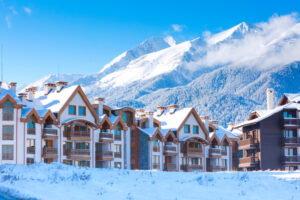
Whistler is one of Canada’s most famous mountain destinations, tucked into British Columbia’s Coast Mountains about 120 kilometers north of Vancouver.
It is best known for Whistler Blackcomb, one of North America’s largest ski resorts, but the town is not only about winter.
In summer, it turns into a playground for mountain biking, hiking, lakes, ziplining, golf, patios, and alpine sightseeing.
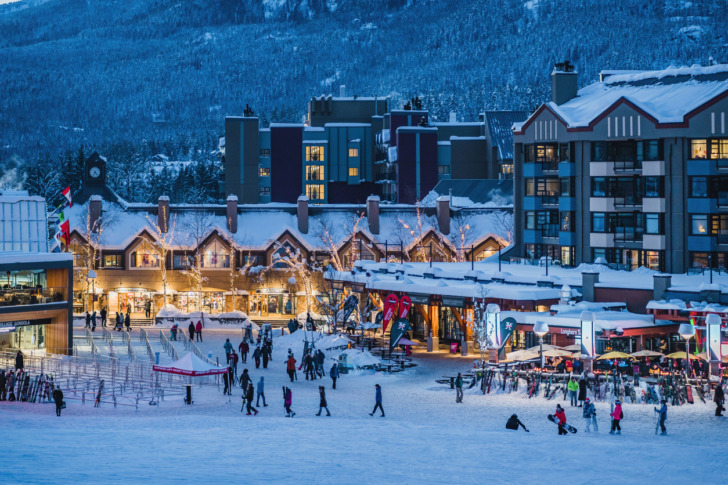
Whistler Village feels polished, international, and easy to navigate, with restaurants, shops, hotels, bars, and lifts all packed into a walkable resort center.
From a safety point of view, Whistler is very safe when it comes to crime, but outdoor risks are real. Snow, avalanches, mountain biking crashes, wildlife, alcohol, icy paths, and remote backcountry terrain deserve respect.
Warnings & Dangers in Whistler

OVERALL RISK: LOW
Whistler is a low-risk destination overall. Violent crime is uncommon, the village is well managed, and tourist infrastructure is excellent. The main risks are outdoor-related: skiing injuries, mountain biking crashes, icy walkways, wildlife encounters, backcountry hazards, alcohol-related incidents, and winter road conditions on the Sea-to-Sky Highway.

TRANSPORT & TAXIS RISK: MEDIUM
Transport risk is medium mainly because of the mountain weather and road conditions. The drive from Vancouver along the Sea-to-Sky Highway is beautiful but can be affected by snow, ice, rain, fog, traffic, and wildlife. In town, shuttles, taxis, buses, and walking are generally safe and easy.

PICKPOCKETS RISK: LOW
Pickpocketing is not a major problem in Whistler, but petty theft can happen in busy village areas, bars, restaurants, ski racks, and hotel lobbies. Do not leave phones, wallets, skis, snowboards, helmets, or bags unattended. Equipment theft is more realistic than classic street pickpocketing.

NATURAL DISASTERS RISK: MEDIUM
Whistler has a medium natural hazard risk because it sits in a serious mountain environment. Avalanches, snowstorms, icy conditions, forest fires, smoke, heavy rain, landslides, and wildlife can affect travel. Most visitors stay within safe resort areas, but backcountry or off-piste travel changes the risk level quickly.

MUGGING RISK: LOW
Mugging is rare in Whistler. The village is busy, well lit, and tourist-focused. Visitors can usually walk around comfortably, even at night. The main late-night risks are intoxication, slips on icy paths, arguments outside bars, and walking alone through quiet areas after drinking.

TERRORISM RISK: LOW
The terrorism risk in Whistler is low. It is a resort town rather than a major political or financial target. As with any popular destination, travelers should stay aware during large events, festivals, and crowded public spaces, but terrorism is not a major concern for a normal trip.

SCAMS RISK: LOW
Scams are uncommon in Whistler, but travelers should watch for fake accommodation listings, overpriced unofficial rentals, unclear activity pricing, and suspicious secondhand lift ticket offers. Book lodging, lessons, rentals, and tours through reputable companies. If a deal looks strangely cheap for Whistler, be careful.

WOMEN TRAVELERS RISK: LOW
Whistler is generally safe for women travelers, including solo travelers. The village, hotels, restaurants, lifts, and shuttles are comfortable and well-used. Women should still use normal caution at night, avoid isolated walks after drinking, and stay alert in bars, parties, and shared accommodations.

TAP WATER RISK: LOW
Tap water in Whistler is safe to drink. Carry a refillable bottle, especially when skiing, hiking, biking, or walking around in summer. Dehydration can sneak up in cold weather too, particularly at altitude, after alcohol, or during long days on the mountain.
Safest Places to Visit in Whistler
Whistler Village
Whistler Village is the safest and easiest place for most travelers to base themselves.
It is pedestrian-friendly, lively, well lit, and full of hotels, restaurants, shops, rental stores, ski lifts, and tour offices.
It is especially convenient because you can walk to many places without needing a car.
The main risks are slippery winter walkways, crowded après-ski bars, and petty theft of unattended items.
Blackcomb Base and Upper Village
Upper Village near Blackcomb is slightly quieter than the main village and is also very safe.
It has hotels, restaurants, lift access, and a calmer resort feel.
It is a good choice for families, couples, and travelers who want easy mountain access without being in the busiest nightlife zone.
Lost Lake Park
Lost Lake Park is one of Whistler’s best safe outdoor areas, especially in summer for walking, swimming, cycling, and relaxing.
In winter, it is popular for cross-country skiing and snowshoeing.
Stick to marked trails, check conditions, and be aware that wildlife can pass through even near developed areas.
Whistler Blackcomb Marked Runs
The marked ski and snowboard runs at Whistler Blackcomb are generally safe when visitors follow signs, stay within their ability level, and respect closures.
The resort has ski patrol, maps, grooming, signage, and managed lift access.
The risk rises when people go too fast, ignore conditions, or enter closed terrain.
Valley Trail
The Valley Trail is a paved, scenic route connecting many parts of Whistler, including neighborhoods, lakes, parks, and the village.
It is safe and useful for walking or biking in good conditions. In winter, watch for ice.
In summer, share the path politely with cyclists, walkers, runners, and families.
Places to Avoid in Whistler
Closed Ski Runs and Rope Lines
Do not duck ropes or enter closed terrain.
Closures exist because of avalanche risk, poor coverage, cliffs, hazards, grooming equipment, or unsafe conditions.
Whistler’s mountains are beautiful, but they are not forgiving when visitors ignore signs.
Stay inside open resort areas unless properly trained and equipped for backcountry travel.
Backcountry Terrain Without Training
The backcountry around Whistler is serious mountain terrain.
Avoid going beyond resort boundaries without avalanche training, proper gear, local knowledge, and partners.
A blue-sky day does not mean safe snow conditions.
If you want a backcountry experience, hire a certified guide.
Icy Village Paths After Dark
In winter, even the village can become slippery.
Avoid rushing down icy paths, stairs, bridges, and parking lots after dark, especially after drinking.
Wear shoes or boots with proper grip.
Many Whistler injuries are not dramatic mountain accidents, but simple slips near hotels and restaurants.
Isolated Trails During Bear Season
Whistler is bear country.
Avoid quiet forest trails alone at dawn, dusk, or after dark, especially in spring, summer, and fall.
Make noise, carry bear spray if heading into remote areas, and never approach wildlife for photos.
If a trail is closed for wildlife activity, take the closure seriously.
Party Areas When Heavily Intoxicated
Whistler has a strong après-ski and nightlife scene.
The village is safe, but alcohol can create problems: falls, fights, lost phones, poor decisions, and unsafe walks back to accommodation.
Avoid wandering alone late at night if intoxicated, and know your route back before going out.
Safety Tips for Traveling to Whistler
- Match your activity to your skill level. Whistler can make people feel ambitious. The mountains are huge, the trails are famous, and everyone seems to be doing something impressive. But the safest choice is to stay honest about your ability. Ski within your level, choose bike trails you can handle, and do not let friends pressure you into terrain that feels too advanced.
- Respect mountain signs and closures. Signs, ropes, and closures are not suggestions. They may mark avalanche danger, exposed rocks, cliffs, unstable snow, maintenance work, wildlife activity, or dangerous trail conditions. Ignoring them can put you and rescuers at risk. Whistler is adventurous enough without inventing extra danger.
- Prepare for changing weather. Mountain weather changes quickly. A sunny morning can turn into snow, rain, fog, wind, or cold temperatures by afternoon. Dress in layers, carry gloves or a shell when needed, and check the forecast before heading up the mountain. In summer, bring sun protection and rain gear if hiking.
- Be careful on the Sea-to-Sky Highway. The drive from Vancouver to Whistler is beautiful, but it deserves attention. Conditions can change with the weather, especially in winter. Drive slowly in rain or snow, use winter tires when required, avoid rushing, and do not stop in unsafe roadside areas for photos. The views are great, but the road is still a road.
- Lock up your gear. Skis, snowboards, bikes, helmets, and bags can be expensive, and theft does happen. Use locks, hotel storage, or secure racks when available. Do not leave gear unattended outside restaurants or bars for long periods. A little caution is much cheaper than replacing a full setup.
- Stay hydrated even in winter. Cold weather tricks people into drinking less water. Skiing, snowboarding, walking, hot tubs, alcohol, and altitude can all dehydrate you. Carry water or take breaks indoors. If you are drinking at après-ski, alternate with water. It sounds boring, but it saves the next morning.
- Take wildlife seriously. Whistler has bears and other wildlife. Never feed animals, never approach them, and never leave food in a car or outside accommodation. If hiking or biking in quieter areas, make noise and stay aware. Seeing wildlife is exciting, but trying to get close for a photo is a classic bad idea.
- Use proper protective equipment. For skiing, snowboarding, biking, ziplining, climbing, or any adventure activity, use the right gear. Helmets are especially important for ski slopes and mountain biking. If renting equipment, make sure it fits properly and ask staff to adjust it. Whistler’s fun level is high, but so is the impact speed.
- Plan late-night transport. Whistler Village is walkable, but accommodations outside the center may require a shuttle, taxi, or bus. Before going out, know how you will get back. This matters in winter when paths are icy and in summer when quiet roads or trails may not be ideal late at night.
- Buy travel insurance that covers activities. Standard travel insurance may not cover skiing, snowboarding, mountain biking, backcountry travel, or adventure sports unless added specifically. Read the policy carefully. Medical care, evacuation, equipment loss, trip interruption, and rescue costs can be expensive. Whistler is safe, but mountain accidents can be costly.
So... How Safe Is Whistler Really?
Whistler is very safe in the way most travelers mean when they ask about safety.
Violent crime is rare, the village is organized, tourists are ordinary, and the resort has strong infrastructure.
Families, solo travelers, couples, women travelers, and older visitors can all feel comfortable here.
But Whistler’s safety profile is different from that of a city or beach destination.
The real danger is the mountain environment.
Skiing, snowboarding, mountain biking, hiking, and backcountry travel all carry risk.
Most accidents happen when visitors go beyond their ability, ignore closures, drink too much, underestimate weather, or treat outdoor activities casually.
The village itself is low risk, though petty theft and gear theft can happen.
Nightlife adds another layer of risk, mostly from alcohol-related slips, falls, arguments, and lost belongings.
Winter also brings icy sidewalks and road conditions that can surprise visitors who are not used to mountain towns.
Overall, Whistler is low risk for ordinary resort travel and medium risk for adventure activities or backcountry terrain.
If you stay within marked areas, use proper gear, respect weather, and keep your valuables secure,
Whistler is one of the safest and most enjoyable mountain destinations in North America.
How Does Whistler Compare?
| City | Safety Index |
|---|---|
| Whistler |
88 |
| Toronto |
83 |
| Thunder Bay |
65 |
| Banff |
91 |
| Hamilton |
76 |
| Ottawa |
83 |
| Saskatoon |
73 |
 Lee’s Summit Lee’s Summit | 78 |
| Glendive | 82 |
| Rancho Cucamonga | 91 |
| Newport City | 78 |
| Broken Bow | 48 |
| Wamego | 83 |
Useful Information

Visas
Whistler is in Canada, so entry rules depend on your nationality. Many visitors need an Electronic Travel Authorization or a visitor visa before arrival. US citizens do not need either for tourism, but must carry valid travel documents. Check your passport validity and entry requirements before booking.

Currency
Whistler uses the Canadian dollar. Credit and debit cards are widely accepted in hotels, restaurants, shops, and activity providers. Cash is useful for tips, small purchases, lockers, and backup. Whistler is expensive, so expect higher prices for lodging, food, rentals, lift tickets, and tours.

Weather
Whistler has snowy winters, mild summers, and changeable mountain weather. Winter visitors need warm layers, waterproof outerwear, gloves, and shoes with grip. Summer visitors should pack light layers, sunscreen, hiking shoes, and rain protection. Conditions can be much cooler at elevation than in the village.

Airports
The nearest major airport is Vancouver International Airport. From there, travelers usually reach Whistler by shuttle, rental car, private transfer, or bus along the Sea-to-Sky Highway. The trip usually takes around 2 to 3 hours, depending on weather, traffic, and road conditions.

Travel Insurance
Travel insurance is strongly recommended for Whistler, especially if you plan to ski, snowboard, mountain bike, hike, zipline, or drive in winter. Make sure your policy covers adventure sports, medical care, emergency evacuation, cancellations, delays, lost luggage, and expensive gear. Standard policies may exclude high-risk activities.
Whistler Weather Averages (Temperatures)
Average High/Low Temperature
| Temperature / Month | Jan | Feb | Mar | Apr | May | Jun | Jul | Aug | Sep | Oct | Nov | Dec |
|---|---|---|---|---|---|---|---|---|---|---|---|---|
| High °C |
-1 | 2 | 7 | 11 | 18 | 20 | 25 | 25 | 19 | 11 | 4 | -1 |
| Low °C |
-6 | -2 | -2 | 0 | 4 | 7 | 11 | 11 | 9 | 3 | 0 | -5 |
| High °F |
30 | 36 | 45 | 52 | 64 | 68 | 77 | 77 | 66 | 52 | 39 | 30 |
| Low °F |
21 | 28 | 28 | 32 | 39 | 45 | 52 | 52 | 48 | 37 | 32 | 23 |
Canada - Safety by City
| City | Safety Index |
|---|---|
| Abbotsford | 83 |
| Banff | 91 |
| Brampton | 82 |
| Burnaby | 65 |
| Calgary | 85 |
| Charlottetown | 88 |
| Coquitlam | 86 |
| Edmonton | 86 |
| Fredericton | 87 |
| Guelph | 84 |
| Halifax | 79 |
| Hamilton | 76 |
| Jasper | 90 |
| Kelowna | 76 |
| Kitchener | 75 |
| Mississauga | 85 |
| Montreal | 82 |
| Nanaimo | 32 |
| Niagara Falls | 87 |
| Oakville | 83 |
| Oshawa | 42 |
| Ottawa | 83 |
| Quebec City | 88 |
| Red Deer | 32 |
| Regina | 74 |
| Saskatoon | 73 |
| Sherbrooke | 82 |
| Thunder Bay | 65 |
| Tofino | 86 |
| Toronto | 83 |
| Vancouver | 80 |
| Victoria | 82 |
| Whistler | 88 |
| Windsor | 81 |
| Winnipeg | 78 |