


 Canada : Safety by City
- Abbotsford
- Banff
- Brampton
- Burnaby
- Calgary
- Charlottetown
- Coquitlam
- Edmonton
- Fredericton
- Guelph
- Halifax
- Hamilton
- Jasper
- Kelowna
- Kitchener
- Mississauga
- Montreal
- Nanaimo
- Niagara Falls
- Oakville
- Oshawa
- Ottawa
- Quebec City
- Red Deer
- Regina
- Saskatoon
- Sherbrooke
- Thunder Bay
- Tofino
- Toronto
- Vancouver
- Victoria
- Whistler
- Windsor
- Winnipeg
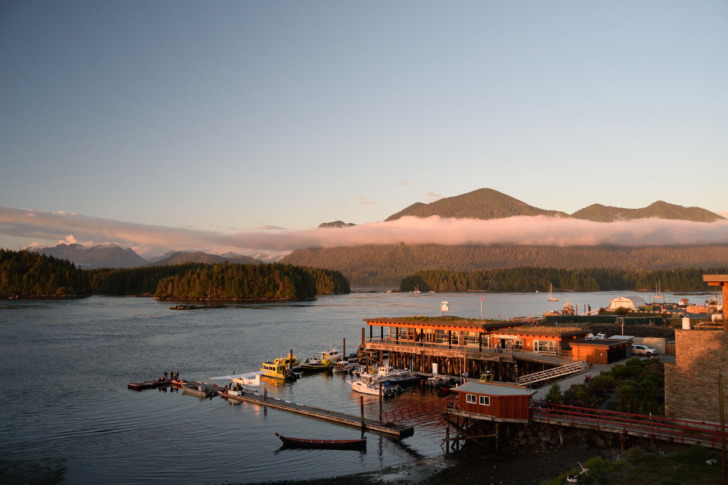
Tofino is one of Canada’s most dramatic coastal escapes, sitting on the wild west coast of Vancouver Island in British Columbia.
It is small, remote, misty, beautiful, and surrounded by rainforest, beaches, ocean swells, and the protected landscapes of Clayoquot Sound and Pacific Rim National Park Reserve.
Travelers come for surfing, whale watching, storm watching, beach walks, kayaking, hiking, hot springs tours, wildlife viewing, and that cozy cabin-in-the-rain feeling that makes bad weather suddenly seem like a lifestyle choice.
Tofino is very safe from a crime perspective, but it is not a soft destination.
The real risks are ocean conditions, cold water, storms, remote roads, wildlife, slippery trails, tsunami awareness, limited medical access, and visitors underestimating how powerful the Pacific coast can be.
Warnings & Dangers in Tofino

OVERALL RISK: LOW
Tofino is a low-risk destination for most travelers. Violent crime is rare, the town is small, and tourist areas feel relaxed and friendly. The bigger concerns are environmental: ocean safety, storms, slippery trails, wildlife, driving conditions, and limited services during peak season or bad weather. Prepared visitors should feel very comfortable.

TRANSPORT & TAXIS RISK: MEDIUM
Transport is safe, but Tofino is remote and easiest with a car. Highway 4 is scenic but winding, narrow in places, and vulnerable to weather, closures, construction, and poor visibility. Local taxis, shuttles, bike paths, and tours exist, but options are limited compared with larger cities. Plan rides ahead, especially at night.

PICKPOCKETS RISK: LOW
Pickpocketing is uncommon in Tofino. The town does not have the dense crowds where this usually thrives. Still, keep belongings secure at beaches, cafes, surf shops, tour offices, and busy summer areas. Car break-ins and unattended beach bags are more realistic concerns than classic pickpocketing.

NATURAL DISASTERS RISK: MEDIUM
Tofino has a medium natural risk because of its Pacific coast location. Storms, high surf, heavy rain, landslides, power outages, wildfire smoke, earthquakes, and tsunami risk all matter. Most visits are safe, but travelers should understand evacuation routes, respect storm warnings, and avoid beaches during dangerous surf conditions.

MUGGING RISK: LOW
Mugging is very rare in Tofino. The town center, waterfront, resorts, restaurants, and main tourist areas are generally safe. Still, avoid isolated beach areas or dark forest paths late at night, especially alone or after drinking. In Tofino, nature is a much bigger concern than street crime.

TERRORISM RISK: LOW
The terrorism risk in Tofino is very low. It is a remote coastal tourism town, not a major political, financial, or transport target. Standard public awareness is more than enough. Travelers are far more likely to deal with rain, ferry timing, road delays, or rough surf than terrorism.

SCAMS RISK: LOW
Scams are uncommon in Tofino. The main issue is high pricing and limited availability, especially in summer, holidays, and storm-watching season. Book accommodation, surf lessons, whale watching, and popular tours through reputable providers. Be cautious with suspiciously cheap vacation rentals or unclear cancellation terms.

WOMEN TRAVELERS RISK: LOW
Tofino is safe for women travelers, including solo travelers. The town is relaxed, walkable in central areas, and visitor-friendly. Normal precautions still apply: avoid isolated beaches at night, use trusted transport after drinking, choose guided tours for remote activities, and let someone know your plans if hiking or paddling alone.

TAP WATER RISK: LOW
Tap water in Tofino is safe to drink. Bring a reusable bottle for beach walks, hikes, surfing days, and long drives. For backcountry streams, lakes, or remote camping areas, filter or treat water before drinking. Do not assume natural water is safe just because it looks clean.
Safest Places to Visit in Tofino
Tofino Village
Tofino village is the safest and easiest place to start.
It has restaurants, cafes, galleries, surf shops, tour offices, docks, small markets, and views over the inlet.
The area is relaxed and walkable, especially during the day.
The main things to watch are limited parking, wet sidewalks, and summer crowds around restaurants and tour departures.
It is not a place where I would worry much about crime.
Chesterman Beach
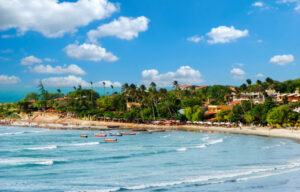
Chesterman Beach is one of Tofino’s most famous and safest beach areas when visited with normal ocean awareness.
It is popular with walkers, surfers, families, photographers, and dog owners.
The beach is wide and beautiful, but the water is cold, and conditions can change.
Swim and surf only within your ability, watch children closely, and never turn your back on rough surf.
Cox Bay
Cox Bay is a major surfing beach and a safe, lively spot during the day.
It is especially good if you want to watch surfers or take a lesson with a reputable school.
The main risk is the ocean, not people.
Rip currents, cold water, and strong waves are real concerns.
Beginners should take lessons rather than improvise with rented gear.
Pacific Rim National Park Reserve
The nearby Pacific Rim National Park Reserve is one of the area’s biggest highlights, with beaches, rainforest trails, boardwalks, and coastal scenery.
It is safe when you stay on marked trails and respect conditions.
Rainforest paths can be slippery, beaches can have dangerous surf, and weather can shift quickly.
Bring layers, proper shoes, and patience for rain.
Tonquin Trail
Tonquin Trail is a good low-pressure option close to town, offering forest paths and coastal views.
It is generally safe and popular, but the trail can be muddy or slick after rain.
Visit during daylight, wear shoes with grip, and stay on marked paths.
It is a great choice if you want nature without committing to a major hike.
Places to Avoid in Tofino
Beaches During Storm Warnings
Tofino is famous for storm watching, but there is a huge difference between watching storms safely from a lodge and standing too close to violent surf.
Avoid beaches during high surf warnings, strong storms, or dangerous tide conditions.
Sneaker waves and logs moved by surf can be deadly.
The ocean is not a spectator sport from the waterline.
Remote Beaches Alone After Dark
Tofino’s beaches are peaceful, but isolated beaches at night are not ideal.
The risks include poor visibility, cold water, uneven sand, wildlife, tide changes, and lack of immediate help.
If you want a sunset walk, go earlier and return before it gets fully dark.
Carry a flashlight if staying out late.
Forest Trails in High Wind
Rainforest trails are beautiful, but high winds can bring falling branches or trees.
Avoid wooded trails during serious windstorms.
Even short walks can become risky when the forest is moving above you.
Storm watching is better from secure indoor viewpoints, not under old trees having a bad day.
Unmarked Shoreline and Tidal Areas
Rocky edges, tide pools, and remote shoreline areas can be slippery and unpredictable.
Avoid climbing over wet rocks, walking into unfamiliar tidal zones, or exploring without knowing tide times.
Getting stranded or slipping near cold water is a much more realistic problem than crime in Tofino.
Highway 4 During Severe Weather
Highway 4 is the main road into Tofino, and it can be affected by heavy rain, fog, fallen trees, construction, crashes, and closures.
Avoid unnecessary driving in severe weather, especially after dark.
If you are traveling in winter, build extra time into your arrival and departure plans.
Safety Tips for Traveling to Tofino
- Respect the ocean completely. This is the most important safety rule in Tofino. The Pacific is cold, powerful, and unpredictable. Rip currents, sneaker waves, logs, sudden tide changes, and rough surf can catch people off guard. Do not turn your back on the ocean near the waterline, keep children close, and avoid swimming unless conditions are clearly safe. If you are surfing, know your limits.
- Take surf lessons if you are a beginner. Tofino is one of Canada’s great surf destinations, but beginners should not just rent a board and guess. Lessons help you understand currents, etiquette, board control, cold-water gear, and safe entry points. A wetsuit is usually necessary, and conditions vary by beach. Surfing is fun. Being dragged around by the Pacific like laundry is less fun.
- Check tide and weather conditions. Before beach walks, hikes, kayaking, boat tours, or storm watching, check conditions. Tides can affect access, waves can become dangerous, and storms can change plans quickly. This is especially important in winter and during shoulder seasons. Tofino rewards flexible travelers who let the weather boss them around a little.
- Do not leave valuables in your car. Car break-ins can happen at trailheads, beach lots, and scenic stops. Do not leave backpacks, cameras, laptops, wallets, passports, or luggage visible. If you must leave items in the car, hide them before arriving, not while someone might be watching. Better yet, bring only what you need for the day.
- Pack rain gear. Tofino is part of a wet coastal rainforest region, so rain is not an interruption. It is part of the trip. Bring a waterproof jacket, shoes that can handle mud, and layers that dry reasonably well. Umbrellas are less useful in the wind. Dressing properly turns rainy days from miserable to atmospheric.
- Know tsunami evacuation routes. Tofino’s coast is beautiful, but it is also in a region where tsunami awareness matters. Learn the evacuation signs and know where higher ground is near your accommodation and beaches. If you feel strong or long shaking, move inland and uphill immediately. Do not wait for someone to personally invite you to leave the beach.
- Use reputable wildlife and boat tour operators. Whale watching, bear watching, kayaking, fishing, and hot springs tours can be incredible, but weather and marine conditions matter. Choose professional operators with proper safety equipment, clear briefings, and realistic cancellation policies. Wear the provided gear, follow instructions, and do not pressure operators to go out when conditions are poor.
- Be wildlife-aware. Black bears, wolves, cougars, and other wildlife live in the broader area, even if visitors rarely see them in town. Never feed wildlife, keep food secure, give animals space, and follow park guidance. If camping or hiking, store food properly. Wildlife encounters are usually avoidable when people behave sensibly.
- Plan accommodation and restaurants ahead. Tofino is small and popular. In summer, holidays, and storm-watching season, lodging and restaurants can book up quickly. Last-minute planning can leave you with expensive rooms, long waits, or awkward transport. Booking ahead is not just convenient here. It prevents stress in a remote place with limited capacity.
- Bring offline maps and backup plans. Cell service can be patchy outside central areas, and weather can change road, trail, and tour plans. Download maps, save accommodation details, and keep your phone charged. If your boat tour is canceled or a road delay happens, having backup ideas like rainforest walks, cafes, galleries, or spa time keeps the day from falling apart.
So... How Safe Is Tofino Really?
Tofino is very safe for travelers when it comes to crime.
It is a small, tourism-focused community with a relaxed feel, friendly local businesses, and a strong outdoor culture.
Most visitors will feel comfortable walking around town, eating out, booking tours, visiting beaches, and exploring nearby park areas.
Families, couples, solo travelers, surfers, photographers, and road-trippers can all enjoy Tofino safely.
The real safety picture is environmental.
Tofino sits on the wild edge of the Pacific, and that means cold water, strong surf, storms, slippery trails, remote roads, wildlife, and tsunami awareness.
It is not dangerous if you prepare, but it can become risky when visitors treat it like an ordinary beach town.
The ocean is powerful, the weather is moody, and services are more limited than in big resort cities.
I would rate Tofino as low risk overall, with medium risk for ocean activities, storm season, remote hiking, and road access.
The safest travelers respect the surf, check conditions, use reputable tour operators, secure valuables, and leave room for weather changes.
Do that, and Tofino is one of Canada’s safest, wildest, and most memorable coastal destinations.
How Does Tofino Compare?
| City | Safety Index |
|---|---|
| Tofino |
86 |
| Red Deer |
32 |
| Jasper |
90 |
| Mississauga |
85 |
| Victoria |
82 |
| Kelowna |
76 |
| Quebec City |
88 |
 Des Moines Des Moines | 76 |
| Appleton | 83 |
| Lake Havasu City | 73 |
| Cranston | 88 |
| Smithville | 84 |
| Montgomery | 77 |
Useful Information

Visas
Tofino is in Canada, so entry rules depend on your nationality. Many travelers need either an Electronic Travel Authorization or a visitor visa. U.S. citizens usually do not need an Electronic Travel Authorization when entering by air, but they still need valid travel documents. Tourist stays are often allowed for up to 6 months, depending on border approval.

Currency
Tofino uses the Canadian dollar. Credit and debit cards are widely accepted in hotels, restaurants, surf shops, tour offices, and stores. Cash is useful for tips, markets, small purchases, and backup. Prices can be high, especially for accommodation, dining, surf lessons, and wildlife tours, so budget accordingly.

Weather
Tofino has a mild, wet coastal climate. Summers are comfortable and popular, while fall and winter bring rain, wind, storms, and excellent storm-watching conditions. Pack layers, waterproof outerwear, sturdy shoes, and warm clothing for beach walks. Even in summer, evenings can feel cool near the ocean.

Airports
Tofino has a small regional airport with limited service. Many visitors arrive through Vancouver, Victoria, Nanaimo, or Comox, then continue by ferry and road or by connecting flight. The drive from eastern Vancouver Island crosses winding Highway 4, so allow extra time and check road conditions before leaving.

Travel Insurance
Travel insurance is strongly recommended for Tofino, especially if you are flying, taking ferries, driving long distances, surfing, kayaking, joining wildlife tours, or booking expensive accommodation. Good coverage should include medical care, cancellations, delays, lost luggage, rental car issues, and adventure activities if they are part of your trip.
Tofino Weather Averages (Temperatures)
Average High/Low Temperature
| Temperature / Month | Jan | Feb | Mar | Apr | May | Jun | Jul | Aug | Sep | Oct | Nov | Dec |
|---|---|---|---|---|---|---|---|---|---|---|---|---|
| High °C |
8 | 9 | 10 | 12 | 14 | 17 | 19 | 19 | 17 | 13 | 10 | 8 |
| Low °C |
3 | 2 | 3 | 5 | 7 | 10 | 11 | 12 | 9 | 6 | 4 | 2 |
| High °F |
46 | 48 | 50 | 54 | 57 | 63 | 66 | 66 | 63 | 55 | 50 | 46 |
| Low °F |
37 | 36 | 37 | 41 | 45 | 50 | 52 | 54 | 48 | 43 | 39 | 36 |
Canada - Safety by City
| City | Safety Index |
|---|---|
| Abbotsford | 83 |
| Banff | 91 |
| Brampton | 82 |
| Burnaby | 65 |
| Calgary | 85 |
| Charlottetown | 88 |
| Coquitlam | 86 |
| Edmonton | 86 |
| Fredericton | 87 |
| Guelph | 84 |
| Halifax | 79 |
| Hamilton | 76 |
| Jasper | 90 |
| Kelowna | 76 |
| Kitchener | 75 |
| Mississauga | 85 |
| Montreal | 82 |
| Nanaimo | 32 |
| Niagara Falls | 87 |
| Oakville | 83 |
| Oshawa | 42 |
| Ottawa | 83 |
| Quebec City | 88 |
| Red Deer | 32 |
| Regina | 74 |
| Saskatoon | 73 |
| Sherbrooke | 82 |
| Thunder Bay | 65 |
| Tofino | 86 |
| Toronto | 83 |
| Vancouver | 80 |
| Victoria | 82 |
| Whistler | 88 |
| Windsor | 81 |
| Winnipeg | 78 |














Got caught in a sudden downpour while hiking here and it was oddly peaceful, like the wildness really gets under your skin.
Yeah sure, nothing like realizing halfway through a hike that your phone has zero signal and the nearest help is miles away while a storm brews.