


 Canada : Safety by City
- Abbotsford
- Banff
- Brampton
- Burnaby
- Calgary
- Coquitlam
- Edmonton
- Halifax
- Hamilton
- Jasper
- Kelowna
- Kitchener
- Mississauga
- Montreal
- Nanaimo
- Niagara Falls
- Oshawa
- Ottawa
- Quebec City
- Red Deer
- Regina
- Saskatoon
- Thunder Bay
- Tofino
- Toronto
- Vancouver
- Victoria
- Whistler
- Windsor
- Winnipeg
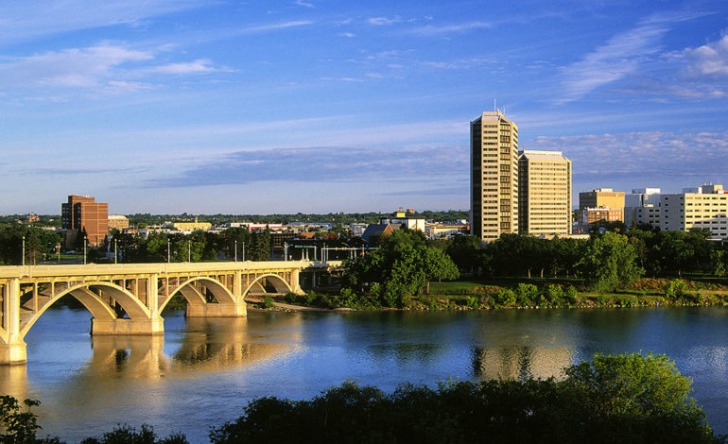
Saskatoon sits in the heart of Saskatchewan, stretched along the South Saskatchewan River and tied together by a series of handsome bridges that have helped earn it the nickname “Paris of the Prairies.”
At first glance, it feels like a city that surprises people.
You get wide prairie skies, a growing food scene, riverfront trails, modern museums, and a university city energy that keeps things from ever feeling sleepy.
It is not a giant metropolis, which helps make it manageable for travelers, but it is also not a tiny town where nothing happens.
Saskatoon has the usual mix of safe tourist-friendly areas and pockets where common sense matters more.
In my view, it is a destination that rewards visitors who stay aware of their surroundings, especially at night, while still offering plenty of enjoyable and low-stress experiences for most tourists.
Warnings & Dangers in Saskatoon

OVERALL RISK: MEDIUM
Saskatoon is generally manageable for travelers, but I would not call it risk-free. Most visits go smoothly, especially if you stick to central attractions, the riverfront, and well-reviewed hotels. The main concerns are street disorder, property crime, and certain neighborhoods with higher rates of violent incidents than the average tourist might expect in a Canadian city.

TRANSPORT & TAXIS RISK: LOW
Getting around Saskatoon is usually straightforward. Roads are easy to navigate, taxis and rideshares are available, and the airport connection to the city is simple. The bigger issue is winter driving, since snow, ice, and extreme cold can make road conditions rough. If you are visiting in colder months, allow extra travel time and avoid last-minute night trips.

PICKPOCKETS RISK: LOW
Classic pickpocketing is not the first thing I would worry about in Saskatoon. This is not the kind of city where organized teams target tourists in packed plazas all day long. Still, theft can happen in bars, parking lots, festivals, and busy public places. Keep your phone, wallet, and bag secure, especially when distracted.

NATURAL DISASTERS RISK: LOW
Saskatoon does not face the kind of natural disaster risk you see in hurricane or earthquake zones. That said, weather can be serious. Winter cold can become dangerous quickly, and blizzards, icy roads, and poor visibility can disrupt plans. In warmer months, smoke, storms, and occasional flood concerns can affect comfort and transportation.

MUGGING RISK: MEDIUM
Mugging is not a daily tourist experience here, but it is not something I would dismiss either. The risk rises late at night, around isolated streets, poorly lit areas, and neighborhoods with heavier street disorder. Travelers who walk alone after dark, especially while visibly intoxicated or distracted, increase their chances of becoming an easy target.

TERRORISM RISK: LOW
The terrorism risk in Saskatoon is low. For most travelers, this is not a practical day-to-day safety concern. Your attention is better spent on everyday urban awareness, such as knowing where you are, avoiding confrontations, and not wandering into unfamiliar areas late at night just because the city feels smaller than Toronto or Vancouver.

SCAMS RISK: LOW
Tourist scams are not a major issue in Saskatoon. You are far more likely to encounter ordinary nuisances like overpriced services, online rental fraud, or someone asking for money with a suspicious story than a polished travel scam. Use official booking platforms, verify addresses, and do not leave valuables visible in your car.

WOMEN TRAVELERS RISK: LOW
Women can usually travel in Saskatoon without major problems, especially in daytime and in busy central areas. Still, the same nighttime rules apply here as in any city. Avoid isolated walks after dark, keep an eye on your drink, and use rideshares or taxis if you are out late instead of trying to walk back alone.

TAP WATER RISK: LOW
Tap water in Saskatoon is generally safe to drink. For most travelers, bottled water is unnecessary unless you simply prefer the taste. If you are staying in an older property, let the tap run briefly if the water has been sitting for a long time. During any temporary advisory, follow local guidance rather than guessing.
Safest Places to Visit in Saskatoon
River Landing and the Meewasin Trail
If you want the part of Saskatoon that feels easiest and most comfortable for visitors, start along the river.
River Landing is polished, scenic, and ideal for walking during the day or early evening.
The Meewasin Trail gives you lovely river views, bridges, public art, and enough foot traffic that you rarely feel isolated in the main sections.
It is the city at its most relaxed.
Broadway District
Broadway has that easygoing neighborhood charm travelers usually love.
You will find cafes, shops, local restaurants, and a lively but not overwhelming atmosphere.
It feels more personal than corporate, and during the day it is one of the nicest places to wander without overplanning.
At night, it is still enjoyable, but I would stay on the busier blocks.
University Area and Nearby Green Spaces
The University of Saskatchewan area tends to feel structured and active, which usually adds a layer of comfort for visitors.
The campus itself is attractive, and nearby parks and public areas are good for daytime exploring.
This is also a smart zone for travelers who prefer accommodations in areas with a steady flow of students, staff, and regular activity.
Wanuskewin and Family-Friendly Attractions
For a calmer outing, places like Wanuskewin and the Western Development Museum offer a more contained visitor experience.
These spots are especially good for families, road-trippers, and people who want culture without nightlife concerns.
They are not just safe choices, they are also genuinely worthwhile and give you a better sense of the region beyond downtown.
Places to Avoid in Saskatoon
Parts of Pleasant Hill
Pleasant Hill is the area most often mentioned when locals talk about trouble spots.
That does not mean every block is dangerous every minute of the day, but it does mean travelers have little reason to wander here casually, especially after dark.
Street disorder and violent incidents have given the neighborhood a reputation that visitors should take seriously rather than argue with.
Areas Near St. Paul’s Hospital Late at Night
The area around St. Paul’s Hospital can feel very different depending on the hour.
In daytime, you may simply pass through without issue.
Late at night, though, the atmosphere can become less predictable, with more visible street activity, intoxication, and conflict.
I would not book a hotel here unless I had a specific reason and knew the exact location well.
Isolated Industrial or Poorly Lit Streets
One of the mistakes travelers make in smaller cities is assuming every quiet street is harmless.
In Saskatoon, empty industrial sections, back lanes, and poorly lit side streets can feel deserted fast.
That is not automatically dangerous, but it is not smart wandering territory either.
If Google Maps leads you through somewhere that feels off, trust your instincts and reroute.
Bar Areas After Closing Time
Saskatoon’s nightlife is not wild compared with bigger cities, but the usual late-night issues still show up.
After bars close, arguments, drunk behavior, and opportunistic theft become more likely.
This is less about one single district and more about timing.
A street that feels perfectly pleasant at 8 p.m. can feel much less comfortable at 2 a.m.
Safety Tips for Traveling to Saskatoon
- Choose your hotel area carefully. This matters more in Saskatoon than some visitors expect. A decent hotel in the riverfront, downtown core, Broadway area, or near the university will usually make your trip feel far smoother. Saving a little money on the wrong block can change your whole impression of the city.
- Do not treat the city as harmless just because it is smaller. Smaller cities can create a false sense of security. Saskatoon is easy to navigate, but that does not mean every area is equally comfortable. Stay aware, especially at night, and do not assume quiet streets are automatically safe streets.
- Avoid wandering on foot late at night. If you have been out for dinner or drinks, call a taxi or rideshare rather than turning the trip back into an adventure. Nighttime is when the gap between the safer and rougher parts of Saskatoon becomes more noticeable.
- Keep valuables out of sight in your vehicle. Car break-ins and theft from vehicles are a bigger practical concern than tourist pickpocketing. Do not leave bags, chargers, shopping, passports, or even loose coins visible. A clean car interior sends the right message.
- Dress for the weather, not the postcard. Saskatoon’s weather can turn a minor inconvenience into a real safety issue. In winter, pack insulated boots, gloves, a heavy coat, and layers. In shoulder seasons, bring clothing for sudden changes, wind, and cold evenings even if the afternoon seems mild.
- Stick to active, well-lit routes. This is especially important if you are walking around downtown or crossing between neighborhoods. Use main streets, busier sidewalks, and areas with open businesses rather than shortcuts through back lanes, parking lots, or empty side streets.
- Watch your alcohol intake on nights out. A lot of travel problems begin with being too relaxed, too distracted, or too intoxicated. Keep track of your drink, know how you are getting back, and avoid arguing with strangers. That advice works anywhere, but it matters here too.
- Use local advice. Ask hotel staff or trusted locals if an area is fine to walk through at a certain hour. Residents usually know which places are just “not pretty” and which places are genuinely better avoided. That kind of practical advice is often more useful than a map.
- Prepare for winter transport delays. Snow, ice, and extreme cold can affect more than comfort. They can slow traffic, complicate airport transfers, and make walking unpleasant or even unsafe. Build slack into your schedule if you are visiting between late fall and early spring.
- Get travel insurance. Even in a relatively stable destination, insurance is worth it. Flights get delayed, luggage goes missing, weather disrupts plans, and medical issues can happen anywhere. A good policy is not just for dramatic disasters. It is for annoying real-world travel problems too.
So... How Safe Is Saskatoon Really?
Saskatoon is one of those cities where the honest answer sits in the middle.
It is not a place most tourists should fear, but it is also not a destination where I would recommend turning your brain off.
The city has a visible gap between its pleasant visitor-facing side and the reality of crime and street disorder in certain areas.
That is why experiences can vary so much.
One traveler may remember river walks, good food, and friendly people.
Another may leave thinking the city felt rougher than expected.
What tips the balance in Saskatoon’s favor is that most travelers can avoid trouble with simple decisions.
Stay in the right area, avoid unnecessary late-night walking, keep your car empty, and do not go exploring random neighborhoods out of curiosity.
If you do that, the city is usually quite manageable.
I would rate Saskatoon as reasonably safe for tourists who use normal urban awareness.
Families, couples, solo travelers, and business visitors can all enjoy it, but it is best approached with realistic expectations.
This is a city where location and timing matter.
Get those two things right, and Saskatoon is far more enjoyable than its rough edges might suggest.
How Does Saskatoon Compare?
| City | Safety Index |
|---|---|
| Saskatoon |
73 |
| Ottawa |
83 |
| Winnipeg |
78 |
| Halifax |
79 |
| Nanaimo |
32 |
| Burnaby |
65 |
| Red Deer |
32 |
 Jackson Jackson | 42 |
 Kathmandu Kathmandu | 60 |
| Wisconsin | 64 |
| Virginia City | 79 |
| Oro Valley | 92 |
| Wildwood | 51 |
Useful Information

Visas
Canada’s entry rules depend on your nationality. Many travelers need either a visitor visa or an electronic travel authorization before flying in, while U.S. citizens generally do not need a visa for short tourist visits. Always check the latest requirements before booking, since approval rules, fees, and processing times can vary by passport.

Currency
Saskatoon uses the Canadian dollar. Credit and debit cards are widely accepted, so you usually do not need much cash. If you want local currency, use bank machines or exchange services in reputable locations rather than airport counters, which often offer weaker rates. Small amounts of cash are handy for tips and minor purchases.

Weather
Expect big seasonal swings. Winters are long, cold, and capable of delivering serious wind chill, while summers are warm and pleasant. Spring and fall can be unpredictable, with chilly mornings and milder afternoons. Pack layers year-round, and in winter bring serious cold-weather gear rather than assuming a fashionable coat will be enough.

Airports
The main gateway is Saskatoon John G. Diefenbaker International Airport, which sits close to the city and is easy to reach by taxi, rideshare, rental car, or hotel shuttle if available. For most travelers, airport access is one of Saskatoon’s simpler travel logistics, and the ride into central areas is usually quick.

Travel Insurance
Travel insurance is a smart buy for Saskatoon, especially because weather can disrupt flights and winter conditions can complicate plans fast. A solid policy should cover medical emergencies, trip interruptions, and baggage issues. Even if the city feels easygoing, travel insurance is one of those things you appreciate most when something small goes wrong.
Saskatoon Weather Averages (Temperatures)
Average High/Low Temperature
| Temperature / Month | Jan | Feb | Mar | Apr | May | Jun | Jul | Aug | Sep | Oct | Nov | Dec |
|---|---|---|---|---|---|---|---|---|---|---|---|---|
| High °C |
-10 | -7 | 1 | 11 | 18 | 22 | 25 | 24 | 18 | 10 | -1 | -9 |
| Low °C |
-21 | -18 | -10 | -1 | 5 | 10 | 12 | 11 | 5 | -2 | -10 | -18 |
| High °F |
14 | 19 | 34 | 52 | 64 | 72 | 77 | 75 | 64 | 50 | 30 | 16 |
| Low °F |
-6 | -0 | 14 | 30 | 41 | 50 | 54 | 52 | 41 | 28 | 14 | -0 |
Canada - Safety by City
| City | Safety Index |
|---|---|
| Abbotsford | 83 |
| Banff | 91 |
| Brampton | 82 |
| Burnaby | 65 |
| Calgary | 85 |
| Coquitlam | 86 |
| Edmonton | 86 |
| Halifax | 79 |
| Hamilton | 76 |
| Jasper | 90 |
| Kelowna | 76 |
| Kitchener | 75 |
| Mississauga | 85 |
| Montreal | 82 |
| Nanaimo | 32 |
| Niagara Falls | 87 |
| Oshawa | 42 |
| Ottawa | 83 |
| Quebec City | 88 |
| Red Deer | 32 |
| Regina | 74 |
| Saskatoon | 73 |
| Thunder Bay | 65 |
| Tofino | 86 |
| Toronto | 83 |
| Vancouver | 80 |
| Victoria | 82 |
| Whistler | 88 |
| Windsor | 81 |
| Winnipeg | 78 |











Nah, terrorism doesn't make sense
I refuse to believe that the terrorism level is Medium, a city like Toronto or Vancouver are at low and they are major cities with actual terrorism happening, Saskatoon is a tiny town in Saskatchewan with an airport that has a runway that can’t be used by most modern aircraft, I don’t think ISIS can even find this on a map.
This needs to be updated lol. Population is now at 330, 000!
DANGEROUS
EXTREME GANG ACTIVITY, TARGETS EVERYONE. WORSE THAN DETROIT. Buses there (there are no trains) suck and random detours happen. Taxis there are a scam – drivers will randomly increase price, refuse to show rates, etc. There are little hotels in the avenues, most on the west side are Confederation (at least). DO NOT EVER, EVER get a ground floor hotel room. DRESS CONSERVATIVELY BETWEEN 18th-39th STREET. DO NOT SHOW LEGS, SHOULDERS, CLEAVAGE, ETC. Women (and men!) would benefit from head covering. DO NOT leave children unattended — not until they’re visibly over the age of 14. NEVER travel to Saskatoon via intercity buses due to homicide risks. DO NOT drive during winter if you are not accustomed to driving in heavy snow and low visibility – use public transportation and CHECK UPDATES HOURLY AT THE VERY LEAST. NEVER leave your door unlocked or window open. Do not talk to any locals unless they are an employee at an establishment you are visiting. DO NOT visit locally-owned restaurants, and if you must, DO NOT order meat, fish, or dairy products. If you MUST deal in change, use coins on the west side and bills on the east side. NEVER travel by bicycle. NEVER leave items unattended. NEVER walk without closed-toed shoes. STAY ON MAIN ROADS. NEVER go down back roads or smaller roads. NEVER make ANY hand gestures. DO NOT walk down residential streets. DO NOT drive down residential streets unless absolutely necessary. If your accommodation is ANYWHERE between 18th-38th street, DO NOT STAY THERE. BRING EXCESS WATER IN GENERIC/PLASTIC WATER BOTTLES IN THE SUMMER. WEAR LAYERS IN THE WINTER. Good luck, mate. You’ll need it.
There’s something special about walking along the river and seeing all those bridges; it really captures the vibe of the city, especially during festival season when everything feels alive.
Did you really get a chance to check out the jazz festival? That vibe with the river by the Bessborough must have been something else!
Did you ever cross one of the bridges at sunset and get that lump in your throat while the Bessborough’s lights shimmered on the South Saskatchewan?
Seeing those bridges glow over the river at dusk still makes my chest tighten, and the warm smell of cut grass on summer nights is why I keep coming back even though I always stay a bit more alert after dark.
That stretch along the South Saskatchewan River at sunset, with the bridges all lit up, actually made me stop and grin.
Nice bridges and trails, but when I walked the river trail at dusk I felt a bit uneasy about how quiet some stretches were.
I spent an afternoon wandering the riverfront trails and was really struck by how peaceful it felt despite being in a city; do you find that vibe stays the same during busier times of year or does it get more hectic?