


 Canada : Safety by City
- Abbotsford
- Banff
- Brampton
- Burnaby
- Calgary
- Coquitlam
- Edmonton
- Halifax
- Hamilton
- Jasper
- Kelowna
- Kitchener
- Mississauga
- Montreal
- Nanaimo
- Niagara Falls
- Oshawa
- Ottawa
- Quebec City
- Red Deer
- Regina
- Saskatoon
- Thunder Bay
- Tofino
- Toronto
- Vancouver
- Victoria
- Whistler
- Windsor
- Winnipeg
Brampton sits just northwest of Toronto in Ontario’s Peel Region, close enough to Canada’s biggest city to feel connected, but with a character of its own.
It is one of the country’s most diverse cities, known for big community festivals, sprawling parks, busy shopping districts, and easy access to Toronto Pearson Airport.
A lot of travelers pass through Brampton on business, family visits, or short stopovers, and many are surprised by how suburban and practical it feels compared with downtown Toronto.
This is not a city that sells itself with postcard glamour.
Instead, it gives you everyday Canadian city life, broad roads, lively neighborhoods, and a strong South Asian food scene.
From a safety point of view, Brampton is usually manageable for visitors who stay alert, use common sense, and understand that its main concerns are more about property crime and late-night awareness than nonstop danger.
Warnings & Dangers in Brampton

OVERALL RISK: MEDIUM
Brampton is not an especially dangerous destination by North American standards, but it is not risk-free either. Most visitors will not run into serious trouble, especially in daylight and in commercial or family-oriented areas. The bigger concerns tend to be theft, car-related crime, and occasional violence in specific pockets rather than tourists being broadly targeted.

TRANSPORT & TAXIS RISK: LOW
Getting around is generally straightforward. Brampton Transit, GO Transit, rideshare services, and taxis make movement easy, especially between Pearson Airport and major terminals. Public transit is usually fine during the day, though late-night waits at terminals or isolated stops can feel uncomfortable. Licensed taxis and rideshare apps are the safer choice after dark.

PICKPOCKETS RISK: LOW
Brampton is not famous for classic pickpocketing in the way major tourist capitals are. That said, busy transit hubs, shopping centers, event spaces, and crowded festivals still create chances for phone snatches, wallet loss, or distracted theft. Keep bags zipped, avoid placing phones on café tables, and stay sharp in crowded public areas.

NATURAL DISASTERS RISK: LOW
Natural-disaster risk is relatively low, but travelers should not ignore the weather. Brampton can experience severe winter storms, ice, heavy snow, summer thunderstorms, and occasional flooding in low-lying areas or during intense rainfall. The danger is usually about travel disruption, slippery roads, and flash flooding, not large-scale catastrophe.

MUGGING RISK: MEDIUM
Mugging is not a defining feature of Brampton travel, but isolated robberies and assaults do happen. The risk rises at night around quiet parking lots, poorly lit side streets, and some transit-adjacent areas. Travelers who avoid wandering alone late, especially while distracted by a phone, reduce their odds significantly.

TERRORISM RISK: LOW
There is no special terrorism threat that makes Brampton stand out from other major urban areas in Canada. As part of the Greater Toronto Area, it shares the general level of vigilance seen in large metropolitan regions. For most travelers, this is not a day-to-day concern, though staying aware in crowded public venues is always wise.

SCAMS RISK: LOW
Street scams aimed at tourists are not a major Brampton problem. You are more likely to deal with overcharging from unofficial services, fake online rental listings, or suspicious messages than with elaborate face-to-face cons. Use official booking platforms, confirm transport details in advance, and do not hand over money casually to strangers.

WOMEN TRAVELERS RISK: LOW
Women can usually travel in Brampton without unusual problems, especially during the day and in normal commercial areas. The usual urban precautions still apply. Avoid deserted bus stops late at night, be careful with nightlife settings, and use rideshare or taxi options if a walk back feels poorly lit or too isolated.

TAP WATER RISK: LOW
Tap water is generally safe in Brampton. Visitors can normally drink it straight from the tap in homes, hotels, and restaurants without concern. The water may taste slightly different from what some travelers are used to, but that is not unusual. Carrying a reusable bottle is practical and saves money.
Safest Places to Visit in Brampton
If you want the easiest, most comfortable side of Brampton, focus on the city’s parks, family attractions, and well-used cultural areas.
Gage Park is one of the best examples.
In the heart of the historic downtown, it is popular, open, and visually pleasant, which makes it one of the more approachable places for first-time visitors.
During the day, it feels relaxed and community-centered.
Chinguacousy Park is another good pick, especially for families.
It has a recreational atmosphere, lots of activity, and enough foot traffic to feel more reassuring than isolated green spaces.
It is the kind of place where being around other families naturally lowers your stress level.
Heart Lake Conservation Area also works well for travelers who want outdoor time without diving too far off the grid. Go during the day, stick to marked areas, and it feels far more peaceful than risky.
Garden Square and The Rose area are worth visiting too, especially when events are happening.
These places tend to feel safer when they are active, lit, and full of people heading to performances or public programming.
Eldorado Park and Claireville Conservation Area can also be pleasant daytime choices for walks, picnics, and nature breaks.
In general, the safest visitor experience in Brampton comes from choosing busy places that are maintained and clearly part of everyday community life.
Daylight hours, active public spaces, and straightforward transport plans make a noticeable difference here.
Places to Avoid in Brampton
Brampton does not have one famous no-go zone for tourists, but there are places where caution matters more.
Downtown Brampton is a good example.
In the daytime, it can be perfectly fine for restaurants, events, and a quick walk.
Late at night, though, the mood can shift around transit points, side streets, and nightlife spillover areas.
The stretch around Main Street and Queen Street deserves more attention after dark than it does during the day.
Travelers should also be cautious around major transit terminals late in the evening, especially if they are standing alone, visibly lost, or waiting for a long time.
These are not automatic danger zones, but they can attract loitering, petty theft, arguments, and the kind of unpredictable behavior that makes visitors uncomfortable.
Industrial or commercial corridors that get quiet after business hours are another weak point.
Parts of Kennedy Road, Steeles Avenue, and isolated parking-lot areas are not ideal for aimless walking at night.
They are more inconvenient and exposed than openly dangerous, but that is enough reason to avoid them if you do not know the city.
Large parks and conservation areas should also be treated differently once the sun goes down.
A pleasant daytime trail can become a bad choice at night simply because of low visibility, fewer people, and slower access to help.
In Brampton, the places to avoid are often less about notorious neighborhoods and more about time of day, emptiness, and poor lighting.
Safety Tips for Traveling to Brampton
- Use rideshare or taxis after dark when the route feels awkward. Brampton is spread out, and some walks that look short on a map feel far less comfortable in real life, especially near wide roads, empty plazas, or underlit bus stops. If you are out at night, paying for a direct ride is often the smart move.
- Treat transit terminals as practical spaces, not hangout spots. Get there, know your route, and keep moving. The longer you linger while distracted, the easier it is to look vulnerable. Have your fare, app, or directions ready before you arrive.
- Do not leave valuables visible in a car. This matters a lot in the Brampton area. Even if you are just stopping briefly, avoid leaving luggage, electronics, shopping bags, or passports where they can be seen. Car-related theft is one of the more realistic risks around here.
- Stay extra alert in parking lots. Shopping centers, plazas, and entertainment areas can feel totally normal until they empty. Walk with purpose, keep your phone in your pocket while crossing to your car, and avoid sitting parked for too long while distracted.
- Use daytime hours for parks and conservation areas. Brampton’s outdoor spaces are much better enjoyed in daylight. Plan hikes, walks, and park visits earlier in the day, and leave before the area gets quiet. That simple timing decision removes a lot of unnecessary risk.
- Keep winter weather in mind, even if crime is your main concern. In Brampton, ice, slush, and fast-changing conditions can be more dangerous than another person. Good boots, layered clothing, and checking the forecast matter more here than many warm-weather travelers expect.
- Choose accommodation with easy transport access. Being near a major road, a busy commercial area, or a known transit connection makes life easier. A cheap place in an isolated location can cost you more in stress, time, and late-night transport.
- Avoid flashing cash or expensive devices in crowded places. Brampton is not a pickpocket capital, but visible wealth still attracts attention. Pay discreetly, keep your bag closed, and do not wave your phone around while standing near curbside pickup spots or crowded transit areas.
- Be selective with nightlife decisions. If you are going out, know how you are getting back before the night begins. Alcohol and unfamiliar surroundings are a bad combination in any city. Stick with friends, keep an eye on your drink, and do not improvise a long walk home.
- Trust your instincts if a place feels off. One of the best safety tools is leaving early. If a street is too empty, a stop is too dark, or a situation feels tense, change plans. Brampton rewards practical judgment more than bravado.
So... How Safe Is Brampton Really?
Brampton is best described as reasonably safe, but not carefree.
It sits in a large metropolitan region, which means it shares the usual big-city and suburban risks: property crime, vehicle theft, occasional violent incidents, and pockets that feel rougher late at night.
That said, it also benefits from the broader reality that Peel Region has often ranked below national and provincial crime-severity levels, even while local police have acknowledged upward pressure in categories like auto theft and some violent crime.
That distinction matters.
For tourists, Brampton is not usually dangerous in the dramatic sense.
It is more the kind of place where good habits determine your experience.
Stay in active areas, protect your belongings, avoid isolated night travel, and your trip will likely feel uneventful in the best possible way.
The city does not have the same tourist-density risks as downtown Toronto, so classic traveler scams and constant pickpocketing are less of a problem.
Instead, safety here is about reading the environment properly.
Busy park, family plaza, cultural venue in daylight?
Usually fine.
Empty parking lot, lonely bus stop, or isolated side street at midnight?
Less ideal.
So yes, Brampton is safe enough for travel for most people, but it rewards common sense.
Think of it as a city where awareness matters more than fear.
How Does Brampton Compare?
| City | Safety Index |
|---|---|
| Brampton |
82 |
| Quebec City |
88 |
| Vancouver |
80 |
| Tofino |
86 |
| Banff |
91 |
| Kelowna |
76 |
| Edmonton |
86 |
 Bogalusa Bogalusa | 64 |
 Viña del Mar Viña del Mar | 72 |
 Jericoacoara Jericoacoara | 65 |
 El Calafate El Calafate | 78 |
 Sylhet Sylhet | 64 |
| Clinton | 82 |
Useful Information

Visas
Whether you need a visa depends on your nationality. Many travelers need a Canadian visitor visa, which commonly starts at about CAD 100, while some visa-exempt travelers only need an eTA, which costs about CAD 7 and is usually applied for online. U.S. passport holders generally do not need either for short visits.

Currency
Brampton uses the Canadian dollar. Credit and debit cards are widely accepted, so you usually do not need much cash. Exchange money at banks, official exchange counters, or airports if necessary, but avoid changing large amounts at poor-rate convenience locations. ATMs are easy to find and often more practical.

Weather
Brampton has cold winters and warm to hot summers. Winter travelers should pack a real coat, gloves, and waterproof shoes, because snow, slush, and wind are common. In summer, lighter clothes work well, but bring a layer for cooler evenings and an umbrella for sudden rain or thunderstorms.

Airports
The main airport is Toronto Pearson International Airport, which is very close to Brampton. Depending on traffic, the drive can be fairly short. You can reach Brampton by taxi, rideshare, hotel shuttle, or Brampton Transit’s airport service from Terminal 1. Pearson is by far the easiest airport choice for most travelers.

Travel Insurance
Travel insurance is a smart idea for Brampton, just as it is for the rest of Canada. Medical costs for visitors can be high, and insurance can also help with trip delays, baggage issues, and weather disruptions. Even for a short visit, having coverage is worth it for the peace of mind alone.
Brampton Weather Averages (Temperatures)
Average High/Low Temperature
| Temperature / Month | Jan | Feb | Mar | Apr | May | Jun | Jul | Aug | Sep | Oct | Nov | Dec |
|---|---|---|---|---|---|---|---|---|---|---|---|---|
| High °C |
-2 | 0 | 5 | 12 | 19 | 24 | 27 | 26 | 21 | 14 | 8 | 2 |
| Low °C |
-11 | -9 | -4 | 2 | 8 | 13 | 16 | 15 | 11 | 5 | 0 | -6 |
| High °F |
28 | 32 | 41 | 54 | 66 | 75 | 81 | 79 | 70 | 57 | 46 | 36 |
| Low °F |
12 | 16 | 25 | 36 | 46 | 55 | 61 | 59 | 52 | 41 | 32 | 21 |
Canada - Safety by City
| City | Safety Index |
|---|---|
| Abbotsford | 83 |
| Banff | 91 |
| Brampton | 82 |
| Burnaby | 65 |
| Calgary | 85 |
| Coquitlam | 86 |
| Edmonton | 86 |
| Halifax | 79 |
| Hamilton | 76 |
| Jasper | 90 |
| Kelowna | 76 |
| Kitchener | 75 |
| Mississauga | 85 |
| Montreal | 82 |
| Nanaimo | 32 |
| Niagara Falls | 87 |
| Oshawa | 42 |
| Ottawa | 83 |
| Quebec City | 88 |
| Red Deer | 32 |
| Regina | 74 |
| Saskatoon | 73 |
| Thunder Bay | 65 |
| Tofino | 86 |
| Toronto | 83 |
| Vancouver | 80 |
| Victoria | 82 |
| Whistler | 88 |
| Windsor | 81 |
| Winnipeg | 78 |
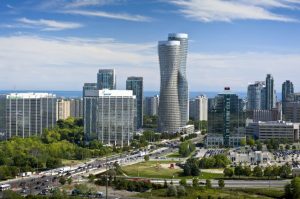










Brampton is the most disliked place I know of from personal experience with going there and others I know. The city itself is fine but there are plenty of other better places to go to in Canada. I would say to skip this one and to go to a more robust city.
Check the PAMA
If you want to immerse your creative side into something when you’re in Brampton, then the PAMA is a great place to visit. I would love to have explore more but it was a short trip so the most significant place I saw was the museum, which was fine. I believe there are a couple of beautiful parks to see if you want to wind down and have the time.
Just took a stroll through Gage Park, and those Christmas lights really make it feel special during winter. Skating there was such a blast, especially with the festive vibe all around!
Gage Park really comes alive in the winter with those lights and the skating rink; it’s such a cozy spot for an evening stroll.
I was really taken aback by how much Gage Park lights up in winter; skating there surrounded by all those twinkling lights felt like stepping into a holiday card!
After getting stuck on those broad roads and grabbing a spicy late-night bite from the South Asian food scene, are you seriously going to write off Brampton as just “suburban and practical”?