


 Canada : Safety by City
- Abbotsford
- Banff
- Brampton
- Burnaby
- Calgary
- Charlottetown
- Coquitlam
- Edmonton
- Fredericton
- Guelph
- Halifax
- Hamilton
- Jasper
- Kelowna
- Kitchener
- Mississauga
- Montreal
- Nanaimo
- Niagara Falls
- Oakville
- Oshawa
- Ottawa
- Quebec City
- Red Deer
- Regina
- Saskatoon
- Sherbrooke
- Thunder Bay
- Tofino
- Toronto
- Vancouver
- Victoria
- Whistler
- Windsor
- Winnipeg
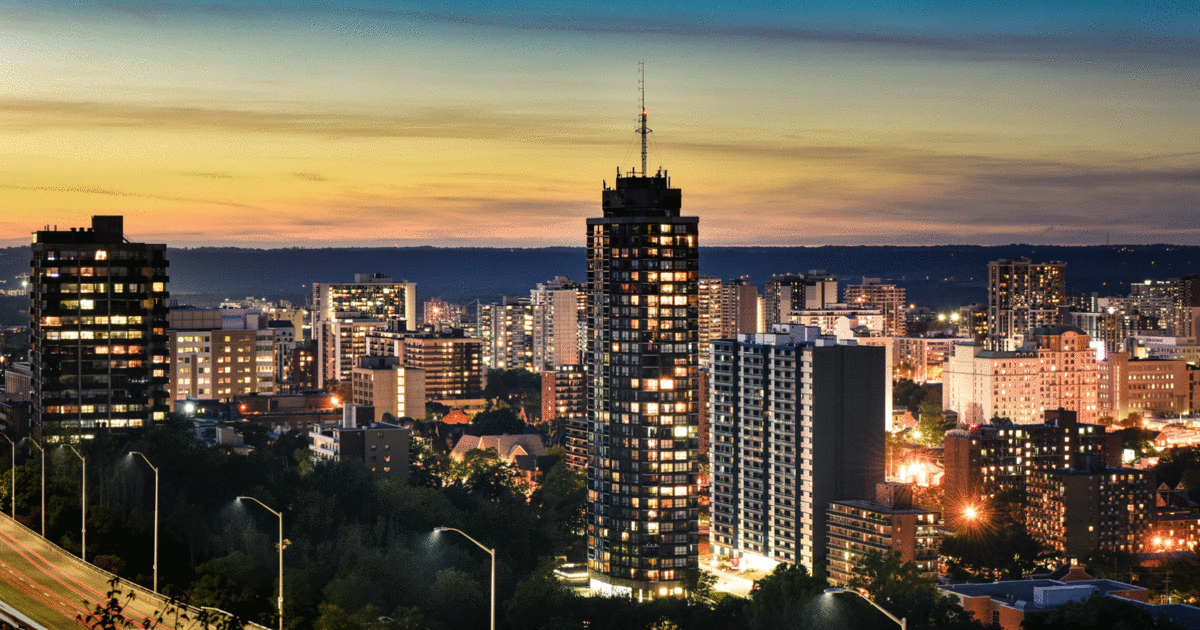
Hamilton sits at the western end of Lake Ontario in the province of Ontario, Canada, roughly between Toronto and Niagara Falls.
For years, it was known mainly as a hardworking steel city, but travelers now know it for something much more fun: waterfalls, historic sites, harbor views, art spaces, and easy access to both city life and nature.
It is nicknamed the Waterfall Capital of the World, which already gives it a pretty memorable travel personality.
What I like about Hamilton is that it feels less polished than Toronto, but often more interesting.
You can spend the morning at a botanical garden, the afternoon hiking along the escarpment, and the evening in a lively downtown restaurant district.
Safety-wise, Hamilton is not a place that should scare off tourists, but it is a city where street awareness matters, especially after dark in certain central areas.
Warnings & Dangers in Hamilton

OVERALL RISK: LOW
Hamilton is generally a low-risk destination for travelers, especially compared with larger North American cities. Most visits are trouble-free, and the biggest issues tourists face are petty theft, poor judgment late at night, and occasional discomfort in some downtown blocks dealing with homelessness, substance use, and disorder. Stay alert, and Hamilton is usually very manageable.

TRANSPORT & TAXIS RISK: LOW
Getting around Hamilton is fairly straightforward. Public transit is usable, rideshares are common, and taxis are available. The main transport risk is not crime so much as inconvenience, such as waiting times, unfamiliar routes, or choosing poorly lit stops late at night. Use licensed taxis or major rideshare apps, and keep normal city awareness.

PICKPOCKETS RISK: LOW
Hamilton is not famous for aggressive pickpocketing in the way some major tourist cities are. That said, theft can still happen in crowded transit areas, downtown streets, bars, and festivals. Keep your phone and wallet secure, do not leave bags open, and avoid setting valuables on café tables or unattended in parked cars.

NATURAL DISASTERS RISK: LOW
Hamilton does not face the kind of extreme natural disaster threat seen in hurricane or earthquake zones. The more realistic concerns are winter storms, icy sidewalks, heavy rain, and occasional flooding in low-lying areas. Hiking near waterfalls and escarpment edges can also be dangerous if trails are wet, slippery, or closed for safety reasons.

MUGGING RISK: LOW
Mugging is not a defining Hamilton travel risk, but it is more realistic than pickpocketing if you wander alone late at night in poorly lit or troubled parts of the lower city. Most visitors will never experience it, yet solo travelers should still avoid deserted streets, especially around a few rougher downtown-adjacent pockets.

TERRORISM RISK: LOW
Hamilton has a low terrorism risk for ordinary travelers. There is no strong reason for tourists to treat it as a terrorism-sensitive destination beyond normal awareness expected anywhere in Canada. Like in any city, crowded public events and transport hubs require routine alertness, but this is not a major concern shaping most travel plans.

SCAMS RISK: LOW
Tourist-targeted scams are not a major Hamilton problem. You are more likely to encounter everyday urban issues such as overpaying for an unofficial taxi, fake online rentals, or someone asking for money with a suspicious story. Book accommodation through reputable platforms, use standard payment methods, and be cautious around street solicitations.

WOMEN TRAVELERS RISK: LOW
Hamilton is generally safe for women travelers, particularly in daytime and in well-trafficked visitor areas. Still, like most cities, some downtown blocks can feel uncomfortable after dark, especially if you are alone. Rideshares at night, staying in central well-reviewed accommodation, and avoiding isolated trails or parks after sunset are smart choices.

TAP WATER RISK: LOW
Tap water in Hamilton is safe to drink. This is one of the easier parts of traveling here. Bring a reusable bottle and refill it rather than constantly buying bottled water. The only exception is if you are staying somewhere with a specific notice about plumbing or private well water, which is uncommon for typical tourists.
Safest Places to Visit in Hamilton
Dundurn Castle and the Waterfront Area
Dundurn Castle is one of Hamilton’s best-known attractions, and the surrounding area feels comfortable for visitors during the day.
The waterfront nearby is also a strong choice, especially if you enjoy walking paths, harbor views, and open public space.
These areas attract families, walkers, and day-trippers, which usually adds to the sense of safety.
Westdale and McMaster Area
Westdale, near McMaster University, tends to feel calmer and more residential than the rougher parts of central Hamilton.
It has cafés, local shops, and a student presence that makes it a pleasant place to stroll.
It is a good option for travelers who want a quieter base without leaving the city entirely.
Royal Botanical Gardens
The Royal Botanical Gardens area is one of the nicest places to spend a relaxed day.
It is scenic, well-visited, and ideal for travelers who prefer low-stress sightseeing.
This part of the Hamilton area feels more polished and controlled than the city core, making it a strong pick for families, couples, and older travelers.
Ancaster and Dundas
If you want the Hamilton experience with fewer urban rough edges, Ancaster and Dundas are excellent choices.
Both have attractive streets, local dining, and easier-going atmospheres.
Dundas especially works well for travelers who want access to trails and nature without staying right in the busiest central sections of Hamilton.
Places to Avoid in Hamilton
Some Parts of the Downtown Core at Night
Downtown Hamilton is not uniformly dangerous, but it does have blocks where visitors may feel uneasy after dark.
Areas with visible street disorder, intoxication, or reduced foot traffic can feel noticeably different from daytime.
That does not mean downtown should be written off, only that nighttime wandering without a purpose is not the best idea.
Barton Street East and Nearby Pockets
Barton Street is often the area that comes up when locals talk about rougher parts of Hamilton.
Not every block is the same, and parts of the corridor have been improving, but some sections still carry a reputation for crime, visible drug activity, and general street disorder.
Tourists do not need to panic, but they also do not need to roam here casually.
Isolated Escarpment and Waterfall Areas After Hours
Hamilton’s natural attractions are beautiful, but they can become risky when visitors ignore signs, go off trail, or arrive too late in the day.
Some waterfall areas have steep edges, slippery rocks, falling rock hazards, and trespassing issues.
The danger here is often physical rather than criminal, which can actually make it easier to underestimate.
Encampment-Affected Parks and Underpasses
Hamilton has struggled with homelessness and encampment-related issues in recent years, especially around some central parks, overpasses, and lower city public spaces.
Most people in these areas are not interested in tourists, but the atmosphere can be uncomfortable, unpredictable, or tense.
Travelers should simply pass through, not linger unnecessarily, especially at night.
Safety Tips for Traveling to Hamilton
- Choose your base carefully. Where you stay affects how safe Hamilton feels. If you book in the downtown core, read recent reviews and check the exact street, not just the general area. Westdale, Dundas, Ancaster, and well-reviewed waterfront-adjacent accommodation usually feel easier for visitors.
- Do not judge the city only by daytime. Some Hamilton streets feel perfectly fine in the afternoon and very different late at night. If you plan to go out for dinner or drinks, think ahead about how you are getting back instead of assuming you will simply walk.
- Use rideshares or licensed taxis after dark. This is especially smart if you are unfamiliar with the lower city. Public transit is workable, but late-night waiting at isolated stops is usually the least pleasant part of getting around. A direct ride is often worth the cost.
- Keep valuables out of sight in cars. Like many Canadian cities, Hamilton has vehicle break-ins. Do not leave phones, bags, passports, cameras, or shopping visible inside a parked car, even for a quick stop. A hidden item is better than a tempting one.
- Respect waterfall and escarpment safety signs. This is a major one. Hamilton’s scenery is real and dramatic, not decorative. Wet rock, unstable edges, and restricted areas can be dangerous. If a path is fenced off or a viewing point is marked, believe it and stay where visitors are supposed to be.
- Dress for fast-changing weather. Hamilton can swing from warm sunshine to chilly wind, especially near the water or in shoulder seasons. In winter, ice is a real slipping hazard. Good footwear matters here more than people expect, especially if you plan to walk trails or older sidewalks.
- Stay aware in downtown entertainment areas. Bars, events, and nightlife zones can be fun, but that is where lost phones, arguments, and bad decisions happen. Keep your drink in sight, watch your belongings, and avoid escalating interactions with intoxicated strangers.
- Use normal urban caution around street disorder. Hamilton has visible poverty, addiction, and mental health challenges in some areas. Most encounters are nonviolent, but tourists should avoid confrontation, keep moving, and not flash cash or expensive items. Calm, ordinary street sense goes a long way.
- Plan airport and regional transport in advance. Hamilton is served by John C. Munro Hamilton International Airport, but some travelers also arrive through Toronto-area airports and continue by train, bus, or car. Know your route beforehand so you are not figuring out transit options on the sidewalk with luggage.
- Carry travel insurance and emergency basics. Visitors to Canada can face expensive medical costs if something goes wrong. Keep your insurance details accessible, save the address of your accommodation offline, and make sure your phone stays charged when you are out exploring.
So... How Safe Is Hamilton Really?
Hamilton is reasonably safe for travel, but it is not one of those cities where every neighborhood feels equally polished or tourist-friendly.
That is the honest answer.
For most visitors, the actual experience is likely to be far safer than the city’s rough industrial reputation suggests.
The biggest risks are not dramatic crime headlines.
They are more practical: being careless downtown late at night, leaving valuables in a car, choosing a poor accommodation location, or underestimating trail and waterfall hazards.
What makes Hamilton a bit different from some classic tourist cities is that its challenges are visible.
You may notice homelessness, substance-use issues, or rougher street energy in parts of the lower city.
That can make the city feel less comfortable even when you are not in real danger.
On the other hand, major visitor areas such as Dundurn, the waterfront, Royal Botanical Gardens, Dundas, and Westdale are generally easy to enjoy with ordinary precautions.
My take is simple: Hamilton is safe enough for tourists who travel smart.
It is not a destination that requires fear, but it does reward awareness.
If you stay in the better areas, move confidently, and respect nature-related hazards, you can have a very enjoyable trip here.
How Does Hamilton Compare?
| City | Safety Index |
|---|---|
| Hamilton |
76 |
| Oshawa |
42 |
| Calgary |
85 |
| Montreal |
82 |
| Kitchener |
75 |
| Toronto |
83 |
| Quebec City |
88 |
 Moore Moore | 75 |
| Suwanee | 86 |
| Wears Valley | 78 |
 Santiago de Chile Santiago de Chile | 71 |
| Staunton | 77 |
 Sintra Sintra | 89 |
Useful Information

Visas
Canada’s entry rules depend on your nationality. Some travelers need a visitor visa, while others can enter with an electronic travel authorization when flying into the country. Processing times and fees can change, so check requirements before booking. Make sure your passport is valid for the length of your trip and apply well before departure.

Currency
Hamilton uses the Canadian dollar. Credit and debit cards are widely accepted, and contactless payment is common. For most travelers, withdrawing Canadian dollars from a bank ATM is usually easier and better value than exchanging cash at airports or tourist kiosks. Keep a little cash for smaller purchases, but you generally will not need much.

Weather
Hamilton has four true seasons. Summers are warm and sometimes humid, while winters can be cold, icy, and snowy. Spring and fall are comfortable but variable, so layering is your best friend. Bring sturdy walking shoes, a rain layer, and warmer clothing if visiting outside summer, especially if you plan on trails or waterfront walks.

Airports
The main local airport is John C. Munro Hamilton International Airport, which serves Hamilton directly. Some travelers also fly into Toronto and continue from there. From Hamilton’s airport, you can reach the city by car, taxi, rideshare, or local transit connections. If arriving late, pre-arranging your ride into town is the simplest option.

Travel Insurance
Travel insurance is a very good idea for Hamilton, and Canada in general. Visitors can face high out-of-pocket medical costs if they get sick or injured. A good policy should cover emergency medical care, trip interruption, and lost baggage. It is one of those boring purchases that becomes very exciting the moment something goes wrong.
Hamilton Weather Averages (Temperatures)
Average High/Low Temperature
| Temperature / Month | Jan | Feb | Mar | Apr | May | Jun | Jul | Aug | Sep | Oct | Nov | Dec |
|---|---|---|---|---|---|---|---|---|---|---|---|---|
| High °C |
-1 | -1 | 6 | 12 | 19 | 25 | 28 | 26 | 22 | 15 | 8 | 2 |
| Low °C |
-10 | -10 | -3 | 1 | 7 | 12 | 15 | 14 | 10 | 5 | 0 | -6 |
| High °F |
30 | 30 | 43 | 54 | 66 | 77 | 82 | 79 | 72 | 59 | 46 | 36 |
| Low °F |
14 | 14 | 27 | 34 | 45 | 54 | 59 | 57 | 50 | 41 | 32 | 21 |
Canada - Safety by City
| City | Safety Index |
|---|---|
| Abbotsford | 83 |
| Banff | 91 |
| Brampton | 82 |
| Burnaby | 65 |
| Calgary | 85 |
| Charlottetown | 88 |
| Coquitlam | 86 |
| Edmonton | 86 |
| Fredericton | 87 |
| Guelph | 84 |
| Halifax | 79 |
| Hamilton | 76 |
| Jasper | 90 |
| Kelowna | 76 |
| Kitchener | 75 |
| Mississauga | 85 |
| Montreal | 82 |
| Nanaimo | 32 |
| Niagara Falls | 87 |
| Oakville | 83 |
| Oshawa | 42 |
| Ottawa | 83 |
| Quebec City | 88 |
| Red Deer | 32 |
| Regina | 74 |
| Saskatoon | 73 |
| Sherbrooke | 82 |
| Thunder Bay | 65 |
| Tofino | 86 |
| Toronto | 83 |
| Vancouver | 80 |
| Victoria | 82 |
| Whistler | 88 |
| Windsor | 81 |
| Winnipeg | 78 |














Sketchy at best. Not sure where that 77 came from. More like a 38. Have you seen their roads? They look like pressed ham.
Hamilton has such a terrible road!!!
It's got spunk, but perhaps not as safe as some places
lol….oh dear Hamilton. It holds a special place in my heart – I went to university there for 5 years. But let me tell you. Unless you are a local and know where to go/not to go, or have figured how to blend in well…this is not a particularly “safe” place – at least down town or in certain areas. I mean…the homeless people, and all sorts of neglected folks seem harmless enough. But you don’t really know that if one of them is crazy and snaps. I remember one day coming home to my student house and turning on the tv to hear that some man had been stabbed in the face in the exact bank that I had just been to downtown. A “crazy” homeless person had come in and without reason stabbed this man. Broad daylight. Another time my friend and I had decided to walk home from Hess (their street with bars and clubs), which was a good 25 minute walk back to the student houses that surrounded the university. Along the way, a large, relatively built, topless screaming man started following us home. He wasn’t screaming at us persay. He was speed walking, and occasionally looking up and screaming at the sky and then kicking and hitting things along the road. Clearly mentally disturbed. We were terrified and tried to speed walk as fast as we could away from him without attracting too much attention (didn’t want to run in case it caused him to run after us in some drug induced haze). We managed to come by an Admiral Inn (i think that was the name) and we ran inside and asked the security guard there if we could just hide in the lobby until this man passed by – the guard was very nice and let us. We watched this crazy man walk by the Inn and have a tantrum punching all the large recycling bins. Then when we were sure he was far enough ahead, we kept walking home. (we didn’t have money for a cab or else we wouldve just called one trust me haha broke student life right). This guy was WAITING on the side streets!! Not 10 minutes had passed when we started walking – and he was almost directly behind us screaming. So needless to say we RAN at this point. And we lost him when we turned down the street by the Synagogue and then through some other small streets and he didn’t know where we’d gone. But holy shit. terrifying. And that is just ONE of my Hamilton stories. Now don’t get me wrong – I love Hamilton. I think it’s got spunk, and I would opt for Hamilton over Toronto any day…but If you’re looking for a night out on the town, perhaps make sure that you are with people who know the ins and outs of the city, or that you have secured reliable transport to and from your venues so you’re not left wandering some sketchy streets, which are almost all of them downtown.
Did you ever get a chance to hike along the Bruce Trail and see those amazing views from “the mountain”?
Did you really just say there are waterfalls in Hamilton? I had no idea it was that scenic!
Did you really climb the Niagara Escarpment and feel the view from “the mountain” or is that just a local brag?
Getting goosebumps from a Tiger-Cats touchdown at Ivor Wynne Stadium and then wandering the Royal Botanical Gardens feeling ridiculously calm is about as Hamilton as it gets.
I can’t believe how loud the crowd at Ivor Wynne gets, it left my ears buzzing and actually made me see the city’s game day energy in a new way.
Hiked the Bruce Trail up toward the mountain at dusk and for a few minutes the city felt surprisingly gentle, the spray from a nearby waterfall still on my face and it made me oddly grateful to be within reach of all this.
Can’t believe Hamilton hid so many waterfalls in plain sight, walked by Albion Falls, got lightly soaked by the spray and couldn’t stop grinning.
Definitely felt the thrill hiking by the escarpment, those views really hit different compared to city skylines.
Sure, the waterfalls are cool and all, but after getting lost trying to find a bathroom on that hiking trail, I definitely learned that “easy access” might mean you should pack snacks and patience.