


 New Zealand : Safety by City
New Zealand - safety as a country
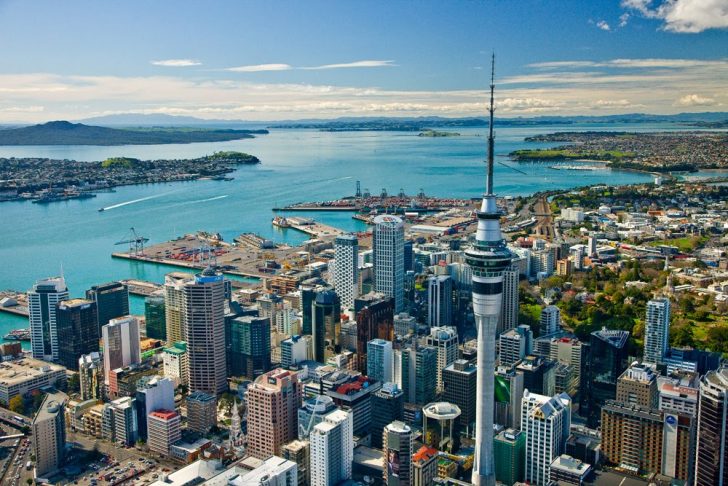
Auckland sits in the north of New Zealand’s North Island, stretched across volcanic hills and wrapped in two harbors: the Waitematā and the Manukau.
It is the country’s largest city, yet it feels surprisingly relaxed, with beaches, hiking trails, and vineyards never far from the skyline.
Often called the “City of Sails,” Auckland has more boats per capita than almost anywhere else in the world.
It is also built on more than 50 dormant volcanic cones, including Mount Eden, which offers panoramic views across the city.
When I first visited Auckland, what struck me most was how orderly and easy it felt.
But safe and easy are not identical.
In this guide, I break down the real risks, the areas to be aware of, and the smart habits that make Auckland a smooth and secure destination.
Warnings & Dangers in Auckland

OVERALL RISK: LOW
Auckland is considered one of the safer major cities in the world. Violent crime against tourists is uncommon, and most visits are trouble free. The primary issues tend to be petty theft and occasional late night altercations in entertainment districts. With basic awareness, most travelers experience no safety problems at all.

TRANSPORT & TAXIS RISK: LOW
Public transport, including buses, trains, and ferries, is generally safe and well managed. Licensed taxis and rideshare services are regulated and reliable. Late at night, especially on weekends, minor disturbances can occur around busy nightlife zones, but incidents involving tourists are rare.

PICKPOCKETS RISK: MEDIUM
Pickpocketing is not widespread compared to major European cities, but opportunistic theft does occur, particularly in busy areas such as Queen Street or transport hubs. Unattended bags in cafés and visible valuables in parked cars are more common targets than stealth pickpocketing.

NATURAL DISASTERS RISK: MEDIUM
New Zealand lies on the Pacific Ring of Fire. Auckland itself is built on dormant volcanic fields and is in an earthquake prone country. Severe weather events such as heavy rain and coastal storms also occur. While major disasters are rare, travelers should stay informed through official alerts.

MUGGING RISK: LOW
Muggings are uncommon in central tourist areas. Most violent incidents in Auckland involve people who know each other. However, some outer suburbs have higher crime rates, and walking alone late at night in poorly lit areas is not advisable.

TERRORISM RISK: LOW
New Zealand has a low terrorism risk overall. Security services maintain vigilance, and major incidents are extremely rare. Visitors are unlikely to encounter terrorism related threats during a standard trip.

SCAMS RISK: LOW
Auckland is not known for widespread tourist scams. The most common issues involve online rental fraud or overpaying for unofficial services. Street scams are minimal. As always, book through reputable platforms and verify details before making payments.

WOMEN TRAVELERS RISK: LOW
Auckland is widely regarded as safe for solo female travelers. Harassment levels are relatively low compared to many global cities. Standard precautions such as avoiding isolated areas late at night still apply, but many women travel independently here without incident.

TAP WATER RISK: LOW
Tap water in Auckland is safe to drink and meets high public health standards. There is no need to buy bottled water unless you prefer it for taste reasons.
Safest Places to Visit in Auckland
Central Auckland, especially around the Viaduct Harbour and Wynyard Quarter, feels clean, well patrolled, and lively.
These waterfront districts are filled with restaurants, public spaces, and marina views, and they maintain a strong police and security presence due to their popularity.
Ponsonby is another safe and enjoyable area.
Known for its cafés and boutiques, it has a relaxed residential feel with steady foot traffic.
During the day and evening, it feels comfortable and well lit.
Devonport, accessible by ferry, is one of my personal favorites.
It is quieter than downtown, with charming streets and easy walks up North Head.
Crime levels here are low, and the village atmosphere makes it ideal for families and couples.
Mission Bay and Takapuna Beach are also excellent options.
These beachside neighborhoods attract locals and visitors alike, and they are generally safe, particularly during daylight hours.
The presence of families, joggers, and beachgoers contributes to a strong sense of security.
Overall, waterfront and established residential areas tend to feel safest and most comfortable for travelers.
Places to Avoid in Auckland
While Auckland is generally safe, some neighborhoods have higher crime rates, particularly in parts of South Auckland.
Areas such as Ōtara, Māngere, and parts of Manurewa have historically recorded higher levels of violent and property crime compared to the city average.
These are primarily residential districts and not typical tourist destinations.
In central Auckland, parts of Queen Street and surrounding streets can feel uncomfortable late at night, especially on weekends when alcohol related incidents increase.
Groups of intoxicated individuals and occasional fights are more likely during these hours.
Some industrial zones and poorly lit suburban areas can also feel isolated after dark.
Tourists have little reason to visit these areas, so it is best to stick to well known districts.
Car break ins are more common than street crime.
Leaving valuables visible in rental cars, particularly at scenic lookouts or trailheads, increases your risk.
Always park in well lit areas and remove all items from sight.
Awareness, not fear, is the key here.
Safety Tips for Traveling to Auckland
- Choose Your Base Strategically. If it is your first time in Auckland, stay in the CBD near the Viaduct Harbour, Wynyard Quarter, or in neighborhoods like Ponsonby and Devonport. These areas are well lit, heavily frequented, and close to major attractions. You will reduce the need for late night transport and minimize exposure to poorly lit or unfamiliar districts.
- Be Extra Alert Around Queen Street After Midnight. Queen Street is busy and generally safe during the day, but late on Friday and Saturday nights it can attract intoxicated crowds. Most incidents are alcohol related. If you are out late, order a rideshare directly to your accommodation rather than walking long stretches alone.
- Never Leave Anything Visible in Your Car.
Auckland has seen increases in car break ins, especially at scenic lookout points and trailheads like Mount Eden or coastal parking areas. Even small items can trigger a smashed window. Use your trunk before arriving and park in well lit, high visibility spots. - Understand Beach Safety Flags and Rip Currents. Beaches such as Piha and Muriwai are stunning but can have powerful rip currents. Always swim between the red and yellow flags where lifeguards are present. If unsure, ask a lifeguard about conditions. Do not underestimate the Tasman Sea, even if you are a strong swimmer.
- Monitor Weather Before Hiking Volcanic Cones. Popular spots like One Tree Hill and Mount Eden are safe but exposed. Sudden rain can make paths slippery. Check the MetService forecast before heading out and wear proper footwear. Strong winds at summit points can be surprising.
- Learn Basic Earthquake Protocol. New Zealand is seismically active. While major earthquakes are rare in Auckland, know the “Drop, Cover, Hold” procedure. Upon arrival, take note of emergency exits in your hotel. This simple awareness puts you ahead of most travelers.
- Use AT HOP Cards for Public Transport. Public buses, trains, and ferries are generally safe and efficient. Purchasing an AT HOP card reduces the need to handle cash and speeds up boarding. Avoid empty train carriages late at night and sit near other passengers when possible.
- Be Cautious in Certain South Auckland Suburbs. Most tourists never need to visit areas such as parts of Ōtara, Māngere, or Manurewa. These neighborhoods have higher crime rates compared to central Auckland. If you do visit for specific reasons, travel during daylight and use reliable transport.
- Protect Yourself from Sun Exposure. The New Zealand sun is intense due to lower ozone levels. Even on cloudy days, UV levels can be high. Wear sunscreen, sunglasses, and a hat. Severe sunburn can ruin your trip faster than any safety threat.
- Keep Emergency and Health Information Accessible. The national emergency number is 111 for police, fire, or ambulance. Medical facilities in Auckland are high quality, including Auckland City Hospital. Save important contacts in your phone and carry travel insurance details with you in case of unexpected medical needs.
So... How Safe Is Auckland Really?
Statistically, Auckland has lower violent crime rates than many comparably sized cities in North America and Europe.
Most crime reported involves property theft rather than assaults on strangers.
New Zealand consistently ranks high in global peace and safety indexes.
However, recent years have seen an increase in retail crime and car theft, particularly in some suburban areas.
That said, the risk to tourists remains relatively low when compared to global standards.
Emergency services are reliable, infrastructure is modern, and English is widely spoken, which reduces the risk of misunderstandings.
Health care facilities are advanced, and tap water is safe.
From my experience and available data, Auckland is a low risk destination for travelers who apply normal urban precautions.
It is not crime free, but it is far from dangerous.
How Does Auckland Compare?
| City | Safety Index |
|---|---|
| Auckland |
85 |
| Taupo |
87 |
| Wanaka |
90 |
| Queenstown |
91 |
| Wellington |
72 |
| Rotorua |
82 |
| Christchurch |
80 |
 Alexandria Alexandria | 47 |
 Trondheim Trondheim | 86 |
 Ankara Ankara | 58 |
| Butte | 83 |
 Sucre Sucre | 74 |
| Derry | 79 |
Useful Information

Visas
Many visitors from the United States, Canada, the UK, and EU countries can enter visa free for up to 90 days but must obtain a New Zealand Electronic Travel Authority before arrival. The NZeTA costs a modest fee and is applied for online. Always check official immigration sources for current rules.

Currency
New Zealand uses the New Zealand Dollar. Credit and debit cards are widely accepted, and contactless payments are common. ATMs are easily available. Currency exchange at airports is convenient but often less favorable than withdrawing cash from an ATM.

Weather
Auckland has a mild maritime climate. Summers are warm but rarely extreme, while winters are cool and damp. Pack layers, a waterproof jacket, and comfortable walking shoes. Weather can shift quickly, even in a single day.

Airports
Auckland Airport is the main international gateway. It is about 20 kilometers from the city center. You can reach downtown by airport bus, taxi, rideshare, or rental car. Travel time typically ranges from 25 to 45 minutes depending on traffic.

Travel Insurance
Travel insurance is strongly recommended. It covers medical treatment, trip cancellations, and unexpected weather disruptions. While Auckland is safe, insurance provides peace of mind in case of accidents or natural events.
Auckland Weather Averages (Temperatures)
Average High/Low Temperature
| Temperature / Month | Jan | Feb | Mar | Apr | May | Jun | Jul | Aug | Sep | Oct | Nov | Dec |
|---|---|---|---|---|---|---|---|---|---|---|---|---|
| High °C |
23 | 23 | 22 | 20 | 18 | 15 | 14 | 15 | 16 | 17 | 19 | 21 |
| Low °C |
16 | 16 | 15 | 13 | 11 | 8 | 7 | 7 | 9 | 10 | 12 | 14 |
| High °F |
73 | 73 | 72 | 68 | 64 | 59 | 57 | 59 | 61 | 63 | 66 | 70 |
| Low °F |
61 | 61 | 59 | 55 | 52 | 46 | 45 | 45 | 48 | 50 | 54 | 57 |
New Zealand - Safety by City
| City | Safety Index |
|---|---|
| Auckland | 85 |
| Christchurch | 80 |
| Queenstown | 91 |
| Rotorua | 82 |
| Taupo | 87 |
| Wanaka | 90 |
| Wellington | 72 |













Auckland is not prone to earthquakes and in recent history 100 years not vulcanic either – there is a slight risk of eruption as we do have a lot of volcanos
It was safe when I was there
I loved Auckland when I visited in 2015, I am not sure how much it changed regarding safety since then but it was lovely when I was there and didn’t seem dangerous at all.
I love Auckland when I visited in 2015,I am not sure how much it changed regarding safety since then but it was lovely nwhen l was there and didn’t seem dangerous at all.
Walk down Queen Street at night good luck to you.
It’s pretty cool how the city’s suburbs each have their own vibe and history, especially when you walk through places like Ponsonby or Mission Bay.
All those sailboats and the panoramic view from Mount Eden are lovely until the Waitematā wind slaps salt in your face and you get that oddly grounded feeling that the skyline’s charm doesn’t cover everything.
So after climbing Mount Eden at sunset with sore legs and watching the Waitematā full of boats, are you really calling Auckland “orderly and easy”?
Funny how after strolling up Mount Eden at sunset the whole place felt so laid back yet I still had that little twinge of caution watching the sailboats on the Waitematā.
Walked up Mount Eden at sunrise and felt totally calm, but a couple of dodgy streets at night made me stick to the main routes.
I thought Auckland would be all chill but those volcanic hills actually make some hikes tougher than I expected.