 Canada : Safety by City
- Abbotsford
- Banff
- Brampton
- Burnaby
- Calgary
- Charlottetown
- Coquitlam
- Edmonton
- Fredericton
- Guelph
- Halifax
- Hamilton
- Jasper
- Kelowna
- Kitchener
- Mississauga
- Montreal
- Nanaimo
- Niagara Falls
- Oakville
- Oshawa
- Ottawa
- Quebec City
- Red Deer
- Regina
- Saskatoon
- Sherbrooke
- Thunder Bay
- Tofino
- Toronto
- Vancouver
- Victoria
- Whistler
- Windsor
- Winnipeg
Jasper is one of Canada’s great mountain destinations, tucked inside Jasper National Park in the Canadian Rockies of Alberta.
It is wilder, quieter, and more spread out than Banff, with huge valleys, glacier-fed lakes, elk wandering near town, dark-sky stargazing, waterfalls, hiking trails, scenic drives, and access to the Icefields Parkway.
Jasper is also a place travelers now understand differently after the major 2024 wildfire, which damaged parts of the town and park and reshaped how visitors think about safety, access, and recovery.
Even with that context, Jasper remains a safe and rewarding destination when visited responsibly.
The main risks are not usually crime-related.
They are wildlife, mountain weather, road conditions, wildfire season, icy trails, remote areas, and injuries from outdoor activities.
Warnings & Dangers in Jasper

OVERALL RISK: LOW
Jasper is a low-risk destination for most travelers. Violent crime is rare, the town is small, and the national park is well managed. The bigger safety issues are natural hazards, including wildlife, winter roads, wildfire smoke, trail closures, weather changes, and getting too casual in remote mountain terrain.

TRANSPORT & TAXIS RISK: MEDIUM
Transport risk is medium because Jasper is spread out and many visitors drive long distances. Roads can be icy, snowy, foggy, smoky, or affected by wildlife crossings. The Icefields Parkway is beautiful but remote. Fuel up, check road conditions, and avoid rushing, especially in winter or after dark.

PICKPOCKETS RISK: LOW
Pickpocketing is uncommon in Jasper. The town and major attractions are generally relaxed and safe. Still, keep valuables secure in restaurants, hotels, parking lots, trailheads, and busy viewpoints. Theft from vehicles is a more realistic concern than classic pickpocketing, especially if bags are visible.

NATURAL DISASTERS RISK: MEDIUM
Natural hazard risk is medium because Jasper sits in a mountain park affected by wildfires, smoke, heavy snow, avalanches, extreme cold, rockfall, flooding, storms, and rapidly changing weather. The 2024 wildfire made this category especially important. Always check current closures, alerts, and fire restrictions before heading out.

MUGGING RISK: LOW
Mugging is rare in Jasper. Visitors can generally walk around the townsite, hotels, restaurants, and main areas comfortably. The bigger nighttime concerns are wildlife encounters, icy sidewalks, poor visibility, alcohol-related slips, and walking on quiet roads after dark without lights or awareness.

TERRORISM RISK: LOW
The terrorism risk in Jasper is low. It is a national park and mountain town rather than a major political or security target. Travelers should still use normal awareness in crowded visitor centers, train stations, and events, but terrorism is not a meaningful concern for most trips.

SCAMS RISK: LOW
Scams are uncommon in Jasper. Most businesses are professional and tourism-focused. The main thing to watch for is fake accommodation listings, unclear activity pricing, suspiciously cheap tours, or unofficial rental offers. Book lodging, tours, shuttles, and activities through reputable providers.

WOMEN TRAVELERS RISK: LOW
Jasper is generally safe for women travelers, including solo travelers. The townsite, hotels, restaurants, visitor areas, and popular trails feel comfortable. Women should still avoid isolated trails alone late in the day, use caution at night, and be especially aware of wildlife and weather when hiking solo.

TAP WATER RISK: LOW
Tap water in Jasper is safe to drink. Carry a refillable bottle, especially when hiking, driving the Icefields Parkway, skiing, or visiting lakes and waterfalls. In remote areas, do not drink untreated lake, river, or stream water unless filtered, boiled, or properly purified.
Safest Places to Visit in Jasper
Jasper Townsite
Jasper townsite is the safest and easiest base for most visitors.
It has hotels, restaurants, shops, tour offices, the train station, visitor services, and walkable streets.
The town is generally comfortable day and evening, though wildlife can sometimes appear nearby.
After dark, use caution on quiet roads and do not approach elk, deer, or bears.
Maligne Canyon
Maligne Canyon is one of Jasper’s most popular and structured attractions.
In good conditions, the bridges and marked trails are safe for most visitors.
In winter, ice can make the area more hazardous, and guided ice walks are safer than exploring frozen sections alone.
Stay behind barriers and follow posted closures.
Maligne Lake
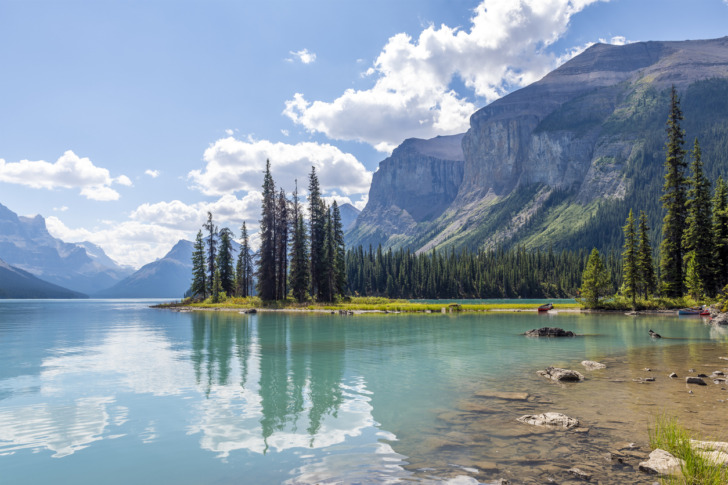
Maligne Lake is a classic Jasper destination and generally safe when visited in normal weather.
Boat tours, viewpoints, lakeside walks, and picnic areas are well used in season.
The main safety concerns are cold water, sudden weather, road conditions, and wildlife along the route.
Pyramid Lake and Patricia Lake
These lakes are close to town and are among the easiest safe outdoor spots for visitors.
They are good for photos, walking, paddling, and relaxed sightseeing.
Watch for wildlife, cold water, slippery docks, and icy conditions in winter.
Do not leave valuables visible in parked cars.
Athabasca Falls
Athabasca Falls is safe when visitors stay on marked paths and behind barriers.
The water is extremely powerful, and the rock can be slippery.
This is not a place to climb over fences for a better photo.
The official viewpoints are already excellent and much safer.
Places to Avoid in Jasper
Closed Trails and Fire-Affected Areas
After the 2024 wildfire, some areas may remain closed, under restoration, or affected by dangerous trees, unstable ground, and recovery work.
Avoid closed trails, burned forest zones marked unsafe, and any area with warning signs.
A closure in Jasper usually means there is a real hazard, not a mild inconvenience.
Wildlife Corridors and Roadside Animal Crowds
Avoid stopping unsafely when wildlife appears near the road.
“Bear jams” and elk crowds can create traffic hazards and dangerous animal encounters.
Pull over only where safe, stay inside your vehicle when needed, and never approach or feed wildlife.
Elk can be especially aggressive during calving and rutting seasons.
Remote Trails Late in the Day
Jasper is enormous, and trails can be quieter than visitors expect.
Avoid starting long hikes late in the afternoon unless you know the route and have proper gear.
Darkness, weather changes, wildlife, injury, and poor cell service can turn a simple delay into a serious problem.
Avalanche Terrain Without Training
In winter and spring, avoid backcountry ski routes, steep slopes, and avalanche terrain unless you have training, gear, partners, and current conditions knowledge.
Resort-style confidence does not transfer automatically to Jasper’s backcountry.
Hire a guide if unsure.
The Icefields Parkway in Bad Conditions
The Icefields Parkway is one of the most beautiful roads in the world, but it can be serious in winter, storms, smoke, fog, or darkness.
Avoid driving it in poor conditions unless prepared.
Services are limited, cell coverage can be weak, and help may be far away.
Safety Tips for Traveling to Jasper
- Check current park alerts before every major outing. Jasper is a living mountain environment, not a static attraction. Trails, roads, campgrounds, viewpoints, and picnic areas can close because of wildfire recovery, wildlife activity, dangerous trees, flooding, avalanche risk, or construction. Before driving out or starting a hike, check current conditions with Parks Canada, your hotel, or the visitor center.
- Give wildlife a lot of space. Jasper is famous for elk, deer, bighorn sheep, bears, moose, and other wildlife. Seeing them is exciting, but getting close is dangerous and illegal. Stay far back, never feed animals, and keep food secured. Elk may look calm, but they can charge. Bears should be treated with even more distance and respect.
- Carry bear spray on trails. If you plan to hike, especially outside the busiest paths, carry bear spray and know how to use it. Make noise on trails, hike in groups when possible, and avoid surprising animals around bends or dense vegetation. Bear safety is not about fear. It is about being prepared in bear country.
- Do not rely on cell service. Jasper National Park is huge, and cell coverage can be limited or nonexistent in many areas. Download maps offline, tell someone your plan, carry a paper map when hiking, and know your return time. If driving remote routes, do not assume you can call for help instantly.
- Prepare for fast weather changes. Mountain weather changes quickly. A sunny morning can become cold, windy, rainy, snowy, or smoky later in the day. Dress in layers, bring rain protection, carry water, and pack extra warmth even on short hikes. At higher elevations, conditions can feel very different from town.
- Drive slowly and watch for animals. Wildlife often crosses roads near dawn, dusk, and night, but it can happen anytime. Drive below the speed limit when visibility is poor, especially on forested roads and the Icefields Parkway. Hitting an animal can seriously injure you and the animal. Slow travel is safer and honestly fits Jasper better anyway.
- Respect fire bans and smoke warnings. Wildfire risk is part of travel in the Canadian Rockies. Follow all fire bans, campfire rules, smoking restrictions, and closure notices. During smoky periods, people with asthma, heart conditions, children, and older travelers should be especially careful. Keep plans flexible during wildfire season.
- Wear proper footwear. Jasper trails, viewpoints, waterfalls, and lake edges can be rocky, muddy, icy, or uneven. Wear shoes with grip, especially near waterfalls, canyons, and winter paths. Many injuries in mountain towns are not dramatic wilderness disasters. They are simple slips in the wrong shoes.
- Keep your vehicle empty-looking. Vehicle break-ins are not rampant, but they can happen at trailheads, lakes, viewpoints, and parking lots. Do not leave backpacks, cameras, laptops, passports, or shopping bags visible. If you are road-tripping with luggage, keep it covered and avoid opening the trunk in front of crowds before walking away.
- Buy travel insurance that covers outdoor activities. Jasper is safe, but outdoor accidents can become expensive. Hiking injuries, ski accidents, weather delays, wildfire disruption, lost luggage, rental car problems, and emergency medical care are all good reasons to have coverage. If you plan skiing, climbing, rafting, or backcountry activities, check that your policy actually covers them.
So... How Safe Is Jasper Really?
Jasper is very safe from a crime perspective.
It is a small Canadian mountain town inside a national park, with strong visitor infrastructure and a generally calm atmosphere.
Most travelers do not worry about violence, scams, or street crime here.
Families, solo travelers, couples, women travelers, and older visitors can all feel comfortable in the townsite and major visitor areas.
But Jasper’s safety story is not mainly about people.
It is about place.
This is a vast mountain park with wildlife, wildfire risk, remote roads, cold water, avalanches, icy trails, sudden weather, and limited services outside town.
The 2024 wildfire made that reality more visible.
Jasper is open and welcoming, but recovery work and changing access mean travelers should check conditions rather than assume every trail or campground is operating as before.
For ordinary sightseeing, Jasper is low risk.
For long hikes, winter driving, backcountry skiing, remote camping, or ignoring wildlife rules, the risk rises.
The safest travelers are the ones who keep plans flexible, stay updated, carry basic gear, and respect closures.
So, how safe is Jasper really?
Low risk in town and on managed attractions, medium risk in remote, winter, wildfire-season, or backcountry settings.
How Does Jasper Compare?
| City | Safety Index |
|---|---|
| Jasper |
90 |
| Toronto |
83 |
| Halifax |
79 |
| Calgary |
85 |
| Coquitlam |
86 |
| Kelowna |
76 |
| Quebec City |
88 |
 Garden Grove Garden Grove | 78 |
 Colmar Colmar | 86 |
 Medellin Medellin | 60 |
| Cottonwood Falls | 78 |
| West Memphis | 29 |
| Anchorage | 72 |
Useful Information

Visas
Jasper is in Canada, so entry rules depend on nationality. Many travelers need either an Electronic Travel Authorization or a visitor visa before arrival. US citizens do not need an eTA for normal tourism but need valid travel documents. Check requirements before booking.

Currency
Jasper uses the Canadian dollar. Credit and debit cards are widely accepted in hotels, restaurants, shops, fuel stations, and tour offices. Cash is useful for tips, small purchases, laundry, campgrounds, and backup. Prices can be high because Jasper is remote and tourism-focused.

Weather
Jasper has cold, snowy winters and mild summers, but the mountain weather changes quickly. Pack layers, rain protection, warm clothing, sunscreen, and sturdy shoes. Summer can bring wildfire smoke, while winter brings snow, ice, and very cold temperatures. Conditions can vary sharply between town, lakes, and high elevations.

Airports
Jasper does not have a major commercial airport. Most travelers fly into Edmonton or Calgary, then drive, take a bus, or use train connections. Edmonton is often the more direct road option, while Calgary is popular for trips combining Banff, Lake Louise, the Icefields Parkway, and Jasper.

Travel Insurance
Travel insurance is strongly recommended for Jasper, especially if your trip includes hiking, skiing, rafting, camping, winter driving, or a longer Canadian Rockies itinerary. Choose coverage for medical care, cancellations, delays, lost luggage, rental car issues, wildfire disruption, and emergency transport. Check outdoor activity exclusions carefully.
Jasper Weather Averages (Temperatures)
Average High/Low Temperature
| Temperature / Month | Jan | Feb | Mar | Apr | May | Jun | Jul | Aug | Sep | Oct | Nov | Dec |
|---|---|---|---|---|---|---|---|---|---|---|---|---|
| High °C |
-8 | -1 | 3 | 10 | 16 | 19 | 23 | 21 | 16 | 10 | 1 | -5 |
| Low °C |
-18 | -12 | -9 | -3 | 2 | 6 | 8 | 7 | 3 | -1 | -9 | -14 |
| High °F |
18 | 30 | 37 | 50 | 61 | 66 | 73 | 70 | 61 | 50 | 34 | 23 |
| Low °F |
-0 | 10 | 16 | 27 | 36 | 43 | 46 | 45 | 37 | 30 | 16 | 7 |
Canada - Safety by City
| City | Safety Index |
|---|---|
| Abbotsford | 83 |
| Banff | 91 |
| Brampton | 82 |
| Burnaby | 65 |
| Calgary | 85 |
| Charlottetown | 88 |
| Coquitlam | 86 |
| Edmonton | 86 |
| Fredericton | 87 |
| Guelph | 84 |
| Halifax | 79 |
| Hamilton | 76 |
| Jasper | 90 |
| Kelowna | 76 |
| Kitchener | 75 |
| Mississauga | 85 |
| Montreal | 82 |
| Nanaimo | 32 |
| Niagara Falls | 87 |
| Oakville | 83 |
| Oshawa | 42 |
| Ottawa | 83 |
| Quebec City | 88 |
| Red Deer | 32 |
| Regina | 74 |
| Saskatoon | 73 |
| Sherbrooke | 82 |
| Thunder Bay | 65 |
| Tofino | 86 |
| Toronto | 83 |
| Vancouver | 80 |
| Victoria | 82 |
| Whistler | 88 |
| Windsor | 81 |
| Winnipeg | 78 |