 Japan : Safety by City
- Fukuoka
- Hakone
- Hiroshima
- Kamakura
- Kanazawa
- Kyoto
- Nagasaki
- Nara
- Nikko
- Osaka
- Sapporo
- Sendai
- Tokyo
- Yokohama
Nikko is one of Japan’s most beautiful mountain destinations, located in Tochigi Prefecture, north of Tokyo.
It is famous for the richly decorated Toshogu Shrine, peaceful temples, cedar forests, waterfalls, hot springs, Lake Chuzenji, hiking trails, autumn colors, and the dramatic mountain roads leading into Nikko National Park.
For many travelers, Nikko feels like a mix of spiritual Japan and alpine nature, with enough history and scenery to justify much more than a rushed day trip.
Safety-wise, Nikko is very safe.
Violent crime is rare, public behavior is orderly, and tourist areas are well managed.
The main risks are not crime-related.
They are mountain weather, icy roads, wildlife, hiking mistakes, earthquakes, typhoons, crowded buses, slippery shrine steps, and underestimating how spread out the area is.
Warnings & Dangers in Nikko

OVERALL RISK: LOW
Nikko is a low-risk destination for most travelers. Violent crime is rare, tourist areas are calm, and Japan's transport and public safety standards are high. The main concerns are weather, hiking safety, winter ice, crowded buses, natural hazards, and slippery walking surfaces around shrines, waterfalls, and forest paths.

TRANSPORT & TAXIS RISK: LOW
Transport in Nikko is generally safe, but planning matters. Trains connect Nikko with Tokyo, while buses serve Toshogu Shrine, Lake Chuzenji, Kegon Falls, Yumoto Onsen, and other mountain areas. Buses can be crowded during autumn and holidays. Mountain roads are winding, and winter driving requires caution.

PICKPOCKETS RISK: LOW
Pickpocketing is uncommon in Nikko, but it is still possible in crowded areas such as train stations, bus stops, shrine entrances, festivals, and packed autumn foliage spots. Japan is very safe, but travelers can still lose items through distraction. Keep phones, wallets, and bags secure in crowds.

NATURAL DISASTERS RISK: MEDIUM
Nikko has a medium natural risk because it is in a mountainous part of an earthquake-prone country. Earthquakes, typhoons, heavy rain, landslides, snow, icy roads, and fast-changing mountain weather can affect travel. Most visits are smooth, but outdoor plans should always be adjusted to weather and trail conditions.

MUGGING RISK: LOW
Mugging is extremely rare in Nikko. The shrine area, town center, hotels, onsen areas, restaurants, and main tourist routes are generally safe during the day and evening. Still, avoid isolated trails, dark forest paths, and quiet mountain roads late at night if alone. Nature is the bigger concern here.

TERRORISM RISK: LOW
The terrorism risk in Nikko is low. It is a historic and natural destination rather than a major political, financial, or military target. Normal awareness around crowded public places, stations, and festivals is enough. Visitors are far more likely to face weather delays or hiking issues than terrorism.

SCAMS RISK: LOW
Scams are rare in Nikko. Prices are usually clear, businesses are professional, and tourist pressure is mild. The main issues are confusion over bus passes, attraction fees, taxi costs, or ryokan booking terms. Check transport details, opening hours, and accommodation rules before arrival.

WOMEN TRAVELERS RISK: LOW
Nikko is very safe for women travelers, including solo women. The shrine area, town streets, hotels, onsens, and buses are comfortable and orderly. Normal precautions still apply: avoid isolated hiking trails late in the day, use trusted transport after dark, and choose accommodation with convenient access if traveling alone.

TAP WATER RISK: LOW
Tap water in Nikko is safe to drink. Bring a reusable bottle, especially if you plan to hike, visit waterfalls, walk through shrine areas, or travel up toward Lake Chuzenji. Vending machines and convenience stores are easy to find in main areas, but options become more limited in remote mountain spots.
Safest Places to Visit in Nikko
Toshogu Shrine
Toshogu Shrine is Nikko’s most famous attraction and one of the safest places to visit.
The complex is organized, well-visited, and full of ornate gates, carvings, stone lanterns, cedar trees, and historic buildings.
During the day, it feels calm and secure.
The main safety issues are crowds, stairs, slippery stone surfaces, and uneven paths, especially in rain, snow, or autumn leaf season.
Rinnoji Temple and Futarasan Shrine
Rinnoji Temple and Futarasan Shrine are close to Toshogu and form part of Nikko’s historic shrine and temple area.
These sites are safe, peaceful, and easy to combine in one visit.
They are best explored slowly because the area includes steps, forest paths, and stone walkways.
Be careful with footing after rain and respect worship areas.
Shinkyo Bridge
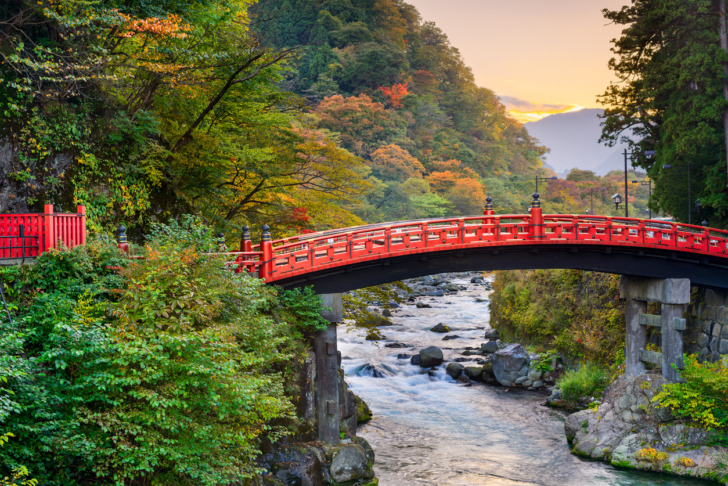
Shinkyo Bridge is one of Nikko’s most photographed landmarks and a safe, central stop near the entrance to the shrine area.
The surrounding roads and sidewalks can get busy, so watch traffic and do not step backward into the road while taking photos.
Visit early if you want fewer people in your pictures.
Kegon Falls
Kegon Falls is one of Japan’s most famous waterfalls and a safe attraction when visited from the official viewing areas.
It sits near Lake Chuzenji and is popular in autumn, winter, and spring.
The main concerns are icy surfaces in cold weather, crowds during foliage season, and mountain weather changes.
Stay behind barriers and use marked paths.
Lake Chuzenji
Lake Chuzenji is a beautiful and generally safe mountain lake area, good for walking, boat rides, views, and relaxing away from the town center.
It can feel cooler and windier than central Nikko, so bring layers.
The lake area is safest during the day, especially around main viewpoints, restaurants, and transport stops.
Places to Avoid in Nikko
Hiking Trails Late in the Day
Nikko’s trails are beautiful, but forest and mountain routes should not be started late.
Darkness arrives quickly in wooded areas, and trails can be muddy, icy, or confusing.
If you are not sure you can finish before sunset, choose a shorter route or save the hike for the next morning.
Closed or Weather-Damaged Trails
Do not enter closed trails or restricted areas.
Trails may close because of landslides, snow, storm damage, fallen trees, or maintenance.
Ignoring closures is risky and can also create problems for rescuers.
If a route is marked closed, choose another walk or use buses and viewpoints instead.
Irohazaka Road in Bad Weather
Irohazaka is the famous winding road between central Nikko and the Lake Chuzenji area.
It is scenic but full of sharp curves and elevation changes.
In fog, snow, heavy rain, or ice, it can become difficult.
If you are not comfortable with mountain driving, use the bus instead.
Isolated Forest Areas After Dark
Nikko has many peaceful forested areas, but they are not ideal after dark.
The risks are poor lighting, uneven paths, wildlife, and getting lost, rather than crime.
Stick to central streets, accommodation areas, or well-lit routes at night.
Save forest walks for daylight.
Hot Spring Areas Without Understanding the Rules
Nikko has excellent onsen areas, but visitors should understand Japanese bathing etiquette before entering.
Wash before bathing, do not put towels in the water, avoid loud behavior, and check tattoo policies if relevant.
The safety issue is mostly social comfort and hygiene, but knowing the rules makes the experience much smoother.
Safety Tips for Traveling to Nikko
- Start early if visiting from Tokyo. Nikko is often done as a day trip from Tokyo, but it is more spread out than many visitors expect. Starting early gives you time for the shrine area, lunch, buses, and possibly Kegon Falls or Lake Chuzenji. A late start can turn the day into a rushed chain of missed buses and tired feet. Nikko deserves breathing room.
- Wear shoes with grip. Nikko has stone stairs, mossy paths, forest trails, temple grounds, bridges, and waterfall viewpoints. These can become slippery after rain, snow, or fallen leaves. Comfortable shoes with grip are one of the easiest ways to stay safe. This is not the place to test smooth-soled shoes against ancient stone and mountain moisture.
- Check the weather before heading into the mountains. The weather can change quickly between central Nikko, Lake Chuzenji, Yumoto Onsen, and higher trail areas. It may be mild near the station but cold, windy, snowy, or foggy up the mountain. Check the forecast, bring layers, and avoid hiking or driving in poor conditions. Mountain weather is not impressed by your itinerary.
- Plan buses carefully. Buses are useful but can be crowded, especially in the autumn foliage season, on weekends, and on holidays. Know your route, check return times, and avoid relying on the last bus if you are far from town. If you are going to Lake Chuzenji, Kegon Falls, or Yumoto Onsen, give yourself extra time for queues and traffic.
- Be careful during the autumn foliage season. Nikko is famous for autumn colors, and that means crowds. Roads, buses, shrine paths, restaurants, and viewpoints can become packed. Crowds are not dangerous, but they increase the chance of delays, lost items, and tired decision-making. Book accommodation early and avoid trying to cram too much into one day.
- Respect shrine and temple etiquette. Nikko’s shrines and temples are active sacred places, not just beautiful photo backdrops. Speak quietly, follow signs, do not enter restricted areas, and avoid touching sacred objects. Wash hands where appropriate, remove shoes if requested, and be respectful during prayers or ceremonies. Good manners are part of safe travel in Japan.
- Watch for wildlife. Nikko’s mountain areas have wildlife, including monkeys and other animals. Do not feed wildlife, leave food unattended, or approach animals for photos. Monkeys can become aggressive if they associate people with snacks. Keep food packed away and give animals space. They are cute until they become tiny forest criminals.
- Bring cash. Cards are accepted in many hotels, restaurants, and larger shops, but cash is still useful for buses, small eateries, shrine fees, coin lockers, vending machines, and rural stops. Carry yen in small bills and coins. This makes local transport and smaller purchases easier, especially outside the main station area.
- Do not underestimate winter. Winter in Nikko can be beautiful, but snow and ice change the experience. Roads, shrine steps, walking paths, and waterfall areas can become slippery. Bring warm layers, proper footwear, and extra time for transport delays. If driving, winter tires and confidence on mountain roads matter. If not, take the bus.
- Consider staying overnight. Nikko is safer and more enjoyable when you are not rushing for the last train back to Tokyo. Staying overnight lets you see the shrine area early, visit Lake Chuzenji at a calmer pace, enjoy an onsen, and avoid cramming too much into one day. It also reduces fatigue, which is underrated as a travel safety issue
So... How Safe Is Nikko Really?
Nikko is very safe for travelers, especially from a crime perspective.
Violent crime is rare, public spaces are orderly, and the main tourist areas are calm and well managed.
Families, couples, solo travelers, older visitors, hikers, history lovers, and first-time visitors to Japan can all feel comfortable here.
The main risks are environmental and logistical.
Nikko is mountainous, spread out, and seasonal.
Autumn crowds can slow everything down.
Winter brings snow and ice.
Heavy rain and typhoons can affect trails, roads, and outdoor plans.
The shrine area has many stone steps and uneven surfaces, while Lake Chuzenji and the national park areas require more weather awareness than the central town.
I would rate Nikko as low risk overall, with medium risk for mountain weather, winter conditions, hiking, and crowded seasonal transport.
It is not a place where travelers need to feel nervous, but it is a place where planning matters.
Wear proper shoes, check the weather, respect shrine etiquette, plan buses carefully, and avoid late or unprepared hikes.
Do that, and Nikko is one of the safest and most rewarding cultural-nature escapes in Japan.
How Does Nikko Compare?
| City | Safety Index |
|---|---|
| Nikko |
91 |
| Osaka |
88 |
| Kamakura |
91 |
| Sapporo |
92 |
| Sendai |
88 |
| Hiroshima |
80 |
| Nagasaki |
96 |
 Milford Milford | 88 |
| Harrisburg | 54 |
 Kelowna Kelowna | 76 |
| Brandon | 64 |
 Boksburg Boksburg | 33 |
| Midway | 86 |
Useful Information

Visas
Nikko is in Japan. Many travelers can visit Japan visa-free for short tourism stays, while others need a visa before arrival. Entry rules depend on nationality and trip length, so check requirements before traveling. Make sure your passport is valid and keep accommodation and return travel details available.

Currency
Nikko uses the Japanese yen. Cards are accepted in many hotels, restaurants, and larger shops, but cash is still useful for buses, shrine fees, coin lockers, small eateries, vending machines, and rural stops. Carry small bills and coins, especially if visiting temples, trails, or onsen areas.

Weather
Nikko has cooler weather than Tokyo because of its elevation and mountain setting. Summers are mild to warm, autumn is famous for foliage, winters can be cold and snowy, and spring brings fresh greenery. Pack layers, rain protection, comfortable shoes, and warmer clothing if visiting Lake Chuzenji or higher areas.

Airports
Nikko does not have an airport. Most international travelers arrive through Tokyo's Haneda or Narita airports, then continue by train via Tokyo, Asakusa, Utsunomiya, or other connections, depending on the route. Nikko is easy to reach by rail, but travel times vary depending on train type and transfers.

Travel Insurance
Travel insurance is recommended for Nikko, especially if your Japan trip includes flights, trains, prepaid hotels, hiking, winter travel, onsen stays, or multiple cities. Good coverage should include medical care, cancellations, theft, lost luggage, delays, weather disruption, and emergency assistance for outdoor activities.
Nikko Weather Averages (Temperatures)
Average High/Low Temperature
| Temperature / Month | Jan | Feb | Mar | Apr | May | Jun | Jul | Aug | Sep | Oct | Nov | Dec |
|---|---|---|---|---|---|---|---|---|---|---|---|---|
| High °C |
2 | 3 | 7 | 14 | 20 | 23 | 26 | 28 | 23 | 18 | 12 | 6 |
| Low °C |
-5 | -5 | -2 | 3 | 9 | 15 | 18 | 20 | 15 | 9 | 3 | -2 |
| High °F |
36 | 37 | 45 | 57 | 68 | 73 | 79 | 82 | 73 | 64 | 54 | 43 |
| Low °F |
23 | 23 | 28 | 37 | 48 | 59 | 64 | 68 | 59 | 48 | 37 | 28 |
Japan - Safety by City
| City | Safety Index |
|---|---|
| Fukuoka | 90 |
| Hakone | 92 |
| Hiroshima | 80 |
| Kamakura | 91 |
| Kanazawa | 83 |
| Kyoto | 83 |
| Nagasaki | 96 |
| Nara | 88 |
| Nikko | 91 |
| Osaka | 88 |
| Sapporo | 92 |
| Sendai | 88 |
| Tokyo | 90 |
| Yokohama | 87 |