


 Canada : Safety by City
- Abbotsford
- Banff
- Brampton
- Burnaby
- Calgary
- Charlottetown
- Coquitlam
- Edmonton
- Fredericton
- Guelph
- Halifax
- Hamilton
- Jasper
- Kelowna
- Kitchener
- Mississauga
- Montreal
- Nanaimo
- Niagara Falls
- Oakville
- Oshawa
- Ottawa
- Quebec City
- Red Deer
- Regina
- Saskatoon
- Sherbrooke
- Thunder Bay
- Tofino
- Toronto
- Vancouver
- Victoria
- Whistler
- Windsor
- Winnipeg
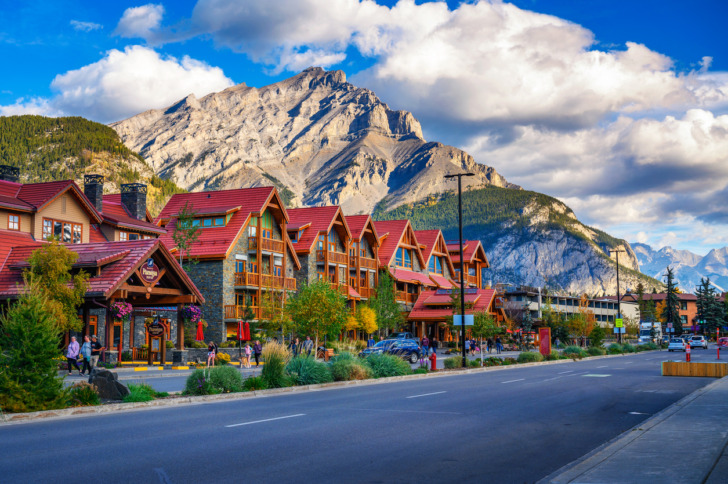
Banff is one of Canada’s most famous mountain towns, sitting inside Banff National Park in Alberta, surrounded by the Canadian Rockies, turquoise lakes, pine forests, glaciers, wildlife, and peaks that look almost aggressively photogenic.
It is about 125 kilometers west of Calgary and works as a base for Lake Louise, Moraine Lake, the Icefields Parkway, Johnston Canyon, Sulphur Mountain, and some of the best hiking and skiing in North America.
Banff is extremely safe from a crime perspective, but it is not a theme park.
The real risks come from nature: bears, elk, icy roads, avalanches, cold water, sudden weather changes, wildfire smoke, and tourists who forget that a beautiful mountain setting can still be very serious.
Banff is safe, but only if you respect the place.
Warnings & Dangers in Banff

OVERALL RISK: LOW
Banff is very safe for travelers, especially when it comes to crime. The town is clean, organized, and built around tourism. The main risks are outdoor-related rather than urban: wildlife encounters, winter driving, hiking mistakes, cold lakes, avalanches, and weather changes. Prepared travelers should feel very comfortable here.

TRANSPORT & TAXIS RISK: LOW
Transport in Banff is safe and well organized, with shuttle buses, regional buses, taxis, hotel shuttles, and rental cars available. The bigger concerns are winter road safety, parking shortages, and mountain driving. If you visit in snowy or icy conditions, drive slowly, check road reports, and consider using shuttles instead.

PICKPOCKETS RISK: LOW
Pickpocketing is not a major issue in Banff. The town is small, tourist-friendly, and generally very safe. Still, busy areas like Banff Avenue, Lake Louise, gondola lines, bus stops, and hotel lobbies can get crowded. Keep bags closed and do not leave phones, wallets, or cameras unattended in cafes or parked cars.

NATURAL DISASTERS RISK: MEDIUM
Banff has a medium natural risk because it is a mountain destination. Avalanches, snowstorms, wildfires, wildfire smoke, rockfall, floods, extreme cold, icy trails, and sudden weather changes can affect travel. Most tourists are fine, but outdoor plans should always be adjusted to the season, weather, and official warnings.

MUGGING RISK: LOW
Mugging is very rare in Banff. The town center, hotels, restaurants, viewpoints, and public areas are generally safe during the day and evening. Still, avoid walking alone late at night on dark trails or quiet roads, especially after drinking. In Banff, wildlife is often a bigger nighttime concern than people.

TERRORISM RISK: LOW
The terrorism risk in Banff is low. It is a peaceful mountain tourism destination, not a major political or financial target. Travelers should still stay aware in crowded public areas and transport hubs, but terrorism is not a realistic everyday concern for most visitors here.

SCAMS RISK: LOW
Scams are uncommon in Banff. The main issue is cost, not deception. Hotels, tours, restaurants, parking, rental cars, ski passes, and last-minute bookings can be expensive. Book through reputable operators, check cancellation rules, and be cautious with unofficial accommodation offers during peak season.

WOMEN TRAVELERS RISK: LOW
Banff is very safe for women travelers, including solo women. The town is walkable, busy, and visitor-friendly. Normal precautions still apply: use well-lit routes at night, avoid isolated trails alone, share hiking plans, use trusted transport after drinking, and choose group hikes if heading into more remote areas.

TAP WATER RISK: LOW
Tap water in Banff is safe to drink and of high quality. Bring a reusable water bottle, especially for hikes, lake walks, ski days, and summer sightseeing. For backcountry hiking, do not drink directly from streams or lakes without filtering or treating the water, no matter how pure it looks.
Safest Places to Visit in Banff
Banff Avenue
Banff Avenue is the safest and easiest place to start.
It is the town’s main street, lined with restaurants, hotels, shops, outfitters, cafes, and mountain views that make even buying toothpaste feel scenic.
It is busy, well-lit, and comfortable during the day and evening.
The biggest risks here are crowds, icy sidewalks in winter, and spending more than planned on outdoor gear or maple-flavored souvenirs.
Bow River Trail
The Bow River area near town is safe, scenic, and great for an easy walk.
It offers river views, forested paths, bridges, and access to viewpoints without needing a serious hiking plan.
Stay on marked paths, keep distance from wildlife, and be cautious in winter when snow and ice can make the trail slippery.
Sulphur Mountain and Banff Gondola
The Banff Gondola is a safe, organized, and popular way to get big mountain views without a demanding hike.
The boardwalk at the top is well-maintained, but the weather can be colder and windier than in town.
Bring layers, stay behind barriers, and check visibility before paying if your main goal is the view.
Lake Louise
Lake Louise is one of the safest and most famous places in the national park when visited with planning.
It is busy, well-managed, and beautiful in every season.
The main issues are parking, winter ice, crowded viewpoints, and trail safety if you hike beyond the lakefront.
In summer, use shuttles when required or recommended.
Johnston Canyon
Johnston Canyon is a popular, safe, and family-friendly hike when conditions are good.
The trail has railings, catwalks, waterfalls, and dramatic canyon views.
It can be icy in winter and crowded in summer, so proper footwear matters.
Microspikes can be very helpful in cold months.
Do not climb barriers or leave the marked trail.
Places to Avoid in Banff
Unmarked Trails and Closed Areas
If a trail is closed, there is usually a serious reason: wildlife activity, avalanche risk, rockfall, construction, flooding, or environmental protection.
Do not ignore closure signs for photos or shortcuts.
Banff is heavily protected, and rules exist for both visitor safety and wildlife conservation.
Areas With Wildlife Crowds
When bears, elk, bighorn sheep, or other animals appear near roads, tourists often create unsafe roadside crowds.
Do not join the chaos.
Stay in your vehicle if appropriate, keep distance, never feed wildlife, and do not block traffic.
Elk may look calm, but they can injure people, especially during calving or rutting season.
Backcountry Routes Without Experience
Banff’s backcountry is beautiful but serious.
Remote trails, alpine passes, winter routes, and wilderness areas require navigation, gear, weather awareness, and sometimes permits.
Avoid heading deep into the backcountry without experience or a guide.
Cell service can be unreliable, and rescue is not instant.
Frozen Lakes Unless Clearly Open
Frozen lakes look magical, but ice thickness can vary.
Do not walk, skate, or take photos on frozen water unless it is clearly marked or locally confirmed as safe.
This is especially important during early winter, spring, and near moving water.
A turquoise lake selfie is not worth a rescue.
Roads During Severe Winter Weather
The roads around Banff can become dangerous during snowstorms, icy conditions, or poor visibility.
Avoid unnecessary driving during severe weather, especially on mountain roads, early in the morning, and after dark.
If you are not used to winter driving, use shuttles or delay your trip.
Safety Tips for Traveling to Banff
- Keep a serious distance from wildlife. This is the big one. Banff is home to bears, elk, deer, moose, wolves, coyotes, and bighorn sheep. They are not props. Stay far back, never feed animals, and do not approach for photos. Elk can be especially underestimated because they may wander near town and look harmless. They are not harmless. Give wildlife room and use zoom instead of your feet.
- Carry bear spray when hiking. If you plan to hike outside busy town paths, carry bear spray, know how to use it, and keep it accessible. Do not bury it in your backpack like a decorative safety talisman. Make noise on trails, hike in groups when possible, and be extra alert near berry patches, dense brush, running water, and early morning or evening hours.
- Check trail conditions before hiking. Banff trails change with weather, season, wildlife activity, snow, mud, ice, and closures. A trail that looks easy online may be unsafe on the day you visit. Check current conditions before leaving, choose a route that matches your fitness and gear, and turn around if conditions get worse. The mountain will still be there tomorrow. Your ankles would like to be there too.
- Dress in layers. Mountain weather is moody. Banff can be sunny in town, windy at a viewpoint, cold on a gondola summit, and rainy by afternoon. Bring layers, even in summer. A light rain jacket, warm layer, hat, and comfortable shoes can save your day. In winter, dress for real cold, not city cold.
- Use shuttles for busy lake areas. Lake Louise and Moraine Lake are extremely popular, and parking can be difficult or restricted. Shuttles are often the easiest and safest option. They reduce stress, protect the park, and keep you from circling lots at sunrise with the emotional stability of a raccoon in traffic.
- Do not rely on cell service everywhere. Banff town has service, but many trails, valleys, roads, and backcountry areas may not. Download offline maps, save hotel information, and tell someone where you are going if hiking. For longer or remote routes, consider carrying emergency communication gear. A dead signal is not a plan.
- Be careful around lakes and rivers. Banff’s water is stunning, but it is often extremely cold. Cold shock can affect strong swimmers quickly. Do not swim far out, do not jump into unknown water, and be cautious near fast-moving rivers. Canoeing and paddleboarding are wonderful, but wear a life jacket and respect wind conditions.
- Prepare for winter driving. If visiting in winter, understand that snow tires, slow speeds, and flexible timing matter. Roads can be icy, visibility can drop, and wildlife may appear suddenly. Keep extra warm clothing in the car, check road conditions, and do not rush. If you are uncomfortable with winter mountain driving, use buses, tours, or shuttles.
- Watch for wildfire smoke in summer. Summer in western Canada can bring wildfire smoke, even when fires are far away. Smoke can affect views, breathing comfort, hiking plans, and outdoor activities. If you have asthma, allergies, or respiratory issues, check air quality and adjust plans. Indoor attractions, shorter walks, and lower-intensity days may be smarter during smoky periods.
- Book early and avoid last-minute scrambling. Banff is popular and expensive, especially in summer, ski season, and holiday periods. Book accommodation, shuttles, rental cars, and major activities early. Last-minute scrambling can lead to overpriced rooms, poor transport options, or risky itinerary choices. Planning is not just convenient in Banff. It is part of traveling safely and sanely.
So... How Safe Is Banff Really?
Banff is extremely safe in the usual travel-crime sense.
Violent crime is rare, the town is well managed, public spaces are clean, and the tourism infrastructure is excellent.
Families, solo travelers, couples, older visitors, hikers, skiers, and road-trippers can all feel comfortable here.
If your idea of safety is “Will I feel okay walking around town at night?” the answer is yes, especially in central areas.
But Banff’s real safety story is about nature.
This is a national park in the Canadian Rockies, not just a pretty mountain town with coffee shops.
Wildlife is real.
Weather changes fast.
Winter roads can be dangerous.
Lakes are cold.
Avalanche terrain exists.
Wildfire smoke can affect summer travel.
Trails can close because of bears, snow, mud, or rockfall.
I would rate Banff as low risk overall, with medium risk for outdoor activities, winter driving, and backcountry travel.
The safest visitors are not fearful.
They are prepared.
Stay on marked trails, respect closures, carry bear spray when hiking, use proper gear, check conditions, and never treat wildlife like entertainment.
Do that, and Banff is one of the safest and most spectacular destinations in North America.
How Does Banff Compare?
| City | Safety Index |
|---|---|
| Banff |
91 |
| Brampton |
82 |
| Vancouver |
80 |
| Burnaby |
65 |
| Coquitlam |
86 |
| Edmonton |
86 |
| Guelph |
84 |
 Jefferson City Jefferson City | 75 |
| Athens | 58 |
| Palm Springs | 65 |
 Nanjing Nanjing | 78 |
 Noord Noord | 88 |
| McKinney | 84 |
Useful Information

Visas
Banff is in Canada, so entry rules depend on your nationality. Many travelers need either an Electronic Travel Authorization or a visitor visa. U.S. citizens usually do not need an Electronic Travel Authorization for air travel but still need valid travel documents. Most tourist stays are allowed for up to 6 months, depending on border approval.

Currency
Banff uses the Canadian dollar. Credit and debit cards are widely accepted almost everywhere, including hotels, restaurants, shops, attractions, and tour operators. Cash is useful for small purchases, tips, laundromats, or backup. ATMs are available in town, but fees can be high, so bring a good travel card.

Weather
Banff has cool mountain weather, even in summer. Winters are cold and snowy, spring can be muddy and unpredictable, summer is pleasant but busy, and autumn is crisp with beautiful colors. Pack layers year-round, plus rain protection, warm clothing for high elevations, and proper shoes. In winter, bring serious cold-weather gear.

Airports
The closest major airport is Calgary International Airport, about 1.5 to 2 hours from Banff by road. Most visitors arrive in Calgary, then take a rental car, shuttle, bus, or private transfer. Banff itself does not have a commercial airport. In winter, allow extra travel time for snow or icy road conditions.

Travel Insurance
Travel insurance is strongly recommended for Banff, especially if you plan to hike, ski, snowboard, bike, kayak, or do backcountry activities. Medical care, rescue, cancellations, rental car issues, lost luggage, and weather disruptions can be expensive. Make sure your policy covers winter sports or adventure activities if they are part of your trip.
Canada - Safety by City
| City | Safety Index |
|---|---|
| Abbotsford | 83 |
| Banff | 91 |
| Brampton | 82 |
| Burnaby | 65 |
| Calgary | 85 |
| Charlottetown | 88 |
| Coquitlam | 86 |
| Edmonton | 86 |
| Fredericton | 87 |
| Guelph | 84 |
| Halifax | 79 |
| Hamilton | 76 |
| Jasper | 90 |
| Kelowna | 76 |
| Kitchener | 75 |
| Mississauga | 85 |
| Montreal | 82 |
| Nanaimo | 32 |
| Niagara Falls | 87 |
| Oakville | 83 |
| Oshawa | 42 |
| Ottawa | 83 |
| Quebec City | 88 |
| Red Deer | 32 |
| Regina | 74 |
| Saskatoon | 73 |
| Sherbrooke | 82 |
| Thunder Bay | 65 |
| Tofino | 86 |
| Toronto | 83 |
| Vancouver | 80 |
| Victoria | 82 |
| Whistler | 88 |
| Windsor | 81 |
| Winnipeg | 78 |












Wait, did you actually see bears up close there or just hear about them around Sulphur Mountain trails?