


 Switzerland : Safety by City
Switzerland - safety as a country
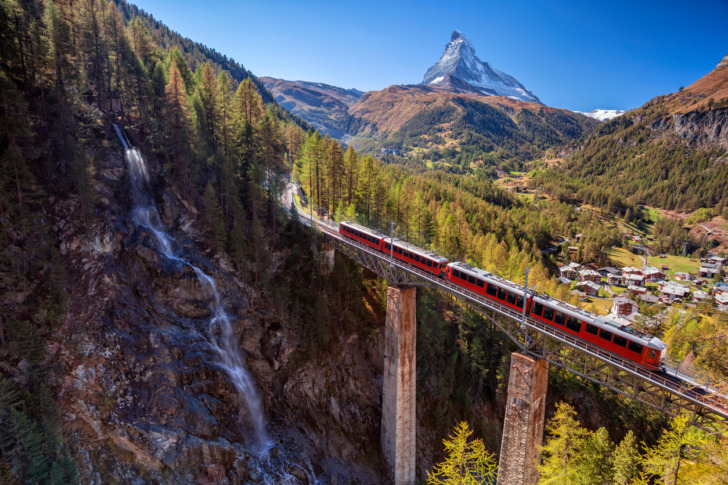
Zermatt is one of Switzerland’s most famous mountain destinations, sitting in the canton of Valais near the Italian border, right below the legendary Matterhorn.
It is car-free, alpine, polished, expensive, and wildly scenic, with electric taxis, wooden chalets, ski lifts, glacier views, hiking trails, fondue restaurants, and mountain railways that make every outing feel like a postcard with a price tag.
Travelers come for skiing, hiking, climbing, mountain biking, the Gornergrat Railway, Matterhorn Glacier Paradise, and those classic Matterhorn sunrise photos that make everyone suddenly believe they are a landscape photographer.
Zermatt is extremely safe from a crime perspective, but it is still a serious alpine destination.
The biggest risks are altitude, avalanches, glacier hazards, winter conditions, sudden weather changes, expensive mistakes, and tourists underestimating the mountains because the village feels so clean and comfortable.
Warnings & Dangers in Zermatt

OVERALL RISK: LOW
Zermatt is very safe for travelers. Violent crime is rare, the village is clean and orderly, and tourism infrastructure is excellent. The main risks are outdoor-related: altitude sickness, avalanches, icy paths, mountain weather, skiing accidents, glacier hazards, and hiking beyond your ability. Prepared visitors should feel very comfortable here.

TRANSPORT & TAXIS RISK: LOW
Zermatt is car-free, which makes the village safer and calmer than many resort towns. Most visitors arrive by train, usually via Täsch, then walk, use hotel pickups, electric taxis, or small electric buses. Transport is safe and efficient, but mountain lifts and trains are expensive, and weather can affect operations.

PICKPOCKETS RISK: LOW
Pickpocketing is uncommon in Zermatt, but it can happen in busy train stations, lift queues, restaurants, ski areas, and crowded viewpoints. The relaxed luxury atmosphere can make travelers careless. Keep bags closed, phones secure, and ski gear supervised, especially around Gornergrat, Matterhorn viewpoints, and après-ski spots.

NATURAL DISASTERS RISK: MEDIUM
Zermatt has a medium natural risk because it sits in a high-alpine environment. Avalanches, rockfall, snowstorms, glacier hazards, landslides, extreme cold, sudden weather changes, and flooding can affect travel. The village itself is well managed, but mountain activities require checking conditions and respecting closures.

MUGGING RISK: LOW
Mugging is very rare in Zermatt. The village center, hotel areas, train station, restaurants, and main pedestrian streets are generally safe day and night. Still, use normal caution late at night, especially after drinking, and avoid wandering onto dark trails or icy paths outside the village core.

TERRORISM RISK: LOW
The terrorism risk in Zermatt is low. It is a peaceful alpine resort rather than a major political or business target. Travelers should stay generally aware in transport hubs and crowded events, but terrorism is not a realistic everyday concern here. Mountain safety is far more important.

SCAMS RISK: LOW
Scams are rare in Zermatt. The main shock is cost. Hotels, restaurants, ski passes, taxis, equipment rentals, lessons, and mountain excursions can be very expensive. Book through reputable providers, check cancellation rules, and confirm what is included before paying. Zermatt does not usually scam you. It just invoices you very confidently.

WOMEN TRAVELERS RISK: LOW
Zermatt is very safe for women travelers, including solo women. The village is walkable, public areas are calm, and harassment is not a major issue. Normal precautions still apply: avoid isolated trails at night, watch drinks in après-ski settings, and use guided groups for challenging mountain routes.

TAP WATER RISK: LOW
Tap water in Zermatt is safe to drink and of excellent quality. Public fountains in Switzerland are usually drinkable unless marked otherwise. Bring a reusable bottle, especially for hikes and ski days. For mountain streams, do not drink untreated water unless you are certain it is safe.
Safest Places to Visit in Zermatt
Zermatt Village Center
The village center is one of the safest and easiest places to explore.
With no regular car traffic, walking around feels calm and comfortable.
You will find hotels, restaurants, shops, bakeries, ski rental stores, and views of the Matterhorn from certain streets.
The main things to watch are icy winter paths, electric taxis, and the emotional damage of checking restaurant prices.
Gornergrat Railway
The Gornergrat Railway is one of Zermatt’s safest and most iconic mountain experiences.
It takes visitors up to sweeping views of the Matterhorn, glaciers, and surrounding peaks without needing technical hiking skills.
The stations and viewpoints are well managed, but the weather changes quickly at altitude.
Bring layers, sunglasses, and proper shoes.
Matterhorn Museum
The Matterhorn Museum is a safe and useful stop, especially in bad weather.
It gives context to Zermatt’s mountaineering history, village life, and the famous early Matterhorn climbs.
It is central, indoors, and easy to visit.
It is also a smart reminder that the mountains around Zermatt are beautiful, but not casual.
Sunnegga
Sunnegga is a popular and safe excursion above the village, reached by funicular.
It is great for Matterhorn views, family activities, beginner-friendly winter areas, and access to hiking routes.
It is safe when you stay on marked paths and follow the weather conditions.
In winter, be careful on snow and ice around viewpoints.
Matterhorn Glacier Paradise
Matterhorn Glacier Paradise is a spectacular high-altitude experience reached by cable cars.
It is safe when visited as a tourist attraction, but altitude can affect some people.
Move slowly, drink water, and avoid rushing around if you feel dizzy or short of breath.
Weather and lift operations can change quickly, so check conditions before going.
Places to Avoid in Zermatt
Closed Trails and Ski Runs
If a trail, piste, or route is closed, avoid it completely.
Closures may be due to avalanche danger, rockfall, unstable snow, poor visibility, maintenance, or environmental protection.
Ignoring signs in Zermatt is not adventurous.
It is how a scenic vacation turns into a rescue bill with a view.
Glaciers Without a Guide
Glaciers around Zermatt are serious alpine terrain.
Crevasses, snow bridges, weather changes, and navigation problems make unguided glacier travel dangerous.
Do not walk onto glaciers or off marked routes without proper equipment and a qualified guide.
Even experienced hikers can get into trouble quickly.
High Trails in Bad Weather
Fog, thunderstorms, snow, strong wind, and sudden temperature drops can make high trails dangerous.
Avoid committing to exposed routes if the forecast is uncertain.
Choose lower village walks, museums, cafes, or train-based viewpoints instead.
In Zermatt, changing plans is often the smartest safety decision.
Icy Village Paths Late at Night
The village is safe, but winter ice can be sneaky, especially after dinner or après-ski.
Some side streets and paths can become slippery.
Wear shoes with good grip, walk slowly, and avoid taking dark shortcuts after drinking.
Falling on ice is not glamorous, even if the Matterhorn is watching.
Off-Piste Ski Areas Without Proper Gear
Zermatt is a major ski destination, but off-piste skiing is not for casual visitors.
Avalanches, crevasses, hidden rocks, and poor visibility are real hazards.
Only go off-piste with avalanche equipment, training, local knowledge, and ideally a qualified mountain guide.
If in doubt, stay on marked pistes.
Safety Tips for Traveling to Zermatt
- Check mountain conditions every morning. Zermatt’s safety depends heavily on weather, lift status, avalanche warnings, visibility, and trail conditions. Check before you leave your hotel, especially if you plan to ski, hike, ride lifts, or visit high viewpoints. A clear village morning does not guarantee safe conditions higher up. The mountain makes its own schedule, and it does not care about your hotel checkout time.
- Respect altitude. Zermatt village is already high, and places like Gornergrat and Matterhorn Glacier Paradise are much higher. Some travelers may feel lightheaded, tired, short of breath, or headachy at altitude. Move slowly, drink water, avoid heavy alcohol before high excursions, and descend if symptoms worsen. Do not try to tough it out for a photo.
- Stay on marked paths and pistes. Marked routes exist for a reason. They keep travelers away from avalanche zones, cliffs, crevasses, unstable slopes, and protected areas. Whether hiking in summer or skiing in winter, stay where you are supposed to be unless you have the right skills, gear, and guidance. Zermatt is beautiful, but it is not forgiving of random improvisation.
- Use guides for serious mountain activities. If you plan to climb, glacier travel, ski touring, off-piste skiing, advanced hikes, or high-alpine routes, hire a qualified guide. This is not the place to rely on enthusiasm and a phone map. Guides understand terrain, weather, equipment, and local hazards. Yes, it costs money. So does being rescued from somewhere you should not have gone.
- Wear proper footwear. Zermatt involves walking, snow, slopes, cobblestones, trails, lifts, platforms, and icy winter surfaces. Bring footwear with grip. In winter, consider traction aids for walking around the village or on packed-snow paths. In summer, use real hiking shoes for trails. Fashion boots may look nice until the ground decides to humble you.
- Budget before booking activities. Zermatt is expensive, even by Swiss standards. Mountain railways, ski passes, restaurants, hotels, rentals, taxis, and lessons add up fast. Check prices before committing, and compare whether passes make sense for your plans. A safe trip also means not panicking after realizing lunch for two costs more than your monthly streaming subscriptions.
- Prepare for strong sun. At altitude, sun exposure can be intense, especially with snow or glacier reflection. Use sunscreen, sunglasses, and lip balm with protection. This matters in both winter and summer. Many visitors underestimate the alpine sun because the air feels cold. Cold air can still cook your face like a confused toaster.
- Keep an eye on children near paths and platforms. Zermatt is family-friendly, but the mountains require supervision. Viewing platforms, steep paths, lift stations, train platforms, snowbanks, and lake edges all need attention. Keep children close, especially in crowded or icy areas. The infrastructure is excellent, but alpine settings still require active parenting.
- Plan your arrival through Täsch. Private cars are not allowed into Zermatt for most visitors. Most people drive or transfer to Täsch, then take the train into Zermatt. Know this before arrival so you do not end up confused, late, or paying more than expected. If you have heavy luggage, arrange hotel pickup from the Zermatt train station.
- Watch alcohol during après-ski. Zermatt has excellent restaurants and après-ski options, but alcohol plus altitude, cold, darkness, and icy paths is a risky mix. Know your limits, eat properly, drink water, and plan how you are getting back. The village is safe, but slipping on ice after fondue and wine is still a very Swiss-flavored problem.
So... How Safe Is Zermatt Really?
Zermatt is one of the safest mountain towns in Europe in terms of crime.
Violent crime is rare, the village is orderly, transport is efficient, and tourism services are highly professional.
Families, solo travelers, couples, older visitors, skiers, hikers, and first-time Switzerland visitors can all feel comfortable here.
The car-free setup makes the village especially pleasant and pedestrian-friendly.
The real safety picture is alpine, not urban. Zermatt sits in serious mountain terrain.
Weather changes quickly, altitude affects some visitors, avalanches are a winter concern, glaciers are dangerous without guides, and hiking trails vary widely in difficulty.
The village can feel so polished that visitors forget they are surrounded by some of the highest and most demanding mountains in Europe.
I would rate Zermatt as low risk overall, with medium risk for mountain activities, winter sports, and high-altitude excursions.
The safest travelers respect signs, check conditions, stay on marked routes, use guides when needed, wear proper gear, and avoid treating the Alps like a scenic amusement park.
Do that, and Zermatt is a safe, spectacular, bucket-list destination.
How Does Zermatt Compare?
| City | Safety Index |
|---|---|
| Zermatt |
93 |
| Interlaken |
90 |
| Geneva |
90 |
| Bern |
85 |
| Lausanne |
78 |
| Basel |
87 |
| St. Moritz |
93 |
 Fredericton Fredericton | 87 |
 Guadalajara Guadalajara | 60 |
 Fort Smith Fort Smith | 83 |
| Prairieville | 72 |
 Flatts Village Flatts Village | 89 |
| Pennsylvania | 59 |
Useful Information

Visas
Switzerland is part of the Schengen Area. Many travelers can visit visa-free for up to 90 days in a 180-day period, while others need a Schengen visa before arrival. Your Schengen allowance applies across multiple countries, not just Switzerland. Check passport validity and entry requirements before traveling.

Currency
Zermatt uses the Swiss franc. Cards are widely accepted in hotels, restaurants, shops, rentals, and lift offices, but some cash is useful for small purchases or backup. Euros may occasionally be accepted in tourist businesses, but exchange rates are usually not ideal. Expect prices to be high.

Weather
Zermatt has cool alpine weather, snowy winters, mild summers, and fast-changing mountain conditions. Winter is prime ski season, while summer is best for hiking and high viewpoints. Pack layers, sun protection, rain gear, and warm clothing year-round. Conditions at altitude can be much colder than in the village.

Airports
Zermatt has no commercial airport and is car-free. Most international travelers arrive through Zurich, Geneva, or Milan airports, then continue by train. The final stretch usually goes through Visp and Täsch before the train into Zermatt. Swiss rail connections are efficient, but allow extra time during winter weather.

Travel Insurance
Travel insurance is strongly recommended for Zermatt, especially if you plan to ski, snowboard, hike, climb, glacier visits, or other mountain activities. Make sure your policy covers winter sports, rescue, medical care, cancellations, delays, lost luggage, and expensive prepaid bookings. Mountain rescue and medical costs can be very high.
Zermatt Weather Averages (Temperatures)
Average High/Low Temperature
| Temperature / Month | Jan | Feb | Mar | Apr | May | Jun | Jul | Aug | Sep | Oct | Nov | Dec |
|---|---|---|---|---|---|---|---|---|---|---|---|---|
| High °C |
-5 | -3 | 1 | 5 | 10 | 14 | 16 | 16 | 13 | 9 | 2 | -4 |
| Low °C |
-13 | -11 | -8 | -4 | 0 | 4 | 7 | 7 | 4 | 1 | -5 | -11 |
| High °F |
23 | 27 | 34 | 41 | 50 | 57 | 61 | 61 | 55 | 48 | 36 | 25 |
| Low °F |
9 | 12 | 18 | 25 | 32 | 39 | 45 | 45 | 39 | 34 | 23 | 12 |
Switzerland - Safety by City
| City | Safety Index |
|---|---|
| Basel | 87 |
| Bern | 85 |
| Geneva | 90 |
| Interlaken | 90 |
| Lausanne | 78 |
| Lucerne | 91 |
| St. Moritz | 93 |
| Zermatt | 93 |
| Zurich | 92 |
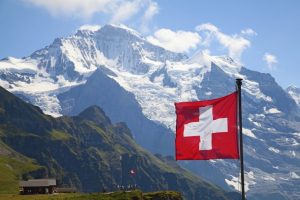



Trying to snap the perfect sunrise shot by the Matterhorn definitely makes you realize how early and cold those postcard moments really are, but it’s totally worth the shivers.