 Switzerland : Safety by City
Switzerland - safety as a country
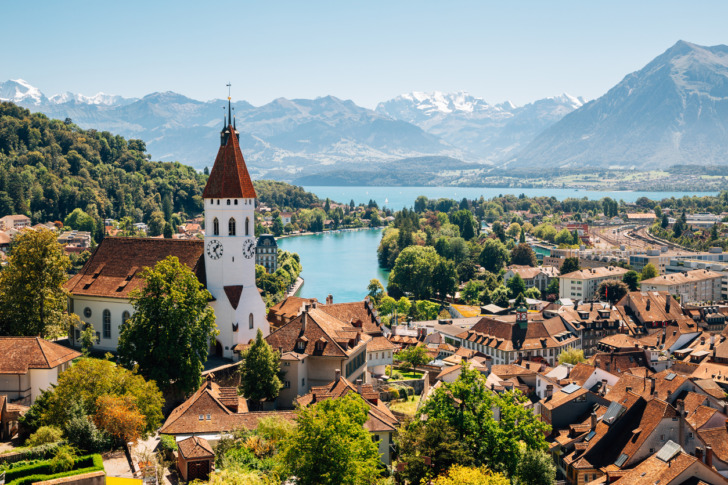
Interlaken is one of Switzerland’s great adventure bases, tucked between Lake Thun and Lake Brienz in the Bernese Oberland, with the Alps rising around it like a movie backdrop that forgot to be subtle.
The town itself is small, walkable, clean, and extremely tourist-friendly, but its real magic is what surrounds it: Lauterbrunnen, Grindelwald, Jungfraujoch, Harder Kulm, paragliding, canyoning, hiking, lake cruises, and mountain trains that seem determined to empty your wallet in the most scenic way possible.
Interlaken is very safe from a crime perspective, but it is not a place to treat casually.
The main risks are outdoor-related: mountain weather, adventure sports, slippery trails, cold water, winter conditions, and tourists underestimating the Alps because the views look so peaceful.
Warnings & Dangers in Interlaken

OVERALL RISK: LOW
Interlaken is a low-risk destination for crime and personal safety. The town is orderly, clean, and well set up for visitors. The bigger concerns are outdoor hazards, expensive mistakes, winter conditions, and petty theft in busy tourist areas. Most travelers feel very safe here, especially in the town center and main hotel zones.

TRANSPORT & TAXIS RISK: LOW
Transport in Interlaken is safe, reliable, and easy to use. Trains, buses, boats, cable cars, and mountain railways are well organized, though they can be expensive. Taxis are safe but usually unnecessary unless you have luggage or arrive late. The main risk is missing last connections after mountain excursions or buying the wrong ticket.

PICKPOCKETS RISK: LOW
Pickpocketing is not a major issue in Interlaken, but it can happen around Interlaken Ost, Interlaken West, crowded trains, lake boats, and busy viewpoints. The town feels so safe that tourists sometimes leave bags open or phones on tables. Keep valuables secure, especially when moving with luggage.

NATURAL DISASTERS RISK: MEDIUM
Interlaken's natural disaster risk is moderate because of its alpine setting. Heavy rain, landslides, flooding, avalanches in mountain areas, rockfall, thunderstorms, snow, and sudden weather changes can affect travel. The town itself is safe, but mountain trips require planning. Always check weather, trail status, and transport updates before heading out.

MUGGING RISK: LOW
Mugging is very rare in Interlaken. The town center, hotel areas, train stations, and main streets are generally safe during the day and evening. Still, use normal caution if walking alone late at night, especially after drinking. Serious street crime is not something most travelers need to worry about.

TERRORISM RISK: LOW
The terrorism risk in Interlaken is low. Switzerland is stable and secure, and Interlaken is more of a mountain tourism hub than a major political or commercial target. As always, stay aware in transport hubs and crowded public areas, but this is not a significant practical concern for most visitors.

SCAMS RISK: LOW
Scams are uncommon in Interlaken, but tourist pricing can feel aggressive if you are not prepared. The real issue is unclear costs for tours, excursions, rentals, and mountain tickets. Book activities through reputable operators, check cancellation rules, and confirm what is included before paying. Switzerland is not cheap, and Interlaken is very good at proving it.

WOMEN TRAVELERS RISK: LOW
Interlaken is very safe for women travelers, including solo women. The town is walkable, public transport is reliable, and harassment is not a major concern. Normal precautions still apply: use well-lit routes at night, avoid isolated paths after dark, watch drinks in bars, and choose licensed operators for adventure activities.

TAP WATER RISK: LOW
Tap water in Interlaken is safe to drink and excellent quality. Public fountains in Switzerland are often drinkable unless marked otherwise. A reusable water bottle is a smart choice, especially for hikes, lake walks, and mountain excursions, where bottled water can be expensive and you will want to stay hydrated.
Safest Places to Visit in Interlaken
Höheweg
Höheweg is Interlaken’s main promenade and one of the safest, easiest places to start.
It runs through the center of town with hotels, shops, cafes, gardens, and views of the Jungfrau on clear days.
You will also see paragliders landing on the open field nearby, which gives the whole area a fun, slightly surreal energy.
It is safe day and evening, though you should still watch your belongings around busy cafes and photo spots.
Harder Kulm
Harder Kulm is one of the most popular viewpoints above Interlaken, reached by funicular from near Interlaken Ost.
The ride and viewing platform are well managed, and it is a safe excursion when weather is good.
The main risks are slippery paths, crowded photo areas, and leaning too far for pictures.
Stay behind barriers, wear proper shoes, and check the schedule for the last ride down.
Lake Brienz and Lake Thun
The lakes are gorgeous, calm-looking, and generally safe for boat cruises, waterfront walks, and scenic photos.
Lake cruises are well organized and a great low-stress way to enjoy the area.
Swimming is possible in designated places, but the water can be cold, and conditions change.
Treat lake safety seriously, especially with children or after alcohol.
Unterseen
Unterseen, just across the river from Interlaken’s main center, is quieter and more local-feeling.
It has pretty streets, cafes, small hotels, and easy access to both Interlaken West and central areas.
It is safe, calm, and a nice place to stay if you want less tourist buzz while still being close to everything.
Lauterbrunnen and Grindelwald Day Trips
These nearby mountain villages are not technically Interlaken, but many travelers use Interlaken as the base for visiting them.
Both are very safe and extremely popular.
The risk comes from weather, hiking choices, and transport timing rather than crime.
Go early, wear suitable clothing, and do not start hikes late in the day without knowing the route.
Places to Avoid in Interlaken
Mountain Trails in Bad Weather
The most important areas to avoid are not neighborhoods, but outdoor routes when conditions are poor.
Fog, rain, snow, ice, thunderstorms, or strong wind can make even scenic trails risky.
If signs say a trail is closed, do not ignore them.
The Alps do not care that you only have 2 days in town.
Isolated Lake Areas at Night
Lake Thun and Lake Brienz are beautiful, but quiet waterfront areas can become very dark after sunset.
Crime risk is low, but slips, cold water, and lack of help nearby are real concerns.
Avoid wandering alone near remote lake edges late at night, especially after drinking or in bad weather.
Train Stations When Distracted With Luggage
Interlaken Ost and Interlaken West are safe, but they are busy travel points where visitors are often distracted.
You may be checking platforms, tickets, hotel directions, and luggage all at once.
That is when small thefts are most likely.
Keep bags close and do not leave luggage unattended.
Cheap or Vague Adventure Operators
Interlaken is famous for adventure sports, including paragliding, canyoning, rafting, skydiving, and winter activities.
These can be fantastic, but only with proper operators.
Avoid companies with unclear safety procedures, vague pricing, poor reviews, or pressure to book immediately.
Adventure activities should feel exciting, not sketchy.
Overambitious Day-Trip Plans
Interlaken tempts travelers into cramming too much into one day: Jungfraujoch, Lauterbrunnen, Grindelwald, boat rides, hikes, and dinner back in town.
That is how people rush, miss connections, hike tired, or get stuck after the last train.
Avoid plans that depend on perfect weather, perfect timing, and superhero energy.
Safety Tips for Traveling to Interlaken
- Check mountain weather every morning. Interlaken’s town weather does not always tell you what is happening higher up. A pleasant morning near the lakes can mean fog, snow, wind, or poor visibility in the mountains. Before going to Jungfraujoch, Grindelwald, Lauterbrunnen, Harder Kulm, Schynige Platte, or any hiking area, check weather and live conditions. Good planning saves money, time, and potential danger.
- Do not underestimate alpine trails. Some trails around Interlaken look easy on a map but involve steep climbs, uneven ground, exposure, mud, snow patches, or long descents. Wear proper shoes, bring water, and know your route before starting. Do not begin a hike late in the day unless it is short and clearly marked. The safest hikers are the ones who turn around before things get stupid.
- Use reputable adventure companies. Interlaken is one of Europe’s biggest adventure-sports hubs, and that is part of its charm. Paragliding, canyoning, rafting, and skydiving can be amazing, but safety depends on professional guides, proper equipment, weather judgment, and clear briefings. Book through established operators, listen carefully, and do not hide medical conditions or swimming ability.
- Keep track of last trains and cable cars. Many mountain excursions depend on timed transport. Missing the last funicular, train, cable car, or bus can become expensive or stressful fast. Before heading out, check the return schedule and build in extra time. This matters especially in winter, bad weather, or when visiting higher-altitude attractions where conditions can slow everything down.
- Dress in layers. Interlaken can feel mild in town while mountain areas are cold, windy, or wet. Bring layers even in summer if you are going higher. A light jacket, rain layer, and warm mid-layer can make the difference between a beautiful day and an expensive shiver-fest. Sunglasses and sunscreen are also useful because alpine sun can be strong.
- Be careful around lakes and rivers. Lake Brienz, Lake Thun, and the Aare River are gorgeous, but cold water is serious. Do not jump into unknown water, swim alone, or enter fast-moving river sections without local knowledge. Cold shock can affect even confident swimmers. For swimming, use designated spots and pay attention to signs, weather, and boat traffic.
- Budget before booking excursions. Interlaken is safe, but your wallet may need emotional support. Mountain railways, Jungfraujoch tickets, guided activities, restaurants, and hotels can be expensive. Check prices and cancellation terms before committing. A travel pass may help if you plan several trips, but do the math first. Rushed bookings are where budgets go to disappear.
- Secure valuables in tourist areas. Crime risk is low, but tourists carrying cameras, phones, passports, and cash are still targets for opportunistic theft. Be most alert around train stations, busy viewpoints, boat docks, and crowded trains. Use a zipped bag, keep phones out of back pockets, and avoid leaving valuables unattended while taking photos or eating outside.
- Respect winter conditions. Winter in Interlaken can be magical, but ice, snow, short daylight, and mountain weather change the safety picture. Wear shoes with grip, walk carefully on icy paths, and do not hike closed trails. If skiing, sledding, or snowshoeing, use marked routes and proper gear. Winter scenery is lovely. Winter overconfidence is less lovely.
- Choose accommodation near transport. Staying near Interlaken Ost, Interlaken West, Höheweg, or Unterseen can make your trip much easier and safer. You will have better access to trains, buses, restaurants, shops, and excursion departures. Remote stays can be beautiful, but they may require more planning, especially at night or when weather changes quickly.
So... How Safe Is Interlaken Really?
Interlaken is very safe for travelers when it comes to crime.
Violent incidents are rare, public transport is reliable, streets are orderly, and the town is built around tourism.
Solo travelers, couples, families, older visitors, and first-time Switzerland travelers can all feel comfortable here.
Walking through the center, using the stations, taking lake boats, and visiting main viewpoints are all low-risk activities.
The deeper safety story is about nature.
Interlaken sits in one of the most beautiful outdoor regions in Europe, and that beauty comes with real alpine conditions.
Mountain weather changes quickly, trails vary in difficulty, lakes can be cold, and adventure sports require professional standards.
Most problems happen when travelers treat the area like a theme park instead of a mountain environment.
I would rate Interlaken as low risk overall, with medium risk for poorly planned outdoor activities.
The town itself is easy and safe.
The mountains demand respect.
Check weather, use proper gear, follow local warnings, choose reputable operators, and do not pack too much into one day.
Do that, and Interlaken is one of Europe’s safest and most spectacular adventure destinations.
How Does Interlaken Compare?
| City | Safety Index |
|---|---|
| Interlaken |
90 |
| Basel |
87 |
| Geneva |
90 |
| Zermatt |
93 |
| St. Moritz |
93 |
| Zurich |
92 |
| Lausanne |
78 |
 Oshawa Oshawa | 42 |
 KCK KCK | 46 |
| Vernal | 83 |
| Banff | 91 |
| Fergus Falls | 78 |
| Parma | 74 |
Useful Information

Visas
Switzerland is part of the Schengen Area. Many travelers can visit visa-free for up to 90 days in a 180-day period, while others need a Schengen visa before arrival. Your allowed stay usually counts across the whole Schengen Area, not just Switzerland. Check your nationality, passport validity, and travel dates before booking.

Currency
Interlaken uses the Swiss franc. Credit and debit cards are widely accepted, but some cash is useful for small purchases, lockers, local buses, tips, and rural stops. Euros may occasionally be accepted in tourist areas, but the rate is usually not ideal. Switzerland is expensive, so track spending carefully.

Weather
Interlaken has mild summers, cold winters, and changeable mountain weather all year. Summer is best for hiking, lake cruises, and adventure sports, while winter is good for snow activities nearby. Pack layers, rain protection, good walking shoes, and warmer clothing for mountain excursions, even when the town feels comfortable.

Airports
Interlaken has no major airport. Most travelers arrive through Zurich Airport, then continue by train. Bern Airport is closer but has fewer flights, while Geneva and Basel can also work depending on your itinerary. The Swiss train system makes airport connections easy, with Interlaken Ost and Interlaken West serving the town.

Travel Insurance
Travel insurance is strongly recommended for Interlaken, especially if you plan hiking, skiing, paragliding, canyoning, rafting, or mountain rail excursions. Medical care and rescue costs in Switzerland can be expensive. Choose a policy that covers cancellations, delays, theft, medical treatment, and any outdoor or adventure activities you plan to try.
Interlaken Weather Averages (Temperatures)
Average High/Low Temperature
| Temperature / Month | Jan | Feb | Mar | Apr | May | Jun | Jul | Aug | Sep | Oct | Nov | Dec |
|---|---|---|---|---|---|---|---|---|---|---|---|---|
| High °C |
1 | 2 | 5 | 9 | 12 | 18 | 20 | 20 | 16 | 12 | 6 | 2 |
| Low °C |
-6 | -6 | -3 | 0 | 4 | 9 | 11 | 11 | 7 | 4 | -1 | -5 |
| High °F |
34 | 36 | 41 | 48 | 54 | 64 | 68 | 68 | 61 | 54 | 43 | 36 |
| Low °F |
21 | 21 | 27 | 32 | 39 | 48 | 52 | 52 | 45 | 39 | 30 | 23 |
Switzerland - Safety by City
| City | Safety Index |
|---|---|
| Basel | 87 |
| Bern | 85 |
| Geneva | 90 |
| Interlaken | 90 |
| Lausanne | 78 |
| Lucerne | 91 |
| St. Moritz | 93 |
| Zermatt | 93 |
| Zurich | 92 |