


 New Zealand : Safety by City
New Zealand - safety as a country
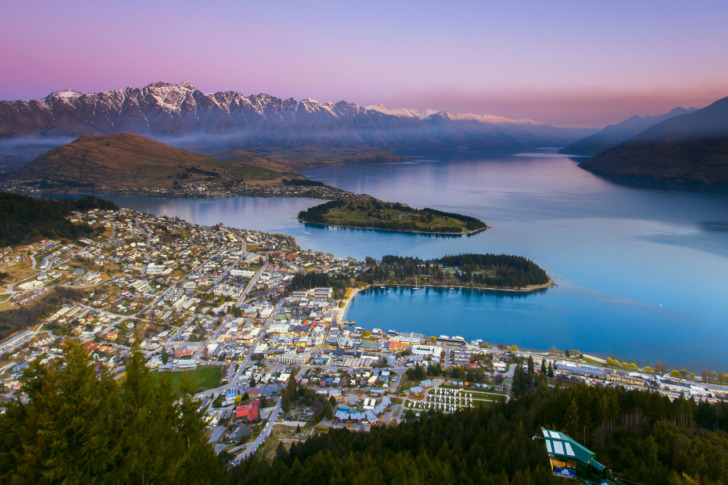
Queenstown is New Zealand’s adventure capital, tucked beside Lake Wakatipu on the South Island and surrounded by the sharp, dramatic peaks of the Remarkables.
It is the kind of place where you can drink coffee by a calm blue lake in the morning, throw yourself off a bridge by lunch, ride a gondola in the afternoon, and then pretend you are a responsible adult over dinner.
Travelers come for bungy jumping, skiing, jet boating, hiking, wineries, lake cruises, mountain biking, and some of the most cinematic scenery in the Southern Hemisphere.
Queenstown is very safe from a crime perspective, but it is not risk-free.
The real concerns are outdoor activities, winter driving, alcohol-heavy nightlife, lake and river safety, sudden weather changes, and adventure sports that require choosing professional operators.
Warnings & Dangers in Queenstown

OVERALL RISK: LOW
Queenstown is a low-risk destination for most travelers. Violent crime is rare, tourist infrastructure is excellent, and central areas feel safe during the day and evening. The biggest risks come from adventure activities, alcohol-related incidents, mountain weather, winter roads, and careless behavior around lakes, rivers, or trails.

TRANSPORT & TAXIS RISK: LOW
Transport in Queenstown is generally safe, with buses, taxis, shuttles, rental cars, and tour transfers available. The main issue is road safety, especially in winter or on winding routes to ski fields, Glenorchy, Milford Sound, and Wanaka. If driving, stay left, allow extra time, and avoid icy roads without experience.

PICKPOCKETS RISK: LOW
Pickpocketing is uncommon in Queenstown, but tourists should still protect belongings in busy bars, hostels, bus stops, lakefront areas, gondola queues, and ski facilities. Most theft is opportunistic rather than aggressive. Do not leave phones, bags, cameras, or ski gear unattended, especially in crowded or nightlife-heavy areas.

NATURAL DISASTERS RISK: MEDIUM
Queenstown has a medium natural risk because of its alpine setting. Earthquakes, landslides, avalanches in mountain areas, snowstorms, flooding, strong winds, and sudden weather changes can affect travel. Most visitors are fine, but hiking, skiing, driving, and lake activities require checking conditions before heading out.

MUGGING RISK: LOW
Mugging is rare in Queenstown. The town center, lakefront, restaurant streets, hotel areas, and main attractions are generally safe. Still, avoid walking alone late at night through quiet areas after drinking, and do not wander along dark lakefront paths while distracted. Common sense is more than enough for most visitors.

TERRORISM RISK: LOW
The terrorism risk in Queenstown is low. It is a peaceful resort town and not a major political or security target. Travelers should still stay aware in airports, transport hubs, and large public gatherings, but terrorism is not a realistic everyday concern for visitors here.

SCAMS RISK: LOW
Scams are uncommon in Queenstown. The bigger issue is price shock. Activities, restaurants, hotels, rental cars, ski passes, and last-minute bookings can be expensive. Use reputable booking channels, check cancellation policies, and be cautious with informal accommodation offers during peak season.

WOMEN TRAVELERS RISK: LOW
Queenstown is very safe for women travelers, including solo women. Central areas are walkable, organized, and tourist-friendly. Normal precautions still matter: watch drinks, use trusted transport after drinking, avoid isolated paths late at night, and choose group or guided options for remote hikes or adventure activities.

TAP WATER RISK: LOW
Tap water in Queenstown is safe to drink. A reusable bottle is a smart idea because you will likely spend long days walking, hiking, skiing, biking, or taking tours. For backcountry hikes, do not drink directly from lakes, streams, or rivers without treating or filtering the water first.
Safest Places to Visit in Queenstown
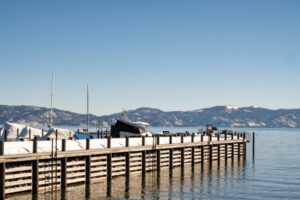
Queenstown Bay and Lakefront
Queenstown Bay is one of the safest and easiest places to enjoy the town.
The waterfront is scenic, central, busy, and full of restaurants, benches, tour offices, and lake views.
It is great for families, couples, solo travelers, and anyone recovering emotionally from looking at activity prices.
During the day and evening, it feels relaxed and safe.
The main things to watch are slippery surfaces in wet or icy weather, cold lake water, and belongings left unattended on benches or restaurant tables.
Skyline Queenstown and Bob’s Peak
The Skyline Gondola is a safe, well-organized way to get big views over Queenstown, Lake Wakatipu, and the Remarkables.
At the top, there are viewing areas, luge rides, dining, and walking tracks.
It is safe for most visitors, but weather can be colder and windier than in town.
Stay behind barriers, supervise children, and wear proper shoes if walking beyond the main viewing areas.
Queenstown Gardens
Queenstown Gardens is peaceful, central, and safe during the day.
It has lake views, walking paths, disc golf, trees, and easy access from town.
It is a good place for a relaxed walk without committing to a big hike.
At night, some paths are quieter and darker, so solo travelers may prefer sticking to the main streets or lakefront near active areas.
Arrowtown
Arrowtown is one of the safest and most charming day trips from Queenstown.
It is a historic gold-mining town with preserved buildings, cafes, shops, river walks, and beautiful autumn colors.
Crime risk is very low.
The main safety points are road conditions in winter, parking, and weather if walking or cycling nearby trails.
Glenorchy Road Viewpoints
The drive from Queenstown to Glenorchy is one of New Zealand’s classic scenic routes.
It is safe when driven carefully in good conditions, with lake views, mountains, and photo stops.
The danger is distraction.
Pull over only in safe places, do not stop suddenly for photos, and take extra care in rain, snow, ice, or strong wind.
Places to Avoid in Queenstown
Remote Trails in Bad Weather
Queenstown has incredible hikes, but weather can turn quickly.
Avoid remote trails during heavy rain, snow, strong wind, poor visibility, or avalanche-risk periods.
Popular walks can become slippery, and longer routes can become serious fast.
If conditions look bad, choose lower-level walks, cafes, wineries, museums, or indoor activities instead.
Lake Edges After Drinking
Lake Wakatipu is beautiful, cold, and not something to mess around with after alcohol.
Avoid sitting, climbing, swimming, or wandering near dark lake edges late at night if you have been drinking.
The risk is less about crime and more about slips, cold-water shock, poor judgment, and nobody nearby to help quickly.
Ski Field Roads Without Winter Driving Confidence
Roads to ski areas can be steep, winding, icy, and snowy.
If you are not experienced with winter mountain driving, use shuttle buses or transfers instead of renting a car and hoping confidence appears halfway up the hill.
Carry chains when required, drive slowly, and check road conditions before leaving.
Overcrowded Nightlife Spots Late at Night
Queenstown has a lively bar scene, and most nights out are harmless.
Still, crowded bars bring the usual risks: lost phones, drink spiking concerns, arguments, drunk behavior, and poor transport decisions.
Avoid places that feel out of control, watch your drink, and know how you are getting back before the night gets late.
Informal or Unclear Adventure Bookings
Queenstown is famous for adventure activities, and most established operators take safety seriously.
Still, avoid vague offers, unclear pricing, poorly reviewed companies, or activities that do not explain risks properly.
Adventure should feel exciting, not sketchy.
If the operator seems casual about safety, walk away.
Safety Tips for Traveling to Queenstown
- Choose reputable adventure operators. Queenstown is built around adventure, from bungy jumping and skydiving to jet boating, canyoning, rafting, paragliding, skiing, and mountain biking. These activities can be very safe when run professionally, but they are still real activities with real risks. Use established companies, read safety information, listen during briefings, and do not hide medical conditions. If you are nervous, that is normal. If the operator seems careless, that is not.
- Check weather before outdoor plans. Queenstown weather can change quickly, especially in the mountains. A sunny morning in town does not guarantee safe hiking, skiing, driving, or boating conditions later in the day. Check forecasts, wind, rain, snow, trail notices, and road conditions before heading out. If the weather looks bad, adjust. The views are not going anywhere, even if your itinerary is being dramatic.
- Be careful driving on the left. New Zealand drives on the left side of the road, and that can be tricky for visitors from right-side-driving countries. Queenstown also has winding roads, narrow stretches, mountain passes, and tourists stopping for views. Take it slow, rest before driving, and do not rush long routes like Milford Sound or Wanaka. Fatigue and distraction are bigger risks than crime here.
- Use shuttles for winter ski days. If you are visiting during ski season, consider using shuttles to Coronet Peak, The Remarkables, or Cardrona rather than driving yourself. Ski field roads can be icy and steep, and weather can change fast. Shuttles remove a lot of stress, especially if you are not used to snow chains, mountain roads, or winter driving.
- Respect lake and river conditions. Lake Wakatipu and nearby rivers are stunning, but cold water is serious. Do not jump into unknown water, swim far from shore, or enter the water after drinking. Cold-water shock can affect strong swimmers quickly. For kayaking, paddleboarding, rafting, or boating, use proper gear and follow local conditions.
- Watch your drink at night. Queenstown has a fun nightlife scene, especially around the town center. Most visitors have no trouble, but drink safety still matters. Do not leave drinks unattended, avoid accepting open drinks from strangers, and know your limits. Alcohol plus cold weather, lake edges, unfamiliar streets, and adventure plans the next morning is not a championship combination.
- Carry layers even in summer. Queenstown can feel warm in the sun and chilly in the shade, wind, or higher elevations. Bring layers, a rain jacket, and comfortable shoes year-round. If you are going to viewpoints, trails, boat rides, or mountain areas, pack more than you think you need. Mountain weather loves punishing optimism.
- Do not underestimate short hikes. Some Queenstown walks look easy because they start near town, but they can still be steep, exposed, muddy, icy, or tiring. Wear proper shoes, bring water, and know the route before starting. For longer hikes, tell someone where you are going and when you expect to return. Turning back is not failure. It is elite-level common sense.
- Book popular activities ahead. Queenstown is busy in summer, winter, holidays, and festival periods. Accommodation, rental cars, ski transport, adventure activities, restaurants, and tours can fill up. Booking ahead helps avoid rushed decisions, overpriced options, and unsafe last-minute alternatives. It also gives you time to read cancellation rules, weather policies, and safety requirements.
- Protect yourself from sun exposure. New Zealand’s sun can be intense, even when the air feels cool. Use sunscreen, sunglasses, and a hat, especially during hikes, lake days, skiing, and boat trips. Snow and water reflect sunlight, so sunburn can happen faster than expected. A cloudy day is not permission to become a tomato with hiking boots.
So... How Safe Is Queenstown Really?
Queenstown is very safe for travelers in the traditional sense.
Violent crime is rare, the town is clean and organized, and tourism services are professional.
Most visitors will feel comfortable walking through central Queenstown, eating out, taking buses, joining tours, visiting nearby towns, and enjoying the lakefront.
It is a strong destination for solo travelers, couples, families, backpackers, older travelers, and first-time visitors to New Zealand.
The real safety story is about the outdoors.
Queenstown is not dangerous because of street crime.
It becomes risky when travelers underestimate mountains, water, weather, winter roads, or adventure activities.
A casual drive can become harder in snow.
A short hike can become slippery in rain.
A fun night out can become unsafe near cold water.
An adventure activity is only as good as its safety standards.
I would rate Queenstown as low risk overall, with medium risk for adventure sports, winter driving, and poorly planned outdoor activities.
The safest travelers are prepared, flexible, and honest about their limits.
Choose good operators, check conditions, dress properly, plan transport, and respect the environment.
Do that, and Queenstown is one of the safest and most exciting adventure destinations in the world.
How Does Queenstown Compare?
| City | Safety Index |
|---|---|
| Queenstown |
91 |
| Auckland |
85 |
| Wanaka |
90 |
| Wellington |
72 |
| Taupo |
87 |
| Christchurch |
80 |
| Rotorua |
82 |
 Sucre Sucre | 74 |
 Hyannis Hyannis | 80 |
| Midwest City | 74 |
| Pennsylvania | 59 |
| Austin | 65 |
 Foz do Iguacu Foz do Iguacu | 69 |
Useful Information

Visas
New Zealand entry rules depend on nationality. Many visitors need either a visitor visa or a New Zealand Electronic Travel Authority before arrival. Tourist stays are often allowed for up to 3 months, though some nationalities may get longer. Check passport validity, onward travel requirements, and entry permission before booking.

Currency
Queenstown uses the New Zealand dollar. Credit and debit cards are widely accepted in hotels, restaurants, shops, bars, tour offices, and attractions. Cash is not usually essential, but it can be useful for small purchases or backup. Queenstown is expensive, so compare activity prices and budget carefully.

Weather
Queenstown has 4 distinct seasons. Summer is warm and great for hiking and lake activities, while winter brings skiing, snow, and cold nights. Spring and autumn are beautiful but changeable. Pack layers, rain protection, sunscreen, and proper walking shoes. For mountain activities, bring warmer clothing than the town temperature suggests.

Airports
Queenstown Airport is close to town and handles domestic and international flights, with dramatic mountain approaches that are very scenic when the weather cooperates. Taxis, buses, shuttles, rental cars, and hotel transfers connect the airport with central Queenstown. Weather can occasionally affect flights, so allow buffer time for important connections.

Travel Insurance
Travel insurance is strongly recommended for Queenstown, especially if you plan adventure sports, skiing, snowboarding, mountain biking, hiking, rafting, jet boating, or rental-car travel. Make sure your policy covers the specific activities you plan, because exclusions are common. Good coverage should also include medical care, cancellations, delays, lost luggage, and weather disruptions.
Queenstown Weather Averages (Temperatures)
Average High/Low Temperature
| Temperature / Month | Jan | Feb | Mar | Apr | May | Jun | Jul | Aug | Sep | Oct | Nov | Dec |
|---|---|---|---|---|---|---|---|---|---|---|---|---|
| High °C |
22 | 22 | 19 | 15 | 12 | 9 | 8 | 10 | 13 | 15 | 18 | 20 |
| Low °C |
10 | 10 | 7 | 5 | 2 | -1 | -1 | 0 | 3 | 4 | 6 | 8 |
| High °F |
72 | 72 | 66 | 59 | 54 | 48 | 46 | 50 | 55 | 59 | 64 | 68 |
| Low °F |
50 | 50 | 45 | 41 | 36 | 30 | 30 | 32 | 37 | 39 | 43 | 46 |
New Zealand - Safety by City
| City | Safety Index |
|---|---|
| Auckland | 85 |
| Christchurch | 80 |
| Queenstown | 91 |
| Rotorua | 82 |
| Taupo | 87 |
| Wanaka | 90 |
| Wellington | 72 |










Only in Queenstown can you casually sip a latte by the lake one minute and nearly plummet off a bridge the next without missing a beat.
Jumping off that Kawarau Bridge gave me such a rush, but the calm lake mornings made me feel like I was in two different worlds.
Jumping off the Kawarau Bridge was way more exhilarating than I imagined, but the calmness of the lake right after really helped me settle back into reality.