


 New Zealand : Safety by City
New Zealand - safety as a country
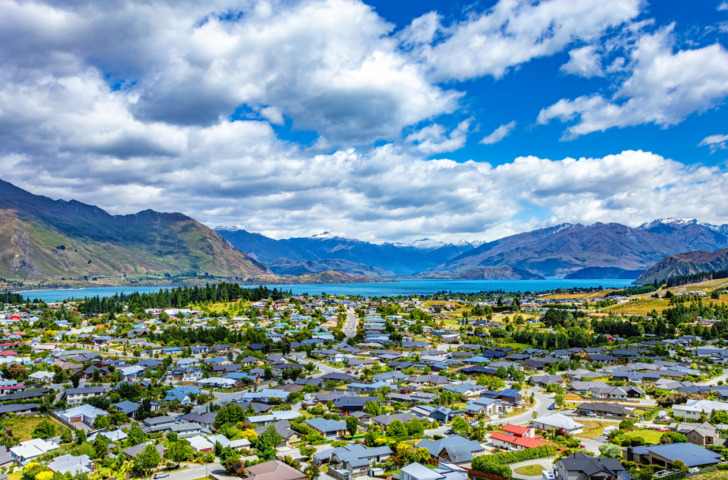
Wanaka is one of those places that looks like it was designed by a very dramatic landscape painter with a thing for lakes, mountains, and perfect reflections.
It sits in New Zealand’s Otago region on the South Island, tucked beside Lake Wanaka and surrounded by the Southern Alps.
Queenstown gets more of the international spotlight, but Wanaka has a quieter, outdoorsy charm: ski fields, hiking tracks, vineyards, bike trails, lakefront cafés, and that famous lone willow tree that every camera seems legally required to photograph.
It is also a gateway to Mount Aspiring National Park, which means the “danger” here is usually less about crime and more about weather, roads, water, and underestimating nature.
Warnings & Dangers in Wanaka

OVERALL RISK: LOW
Wanaka is a very safe destination by global travel standards. Violent crime is rare, the town is small and calm, and most visitors feel comfortable walking around the lakefront, town center, and accommodation areas. The main risks are practical ones: car break-ins, alpine weather, icy roads, water safety, and outdoor-adventure mistakes.

TRANSPORT & TAXIS RISK: LOW
Transport in Wanaka is generally safe, but it is not a big city with constant public transport. Taxis, shuttles, rental cars, and buses are the main options. The bigger issue is driving: mountain roads, winter ice, sharp bends, and tired tourists make caution important, especially on the Crown Range Road and routes toward ski fields.

PICKPOCKETS RISK: LOW
Pickpocketing is not a major problem in Wanaka. You are far more likely to misplace a jacket at a café than have a wallet lifted in a crowd. Still, busy lakefront spots, markets, bars, and tourist car parks deserve normal awareness. Keep phones and wallets secure, especially during peak holiday periods.

NATURAL DISASTERS RISK: MEDIUM
This is the one category where Wanaka deserves more respect. New Zealand sits in an active seismic zone, and Otago can face earthquakes, landslides, flooding, storms, wildfire conditions, and alpine weather changes. These events are not daily worries, but visitors hiking, driving, skiing, or camping should check alerts and conditions before heading out.

MUGGING RISK: LOW
Mugging is rare in Wanaka. The town does not have the same street-crime feel as larger urban destinations, and most tourist areas are relaxed even after dark. The safest approach is still common sense: avoid wandering alone while drunk late at night, stay on lit streets, and do not flash expensive gear unnecessarily.

TERRORISM RISK: LOW
Wanaka has a very low terrorism risk. It is a small resort town with no obvious high-profile political or security targets. New Zealand as a whole is considered a low-risk travel destination, though no country is completely immune. For travelers, terrorism is not a practical day-to-day concern here.

SCAMS RISK: LOW
Tourist scams are uncommon in Wanaka. You are unlikely to deal with aggressive street scams, fake police, or taxi tricks. The most realistic issues are overpriced last-minute bookings, unofficial accommodation listings, vague adventure-tour terms, or paying deposits through unsafe channels. Book through reputable operators and read cancellation rules carefully.

WOMEN TRAVELERS RISK: LOW
Wanaka is generally safe for women travelers, including solo travelers. The town center, lakefront, restaurants, and accommodation areas feel friendly and low-pressure. As always, nightlife rules still apply: watch drinks, arrange transport after late nights, avoid isolated trails alone after dark, and tell someone your hiking plans.

TAP WATER RISK: LOW
Tap water in Wanaka is safe to drink, and bottled water is usually unnecessary unless you simply prefer it. Some lake-supplied water systems in the region can have harmless taste or filter issues from natural lake algae, but that is not the same as unsafe drinking water. Refill bottles and stay hydrated.
Safest Places to Visit in Wanaka
Wanaka Lakefront and Town Center
The lakefront is the easiest and safest introduction to Wanaka.
You can stroll along the water, grab coffee, sit on the grass, photograph the mountains, and wander into town for food without feeling like you need a complicated safety plan.
This is the best area for first-time visitors, families, couples, and solo travelers.
It is also where you will find plenty of people around during the day, which naturally keeps the atmosphere comfortable.
That Wanaka Tree and the Lakeside Walk
The walk to the famous tree is flat, scenic, and generally very safe.
The only real hazards are slippery stones near the water, cyclists sharing paths, and people walking backward while trying to frame the perfect photo.
It is a funny little tourist circus sometimes, but a harmless one.
Go early if you want fewer crowds and softer light.
Mount Iron Track
Mount Iron is one of the safest short hikes in Wanaka because it is close to town, popular, clearly used, and not too remote.
The views are excellent for the effort.
Wear decent shoes, bring water, and avoid rushing down loose gravel.
It is still a hill, not a shopping mall.
Puzzling World and Family Attractions
For families, Puzzling World is one of Wanaka’s safest and easiest attractions.
It is controlled, organized, close to town, and weather-proof.
When the mountains are moody or the kids have declared war on another long walk, this is a low-risk win.
Places to Avoid in Wanaka
Isolated Trailhead Car Parks
Wanaka does not really have “bad neighborhoods,” so the places I would be most cautious about are not residential streets.
They are isolated car parks near hiking trails, viewpoints, lake access points, and freedom-camping areas.
Car break-ins can happen in tourist areas across New Zealand, especially when rental cars look packed with luggage.
Avoid leaving passports, bags, electronics, or jackets visible in the car.
Remote Tracks Late in the Day
Tracks such as Roys Peak, Diamond Lake, Rob Roy Glacier, and longer routes around Mount Aspiring country are not places to start casually in the late afternoon unless you know exactly what you are doing.
The risk is not crime, it is getting caught by darkness, weather, injury, or poor preparation.
Wanaka’s scenery looks soft and dreamy from town, but the surrounding terrain can turn serious quickly.
Crown Range Road in Bad Weather
The road between Queenstown and Wanaka via the Crown Range is spectacular, but it can also be icy, steep, winding, and stressful in winter.
Avoid it during poor visibility, snow, or ice unless your vehicle is suitable and you are confident.
In winter, chains may be needed, and nervous drivers may prefer the longer route through Cromwell.
Lake Edges in Strong Wind
Lake Wanaka can look calm one hour and choppy the next.
Avoid swimming, paddleboarding, kayaking, or boating when wind rises or when the water feels colder than expected.
Cold-water shock is a real issue, and mountain lakes deserve more respect than they get.
Late-Night Bar Areas
Wanaka nightlife is mild compared with Queenstown, but alcohol still changes the safety equation.
Around bars and late-night takeaway spots, use the same caution you would anywhere: stay with friends, avoid arguments, and arrange a ride back if your accommodation is not close.
Safety Tips for Traveling to Wanaka
- Do not leave valuables in your vehicle. This is my number-one Wanaka safety tip. Theft from cars is one of the more realistic problems for tourists in New Zealand. Rental cars, campervans, and cars parked at trailheads are obvious targets. Take passports, wallets, cameras, laptops, and bags with you. If you must leave anything behind, hide it before you arrive, not after you park.
- Treat the mountains like mountains, not Instagram backgrounds. Wanaka’s hikes can look friendly from photos, but weather, exposure, loose surfaces, and long distances can catch people out. Check the forecast, bring layers, carry water, and know how long a track actually takes. Roys Peak, for example, is beautiful but not a quick casual stroll.
- Be careful on winter roads. If you visit from June to August, take driving seriously. Roads to ski fields and mountain passes can be icy, especially early and late in the day. Rent a suitable car, know whether chains are required, and do not speed just because locals seem confident. They know the roads. You do not.
- Book adventure activities with reputable operators. Wanaka is built for outdoor fun: skydiving, canyoning, skiing, climbing, jet boating, biking, and lake activities. The good operators take safety seriously. Choose companies with clear procedures, proper equipment, good reviews, and honest cancellation policies. Cheap is nice. Safe is better.
- Respect Lake Wanaka’s cold water. The lake is gorgeous, but it is still an alpine lake. Cold water can affect your breathing, strength, and judgment faster than expected. Swim near others, avoid alcohol before water activities, wear a life jacket when boating or paddleboarding, and do not underestimate wind.
- Carry sun protection even when it feels cool. New Zealand sun can be sneaky and strong. You can burn on a cool, breezy day, especially while hiking, skiing, biking, or sitting by the lake. Pack sunscreen, sunglasses, and a hat. In winter, sun reflecting off snow can be surprisingly harsh.
- Download maps before heading out. Mobile coverage is fine in town but can become unreliable in valleys, mountain areas, and remote trail sections. Download offline maps, save your accommodation location, and carry a power bank if you depend on your phone for navigation.
- Tell someone your plans before longer hikes. For serious walks or backcountry trips, tell someone where you are going and when you expect to return. This can be your hotel, a friend, or a family member. If plans change, update them. It sounds basic, but it matters when weather moves in or a track takes longer than expected.
- Watch your alcohol around nightlife and the lakefront. Wanaka is relaxed, but alcohol still creates avoidable problems: lost phones, falls, arguments, bad decisions near water, and unsafe walks home. Enjoy the bars and restaurants, but keep enough awareness to get back safely.
- Buy travel insurance that covers your actual plans. Basic travel insurance may not cover skiing, mountain biking, climbing, canyoning, or other adventure activities unless you add the right coverage. Read the fine print before you need it. Medical care in New Zealand is good, but accidents in remote areas can become expensive and complicated.
So... How Safe Is Wanaka Really?
Wanaka is genuinely one of the safer travel destinations I would recommend, especially for visitors who like nature, small towns, and a slower pace than Queenstown.
The everyday crime risk is low, violent crime is uncommon, and the general atmosphere is friendly and outdoorsy.
You can walk around the lakefront, visit cafés, explore shops, and enjoy family attractions without feeling tense.
But the honest answer is that Wanaka is safest for travelers who understand what kind of place it is.
This is not a destination where you mainly worry about gangs, muggings, or street scams.
You worry about leaving your backpack in a rental car, starting a hike too late, driving mountain roads too fast, swimming in cold water, or assuming the weather will stay nice because the morning looked perfect.
New Zealand’s overall travel safety rating is strong, and Wanaka benefits from being small, affluent, tourism-focused, and well-used to visitors.
The Queenstown-Lakes region also has a lower crime profile than many larger urban areas, though theft and burglary still exist.
My bottom line: Wanaka is very safe, but it is not risk-free.
Respect the outdoors, protect your belongings, drive carefully, and you should have a smooth, memorable trip.
How Does Wanaka Compare?
| City | Safety Index |
|---|---|
| Wanaka |
90 |
| Rotorua |
82 |
| Auckland |
85 |
| Queenstown |
91 |
| Taupo |
87 |
| Christchurch |
80 |
| Wellington |
72 |
 Kribi Kribi | 57 |
 Albany Albany | 77 |
| Milpitas | 91 |
 Bath Bath | 81 |
| Pikeville | 88 |
| Maine | 86 |
Useful Information

Visas
Many tourists need either a visitor visa or an NZeTA before entering New Zealand. Visa-waiver travelers usually apply for an NZeTA, which is valid for 2 years and allows stays of up to 3 months per visit, or 6 months for UK citizens. The NZeTA starts from NZD $17, and most visitors also pay a NZD $100 visitor levy.

Currency
Wanaka uses the New Zealand dollar. Cards are widely accepted, and ATMs are easy to find in town. I would not exchange large amounts at airports unless necessary, as rates are often weaker. A travel card with low foreign transaction fees is usually the easiest option.

Weather
Wanaka has warm, dry-feeling summers, cool winters, and fast-changing mountain weather. Summer visitors should pack light clothes, sunscreen, sunglasses, and a jacket for evenings. Winter travelers need warm layers, waterproof outerwear, and proper footwear, especially if skiing, driving to alpine areas, or hiking.

Airports
The most useful airport for Wanaka is Queenstown Airport, about an hour away by car or shuttle. It handles domestic and international flights and has regular transport options toward Wanaka. Wanaka Airport is close to town but is mainly used for scenic flights, aviation activities, and limited regional services rather than major commercial arrivals.

Travel Insurance
Travel insurance is strongly recommended for Wanaka, especially if you plan to ski, hike, bike, boat, or do adventure activities. Make sure your policy covers medical care, cancellations, rental car excess, baggage theft, and any higher-risk activities. Do not assume “adventure” is included automatically.
Wanaka Weather Averages (Temperatures)
Average High/Low Temperature
| Temperature / Month | Jan | Feb | Mar | Apr | May | Jun | Jul | Aug | Sep | Oct | Nov | Dec |
|---|---|---|---|---|---|---|---|---|---|---|---|---|
| High °C |
22 | 22 | 20 | 17 | 13 | 10 | 7 | 9 | 13 | 16 | 18 | 20 |
| Low °C |
1 | 1 | 0 | -3 | -5 | -6 | -7 | -6 | -3 | -2 | 0 | 1 |
| High °F |
72 | 72 | 68 | 63 | 55 | 50 | 45 | 48 | 55 | 61 | 64 | 68 |
| Low °F |
34 | 34 | 32 | 27 | 23 | 21 | 19 | 21 | 27 | 28 | 32 | 34 |
New Zealand - Safety by City
| City | Safety Index |
|---|---|
| Auckland | 85 |
| Christchurch | 80 |
| Queenstown | 91 |
| Rotorua | 82 |
| Taupo | 87 |
| Wanaka | 90 |
| Wellington | 72 |
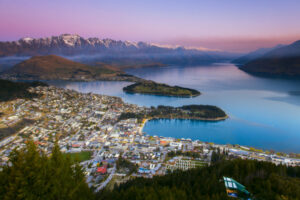












Yeah, the lone willow tree is definitely a photo magnet, though it’s surprising how many people ignore the crazy weather changes nearby.
That lone willow tree really caught me off guard, it’s way more stunning in person by the lake.