


 Albania : Safety by City
Albania - safety as a country
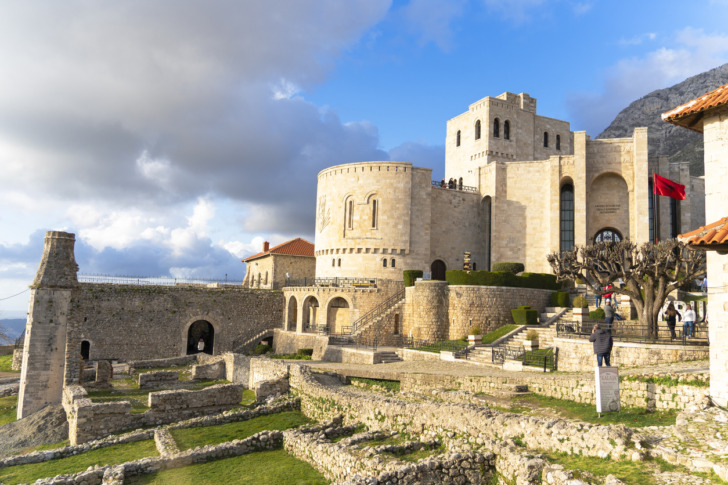
Kruje, often written as Krujë, is one of Albania’s most symbolic towns, sitting on a mountainside north of Tirana with sweeping views over the plains below.
This is the hometown of Albania’s national hero, Skanderbeg, and the place still leans proudly into that identity with its castle, museum, old bazaar, stone lanes, and mountain-backed setting.
It is close enough to Tirana and Tirana International Airport to visit on a day trip, but it feels completely different from the capital: smaller, older, quieter, and more atmospheric.
Safety-wise, Kruje is generally a low-risk destination for tourists.
The town is not known for serious tourist crime, but travelers should still watch out for traffic, steep streets, aggressive souvenir pricing, uneven walking surfaces, and isolated areas after dark.
Warnings & Dangers in Kruje

OVERALL RISK: LOW
Kruje is generally safe for travelers, especially around the castle, Old Bazaar, museums, main viewpoints, and central guesthouse areas. Violent crime against tourists is rare. The main concerns are petty theft, road safety, uneven stone paths, tourist overcharging, and being alone in quiet hillside areas after dark.

TRANSPORT & TAXIS RISK: MEDIUM
Transport risk is medium because roads around Kruje can be steep, narrow, and busy with impatient drivers. Taxis and private transfers are usually safe when arranged through a hotel or known provider. If driving yourself, be careful on curves, mountain roads, parking areas, and the climb toward the old town.

PICKPOCKETS RISK: LOW
Pickpocketing is not a major problem in Kruje, but it can happen around the Old Bazaar, parking areas, bus stops, and crowded tourist spots. The risk is much lower than in major European cities. Keep your phone, wallet, and passport secure, especially when shopping or taking photos.

NATURAL DISASTERS RISK: MEDIUM
Kruje has a medium natural disaster risk because Albania can experience earthquakes, heavy rain, landslides, summer heat, and occasional winter road issues. The town’s hillside location means slippery stone lanes and steep access roads can become tricky in bad weather. Wear good shoes and avoid mountain roads during storms.

MUGGING RISK: LOW
Mugging is rare in Kruje. Tourists are unlikely to face violent street crime in the main visitor areas during the day. Risk increases slightly at night in empty streets, isolated viewpoints, and roads outside the center. Avoid wandering alone late, especially if you are carrying cameras or cash.

TERRORISM RISK: LOW
Kruje has a low terrorism risk. It is a small historic town rather than a major political or international target. Normal public-space awareness is enough. Travelers should focus more on practical risks such as traffic, petty theft, hiking safety, weather, and avoiding demonstrations or large tense gatherings elsewhere in Albania.

SCAMS RISK: LOW
Scams in Kruje are usually minor and tourist-focused. You may see inflated souvenir prices, unclear taxi fares, overly persistent vendors, or restaurants that are vague about charges. Serious scams are uncommon. Confirm prices before buying, check bills, agree on taxi fares in advance, and bargain politely in the bazaar.

WOMEN TRAVELERS RISK: LOW
Kruje is generally safe for women travelers, including solo travelers during the day. The old town and tourist areas are calm and easy to navigate. Women should still avoid isolated streets after dark, use trusted transport at night, dress respectfully when visiting religious sites, and ignore unwanted attention without engaging.

TAP WATER RISK: MEDIUM
Tap water quality in Albania can vary by location and plumbing, so I would rate Kruje as medium risk for tourists. Locals may drink it, but visitors with sensitive stomachs should use bottled or filtered water. Bottled water is cheap and easy to find in shops, cafes, and hotels.
Safest Places to Visit in Kruje
Kruje Castle
Kruje Castle is the safest and most important area for most visitors.
It is the heart of the town’s tourism scene, with museums, viewpoints, restaurants, and steady foot traffic during the day.
The main safety issue is not crime but footing.
The stone surfaces can be uneven, slippery, and awkward, especially after rain.
Wear proper shoes and avoid climbing low walls for photos.
Old Bazaar
The Old Bazaar is one of Kruje’s most charming places, with wooden storefronts, rugs, antiques, souvenirs, copperware, and traditional crafts.
It is safe and lively during normal shopping hours.
Keep your belongings close when browsing, and remember that bargaining is normal.
The area becomes much quieter after shops close, so daytime is best.
Skanderbeg Museum
The Skanderbeg Museum is one of the easiest and safest attractions in town.
It is inside the castle complex and gives context to Kruje’s importance in Albanian history.
The area is well visited, easy to find, and suitable for families, solo travelers, and first-time visitors.
Ethnographic Museum Area
The traditional houses and museum spaces around the old town are safe in daylight and offer a slower, quieter look at local life.
This is a good area for travelers who enjoy architecture and cultural history.
Stay on marked paths, respect private homes, and avoid walking into courtyards unless they are clearly open to visitors.
Sari Salltik Viewpoint With Proper Transport
The Sari Salltik area above Kruje can be beautiful, with wide views and a mountain atmosphere.
It is safest when visited in daylight with a reliable car, taxi, or experienced driver.
The road can be steep and exposed in places, so avoid going in heavy rain, fog, or at night.
Places to Avoid in Kruje
Isolated Viewpoints After Dark
Kruje has dramatic views, and that tempts travelers to wander around at sunset or after dinner.
The main viewpoints near the castle are usually fine when people are around, but isolated hillside spots are best avoided after dark.
They can be poorly lit, quiet, and difficult to navigate safely.
Empty Bazaar Lanes Late at Night
The Old Bazaar is lovely during the day, but after shops close it can feel much emptier.
It is not a dangerous place, but there is little reason to wander there alone late at night.
Uneven stones, dim lighting, and quiet corners make it better as a daytime attraction.
Fushë-Krujë Transit Areas
Fushë-Krujë, the lower town area near the main roads, is not a tourist danger zone, but it is more of a transit and commercial area than a sightseeing zone.
Travelers may pass through for transport, shops, or road connections.
Keep an eye on bags, avoid lingering around poorly lit stops, and use official transport.
Mountain Roads in Bad Weather
The roads around Kruje can become unpleasant during rain, fog, or winter conditions.
Avoid driving to higher viewpoints or remote hillside areas if visibility is poor.
Landslides, loose stones, slippery curves, and fast local driving can turn a short scenic drive into a stressful one.
Construction Sites and Unfinished Buildings
Like many Albanian towns, Kruje and the surrounding area may have unfinished buildings, rough edges, and informal parking areas.
These are not tourist attractions and can be unsafe because of debris, uneven ground, stray dogs, or poor lighting.
Stick to normal streets, marked paths, and active public areas.
Safety Tips for Traveling to Kruje
- Wear proper walking shoes. Kruje is a hillside town with stone lanes, slopes, steps, and uneven surfaces. This is not the place for slippery sandals with no grip. The castle area and bazaar are beautiful, but they can be awkward underfoot. After rain, the stones can get slick, and in summer heat, walking uphill can be more tiring than expected. Good shoes will prevent the most boring travel injury: the dramatic ankle twist.
- Visit the main sights during daylight. Kruje is safest and most enjoyable during the day, when the bazaar is open, museums are operating, restaurants are active, and other visitors are around. The town gets much quieter at night. That does not make it dangerous, but it does reduce the margin for error if you get lost, trip on uneven stones, or end up in a poorly lit area.
- Be careful with taxis and private transfers. Most taxi and transfer problems in Kruje are about pricing, not danger. If you are coming from Tirana, the airport, or Durrës, agree on the price before starting unless you are using a trusted app or pre-arranged transfer. Ask your hotel or guesthouse for a reliable driver. For the Sari Salltik viewpoint, use someone comfortable with mountain roads.
- Do not underestimate Albanian traffic. Even in smaller towns, Albanian driving can feel more intense than visitors expect. Drivers may overtake aggressively, park creatively, and pay less attention to pedestrians than you might like. Cross roads carefully, look both ways even on one-way streets, and do not assume a car will stop just because you are on a crossing.
- Keep valuables secure in the bazaar. The Old Bazaar is safe, but it is also where you will be distracted by souvenirs, carpets, old coins, textiles, and shopkeepers calling you in. That is when phones and wallets become easier to misplace or steal. Keep valuables in a zipped pocket or crossbody bag, and do not put your phone down while bargaining.
- Bargain politely, but confirm prices clearly. Bargaining is part of the market experience, but confusion over prices can create irritation. Ask the price before committing, confirm whether the amount is in lek or euros, and do not accept vague answers if buying something expensive. Most vendors are harmless and friendly, but tourist pricing definitely exists.
- Use bottled water if your stomach is sensitive. For a short trip, bottled or filtered water is the safer choice. Albania’s water systems vary, and old pipes can affect quality even when the official supply is treated. Use bottled water for drinking if you are sensitive, and be cautious with ice or raw foods if a place does not look clean.
- Avoid lonely hillside walks after dark. Kruje’s mountain setting is part of its magic, but isolated hillside roads are not ideal for evening wandering. There may be poor lighting, stray dogs, uneven ground, and few people around. If you want sunset views, go with someone, stay near active areas, and return before the streets empty out.
- Check the weather before going higher. If you plan to visit Sari Salltik or drive above town, check the weather first. Fog, rain, wind, and slippery roads can make the trip less safe and less enjoyable. Views are the whole point of going up there, so if the weather is bad, it is smarter to wait than force it.
- Plan your return transport in advance. Kruje is often visited as a day trip from Tirana, Durrës, or the airport area. Public transport can be less straightforward than travelers expect, and schedules may not be as convenient late in the day. Know how you are getting back before you start exploring. If you are relying on a bus or minibus, confirm the last practical departure. If you are using a taxi, agree on timing and price.
So... How Safe Is Kruje Really?
Kruje is a safe destination for most travelers, especially compared with larger and more chaotic cities.
The town’s main tourist zone is compact, visible, and centered around the castle, museums, Old Bazaar, restaurants, and viewpoints.
Violent crime against tourists is uncommon, and the average visitor is far more likely to deal with a steep walk or a pushy souvenir seller than anything serious.
Still, Kruje should not be treated like a perfectly controlled museum town.
Albania is generally safe for visitors, but petty crime can happen, road behavior can be unpredictable, and emergency services may be less immediate than in more developed European destinations.
The country also has some organized crime issues, but these are usually targeted and not something ordinary tourists encounter while visiting historic sites.
The biggest practical risks in Kruje are traffic, falls on uneven surfaces, tourist overcharging, and mountain-road conditions.
If you stay in the main areas, visit during daylight, use trusted transport, and keep your belongings secure, the risk level remains low.
My honest take: Kruje is one of Albania’s easiest historic day trips.
It is safe enough for solo travelers, couples, families, and older visitors, but it works best when you come prepared for hills, heat, stone streets, and slightly messy transport.
How Does Kruje Compare?
| City | Safety Index |
|---|---|
| Kruje |
79 |
| Tirana |
65 |
| Vlore |
76 |
| Korce |
82 |
| Durres |
74 |
| Shkoder |
77 |
| Pogradec |
81 |
 Arvada Arvada | 87 |
| Jackson Hole | 81 |
| Meredith | 79 |
 Pisa Pisa | 61 |
 Yangshuo Yangshuo | 77 |
 Dublin Dublin | 75 |
Useful Information

Visas
Albania allows many nationalities to enter visa-free, including citizens of the European Union, the United Kingdom, Canada, Australia, and the United States. Many visitors can stay for up to 90 days, while U.S. citizens are generally allowed to stay longer. Travelers who need a visa should apply online before arrival.

Currency
The local currency is the Albanian lek. Euros may be accepted by some hotels, taxis, or tourist businesses, but lek is better for daily spending. Carry cash for the bazaar, small restaurants, parking, and taxis. Exchange money in proper offices and always check the rate before handing over cash.

Weather
Kruje has hot summers, cooler winters, and wetter shoulder seasons. Summer can be very warm, especially when walking uphill through stone streets, so bring sunscreen, water, sunglasses, and light clothing. In spring, autumn, or winter, pack layers and a rain jacket. Higher viewpoints can feel windier and cooler.

Airports
The closest airport is Tirana International Airport, located near Rinas and not far from Kruje by road. Many travelers visit Kruje directly after landing or before flying out. Taxis, private transfers, and rental cars are the easiest options. Tirana city is also a common starting point for day trips.

Travel Insurance
Travel insurance is recommended for Kruje, especially if your Albania trip includes driving, hiking, mountain viewpoints, multiple cities, or onward Balkan travel. Choose a policy that covers medical care, cancellations, lost luggage, theft, transport delays, and rental car issues. If you plan outdoor activities, make sure they are included.
Kruje Weather Averages (Temperatures)
Average High/Low Temperature
| Temperature / Month | Jan | Feb | Mar | Apr | May | Jun | Jul | Aug | Sep | Oct | Nov | Dec |
|---|---|---|---|---|---|---|---|---|---|---|---|---|
| High °C |
10 | 12 | 15 | 20 | 25 | 29 | 31 | 32 | 27 | 22 | 17 | 12 |
| Low °C |
1 | 3 | 6 | 9 | 13 | 16 | 18 | 18 | 15 | 11 | 7 | 3 |
| High °F |
50 | 54 | 59 | 68 | 77 | 84 | 88 | 90 | 81 | 72 | 63 | 54 |
| Low °F |
34 | 37 | 43 | 48 | 55 | 61 | 64 | 64 | 59 | 52 | 45 | 37 |
Albania - Safety by City
| City | Safety Index |
|---|---|
| Berat | 83 |
| Durres | 74 |
| Gjirokaster | 82 |
| Korce | 82 |
| Kruje | 79 |
| Pogradec | 81 |
| Sarande | 78 |
| Shkoder | 77 |
| Tirana | 65 |
| Vlore | 76 |
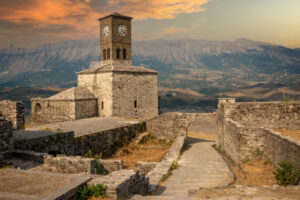
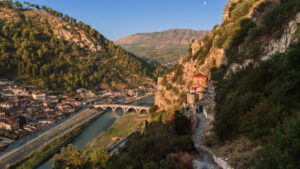












Walking those steep streets in Kruje, I couldn’t help but feel like I’d stepped back in time, even though you can see the city spreading out far below.
So after climbing those steep streets with uneven sidewalks and dodging souvenir sellers, do you really think the “quiet and atmospheric” vibe is worth risking a twisted ankle or a wallet squeeze?