


 Albania : Safety by City
Albania - safety as a country
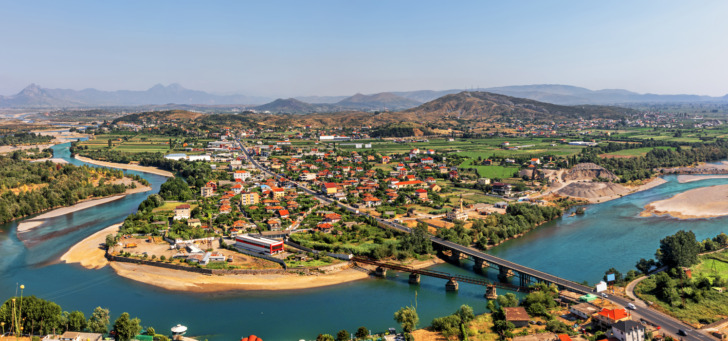
Shkoder, often written as Shkodër, is one of Albania’s oldest and most character-filled cities, sitting in the country’s northwest near Lake Shkoder, the Albanian Alps, and the border with Montenegro.
It has that rare mix I love in a travel base: Ottoman-era lanes, Catholic and Muslim landmarks, mountain-trip energy, lake views, bike-friendly streets, and a slower rhythm than Tirana.
Many travelers pass through Shkoder on the way to Theth, Valbona, or Montenegro, but the city deserves more than one rushed night.
Safety-wise, Shkoder is generally friendly, relaxed, and easy to explore, especially during the day.
Still, this is not a perfectly polished tourist bubble.
Roads can be chaotic, petty theft can happen, and some areas feel less comfortable late at night.
Warnings & Dangers in Shkoder

OVERALL RISK: LOW
Shkoder is generally safe for tourists, especially in the city center, around the pedestrian streets, near Rozafa Castle, and in popular guesthouse areas. Violent crime against tourists is uncommon. The main risks are traffic, occasional petty theft, poorly lit streets at night, and outdoor hazards if you head toward the mountains.

TRANSPORT & TAXIS RISK: MEDIUM
Transport risk is medium mainly because of driving habits, not because taxis are especially dangerous. Albanian roads can feel aggressive, with fast overtaking, uneven surfaces, and limited pedestrian priority. Use official taxis, agree on prices when needed, and be extra careful crossing roads or cycling outside calm streets.

PICKPOCKETS RISK: LOW
Pickpocketing is not a major problem in Shkoder, but it can happen in crowded buses, markets, festivals, and busy tourist spots. The risk is much lower than in many major European cities. Keep your phone and wallet secure, especially at transport stations and when carrying luggage.

NATURAL DISASTERS RISK: MEDIUM
Shkoder has a medium natural disaster risk because of flooding, storms, heatwaves, earthquakes, and mountain weather nearby. The city is close to rivers and Lake Shkoder, and northern Albania’s roads can be affected by landslides or heavy rain. If hiking toward Theth or Valbona, check conditions carefully.

MUGGING RISK: LOW
Mugging is rare in Shkoder, especially in the central areas used by visitors. The risk rises late at night in quiet streets, around isolated river or lake areas, or if you look visibly drunk and lost. Use normal caution, avoid dark shortcuts, and take a taxi if your accommodation is far out.

TERRORISM RISK: LOW
Shkoder has a low terrorism risk. Albania is not considered a major terrorism hotspot for travelers, and Shkoder itself is calm. Normal public-space awareness is enough. The realistic safety issues for tourists are road conditions, petty crime, hiking preparation, weather, and late-night common sense.

SCAMS RISK: LOW
Scams in Shkoder are usually minor. You might encounter inflated taxi prices, unclear tour costs, bad exchange rates, or accommodation misunderstandings, but aggressive scams are uncommon. Confirm prices before accepting rides or tours, book mountain transport through reputable providers, and check restaurant bills before paying.

WOMEN TRAVELERS RISK: LOW
Shkoder is generally safe for women travelers, including solo travelers. The city is social, walkable, and used to backpackers. Women should still avoid isolated areas late at night, dress with some awareness when visiting religious sites, watch drinks in bars, and use trusted transport after dark.

TAP WATER RISK: MEDIUM
Tap water in Shkoder is often used locally, but I would rate it medium risk for tourists because water quality and old plumbing can vary. Many travelers prefer bottled or filtered water to avoid stomach issues. Use bottled water if you have a sensitive stomach, especially during short trips.
Safest Places to Visit in Shkoder
Pedonalja and the Historic Center
Shkoder’s pedestrian street, often called Pedonalja, is one of the safest and most enjoyable places in the city.
It is lined with cafes, restaurants, shops, and pastel buildings, and it has a relaxed evening atmosphere.
During the day and early evening, this is where Shkoder feels most comfortable for first-time visitors.
Rozafa Castle
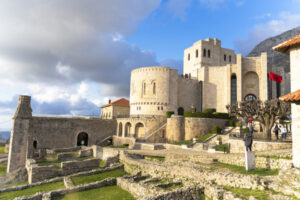
Rozafa Castle is one of Shkoder’s top attractions and generally safe to visit during opening hours.
The hilltop views over the city, rivers, lake, and mountains are excellent.
The main safety issue is footing, especially on stone surfaces in heat or rain.
Wear proper shoes and avoid climbing unsafe edges for photos.
Lake Shkoder Shore
The lake area is peaceful and scenic, especially for walking, cycling, photography, and sunset views.
The safer parts are the more popular lakeside routes and restaurants, particularly during daylight.
Avoid isolated lakeside spots after dark, and do not leave bags unattended if swimming, biking, or stopping for photos.
Marubi National Museum of Photography
This is one of the safest and most interesting cultural stops in Shkoder.
It is central, easy to reach, and gives a beautiful look into Albanian visual history.
It is a good option when the weather is hot, rainy, or you want a calm indoor activity.
Organized Trips to Theth and the Albanian Alps
Shkoder is the classic gateway to Theth, Valbona, and the Albanian Alps.
These trips can be safe and amazing when arranged properly.
Use established transport, check road and trail conditions, bring layers, and do not treat mountain travel like a casual city walk.
Places to Avoid in Shkoder
Quiet Outskirts Late at Night
Shkoder does not have a long list of tourist “danger zones,” but the outskirts can feel empty and poorly lit late at night.
Areas away from the center, guesthouses, main roads, and active cafes are not ideal for wandering alone.
If you are staying outside the center, plan your return before it gets too late.
Around Bus and Minibus Areas With Luggage
Transport areas in Shkoder are useful but can be a little chaotic.
They are not highly dangerous, but they are places where confusion, overcharging, bag distraction, and minor theft are more likely.
Keep your luggage close, ask your accommodation to confirm departure points, and avoid looking lost with your phone out for too long.
Isolated Lake and River Spots After Dark
Lake Shkoder and the rivers around the city are beautiful, but remote paths, empty banks, and quiet parking spots are best avoided after dark.
The issue is not that they are crime-ridden.
It is that they are isolated, poorly monitored, and less comfortable if something goes wrong.
Unmarked Mountain Routes
If you are using Shkoder as a base for the Albanian Alps, avoid unofficial trails, unclear shortcuts, and mountain routes without current information.
Weather, snow, landslides, and road damage can change conditions quickly.
A route that looks easy online can be risky on the ground.
Poorly Lit Side Streets After Midnight
The central streets are generally fine, but small side streets can become very quiet late at night.
If you have been drinking, do not test your navigation skills in dark alleys.
Stick to main roads, walk with someone, or use a taxi.
It is a small choice that removes most of the risk.
Safety Tips for Traveling to Shkoder
- Stay close to the center on your first visit. For most travelers, the safest and easiest areas to stay are near Pedonalja, the historic center, or main guesthouse zones used by tourists. This keeps you close to cafes, restaurants, museums, transport help, and other travelers. It also means you can walk around easily without relying on late-night taxis.
- Be careful with traffic. Traffic is probably one of the biggest day-to-day risks in Shkoder. Drivers may not always slow down for pedestrians, road markings can be inconsistent, and scooters or bicycles may appear quickly. Cross with care, make eye contact with drivers when possible, and do not assume cars will stop just because they should.
- Use trusted taxis and confirm prices. Taxis in Shkoder are usually safe, but it is smart to use ones recommended by your hotel, guesthouse, or restaurant. If there is no meter, agree on the price before starting. For longer transfers to Theth, Tirana, or Montenegro, book through a reputable company or your accommodation.
- Protect your belongings in transport areas. Whether you are taking a minibus to Theth, a bus to Tirana, or crossing toward Montenegro, keep your bags close. Do not leave phones, passports, wallets, or cameras in outer pockets. Shkoder is not a pickpocket capital, but transport confusion is when travelers are easiest to distract.
- Do not underestimate mountain trips. Many people come to Shkoder for Theth, Valbona, and the Albanian Alps. These places are stunning, but they are real mountains, not a city park with better branding. Check weather, road conditions, trail status, daylight hours, and transport schedules. Bring proper shoes, layers, water, snacks, and a charged phone.
- Carry cash, but not too much. Albania is more cash-friendly than some travelers expect. Many places accept cards, but small restaurants, guesthouses, buses, taxis, markets, and mountain transfers may prefer cash. Carry enough Albanian lek for the day, but keep most of your money separate and hidden. Do not pull out a large stack in public.
- Be cautious around dogs. Street dogs are present in parts of Albania, including around towns, roads, and rural areas. Most are harmless, but avoid feeding, touching, or provoking them. If a dog follows you, stay calm, do not run, and create distance slowly. This matters more if cycling or walking outside the center.
- Watch your alcohol at night. Shkoder’s nightlife is not wild compared with bigger cities, but alcohol still creates the same basic problems everywhere: arguments, lost phones, poor judgment, and bad navigation. If you go out, keep your drink in sight, stay with your group, and avoid late-night arguments with strangers.
- Use bottled or filtered water if you are sensitive. Some travelers drink tap water without issues, while others prefer bottled water. For a short trip, I think bottled or filtered water is the safer choice, especially if you have a sensiti3ve stomach. Also be careful with ice, raw salads, and street drinks if hygiene looks questionable.
- Check border and onward travel plans. Shkoder is close to Montenegro and is often used as a jumping-off point for Podgorica, Lake Skadar, Theth, Valbona, and Tirana. Transport schedules can be informal or seasonal. Confirm your route the day before, especially if you need to catch a flight. Build in extra time because Balkan travel has a talent for becoming “interesting.”
So... How Safe Is Shkoder Really?
Shkoder is genuinely safe for most travelers, especially if you compare it with larger and more crowded European destinations.
It does not have the heavy pickpocket scene of major tourist capitals, and violent crime against visitors is uncommon.
The city feels friendly, relaxed, and surprisingly easy to settle into, particularly around the central pedestrian area.
That said, Shkoder is not risk-free.
Albania has issues with road safety, and driving can feel more intense than visitors expect.
Traffic behavior, rougher rural roads, informal transport, and mountain routes are more likely to cause problems than street crime.
Petty theft can happen, especially around transport hubs and busy areas, but it is not something that should dominate your trip.
Natural conditions also matter.
Shkoder sits near water, mountains, and rural routes, so flooding, storms, summer heat, landslides, and hiking conditions should be taken seriously.
If you only stay in the city center, the safety level is low risk.
If you use Shkoder as a base for remote mountain travel, the risk rises to medium because preparation becomes much more important.
My honest take: Shkoder is one of Albania’s most rewarding and manageable travel cities.
It is safe enough for solo travelers, couples, families, and backpackers, but it asks for smart road awareness, careful transport planning, and respect for the mountains.
How Does Shkoder Compare?
| City | Safety Index |
|---|---|
| Shkoder |
77 |
| Vlore |
76 |
| Korce |
82 |
| Gjirokaster |
82 |
| Durres |
74 |
| Tirana |
65 |
| Kruje |
79 |
 Hatteras Hatteras | 82 |
| Ohio | 80 |
 Phu Quoc Phu Quoc | 78 |
| Moore | 75 |
 Quba Quba | 86 |
| Bloomington | 76 |
Useful Information

Visas
Albania allows many nationalities to enter visa-free, including citizens of the European Union, the United Kingdom, the United States, Canada, and Australia. Stay limits vary by nationality, with many visitors allowed 90 days, while U.S. citizens are often allowed longer stays. Always check your passport rules before travel.

Currency
The currency is the Albanian lek. Euros may be accepted in some tourist situations, but lek is better for daily spending. Cash is useful for taxis, markets, buses, guesthouses, and mountain transport. Exchange money in town rather than at airports when possible, and check the rate before confirming.

Weather
Shkoder has hot summers, mild shoulder seasons, and cooler, wetter winters. Summer can be very warm, so pack light clothing, sunscreen, sunglasses, and a hat. For spring, autumn, and mountain trips, bring layers and rain protection. If heading into the Albanian Alps, pack warmer clothing even when Shkoder feels hot.

Airports
Shkoder does not have a major commercial airport. The most useful airports are Tirana International Airport in Albania and Podgorica Airport in Montenegro. Podgorica is geographically closer, but border crossing time matters. Tirana has more flight options. From either airport, travelers usually continue by bus, shuttle, taxi, or rental car.

Travel Insurance
Travel insurance is recommended for Shkoder, especially if you plan to hike, bike, rent a car, visit the Albanian Alps, or cross into Montenegro. Choose a policy that covers medical care, cancellations, lost luggage, theft, mountain activities, and transport delays. For serious hiking, check that trekking is actually included.
Shkoder Weather Averages (Temperatures)
Average High/Low Temperature
| Temperature / Month | Jan | Feb | Mar | Apr | May | Jun | Jul | Aug | Sep | Oct | Nov | Dec |
|---|---|---|---|---|---|---|---|---|---|---|---|---|
| High °C |
9 | 11 | 14 | 19 | 24 | 28 | 31 | 32 | 26 | 21 | 16 | 11 |
| Low °C |
3 | 4 | 7 | 10 | 14 | 17 | 20 | 20 | 15 | 11 | 8 | 4 |
| High °F |
48 | 52 | 57 | 66 | 75 | 82 | 88 | 90 | 79 | 70 | 61 | 52 |
| Low °F |
37 | 39 | 45 | 50 | 57 | 63 | 68 | 68 | 59 | 52 | 46 | 39 |
Albania - Safety by City
| City | Safety Index |
|---|---|
| Berat | 83 |
| Durres | 74 |
| Gjirokaster | 82 |
| Korce | 82 |
| Kruje | 79 |
| Pogradec | 81 |
| Sarande | 78 |
| Shkoder | 77 |
| Tirana | 65 |
| Vlore | 76 |












I stayed a couple nights there and yeah, the bike-friendly streets were nice but I did get a bit uneasy walking alone after dark in some parts.