


 Albania : Safety by City
Albania - safety as a country
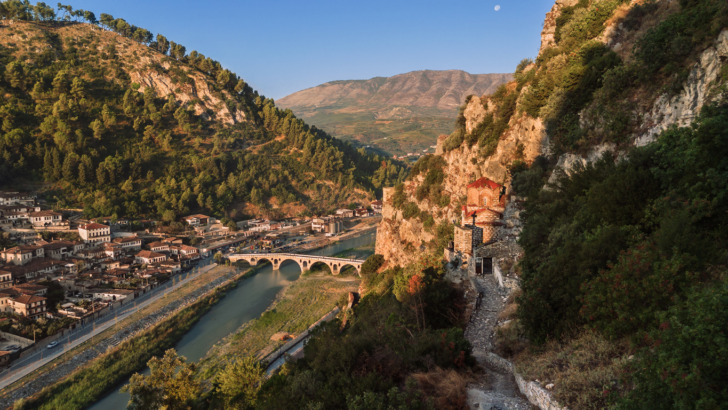
Berat is one of Albania’s most beautiful cities, sitting in the south-central part of the country along the Osum River, surrounded by hills, stone houses, old churches, mosques, and castle walls.
It is often called the “City of a Thousand Windows,” and honestly, the nickname is not just tourist brochure fluff.
The Ottoman-era houses stacked across the hillside really do look like they are watching the valley.
Berat is also one of Albania’s most important cultural destinations, with a UNESCO-listed historic center, a lived-in castle district, and a pace that feels calmer than Tirana or the coastal party towns.
For travelers, the good news is that Berat is generally safe, friendly, and easy to explore.
The main risks are petty theft, uneven streets, summer heat, road safety, and the occasional poorly planned night walk.
Warnings & Dangers in Berat

OVERALL RISK: LOW
Berat is one of the safer-feeling destinations in Albania. Tourists are unlikely to face serious trouble, especially if they stay around the historic center, castle area, and main streets. The biggest risks are petty theft, traffic, heat, slippery stone paths, and occasional overcharging. Normal travel awareness is usually enough.

TRANSPORT & TAXIS RISK: MEDIUM
Transport is mostly safe, but Albania’s road culture can feel assertive to visitors. In Berat, the old streets can be narrow, steep, and awkward for drivers and pedestrians. Use licensed taxis, agree on prices when needed, and be careful with buses or furgons. Self-driving is possible, but defensive driving is essential.

PICKPOCKETS RISK: LOW
Pickpocketing is not a major issue in Berat, but it can happen in bus stations, markets, crowded viewpoints, and tourist-heavy streets. The city is calmer than Albania’s larger destinations, yet visitors should still keep phones, wallets, passports, and bags secure. Do not leave belongings unattended at cafes or viewpoints.

NATURAL DISASTERS RISK: MEDIUM
Berat has a moderate natural-disaster risk because Albania is earthquake-prone and can also experience heavy rain, flooding, landslides, summer heat, and occasional wildfire conditions. These risks are not everyday concerns for tourists, but they matter if you are driving in rural areas, hiking, or visiting during extreme weather.

MUGGING RISK: LOW
Mugging is not a common tourist concern in Berat. The old town, castle district, and riverside areas are generally peaceful, especially during the day. Still, avoid dark, empty streets late at night, do not flash large amounts of cash, and take taxis if your accommodation is far uphill or outside the center.

TERRORISM RISK: LOW
Terrorism risk in Berat is low. The city is not a high-profile political or international target, and travelers are much more likely to deal with ordinary travel issues than security threats. As always, stay aware in public spaces and follow local guidance, but terrorism should not shape your Berat itinerary.

SCAMS RISK: LOW
Scams in Berat are usually mild rather than aggressive. The most likely issues are unclear taxi pricing, overpriced souvenirs, unofficial guides, or restaurants adding small surprises to the bill. Ask prices first, check menus, use reputable tours, and confirm accommodation details before arrival. Berat is friendly, but friendly does not mean paperwork disappears.

WOMEN TRAVELERS RISK: LOW
Berat is generally safe for women travelers, including solo travelers. The city has a relaxed, family-oriented atmosphere, and tourists are ordinary. The main advice is to avoid isolated uphill streets late at night, dress comfortably but respectfully when visiting religious sites, and use trusted transport after dark if staying outside the center.

TAP WATER RISK: LOW
Tap water in Berat is generally treated, but some travelers prefer bottled water because old plumbing, taste, or stomach sensitivity can vary by building. Bottled water is cheap and widely available. For short visits, drinking bottled water is the easiest choice. Use tap water for brushing teeth unless your accommodation advises otherwise.
Safest Places to Visit in Berat
Berat Castle
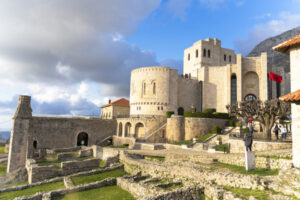
Berat Castle is one of the safest and most rewarding places to visit in the city.
It is not just a ruin on a hill.
People still live inside the castle walls, which gives the area a special, lived-in charm.
During the day, it is popular with tourists, families, small guesthouses, and local businesses.
The main safety concern is the climb.
The stone streets can be steep, polished, and slippery, especially after rain.
Wear shoes with grip and bring water in summer.
Mangalem Quarter
Mangalem is the classic Berat postcard view, with white Ottoman houses climbing the hillside below the castle.
It is central, scenic, and generally safe for walking during the day and early evening.
This is a great area for photos, cafes, guesthouses, and slow wandering.
Keep your camera strap secure and watch for cars on narrow streets.
Gorica Quarter
Across the Osum River, Gorica is quieter and very pleasant for travelers who like less crowded streets.
The Gorica Bridge area is safe and photogenic, especially around sunset.
It is a good place for a calm walk, but some side streets can feel empty late at night, so I would keep nighttime exploring to a minimum.
Boulevard Republika
Boulevard Republika is one of the easiest and safest areas for evening strolling.
Locals come out for the traditional xhiro, the relaxed evening walk that feels like Albania’s unofficial national sport.
It is well-used, social, and a good place to enjoy Berat without feeling isolated.
Places to Avoid in Berat
Empty Uphill Streets Late at Night
Berat’s hillside neighborhoods are beautiful, but they can become very quiet after dark.
The issue is not that they are known danger zones.
It is that narrow lanes, poor lighting, steep steps, and low foot traffic make them less comfortable for solo walking.
If your guesthouse is high up near the castle or tucked away in a side street, arrange your route before heading out at night.
Isolated Riverbanks After Dark
The Osum River adds a lot of charm to Berat, but quiet riverbank areas are not the best places to linger alone late at night.
Stick to the main bridge areas and well-lit streets.
During the day, riverside walks are generally fine, but after dark, there is not much reason to wander into unlit sections.
Bus Station Confusion Zones
Berat’s bus and minibus transport can be confusing for first-time visitors.
This is where small travel problems are more likely to arise: unclear schedules, overcharging, unofficial helpers, or misunderstandings about destinations.
Keep your bags close, confirm where the bus is going, and ask your hotel to help with transport details if needed.
Rural Roads During Bad Weather
The countryside around Berat is gorgeous, especially if you are visiting wineries, viewpoints, canyons, or villages.
But rural roads can be narrow, rough, or poorly lit.
After heavy rain, landslides, flooding, and slippery surfaces can become a concern.
Avoid spontaneous night drives outside the city.
Construction Areas and Crumbling Paths
Berat’s old-town charm comes with old-town surfaces.
Some paths, stairways, walls, and edges may be uneven, unfinished, or poorly protected.
Avoid climbing on ruins, walls, rooftops, or unstable viewpoints for photos.
The most likely injury in Berat is not crime.
It is twisting an ankle while chasing a dramatic Instagram angle.
Safety Tips for Traveling to Berat
- Wear proper shoes in the old town. Berat is made for walking, but it is not made for flimsy sandals. The castle road, old stone lanes, and hillside staircases can be steep and slippery. This is especially true after rain or in the evening when visibility drops. Shoes with grip will make your visit much easier and safer.
- Visit the castle earlier in the day during summer. The walk up to Berat Castle is beautiful, but in July and August it can feel like climbing inside a toaster. Go in the morning or late afternoon, carry water, and take breaks in shade. Heat exhaustion is a more realistic risk than most travelers expect.
- Keep valuables close in crowded areas. Berat is relaxed, but petty theft can still happen. Keep your wallet in a front pocket or zipped bag, do not leave your phone on outdoor cafe tables, and keep bags close in markets, buses, and busy viewpoints. The goal is not paranoia. It is making yourself the least convenient target.
- Confirm taxi prices before you ride. Taxis are useful, especially if your accommodation is uphill or outside the historic center. Before getting in, ask for the price or make sure the meter is being used. If your hotel calls the taxi for you, even better. Most drivers are fine, but price confusion is avoidable.
- Be careful when driving into the old town. Driving in Berat’s historic areas can be stressful. Streets are narrow, parking is limited, and pedestrians may appear suddenly around corners. If you are renting a car, consider parking lower in town and walking up. Your nerves and your rental car mirrors will thank you.
- Do not underestimate the sun. Berat can get very hot in summer, and the stone streets reflect heat. Use sunscreen, wear sunglasses, bring a hat, and drink water throughout the day. If you are traveling with kids or older relatives, plan indoor breaks between sightseeing stops.
- Use extra caution after dark. Berat is not a dangerous nightlife city, but some areas become quiet at night. Stay on lit streets, avoid empty shortcuts, and use taxis if your accommodation is far away or uphill. This is especially useful for solo travelers and anyone returning after dinner.
- Check restaurant bills casually. Most restaurants in Berat are honest and welcoming, but mistakes can happen anywhere. Check the bill before paying, especially if you ordered specials, wine, or shared plates. This is not a major scam warning. It is just good travel hygiene.
- Ask before photographing people or religious spaces. Berat is photogenic almost everywhere, but respect matters. Ask before taking close-up photos of locals, religious ceremonies, or private homes. In churches, mosques, and museums, follow posted rules. Being respectful helps keep interactions warm and avoids awkward moments.
- Plan rural excursions with weather in mind. Trips to canyons, wineries, villages, and viewpoints can be excellent, but roads and trails may be affected by rain, heat, or poor signage. Use reputable guides for more remote trips, bring water, and avoid hiking or driving unfamiliar rural routes after dark.
So... How Safe Is Berat Really?
Berat is genuinely one of Albania’s more comfortable cities for tourists.
It has a calmer feel than Tirana, less party energy than some coastal towns, and a strong cultural-tourism identity that makes visitors part of the normal daily scene.
You can walk around the main areas, enjoy cafes, climb to the castle, cross into Gorica, and explore the historic quarters without feeling like you are constantly managing danger.
That said, Berat is still a real city in a country where travelers are advised to use some caution.
Albania has issues with crime in certain areas, and petty theft can affect visitors in crowded public places.
In Berat specifically, the more likely problems are small-scale: bag theft, transport confusion, overcharging, road safety, heat, and falls on old stone streets.
Natural risk deserves a mention too.
Albania is earthquake-prone, and heavy rain can affect rural roads or river areas.
These are not reasons to avoid Berat, but they are reasons to travel with your eyes open.
My honest take: Berat is low risk for ordinary tourists who stay in central areas, avoid careless night wandering, and respect road and weather conditions.
It is one of those places where the safety advice is simple, practical, and very doable.
How Does Berat Compare?
| City | Safety Index |
|---|---|
| Berat |
83 |
| Vlore |
76 |
| Durres |
74 |
| Sarande |
78 |
| Gjirokaster |
82 |
| Pogradec |
81 |
| Tirana |
65 |
 Middletown Middletown | 76 |
| Dubuque | 79 |
| Redwood City | 85 |
| San Antonio | 53 |
 Genoa Genoa | 60 |
 San Jose San Jose | 59 |
Useful Information

Visas
Many travelers can enter Albania visa-free for short tourist stays, often up to 90 days in a 180-day period, depending on nationality. U.S. citizens may generally stay longer without a residence permit. Rules can change, so check entry requirements before booking, especially if you plan to combine Albania with Schengen countries.

Currency
Albania uses the Albanian lek. Euros may be accepted in some tourist businesses, but lek is better for daily spending. ATMs are available in Berat, though fees can vary. Exchange money at reputable exchange offices or banks, avoid street exchanges, and carry some cash for small restaurants, buses, taxis, and museums.

Weather
Berat has hot, dry summers and cooler, wetter winters. Summer travelers should pack light clothing, sunscreen, sunglasses, a hat, and comfortable walking shoes. Spring and autumn are excellent for sightseeing because temperatures are milder. In winter, bring a jacket, especially for evenings and walks up to the castle.

Airports
The main airport for Berat is Tirana International Airport, roughly two to three hours away by road depending on traffic. Travelers usually reach Berat by rental car, bus, private transfer, or organized tour. There is no major airport in Berat itself, so plan onward transport before arrival, especially if landing late.

Travel Insurance
Travel insurance is recommended for Berat, even though the city is generally safe. Good coverage should include medical care, trip cancellation, lost luggage, theft, and rental car issues if you plan to drive. Albania is affordable, but medical problems, missed flights, or damaged rental cars can still become expensive fast.
Berat Weather Averages (Temperatures)
Average High/Low Temperature
| Temperature / Month | Jan | Feb | Mar | Apr | May | Jun | Jul | Aug | Sep | Oct | Nov | Dec |
|---|---|---|---|---|---|---|---|---|---|---|---|---|
| High °C |
11 | 13 | 15 | 20 | 25 | 30 | 32 | 32 | 28 | 22 | 17 | 13 |
| Low °C |
1 | 2 | 5 | 8 | 12 | 16 | 18 | 19 | 15 | 11 | 7 | 3 |
| High °F |
52 | 55 | 59 | 68 | 77 | 86 | 90 | 90 | 82 | 72 | 63 | 55 |
| Low °F |
34 | 36 | 41 | 46 | 54 | 61 | 64 | 66 | 59 | 52 | 45 | 37 |
Albania - Safety by City
| City | Safety Index |
|---|---|
| Berat | 83 |
| Durres | 74 |
| Gjirokaster | 82 |
| Korce | 82 |
| Kruje | 79 |
| Pogradec | 81 |
| Sarande | 78 |
| Shkoder | 77 |
| Tirana | 65 |
| Vlore | 76 |



Spent an afternoon wandering those cobblestone streets, and the view of all those windows felt like the city was quietly keeping an eye on me.