


 Bosnia and Herzegovina : Safety by City
Bosnia and Herzegovina - safety as a country
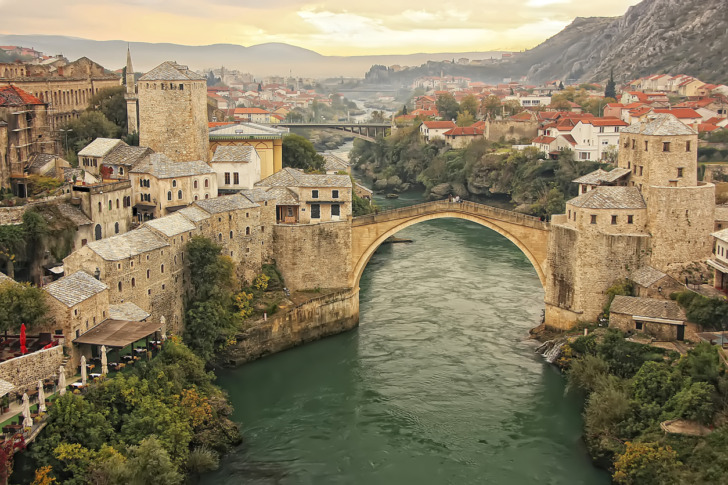
Mostar is one of the most beautiful and emotionally powerful cities in Bosnia and Herzegovina, sitting in the country’s Herzegovina region along the Neretva River.
It is best known for Stari Most, the famous Ottoman-era bridge that arches over turquoise water and connects the city’s old stone streets.
Mostar is scenic, affordable, historic, and deeply layered, with mosques, churches, bazaars, war-scarred buildings, riverside cafes, mountain views, and a mix of Balkan, Ottoman, Mediterranean, and Central European character.
It is generally safe for travelers, especially in the Old Town and main tourist zones.
The biggest concerns are petty theft, slippery stone streets, summer heat, traffic, abandoned war-damaged areas, landmine risks outside marked tourist routes, and emotional sensitivity around the city’s recent history.
Warnings & Dangers in Mostar

OVERALL RISK: LOW
Mostar is a low-risk destination for most travelers. Violent crime against tourists is uncommon, the Old Town is busy and welcoming, and locals are used to visitors. The main safety concerns are petty theft, traffic, heat, slippery streets, and avoiding abandoned or remote war-affected areas outside normal tourist routes.

TRANSPORT & TAXIS RISK: MEDIUM
Transport risk is medium because roads can be narrow, parking can be tricky, and driving styles may feel aggressive to visitors. Buses and taxis are generally safe, but taxi prices should be confirmed first. If driving outside Mostar, be careful on mountain roads and avoid unmarked rural tracks.

PICKPOCKETS RISK: MEDIUM
Pickpocketing is not severe, but it can happen in crowded tourist areas around Stari Most, the Old Bazaar, the bus station, markets, and busy cafes. Keep bags zipped, avoid back-pocket wallets, and be extra careful when stopping for photos on narrow streets or bridge viewpoints.

NATURAL DISASTERS RISK: LOW
Natural disaster risk is low, though Mostar can experience intense summer heat, storms, river hazards, occasional flooding, earthquakes, and wildfire risk in the wider region. Heat is the most realistic issue for tourists, especially in July and August when stone streets and exposed viewpoints feel brutally hot.

MUGGING RISK: LOW
Mugging is rare in Mostar. The central tourist area is generally safe during the day and evening. The risk rises slightly late at night in quiet streets, poorly lit areas, or if walking alone far from the Old Town. Use taxis if your accommodation is outside the center.

TERRORISM RISK: LOW
The terrorism risk in Mostar is low. The city’s main safety issues are ordinary travel concerns, not terrorism. Travelers should still use normal awareness in crowded public areas, transport hubs, and major events, but terrorism is not a leading concern for most visits.

SCAMS RISK: LOW
Scams are uncommon, but tourists may run into overcharging, unclear taxi fares, inflated souvenir prices, or restaurant bills that do not match expectations. Confirm prices before taxi rides, tours, and private transfers. Most issues are mild tourist pricing problems rather than serious fraud.

WOMEN TRAVELERS RISK: LOW
Mostar is generally safe for women travelers, including solo women. The Old Town, restaurants, cafes, and main hotel areas feel comfortable. Women should still use standard caution at night, avoid isolated streets alone after dark, and be careful with alcohol or unfamiliar groups.

TAP WATER RISK: LOW
Tap water in Mostar is generally safe to drink. Many travelers still choose bottled water, but tap water is fine for most visitors. In summer, carry water constantly. Mostar can get extremely hot, and dehydration is a much more likely problem than unsafe drinking water.
Safest Places to Visit in Mostar
Stari Most
Stari Most is the heart of Mostar and one of the safest areas for visitors.
The bridge and surrounding streets are heavily visited, scenic, and full of cafes, shops, restaurants, and photo points.
The main danger is not crime, but slipping.
The bridge stones can be polished, steep, and slick, especially when wet.
Wear shoes with grip and take your time crossing.
Old Bazaar
The Old Bazaar, also known as Kujundžiluk, is one of Mostar’s most atmospheric and tourist-friendly areas.
It is safe during the day and early evening, with souvenir shops, copper goods, cafes, restaurants, and narrow stone lanes.
Keep belongings secure in crowds and be careful on uneven surfaces.
Koski Mehmed Pasha Mosque Area
The area around Koski Mehmed Pasha Mosque is central, beautiful, and safe for sightseeing.
It offers one of the best views of Stari Most and the Neretva River.
Dress respectfully when entering religious sites, watch your step on stairs, and keep bags secure while taking photos.
Neretva River Viewpoints
The river viewpoints around the Old Town are safe and excellent for photos, especially from terraces, bridges, and official lookout areas.
Be careful near railings, wet stones, and steep edges.
Do not climb over barriers or go down unstable paths just for a better angle.
Spanish Square and Central Mostar
Spanish Square and the central areas outside the Old Town are generally safe during the day and useful for seeing a broader side of Mostar.
You will find cafes, hotels, shops, and historic buildings.
Some nearby war-damaged structures are interesting to look at from the outside, but avoid entering abandoned buildings.
Places to Avoid in Mostar
Abandoned War-Damaged Buildings
Mostar still has buildings damaged from the 1990s war.
Some are visually striking, but they can be unsafe inside due to unstable floors, broken glass, exposed metal, weak staircases, and a lack of lighting.
Do not enter abandoned buildings, even if they look popular for photography.
Remote Hillsides and Unmarked Rural Areas
Landmines remain a concern in some parts of Bosnia and Herzegovina, especially away from normal roads, towns, and marked tourist areas.
Most tourists in Mostar will never encounter this risk if they stick to known routes.
Avoid wandering through remote fields, ruins, forests, or hillsides without local guidance.
Quiet Streets Far From the Old Town Late at Night
Mostar is safe, but some areas become very quiet after dark.
Avoid walking alone through unfamiliar, poorly lit streets far from the tourist center, especially if carrying valuables or returning after drinks.
Taxis are inexpensive enough to be worth using.
Slippery Stone Areas During Rain
The Old Town’s stone streets are beautiful but can become very slippery.
Avoid rushing on the bridge, steps, and steep lanes during or after rain.
This is especially important for older travelers, children, and anyone wearing smooth-soled sandals.
Riverbanks Outside Managed Areas
The Neretva River is gorgeous but cold, fast, and powerful.
Avoid climbing down unsafe riverbanks, swimming in unknown spots, or getting too close to the water on wet stones.
Watch from official viewpoints, terraces, and stable paths instead.
Safety Tips for Traveling to Mostar
- Wear shoes with grip. Mostar’s Old Town is made of polished stone, uneven lanes, steps, and slopes. The famous bridge itself can be surprisingly slippery. Good walking shoes make the visit much safer and more comfortable. Flip-flops may work for a casual cafe stop, but they are not ideal for exploring the old streets.
- Be careful crossing Stari Most. Stari Most is beautiful, but it is steeper and slicker than many visitors expect. Walk slowly, especially if crowds are moving in both directions. Do not stop suddenly in the middle for photos if people are behind you. In rain, take it extra slowly and use the side edges carefully.
- Do not enter abandoned buildings. Mostar’s war-scarred buildings are part of the city’s story, but they are not safe tourist attractions. Broken stairs, unstable concrete, glass, open shafts, and falling debris are real risks. Photograph them from safe public areas and avoid climbing inside for “urban exploration.”
- Stay on marked routes outside the city. If you are hiking, visiting viewpoints, or exploring the countryside near Mostar, stick to known trails, roads, and guided routes. Do not wander into abandoned rural areas, overgrown fields, or unmarked hillsides. Landmine risk is not part of normal Old Town sightseeing, but it is a reason to avoid random off-road exploring.
- Prepare for serious summer heat. Mostar can be extremely hot in summer. The stone streets, limited shade, and steep walking make it feel even hotter. Carry water, wear sunscreen, use a hat, and take breaks in cafes or shaded courtyards. Sightseeing early or later in the day is much more pleasant.
- Keep valuables secure in crowds. Mostar is safe, but crowded tourist streets around Stari Most and the Old Bazaar are places where petty theft can happen. Keep your bag zipped, avoid back-pocket wallets, and do not leave phones or cameras unattended on outdoor tables. Most theft is opportunistic and easy to prevent.
- Confirm taxi fares before riding. Taxis are useful if your hotel is outside the Old Town, if you are arriving by bus or train, or if you are returning late. Confirm the fare before getting in, or ask your accommodation what a normal price should be. This prevents the classic tourist overcharge annoyance.
- Respect religious and historical sites. Mostar has mosques, churches, cemeteries, memorials, and sites connected to painful recent history. Dress respectfully when entering religious buildings, ask before photographing people, and avoid loud jokes around memorials or war-damaged areas. Safety here also means moving through the city with respect.
- Be cautious with river activities. The Neretva is cold and fast, and the rocks around it can be slippery. Do not swim in random areas, jump from heights, or climb down unstable riverbanks. If you want rafting or river activities nearby, use reputable operators with proper equipment.
- Use Mostar as a base with smart day-trip planning. Mostar is a great base for places like Blagaj, Kravica Waterfalls, Počitelj, and nearby Herzegovina wine areas. Book with reputable drivers or tours, confirm what is included, and avoid drinking heavily if driving. Roads can be winding, rural, and unfamiliar, especially after dark.
So... How Safe Is Mostar Really?
Mostar is very safe for ordinary travelers, especially those staying around the Old Town, central hotels, restaurants, and main attractions.
Violent crime is rare, locals are generally welcoming, and the city is used to tourists.
Most visitors will spend their time crossing Stari Most, walking the bazaar, eating by the river, visiting mosques and museums, and taking day trips without any serious safety issues.
The main risk is not crime.
It is the environment and the city’s history.
The Old Town stones can be slippery, the summer heat can be intense, the river is powerful, and some war-damaged buildings are physically unsafe.
Outside normal tourist zones, Bosnia and Herzegovina still has landmine concerns in some rural or abandoned areas, which means visitors should not wander randomly off marked paths.
Petty theft is possible but manageable.
Keep your belongings secure in crowded areas, especially around the bridge and bazaar.
Transport is also easy enough if you confirm prices and avoid walking long distances late at night.
Overall, Mostar is low risk for regular sightseeing and medium risk only if you ignore heat, slippery terrain, abandoned structures, or remote unmarked areas.
It is safe, moving, beautiful, and absolutely worth visiting.
How Does Mostar Compare?
| City | Safety Index |
|---|---|
| Mostar |
72 |
| Tuzla |
84 |
| Sarajevo |
65 |
| Jajce |
90 |
| Trebinje |
89 |
| Banja Luka |
60 |
| Bihac |
85 |
 Valentine Valentine | 78 |
| McAlester | 70 |
| Iowa City | 82 |
 Mo’orea Mo’orea | 78 |
| Myrtle Beach | 65 |
| Trenton | 46 |
Useful Information

Visas
Bosnia and Herzegovina allows visa-free entry for many nationalities for short tourism stays, often up to 90 days, depending on passport rules. Other travelers need a visa before arrival. Check your passport validity and entry requirements before booking, especially if combining Bosnia with Croatia, Montenegro, or Serbia.

Currency
Mostar uses the Bosnia and Herzegovina convertible mark. Euros may sometimes be accepted in tourist situations, but the local currency is best for daily spending. Cards are accepted in many hotels and restaurants, but cash is useful for cafes, taxis, markets, tips, and small shops.

Weather
Mostar has hot, dry summers and cooler, wetter winters. July and August can be extremely hot, so pack light clothing, sunscreen, sunglasses, a hat, and a refillable water bottle. Spring and autumn are usually more comfortable for walking. Bring shoes with grip for stone streets.

Airports
Mostar has a small airport, but many travelers arrive through Sarajevo, Dubrovnik, Split, or Podgorica, then continue by car, bus, train, or transfer. The train route between Sarajevo and Mostar is especially scenic. If arriving from Croatia, allow time for border crossings.

Travel Insurance
Travel insurance is recommended for Mostar, especially if your trip includes regional travel, rental cars, hiking, rafting, waterfalls, or multiple Balkan countries. Choose coverage for medical care, cancellations, delays, lost luggage, theft, emergency transport, and outdoor activities.
Mostar Weather Averages (Temperatures)
Average High/Low Temperature
| Temperature / Month | Jan | Feb | Mar | Apr | May | Jun | Jul | Aug | Sep | Oct | Nov | Dec |
|---|---|---|---|---|---|---|---|---|---|---|---|---|
| High °C |
9 | 11 | 15 | 19 | 24 | 28 | 31 | 32 | 27 | 21 | 15 | 10 |
| Low °C |
0 | 1 | 3 | 6 | 10 | 14 | 16 | 16 | 13 | 9 | 5 | 2 |
| High °F |
48 | 52 | 59 | 66 | 75 | 82 | 88 | 90 | 81 | 70 | 59 | 50 |
| Low °F |
32 | 34 | 37 | 43 | 50 | 57 | 61 | 61 | 55 | 48 | 41 | 36 |
Bosnia and Herzegovina - Safety by City
| City | Safety Index |
|---|---|
| Banja Luka | 60 |
| Bihac | 85 |
| Jajce | 90 |
| Mostar | 72 |
| Sarajevo | 65 |
| Travnik | 88 |
| Trebinje | 89 |
| Tuzla | 84 |
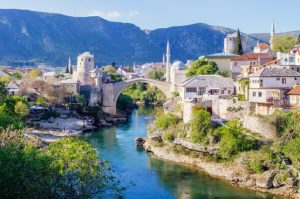








That mix of old stone and turquoise water really stuck with me when I was there, but did you find the heat during summer made exploring the narrow streets harder than you expected?
I went there last summer and while the bridge and old streets are pretty cool to look at, the heat was unbearable midday and I kept worrying about slipping on those old stones, which really took away from enjoying the city fully.
The vibe near the bridge at sunset is unreal, but you do have to watch your step on those slippery stones or you’ll end up flat on your face like I almost did.