


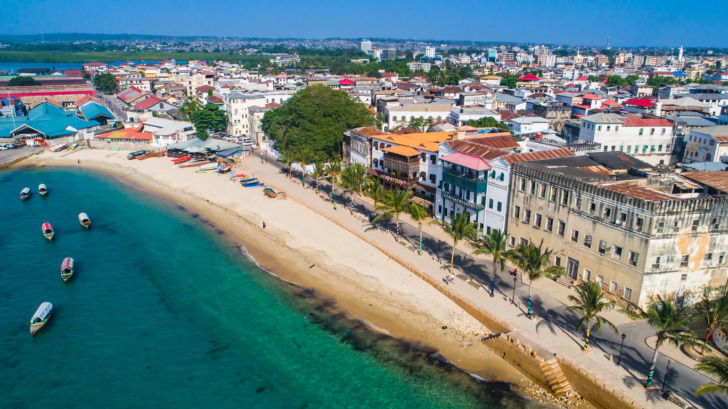
Stone Town is the historic heart of Zanzibar City, sitting on the west coast of Unguja Island in Tanzania.
It is a maze of carved wooden doors, coral-stone buildings, rooftop restaurants, spice shops, mosques, old merchant houses, markets, waterfront promenades, and narrow lanes where scooters, cats, children, tourists, and porters all seem to be moving at once.
The town reflects centuries of Swahili, Arab, Persian, Indian, and European influence, and it feels very different from Zanzibar’s beach resorts.
Stone Town is fascinating and atmospheric, but it requires more awareness than a quiet island hotel.
Most travelers visit safely, but the main concerns are petty theft, scams, aggressive touts, traffic in narrow lanes, nighttime caution, heat, food hygiene, and respecting local culture.
Warnings & Dangers in Stone Town

OVERALL RISK: MEDIUM
Stone Town is generally safe for travelers who stay aware, but it is more medium-risk than many relaxed beach destinations. Violent crime is not common in the main tourist areas, but petty theft, scams, touts, confusing streets, poor lighting, and nighttime caution are real concerns. Most problems are avoidable with basic street sense.

TRANSPORT & TAXIS RISK: MEDIUM
Transport risk is medium. Taxis and hotel transfers are commonly used and generally safe, but prices should be agreed before the ride. Streets in Stone Town are narrow, busy, and confusing, with scooters, carts, pedestrians, and cars sharing tight spaces. Avoid informal rides that feel unclear or pressured.

PICKPOCKETS RISK: MEDIUM
Pickpocketing and bag snatching can happen, especially around markets, ferry areas, crowded lanes, Forodhani Gardens, and busy waterfront spots. Keep phones and wallets secure, avoid loose shoulder bags, and do not walk around distracted with valuables visible. The risk is manageable but worth taking seriously

NATURAL DISASTERS RISK: LOW
Natural disaster risk is low, though heavy rain, coastal flooding, humidity, strong sun, and occasional storms can affect plans. The most realistic natural issues for travelers are heat, dehydration, slippery streets during rain, and rough sea conditions for boat trips. Cyclones are less common than in some other Indian Ocean areas.

MUGGING RISK: MEDIUM
Mugging is not common in busy daytime tourist areas, but the risk rises at night in quiet lanes, dark waterfront stretches, and isolated streets. Avoid walking alone late at night with valuables, especially away from the main hotel and restaurant zones. Use taxis after dark if unsure.

TERRORISM RISK: LOW
The terrorism risk in Stone Town is low for ordinary travelers. It is a tourism and cultural destination rather than a frequent security target. Visitors should still use normal awareness in crowded public places, ferry terminals, religious areas, and large events, but terrorism is not a leading concern for most visits.

SCAMS RISK: MEDIUM
Scams are one of the more common annoyances in Stone Town. Watch for fake guides, inflated tour prices, unclear taxi fares, pushy shop invitations, commission-based recommendations, and people offering “special” spice tours or prison island trips. Agree on prices clearly before accepting help, tours, or transport.

WOMEN TRAVELERS RISK: MEDIUM
Stone Town is generally manageable for women travelers, including solo women, but modest dress and street awareness help. Unwanted attention, comments, or persistent touts can happen. Women should avoid isolated late-night walks, use trusted taxis after dark, and stay in well-reviewed central accommodation.

TAP WATER RISK: MEDIUM
Tap water in Stone Town is not recommended for most travelers. Drink bottled, filtered, or properly treated water. Use bottled water for brushing teeth if you have a sensitive stomach. Be careful with ice, fresh juices, and street food hygiene, especially during the first days of your trip.
Safest Places to Visit in Stone Town
Forodhani Gardens
Forodhani Gardens is one of Stone Town’s most famous gathering places, especially in the evening when food stalls set up along the waterfront.
It is lively and usually safe when crowded, but visitors should keep belongings close and be selective with food.
Go with a relaxed attitude, but do not leave phones or wallets loose on tables.
The Old Fort Area
The Old Fort is a central and safe landmark near the waterfront, often used for events, shops, and cultural activities.
The surrounding area has steady foot traffic, restaurants, and nearby attractions.
It is a good orientation point for first-time visitors and one of the easier places to navigate.
House of Wonders Area
The area around the House of Wonders and the waterfront is one of Stone Town’s main sightseeing zones.
It is usually active during the day and early evening.
Be mindful of traffic, touts, and uneven streets, but it is generally a safe place for photos, walking, and exploring nearby historic buildings.
Darajani Market During the Day
Darajani Market is busy, colorful, and very local.
It is safe to visit during the day if you are comfortable with crowds and noise.
Keep valuables secure, avoid blocking traffic, and be respectful when taking photos.
This is not a polished tourist mall, so stay alert and move patiently.
Shangani and Central Hotel Areas
The Shangani area, close to many hotels, restaurants, and the waterfront, is one of the safer bases in Stone Town.
It is convenient for walking to the main attractions and has more tourist infrastructure than deeper residential lanes.
At night, still use caution and avoid dark shortcuts.
Places to Avoid in Stone Town
Empty Lanes Late at Night
Stone Town’s narrow lanes are magical during the day but can feel confusing and poorly lit at night.
Avoid wandering alone through empty alleys after dark, especially if you are carrying a phone, camera, or cash.
Use a taxi or walk with a trusted group.
Isolated Waterfront Areas After Dark
The central waterfront can be lively, but quieter stretches after dark are not ideal for solo walks.
Avoid empty sea-facing areas late at night, especially if you are unfamiliar with the layout.
Stick to active restaurant zones, hotel areas, and well-lit streets.
Informal Tour Offers Without Clear Pricing
Avoid agreeing to tours, boat rides, spice trips, or “local guide” services without confirming the full price, route, duration, and what is included.
Some offers are legitimate, but vague arrangements can become expensive or uncomfortable.
Use recommended operators or hotel-vetted guides.
Crowded Ferry Areas With Loose Belongings
The ferry terminal and surrounding streets can be hectic, especially when boats arrive or depart.
This is a common place for confusion, touts, porters, and pickpocket opportunities.
Keep luggage close, ignore pressure, and arrange transport before arrival if possible.
Poorly Reviewed Food Stalls or Unhygienic Vendors
Stone Town has great food, but choose carefully.
Avoid food that looks like it has been sitting out too long, seafood that smells off, or stalls with poor handling.
Hot, freshly cooked food is usually safer than lukewarm items.
Your stomach deserves a vacation too.
Safety Tips for Traveling to Stone Town
- Stay in a central, well-reviewed hotel. Location matters in Stone Town. A well-reviewed hotel in Shangani, near the waterfront, or close to the main historic core, makes walking easier and safer. You will be closer to restaurants, attractions, taxis, and familiar routes. This is especially useful if you plan to go out in the evening.
- Use taxis after dark. Stone Town is walkable during the day, but late-night walking is different. The lanes can be dark, quiet, and confusing. If you are returning from dinner, the waterfront, or another part of town after dark, use a trusted taxi arranged by your hotel or restaurant. It is usually worth the small cost.
- Keep your phone secure. Phone snatching can happen in busy or distracted moments. Do not walk around holding your phone loosely near traffic, scooters, or crowded lanes. If you need directions, step into a shop, hotel lobby, or quieter safe spot. A phone in your hand is easier to grab than a phone in a zipped pocket.
- Agree on prices before accepting anything. This is one of the most important rules in Stone Town. Whether it is a taxi, guide, porter, boat trip, spice tour, or souvenir, confirm the price first. Be polite but firm. If someone says “pay what you want,” it can still feel like pressure later. Clear pricing prevents drama.
- Dress respectfully. Zanzibar is culturally conservative, especially in Stone Town. Beachwear is fine at beach resorts, but in town it is better to cover shoulders, chest, and knees, particularly near religious areas and markets. Respectful clothing reduces unwanted attention and makes interactions smoother.
- Be careful with street food. Stone Town’s food scene is part of the experience, but choose wisely. Look for busy stalls with fast turnover, freshly cooked items, and clean handling. Be cautious with seafood, ice, cut fruit, and anything sitting out too long. Start gently if your stomach is not used to local food.
- Watch your bag in markets. Darajani Market and busy shopping lanes are fascinating, but crowded. Keep bags zipped and in front of you, avoid carrying large amounts of cash, and do not flash expensive jewelry or electronics. Move slowly, stay aware, and do not let the crowd rush you into losing track of your belongings.
- Do not follow pushy strangers into shops or side lanes. Many people in Stone Town are friendly, and some touts are harmless. Still, avoid following strangers who insist on showing you “a special shop,” “a shortcut,” or “a local secret” if it feels pressured. A polite “no, thank you” and walking away usually works better than debating.
- Use bottled or filtered water. Drink bottled, filtered, or treated water, and be cautious with ice if you have a sensitive stomach. Heat and humidity make dehydration easy, so carry water while walking. If you get stomach trouble, rest, hydrate, and avoid experimenting with every spicy seafood stall in one heroic afternoon.
- Respect religious and historic sites. Stone Town has mosques, churches, former sites of the slave trade, cemeteries, and culturally significant buildings. Dress modestly, ask before photographing people, and behave respectfully in sensitive places. This is not just about safety; it is about being a better guest in a place with deep history.
So... How Safe Is Stone Town Really?
Stone Town is safe enough for most travelers, but it requires more awareness than a beach resort in Zanzibar.
The main tourist areas are active, historic, and rewarding, and most visitors explore without serious problems.
Violent crime is not the main concern.
The more realistic issues are petty theft, scams, touts, nighttime caution, food hygiene, heat, and the general confusion of navigating old lanes.
The city feels most comfortable during the day, when shops, markets, attractions, and restaurants are open, and streets are full of people.
At night, safety depends more on where you are, how well you know the route, and whether the streets are active or empty.
Using taxis after dark is a smart habit, especially for solo travelers.
Stone Town also rewards cultural awareness.
Dressing modestly, negotiating prices clearly, asking before taking photos, and staying polite but firm with touts make the visit smoother.
Travelers who arrive expecting a polished resort environment may feel overwhelmed.
Travelers who expect a busy, historic, living city usually enjoy it much more.
Overall, Stone Town is medium risk compared with quieter island resorts, but still very manageable.
Stay alert, secure your valuables, avoid dark, empty lanes, and use common sense.
How Does Stone Town Compare?
| City | Safety Index |
|---|---|
 Stone Town Stone Town |
60 |
| Dar es Salaam |
45 |
| Zanzibar City |
55 |
 Trenton Trenton | 46 |
 Iasi Iasi | 73 |
| Tampa | 52 |
| Harwich | 89 |
 Coron Coron | 79 |
| Des Plaines | 87 |
Useful Information

Visas
Stone Town is in Zanzibar, which is part of Tanzania. Many travelers need a visa for Tanzania, while some nationalities may have different entry arrangements. Visas may be available online or on arrival for eligible travelers. Check current entry rules, passport validity, and health requirements before booking.

Currency
The local currency is the Tanzanian shilling. US dollars are widely used for hotels, tours, and some tourist services, but local currency is useful for markets, taxis, snacks, tips, and smaller purchases. Cards are accepted in some places, but cash is still important. Use reputable ATMs.

Weather
Stone Town is warm and humid year-round. The hottest periods can feel heavy, especially in narrow lanes with limited airflow. Rainy seasons can bring downpours and slippery streets. Pack light clothing, modest outfits for town, sunscreen, sunglasses, sandals, walking shoes, and a hat.

Airports
Stone Town is served by Abeid Amani Karume International Airport, located a short drive from the city. Travelers can reach Stone Town by taxi, hotel transfer, or arranged shuttle. The ferry from Dar es Salaam also arrives near Stone Town, but the area can be hectic, so plan your pickup.

Travel Insurance
Travel insurance is recommended for Stone Town, especially if your trip includes ferries, diving, snorkeling, spice tours, beach transfers, regional flights, or multiple destinations in East Africa. Choose coverage for medical care, cancellations, delays, lost luggage, theft, emergency transport, and water activities.
Stone Town Weather Averages (Temperatures)
Average High/Low Temperature
| Temperature / Month | Jan | Feb | Mar | Apr | May | Jun | Jul | Aug | Sep | Oct | Nov | Dec |
|---|---|---|---|---|---|---|---|---|---|---|---|---|
| High °C |
32 | 33 | 33 | 30 | 29 | 29 | 28 | 28 | 29 | 30 | 31 | 32 |
| Low °C |
24 | 24 | 25 | 24 | 23 | 22 | 21 | 20 | 21 | 22 | 23 | 24 |
| High °F |
90 | 91 | 91 | 86 | 84 | 84 | 82 | 82 | 84 | 86 | 88 | 90 |
| Low °F |
75 | 75 | 77 | 75 | 73 | 72 | 70 | 68 | 70 | 72 | 73 | 75 |
Tanzania - Safety by City
| City | Safety Index |
|---|---|
| Dar es Salaam | 45 |
| Stone Town | 60 |
| Zanzibar City | 55 |

















Never expected to get so lost in those narrow lanes with scooters buzzing all around, it’s like a real-life puzzle!
Navigating those tight, bustling streets under the hot sun definitely teaches you to keep your wits about you, especially when spice shop smells mix with the chaos around every corner.
Last time I got totally turned around in those narrow lanes, but the smell of spices and the chatter really made it feel alive in a way you don’t get at the resorts.